

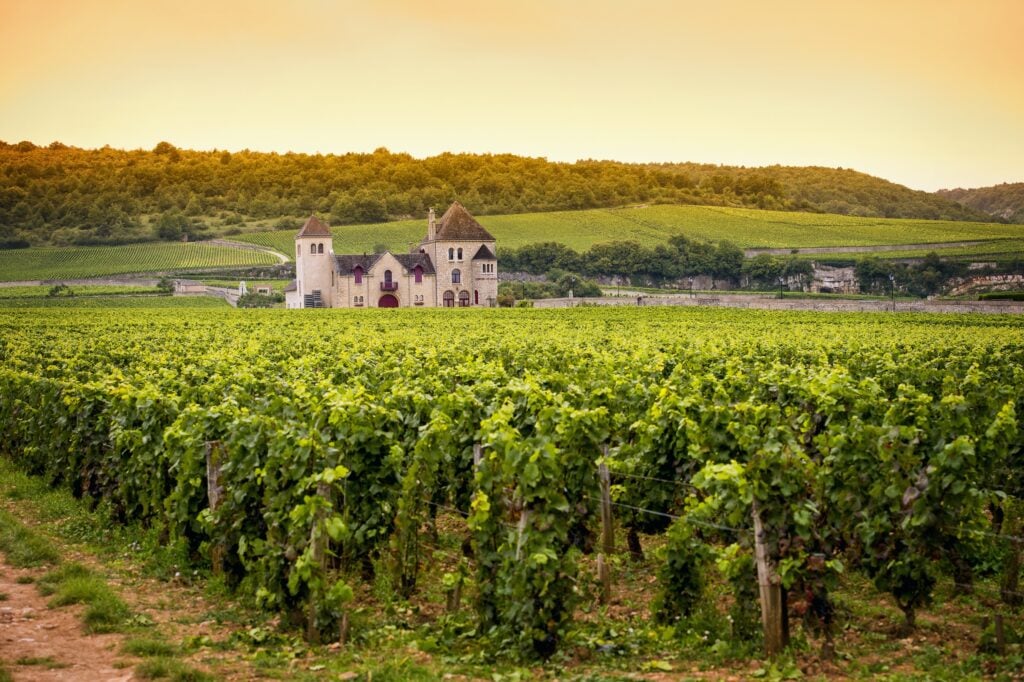

Picture rolling hills of Burgundy striped with vine rows that turn copper in October, stone villages barely bigger than their own church, and a wine region where the smell of mustard drifts out of half-timbered shops right alongside the smell of fermenting Pinot Noir. Burgundy doesn’t hit you with one postcard moment, it wears you down slowly, one small village and one glass at a time, until you understand why wine lovers keep coming back.
This isn’t a region you rush. Between the Côte de Nuits, the Côte de Beaune, Chablis country to the north and the wild, wooded Morvan in the middle, Burgundy packs a surprising range of landscapes and things to do in Burgundy into a fairly compact stretch of eastern France.
Ready to build your own Burgundy travel itinerary? Here’s our pick of the best places, and if you want to lock in a tasting before you go, take a look at our selection of the best wineries in Burgundy.
Best things to do and places to visit in Burgundy
The best places to visit in Burgundy combine wine towns, historic villages and countryside: Beaune for the Hospices de Beaune and wine tastings, Dijon for its old town and mustard heritage, Chablis for white wine, plus villages like Flavigny-sur-Ozerain and Châteauneuf-en-Auxois, the Clos de Vougeot, and the Morvan Regional Park for nature. Most travelers plan 3 to 5 days to cover the highlights.
Wander the wine capital of Burgundy in Beaune
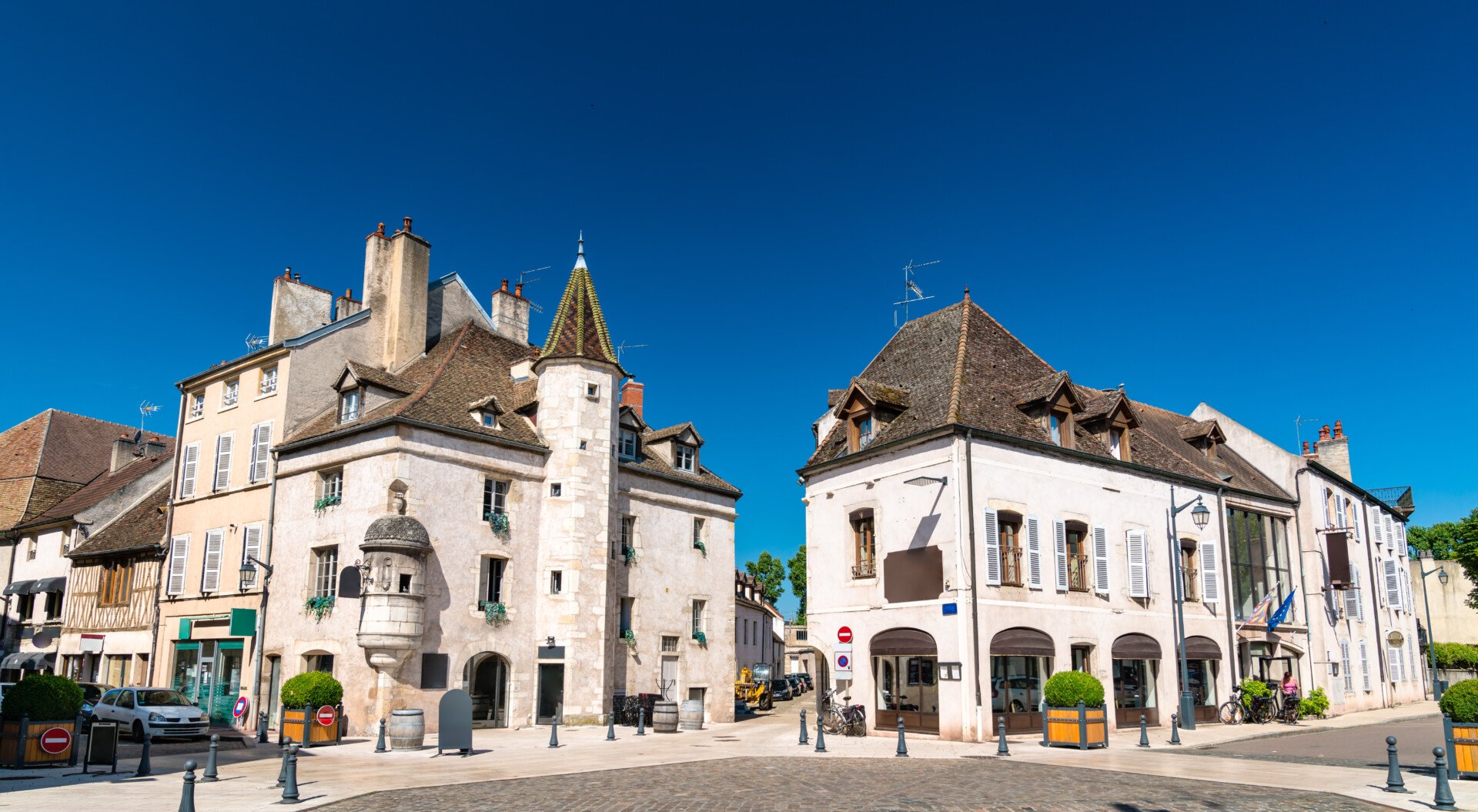
Beaune earns its reputation as the wine capital of Burgundy: its old town is ringed by ramparts, its cellars run under nearly every street, and its restaurant tables fill up fast with visitors chasing a proper Burgundy wine list. Plan half a day just walking the center, then another half for tastings, the town is compact enough to cover on foot in an hour but rewarding enough to linger for a weekend.
Taste your way through Meursault and the Côte de Beaune villages
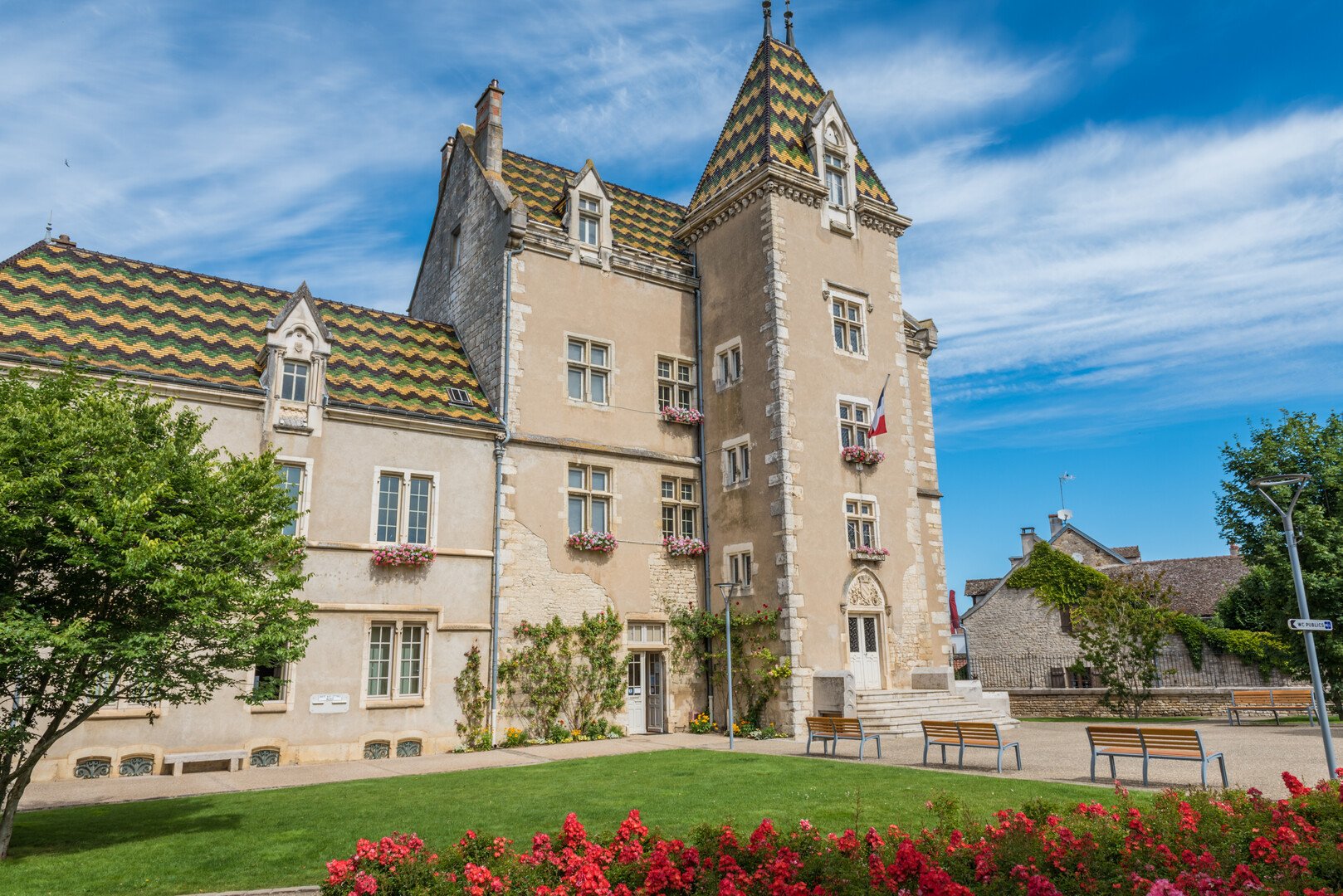
South of Beaune, the Côte de Beaune unrolls through villages that read like a wine list: Meursault, Pommard, Volnay, Puligny-Montrachet. Meursault in particular is known for barrel-aged Chardonnay and a village center quiet enough that you’ll mostly hear church bells and tractors between rows of vines. Budget an afternoon, most domaines here welcome visitors by appointment for a tasting.
Drive the Route des Grands Crus through Nuits-Saint-Georges
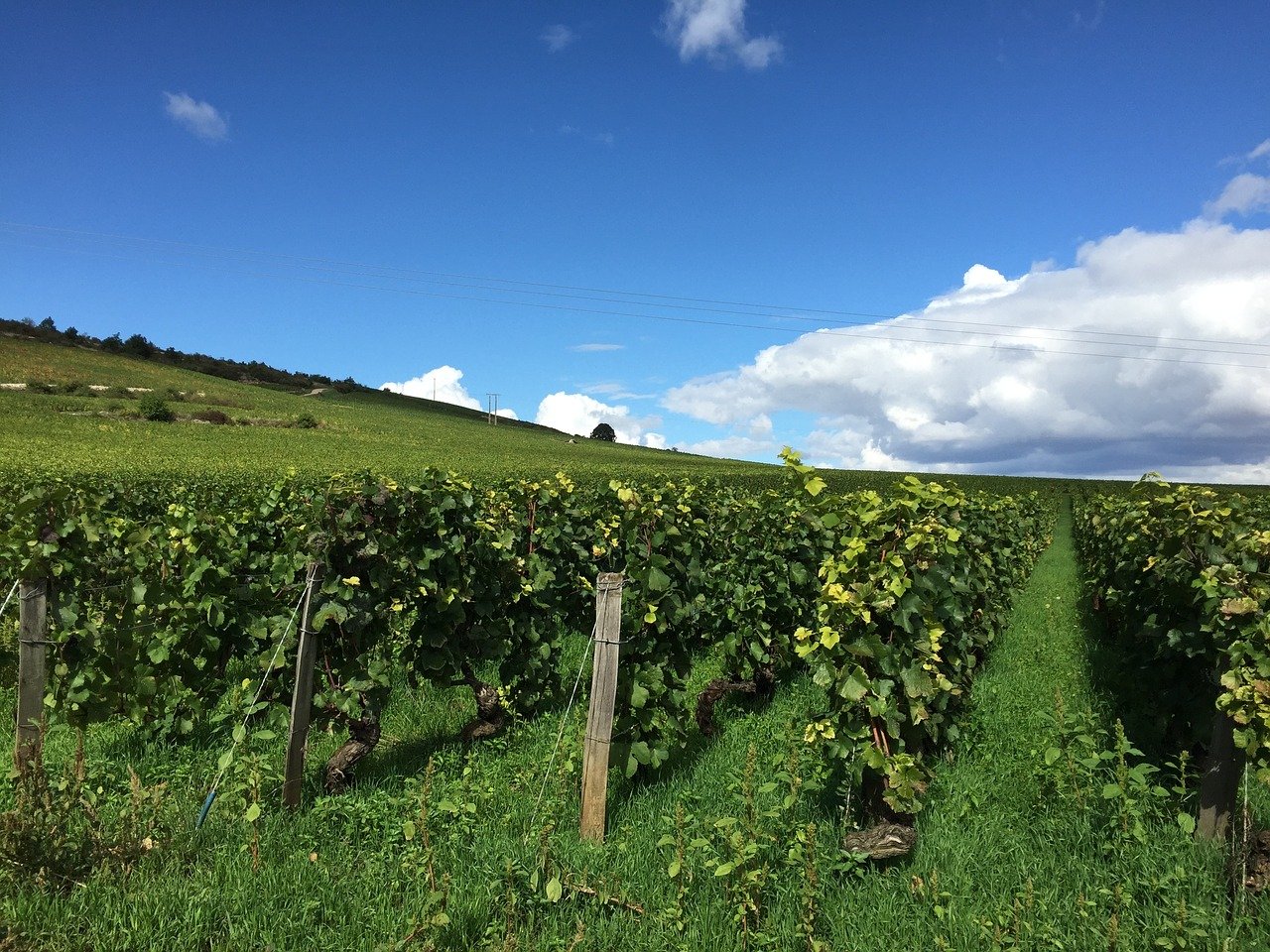
North of Beaune, the Côte de Nuits is where Burgundy’s most collectible Pinot Noir comes from, and Nuits-Saint-Georges makes a good base for exploring it. The town sits right on the Route des Grands Crus, the signposted wine route linking grand cru vineyards from Dijon down to Beaune, and it’s an easy stop for a cellar visit between drives. For a curated list of tastings here, check the wine experiences in Nuits-Saint-Georges.
Discover a different side of Burgundy wines in Chablis
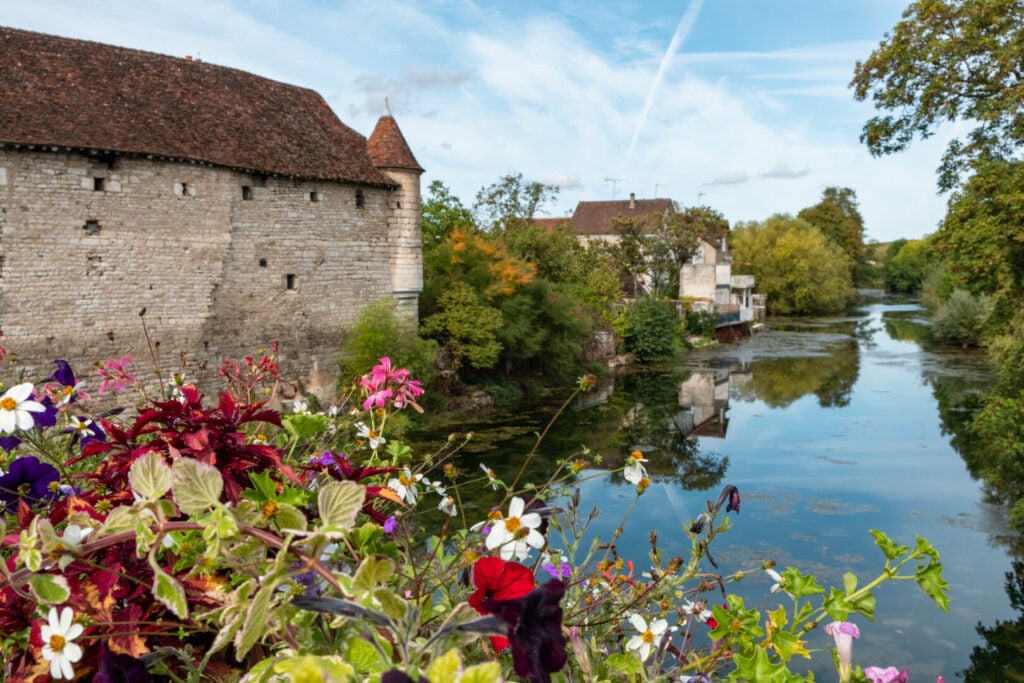
Chablis sits apart from the rest of Burgundy’s wine region, about an hour north of Dijon in a pocket of limestone soil that gives its Chardonnay a leaner, flintier character than what you’ll find further south. The town itself is small and easy to see in an hour, the real draw is the vineyards around it.
Step back in time in Flavigny-sur-Ozerain
This is the kind of small village a brochure would miss: cobbled streets, a Benedictine abbey, and the anise sweets that have been made here for generations. It’s compact, plan an hour or two, and it’s famous enough in France to have been used as a film set, but it never feels crowded.
Climb up to the fortified village of Châteauneuf-en-Auxois
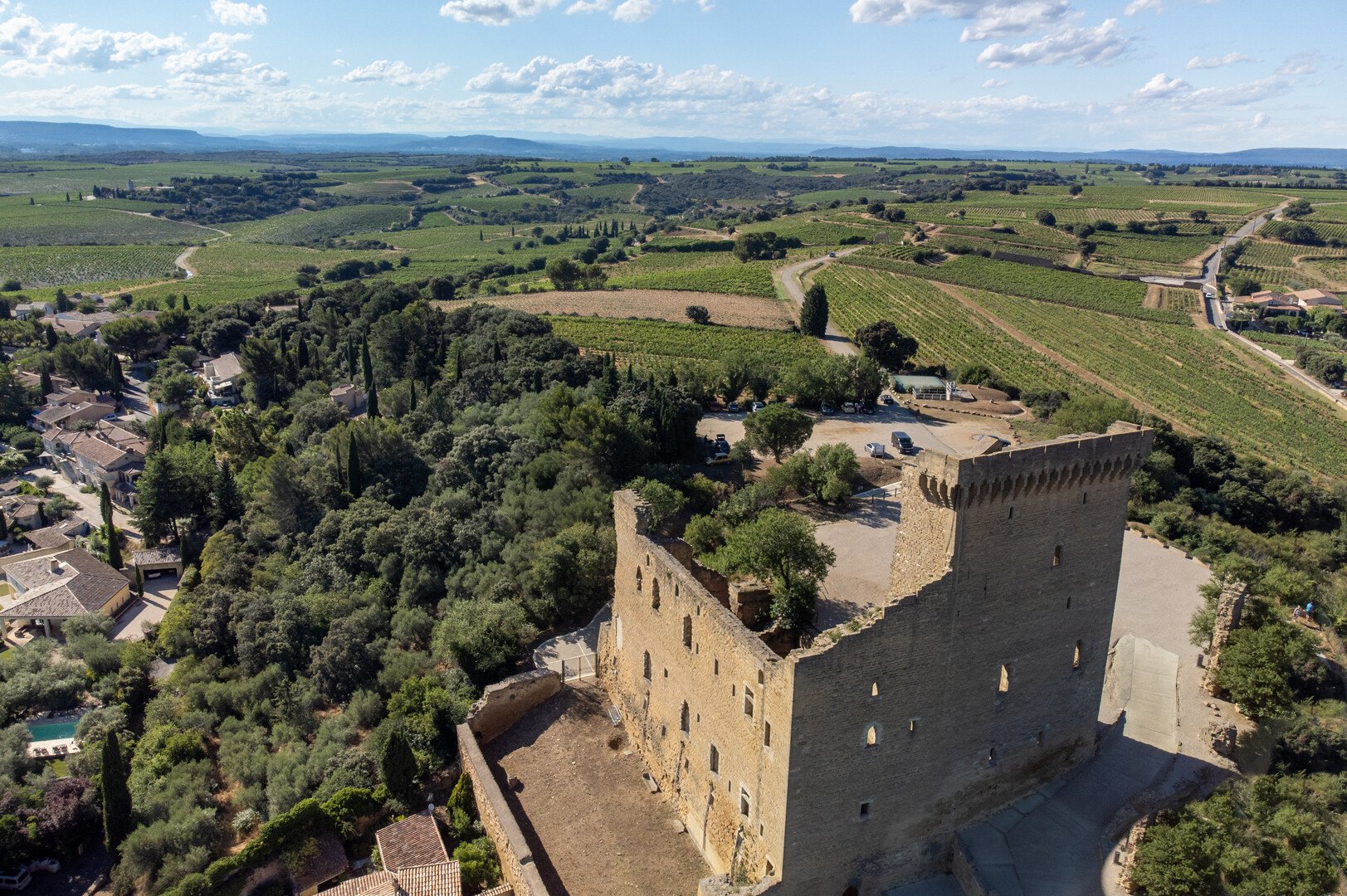
Perched on a hill above the Canal de Bourgogne, Châteauneuf-en-Auxois is anchored by a medieval castle with sweeping views over the Auxois countryside. Give it an hour to explore the château and narrow streets, and go late afternoon when the light hits the stone walls best.
Explore the medieval streets of Semur-en-Auxois
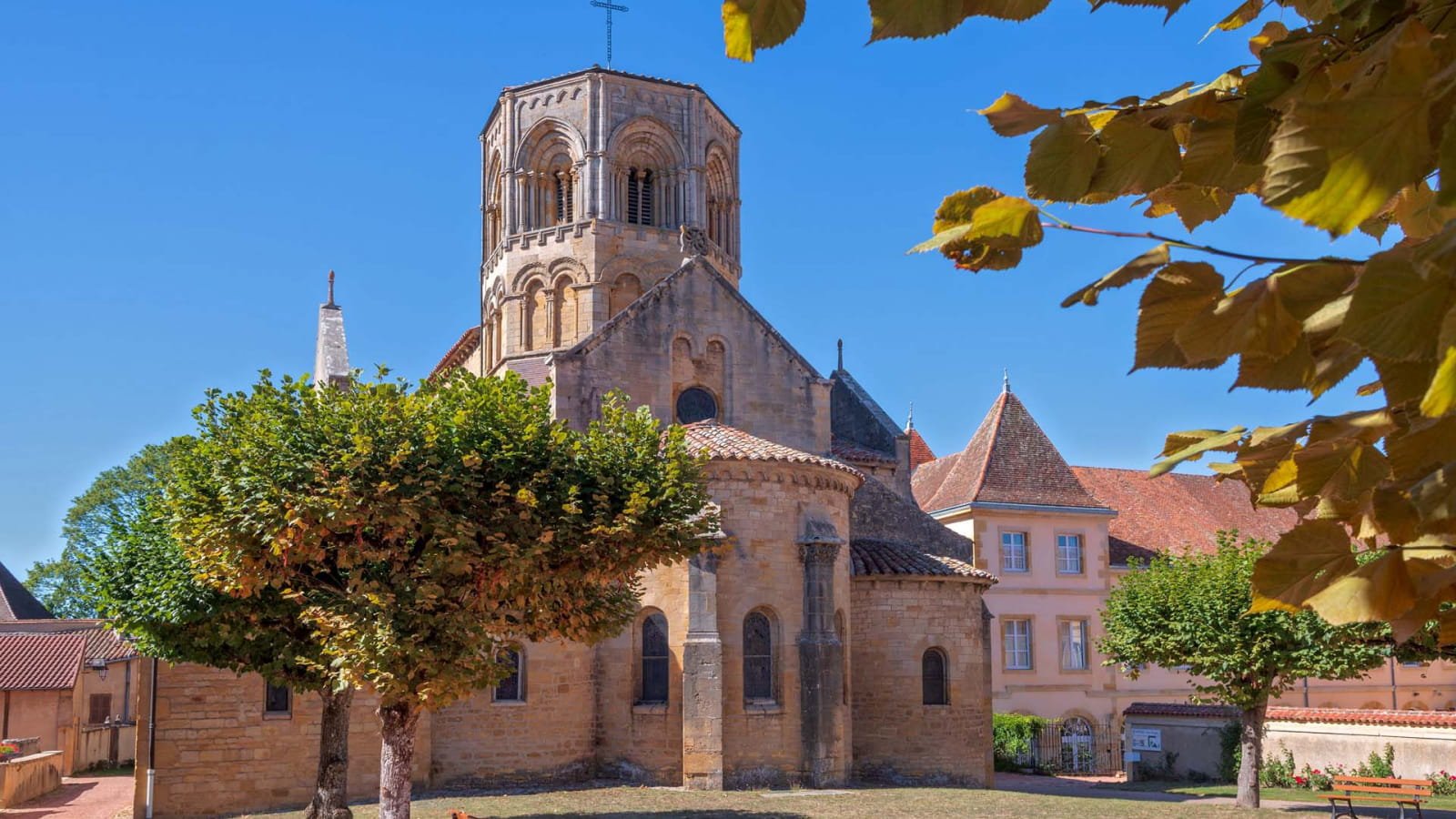
Semur-en-Auxois is built on a granite outcrop above a bend in the Armançon river, with towers and a Gothic collegiate church that make it one of the more photogenic small villages in this part of France. Two hours is enough to walk the ramparts and old town.
Visit the Hospices de Beaune, a UNESCO World Heritage landmark
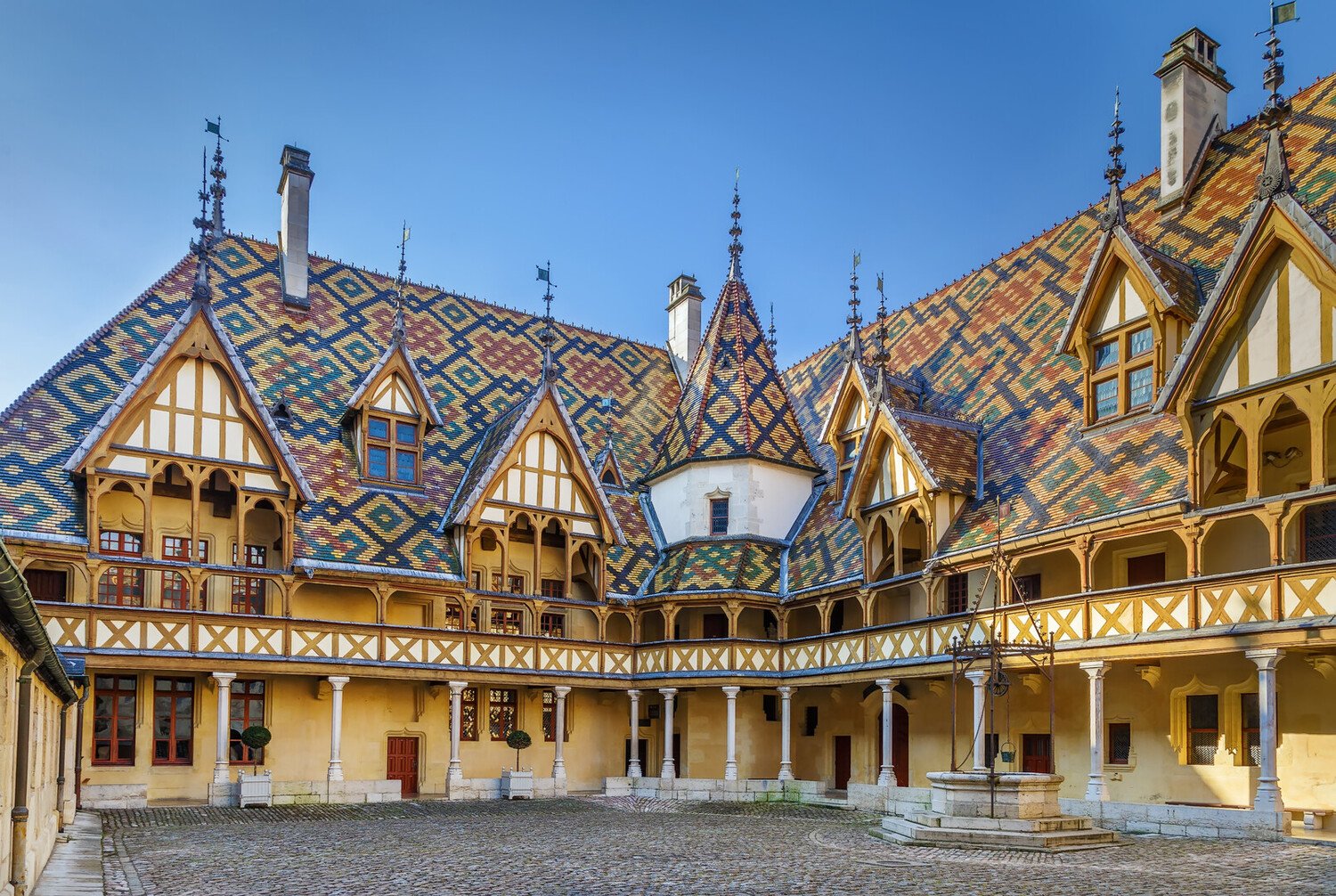
The Hospices de Beaune, with its glazed Burgundian roof tiles, is the single most recognizable building in the region and sits right in central Beaune. Allow about an hour for the museum, it was originally a charity hospital and is now one of the anchors of the Climats de Bourgogne UNESCO listing.
Tour the Château de Pommard or Chateau de Meursault
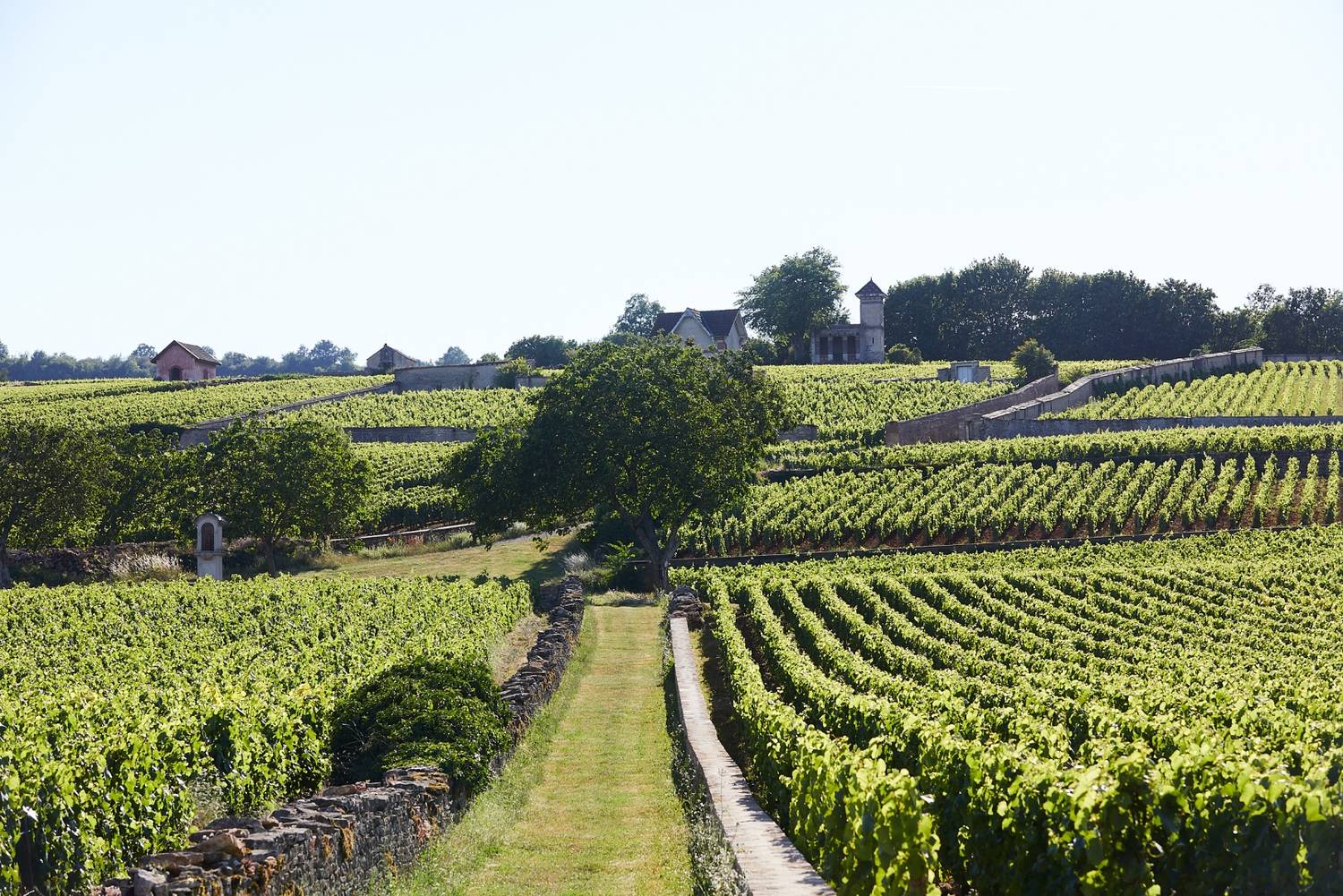
Both estates combine a historic château with a working winery, making them an easy way to pair architecture with a tasting. Château de Pommard sits inside its own walled vineyard just outside Beaune, while Chateau de Meursault anchors the village of the same name, plan around 1.5 hours for a cellar visit and tasting at either.
Walk the walls of the Clos de Vougeot
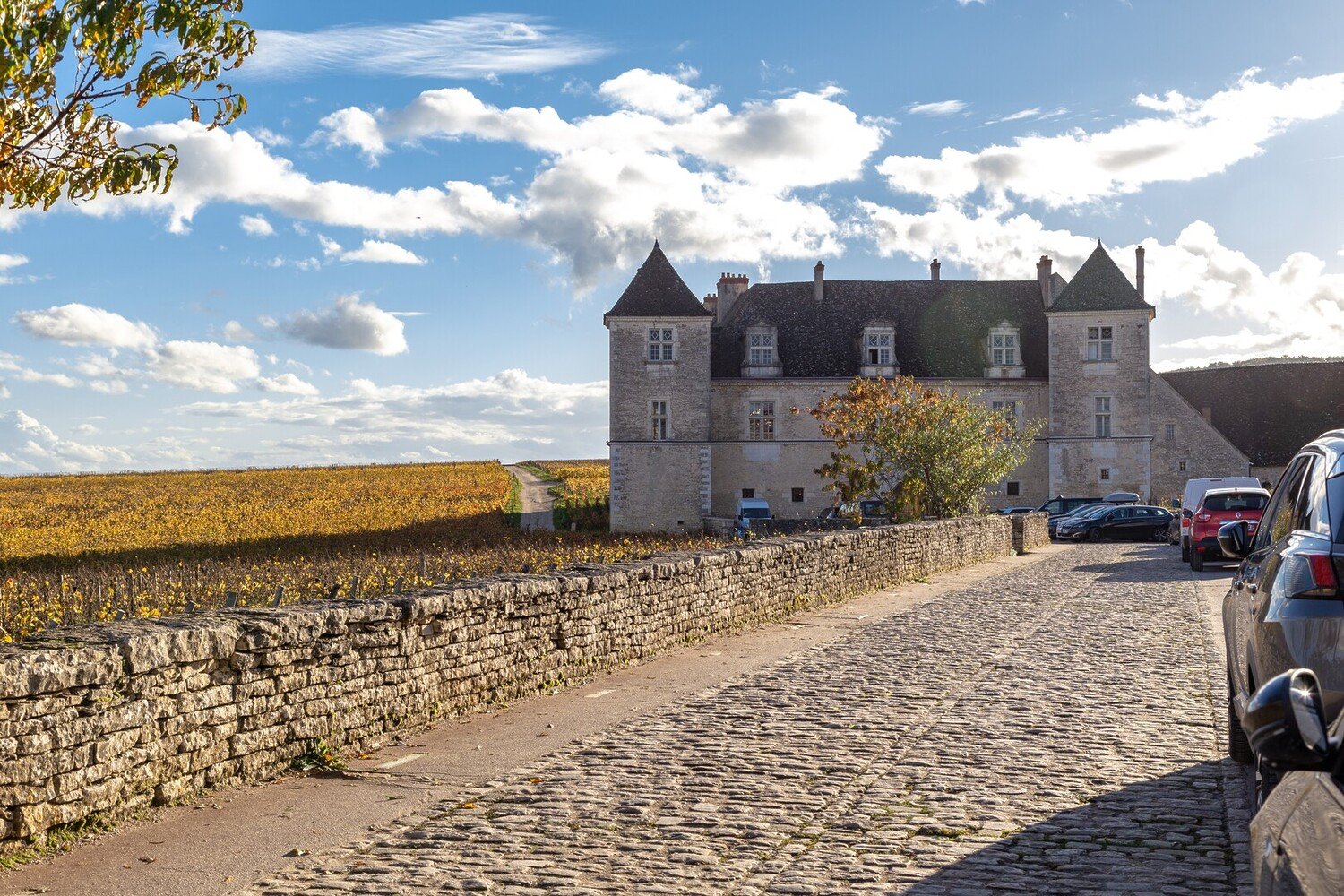
This walled cru vineyard and its Renaissance château are considered the symbolic heart of Burgundy winemaking, and the building is classified as a historic monument. It takes about 45 minutes to see the château and cellars, and it sits right on the Route des Grands Crus, making it an easy stop between Beaune and Dijon.
Climb to the hilltop cathedral in Vézelay
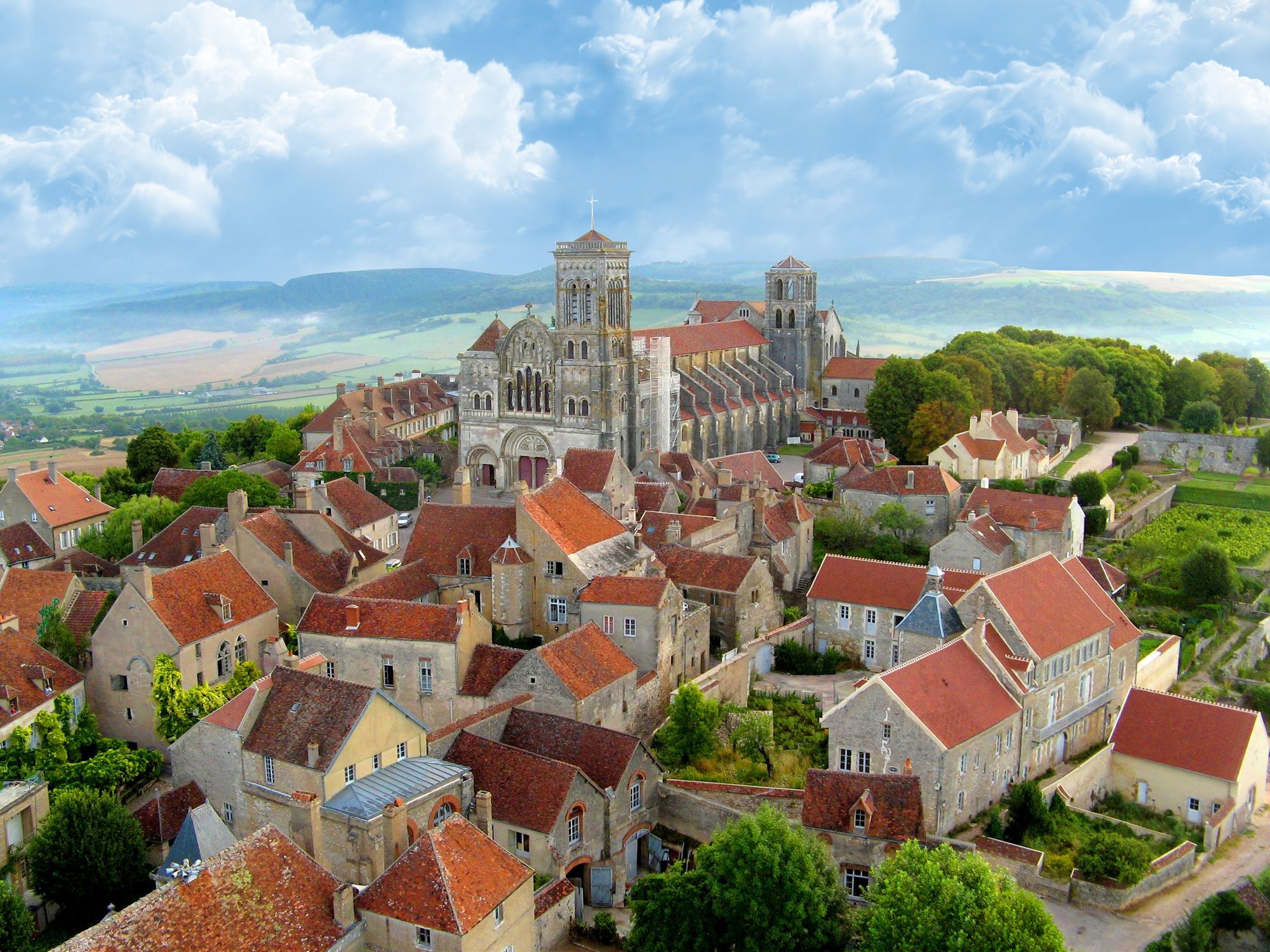
Vézelay’s basilica is a major stop on the old pilgrim routes to Santiago de Compostela, and the village below it is small enough to explore in an hour, with views over the surrounding countryside from the top of the hill.
Wander the cloisters of Fontenay Abbey
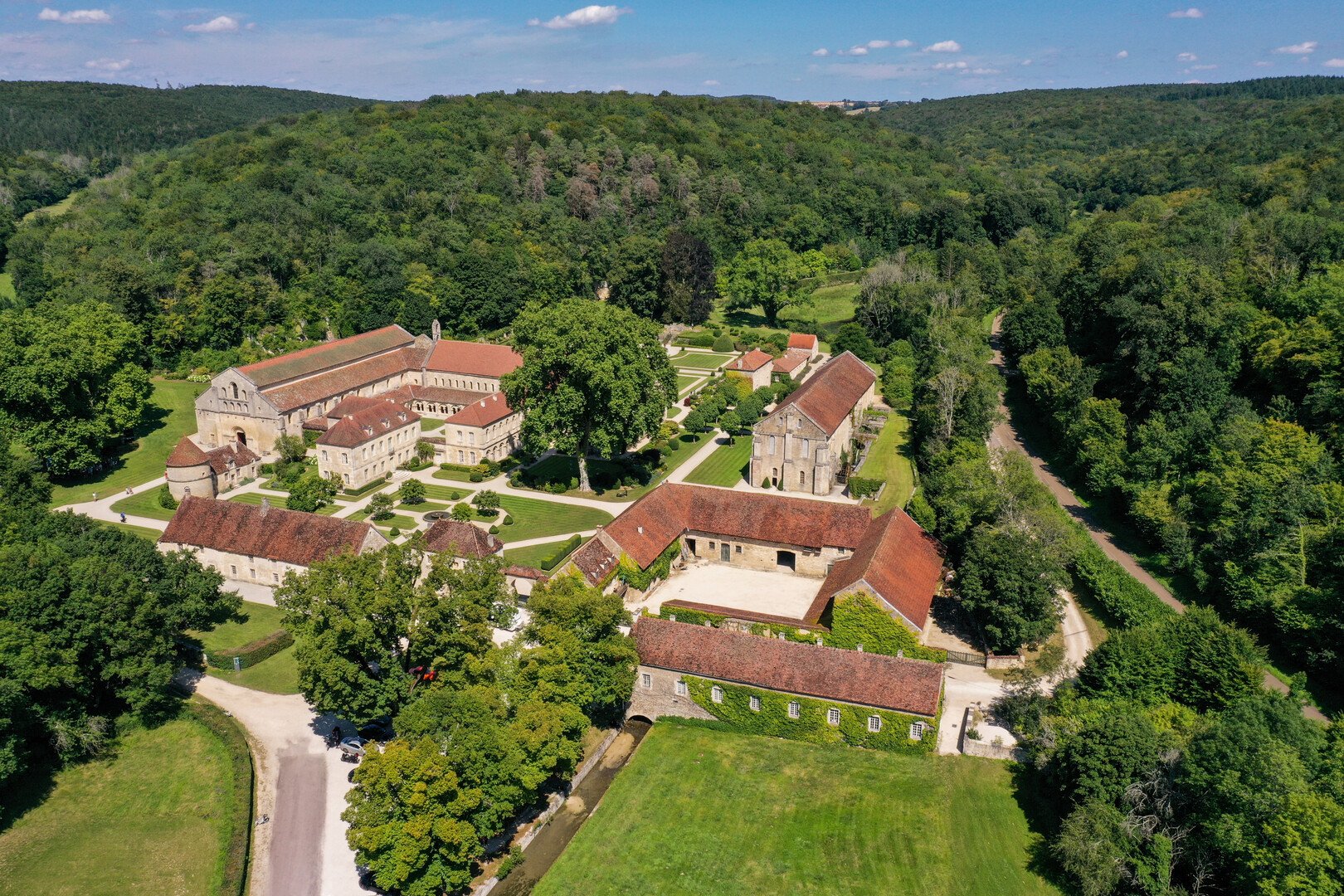
Fontenay Abbey, tucked in a quiet valley near Montbard, is one of the best-preserved Cistercian abbeys in France, with cloisters, a dormitory and gardens that make for a peaceful hour away from the wine route.
Discover Dijon’s old town and mustard heritage
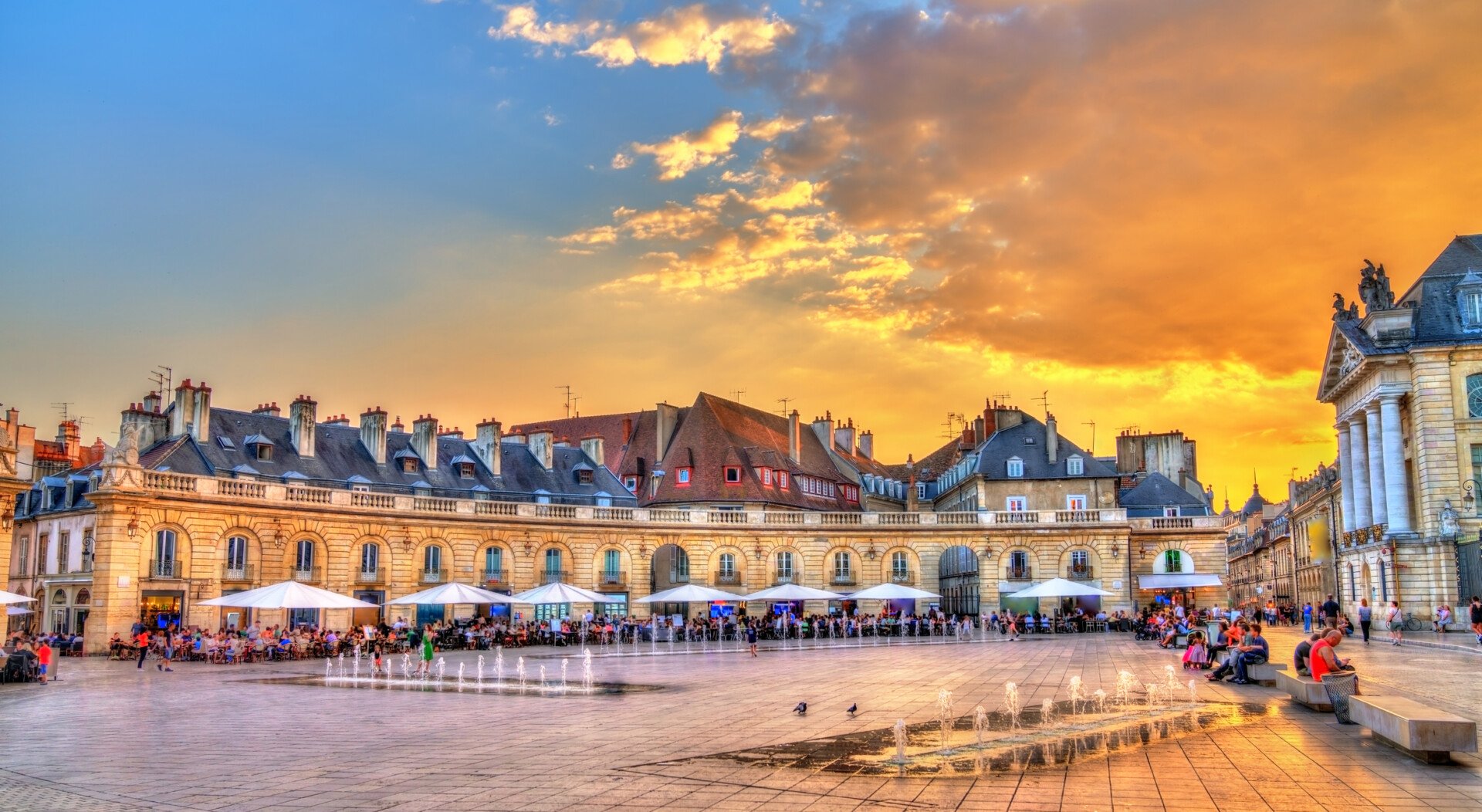
Dijon, Burgundy’s capital, mixes a Gothic cathedral, half-timbered streets and the famous mustard that carries the city’s name. It deserves a full day on its own, for the complete list of sights, food stops and museums, see our guide to things to do in Dijon.
Breathe in the forests and lakes of Morvan Regional Park
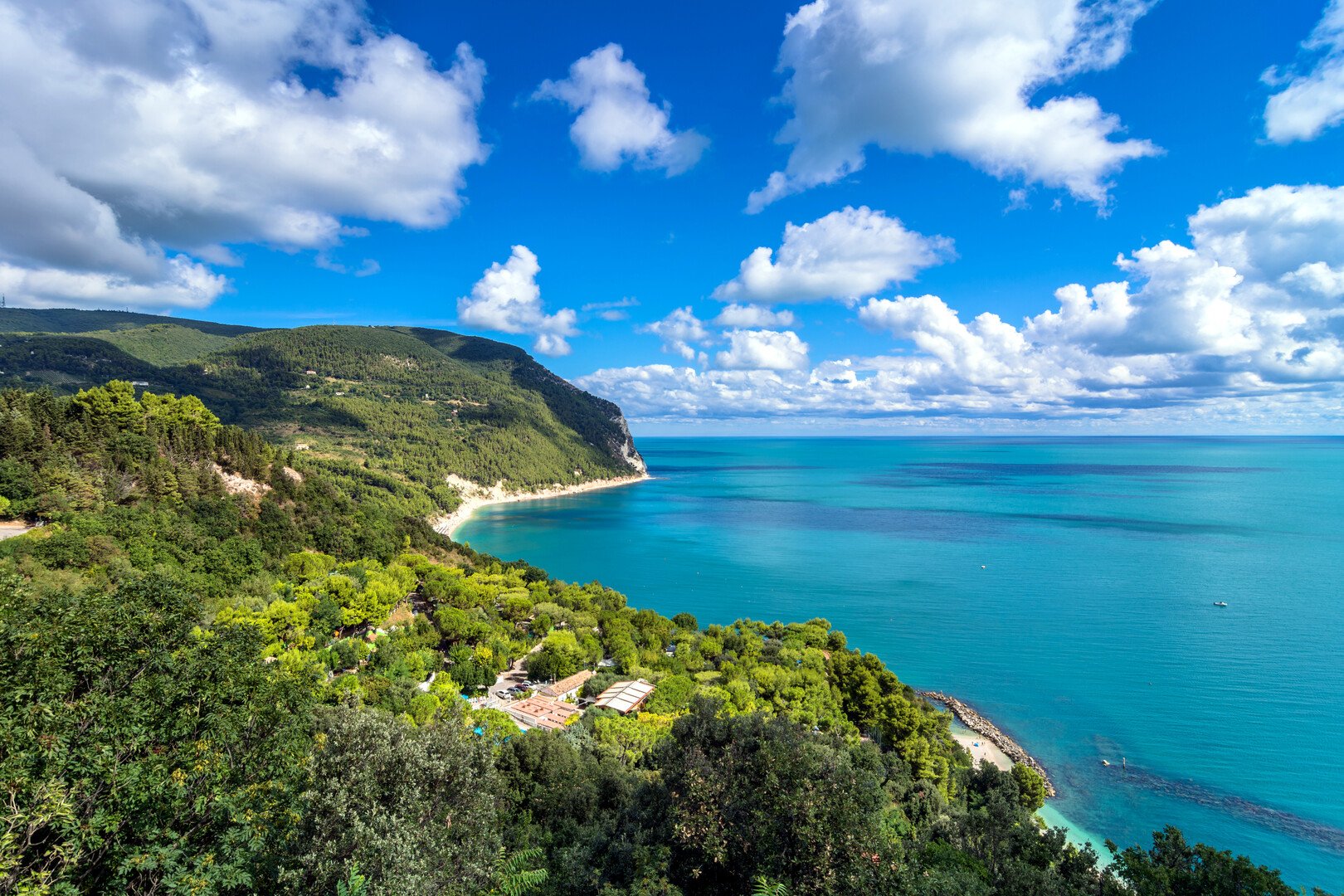
West of the wine villages, the Morvan Regional Park is a different Burgundy altogether: granite hills, forests and lakes rather than vineyards. It’s worth a day if you want a break from tastings, with hiking trails and swimming spots scattered through the park.
Cruise or cycle the Canal de Bourgogne
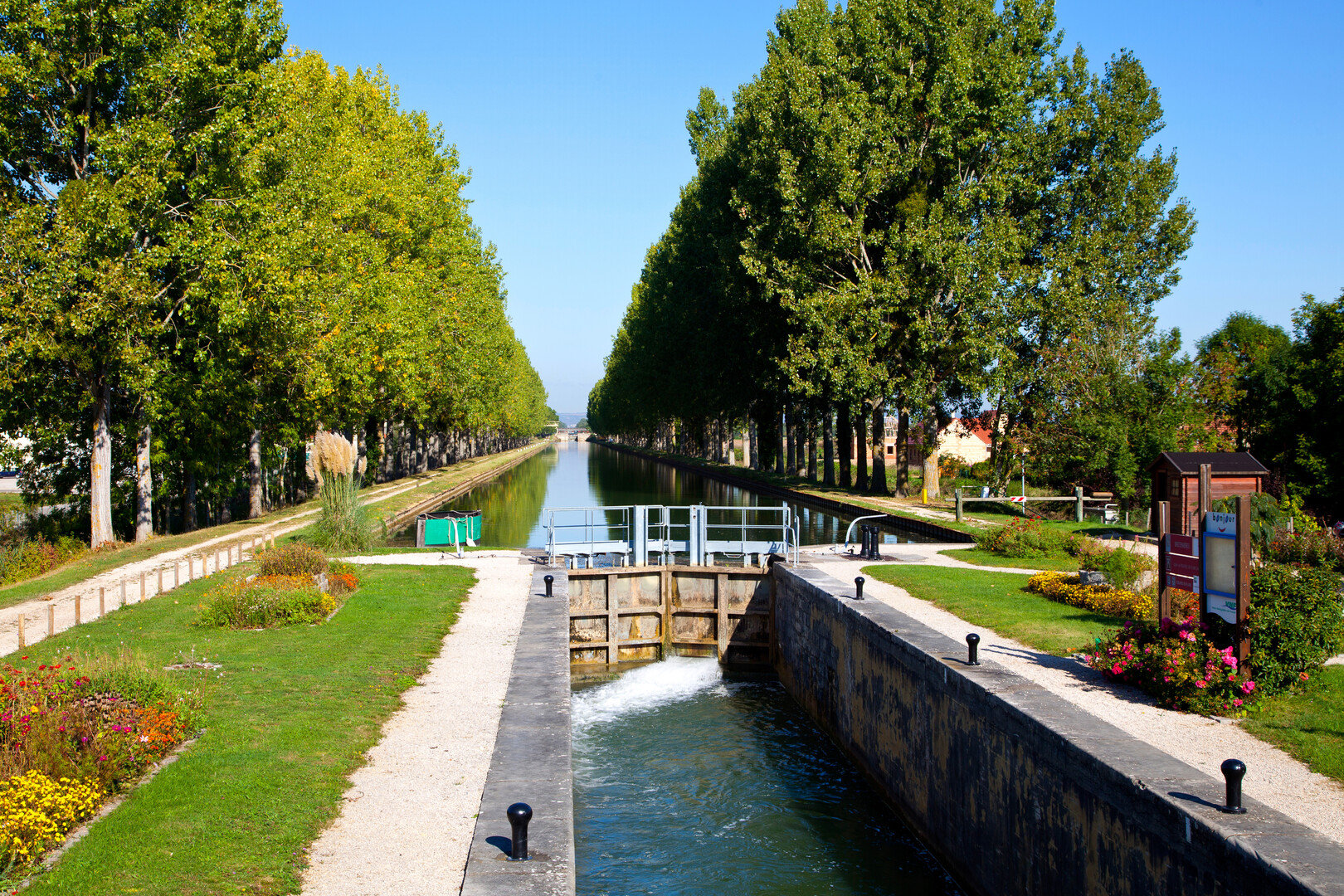
The Canal de Bourgogne runs about 150 miles (242 km) between the Yonne and Saône rivers, and a stretch of it near Châteauneuf-en-Auxois makes for an easy half-day by bike or barge, with towpaths running flat alongside the water. For an active way to see this stretch of countryside, Bourgogne Évasion organizes active tours around Burgundy combining cycling with vineyard stops.
Beyond these main stops, Burgundy rewards a slower detour too: the Abbaye de la Bussière makes a peaceful overnight near the Côte de Nuits, sparkling Crémant producers like Louis Bouillot in La Verrière add a change of pace from still wine, and a countryside stay at the Manoir des Parcellaires de Saulx puts you close to both Dijon and the vineyards without the crowds.
Good to know before you go
Burgundy sits about 2 hours by car or train from Paris, with Dijon and Beaune both served by direct high-speed trains, the nearest major airport is Lyon-Saint-Exupéry, roughly 1.5 hours south. Most travelers spend 3 to 5 days in Burgundy, enough time to split between Dijon, Beaune, a couple of villages and one or two wine tastings without feeling rushed. Renting a car makes the small villages and grand cru vineyards far easier to reach than relying on trains alone.
How many days do you need to visit Burgundy?
Three to four days cover the essentials: the Route des Grands Crus, Beaune’s old town, and one or two hilltop villages. With a week, you can add Chablis, the Morvan Regional Natural Park, and slower tastings in smaller cellars without rushing between stops.
What is the best time of year to visit Burgundy?
Late spring (May, June) and early autumn (September, October) offer the best balance of mild weather and fewer crowds. September is especially prized, as it often overlaps with the grape harvest (vendanges), bringing extra energy to villages along the wine route.
How do you get around Burgundy without a car?
Trains connect major hubs like Dijon, Beaune, and Mâcon, but reaching small wine villages usually requires a car, bike, or organized tour. Renting a car offers the most flexibility for hopping between appellations, while guided minibus tours are a practical alternative for tastings.
Where should you base yourself in Burgundy?
Beaune is the most practical base, sitting at the heart of the Côte d’Or wine region with easy access to major villages. Dijon suits those prioritizing city amenities and train connections, while smaller villages like Meursault offer a quieter, vineyard-side stay.
Is Burgundy worth visiting if you don’t drink wine?
Yes, Burgundy’s appeal extends well beyond wine, with Romanesque churches, medieval towns like Semur-en-Auxois, and the Morvan’s lakes and forests. Dijon’s museums and half-timbered old town, plus regional specialties like boeuf bourguignon and Époisses cheese, round out a non-wine itinerary.
Where to stay in Burgundy?
A short list of well-located bases for exploring the region:
- Hôtel Le Cep (Beaune): historic townhouse steps from the ramparts: check availability
- Hostellerie de Levernois (near Beaune): quiet countryside setting close to vineyards: check availability
- Grand Hôtel La Cloche (Dijon): landmark hotel in the city center: check availability
- Château de Gilly (Gilly-lès-Cîteaux): former abbey near Vougeot’s vineyards: check availability
Where to eat local food in Burgundy?
A short list of establishments known for regional specialties:
- Ma Cuisine (Beaune): boeuf bourguignon and local wine list
- Le Bénaton (Beaune): seasonal bistro-style Burgundian cooking
- Loiseau des Vignes (Beaune): refined dishes from the Loiseau family
- La Dame d’Aquitaine (Dijon): vaulted cellar serving regional classics

Victoria explores Europe's wine regions to share the finest wine tourism experiences with our travelers. Here she shares her favorite discoveries, tips, and encounters with the winemakers behind every bottle.


