

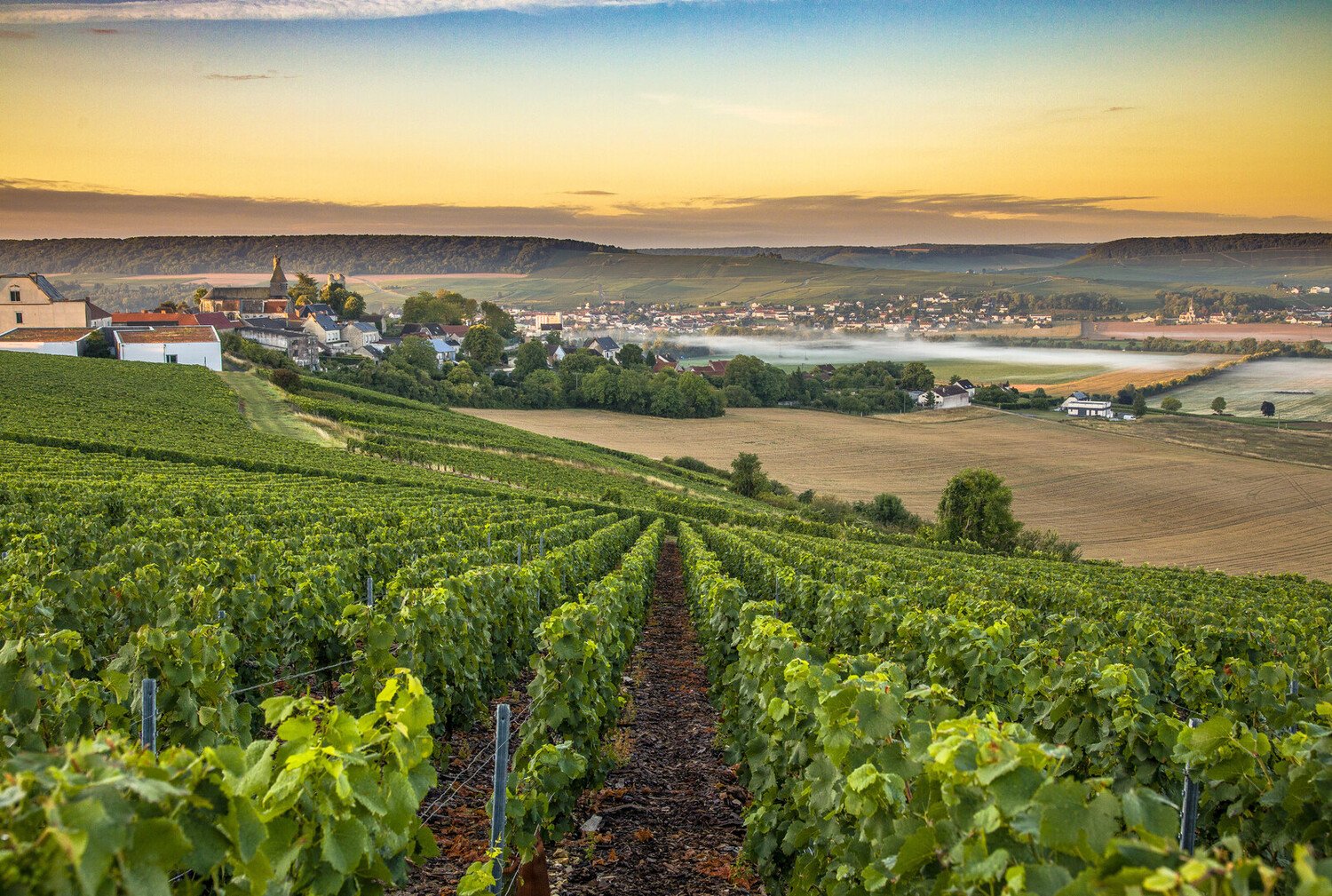

The Champagne region, birthplace of the world-famous sparkling wine, is a dream destination for wine and gastronomy enthusiasts. With its rolling vineyards, charming villages, and historic cellars, the Champagne tourist route invites you to immerse yourself in French wine tradition. From Reims to Epernay, including the Côte des Bar and the Vallée de la Marne, this itinerary offers a unique journey into the world of Champagne amidst landscapes designated as a UNESCO World Heritage Site. Discover this exceptional territory and savor unforgettable tastings in historic champagne cellars along the way.
Map of the Champagne Route
The Champagne wine region covers approximately 34,000 hectares across northeastern France. It takes about 1 hour and 15 minutes to drive from Reims in the north to Troyes in the south. If you stop in Épernay, the capital of Champagne, plan to add an extra 30-45 minutes to your journey, but it’s well worth the detour. Call Route touristique du Champagne in French, this guide highlights everything you need to know about it!

We recommend exploring the region in stages to fully discover each town and terroir. Ideally, plan to stay for 3 to 4 days to appreciate everything the area has to offer. Below, find our interactive map featuring the best route through the region, along with our top recommendations for Champagne houses to visit along the way.
Here are the 4 Champagne routes:
- The route of Montagne de Reims (north of Reims and Épernay)
- The route of Vallée de la Marne (west of Épernay towards Paris)
- The route of Côte des Blancs (south of Épernay)
- The route of Côte des Bar (in the Aube, around Troyes)
The Champagne Route of Montagne de Reims
Chances are you’ll arrive in the Champagne region via Reims or Épernay. Choosing the right city for your stay largely depends on whether you have a car. If you do, you’ll be able to stay in the surrounding vineyard villages and easily visit both champagne houses in Reims and Épernay champagne houses without any issue. If you’re arriving by train, opt for a hotel in Reims, a larger city offering more activities and convenient access to prestigious champagne houses in Reims. From there, you can take a train to Épernay for a day exploring the famous Épernay champagne houses along Avenue de Champagne. The first Champagne tourist route is the one that connects Reims and Épernay. You can take it in any direction and customize the stops as you wish.
Start by exploring Reims
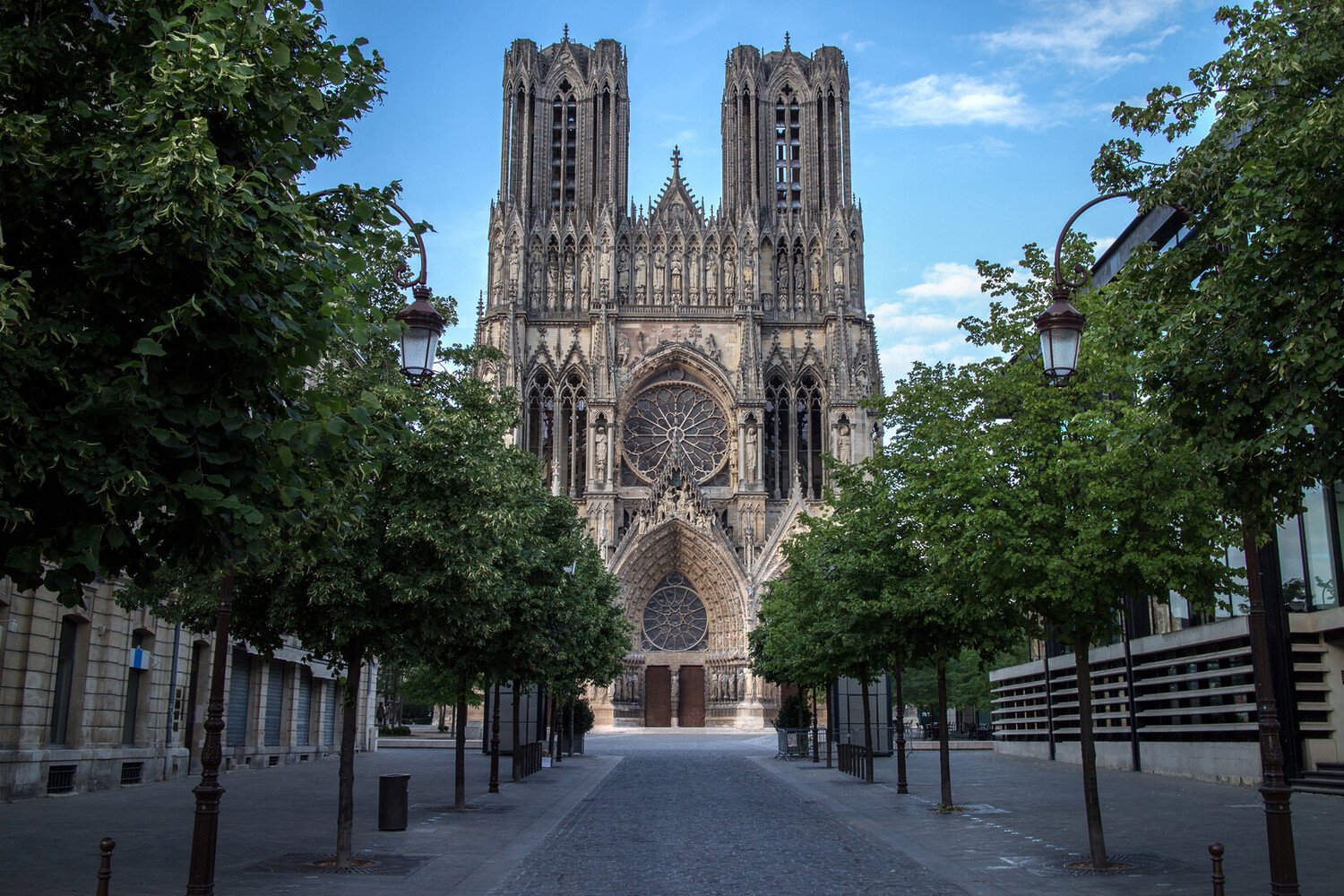
Reims is an essential stop in the Champagne region due to its position as the heart and soul of the area. Known for its rich history, breathtaking architecture, and renowned champagne houses, the city holds significant allure for visitors. Among its notable landmarks is the magnificent Notre-Dame de Reims Cathedral, the historic coronation site of French kings for centuries and easily accessible by train from Paris. Start your journey by wandering through enchanting streets lined with shops, cafés, and restaurants, where you can tour prestigious champagne houses and indulge in tastings of some of the world’s finest champagnes. With its rich cultural heritage, lively atmosphere, and exquisite bubbles, Reims promises an unforgettable experience.
For a complete guide covering the best things to do in Reims, from cathedral visits to champagne tastings, don’t miss our detailed guide to make the most of your stay.
Discover iconic champagne houses in Reims and around
Veuve Clicquot
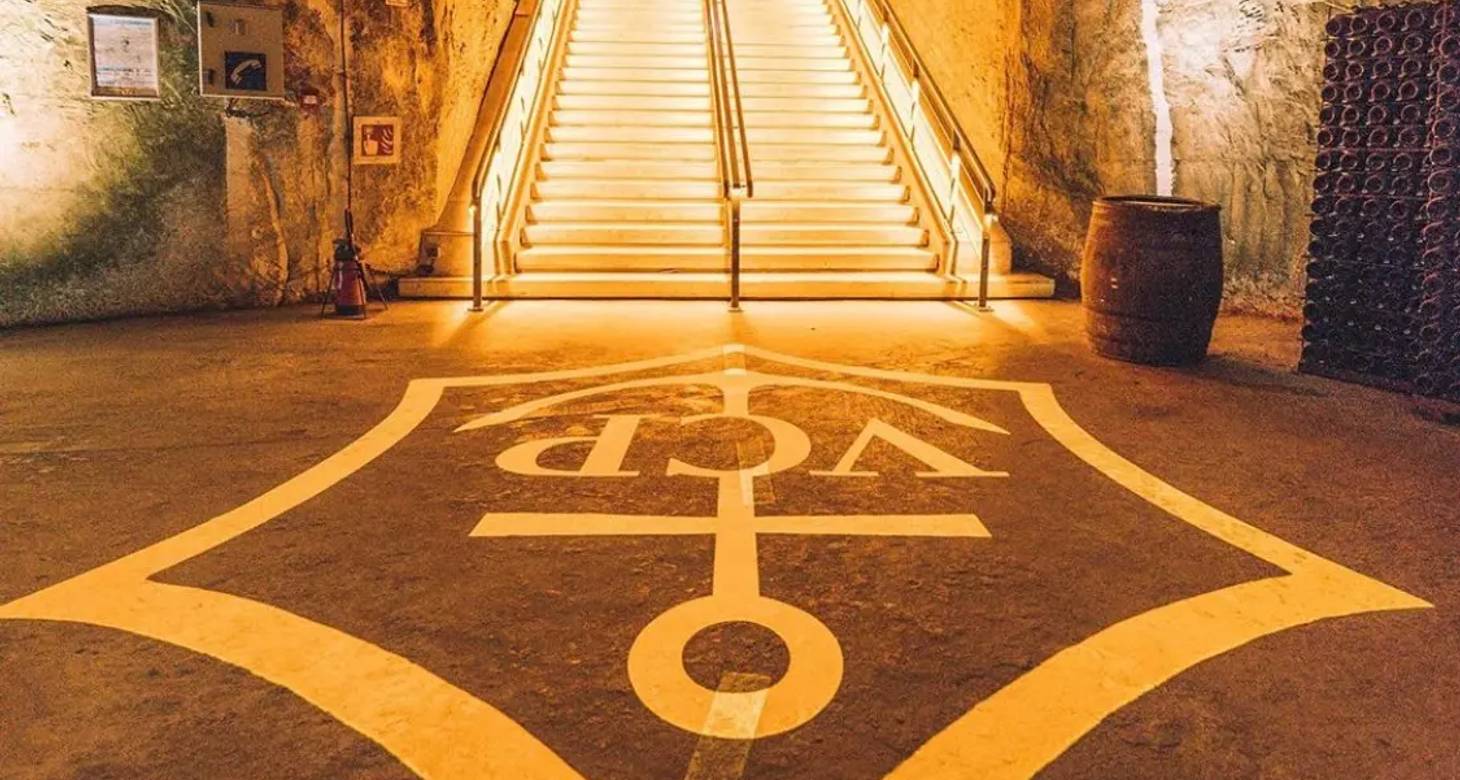
That iconic orange label you’ve seen everywhere? There’s a remarkable story behind it. Back in 1805, Madame Clicquot inherited her husband’s champagne business and decided to turn it into an empire. She invented the riddling table, a technique that revolutionized how champagne is made and is still used today. Her cellars in Reims are carved deep into chalk hills, where you’ll discover how one determined woman changed the game forever. The tour takes you through the underground galleries before ending with a tasting of the famous Yellow Label. After hearing her story, you’ll never look at a bottle of Champagne Veuve Clicquot the same way again. This isn’t just champagne, it’s history in a glass.
Champange Taittinger
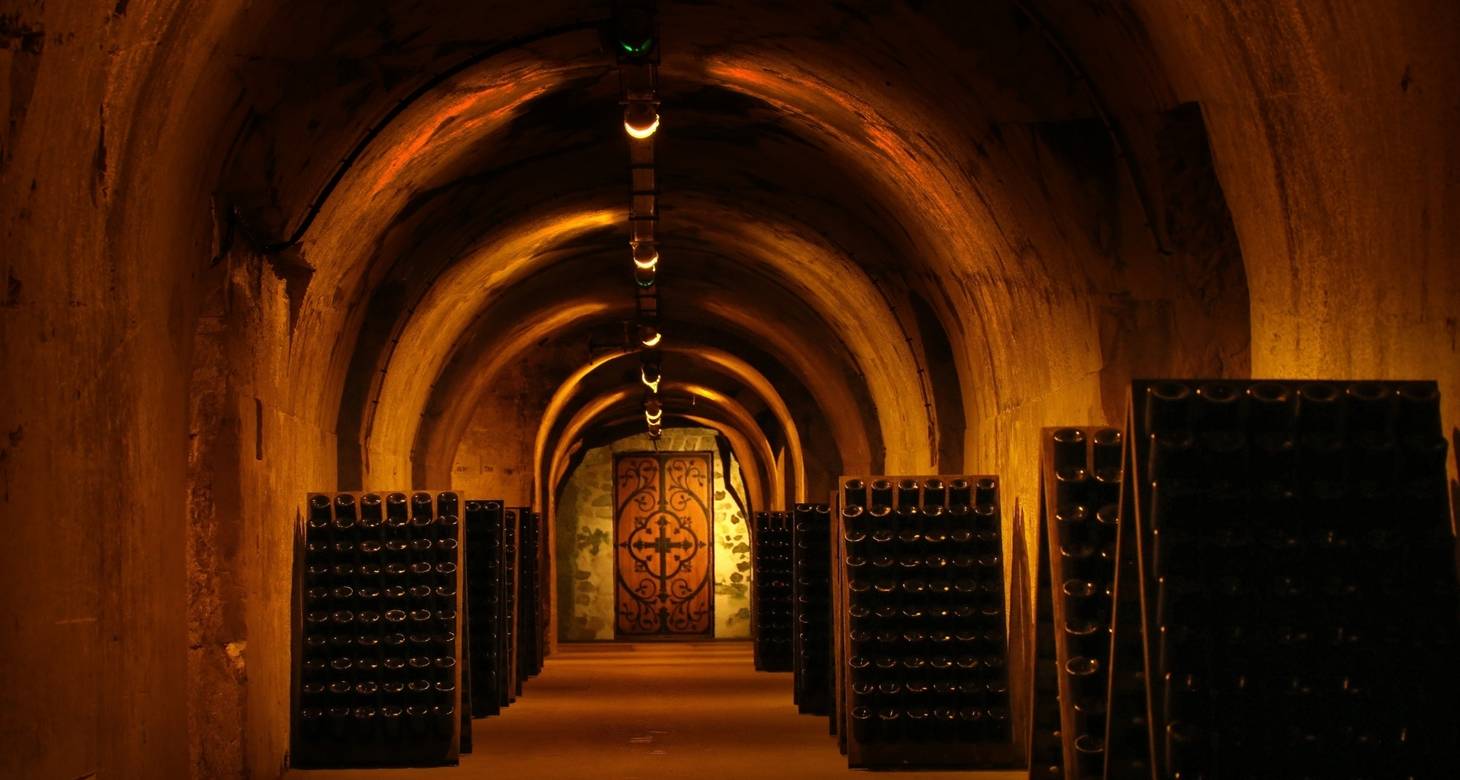
Visiting Champagne Taittinger feels like stepping into another century. You’ll descend 18 meters underground into ancient Roman chalk quarries and 13th-century abbey crypts that are now home to millions of champagne bottles. The atmosphere down there is something else: dimly lit stone corridors, cathedral-like vaults, and the kind of silence that makes you whisper without knowing why. Taittinger remains one of the last big family-run champagne houses, and they’re proud of it. The guides share stories about their traditional methods while you wander through galleries that date back thousands of years. The tasting at the end features their elegant champagnes, and after spending time in those ancient caves, every sip feels more special. This is what champagne tourism should be.
Champagne Ruinart
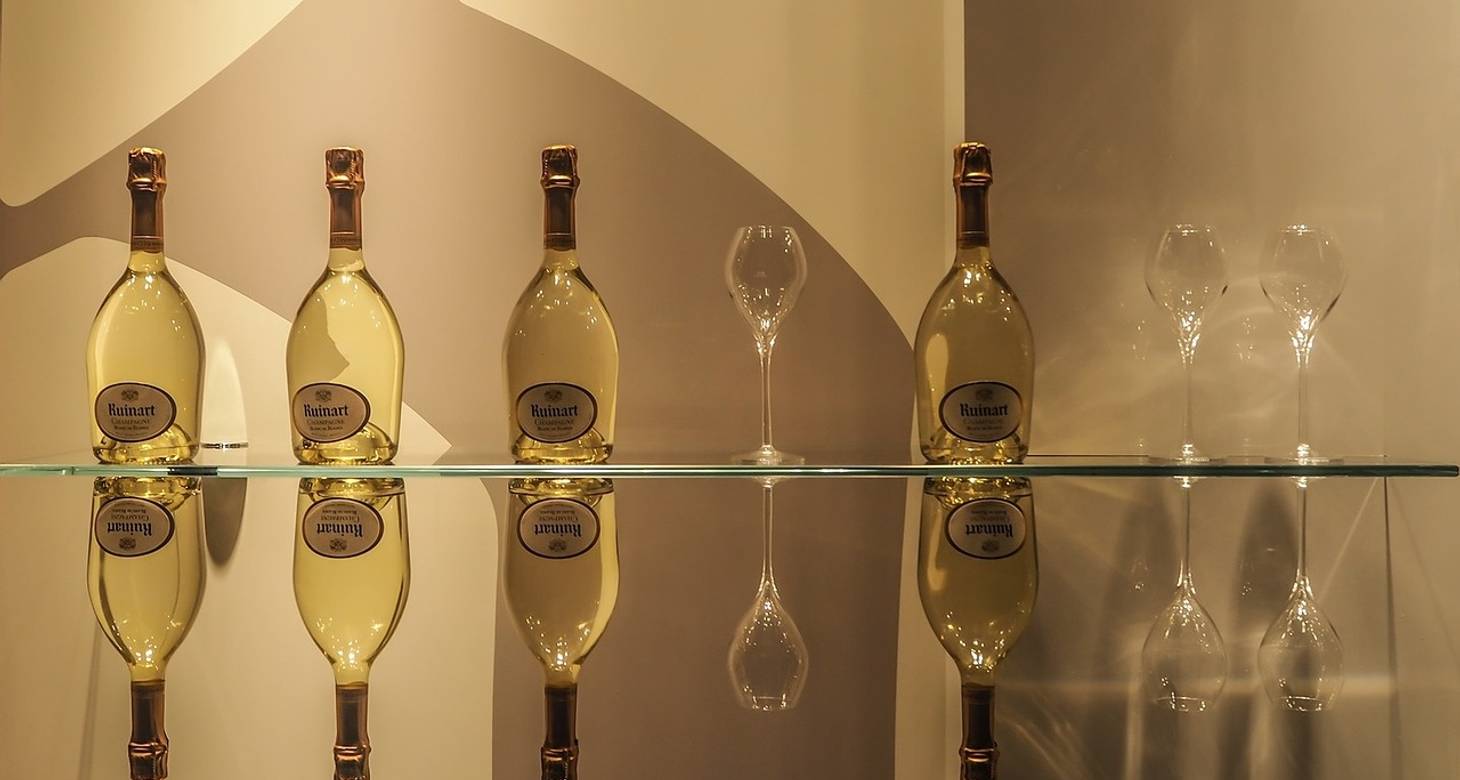
Founded in 1729, Champagne Ruinart has been perfecting champagne since before champagne was cool. Their Crayères are impressive, massive chalk cellars that plunge 38 meters underground, hand-carved centuries ago. Walking through these cathedral-sized caves feels almost surreal, with bottle after bottle aging quietly in the cool darkness. Ruinart is famous for their Blanc de Blancs, made exclusively from Chardonnay grapes, giving their champagne that crisp, elegant character. The tour guides really know their stuff, explaining nearly three centuries of champagne-making while you explore the UNESCO-listed cellars. When you finally taste their champagne after learning all that history, it just makes sense. This is the kind of visit that reminds you why Champagne became Champagne in the first place.
Champagne Vranken-Pommery
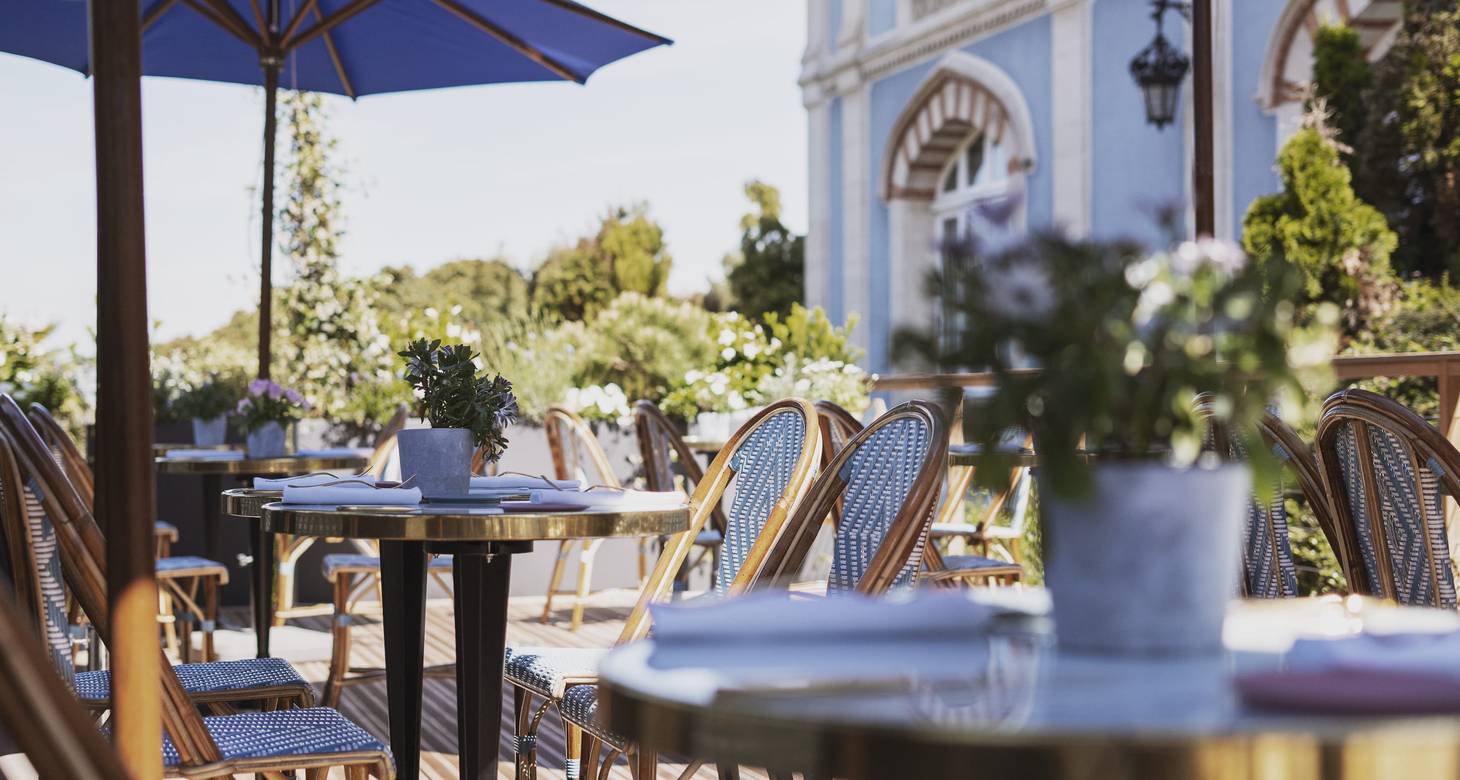
Champagne Vranken-Pommery did something different. They looked at their 30-meter-deep chalk cellars and thought, why not fill them with contemporary art? Now you’ll find yourself wandering through 18 kilometers of underground galleries where modern sculptures and installations sit alongside aging champagne bottles. It’s an unexpected combination that somehow works perfectly. Madame Pommery, who founded the house in 1858, was known for breaking conventions, and that spirit clearly lives on. Each year brings new art exhibitions, turning your champagne tour into a proper cultural experience. After exploring the underground gallery, you’ll taste their champagnes, including the Brut Royal. If standard cellar tours feel repetitive, Pommery offers something genuinely different.
Champagne Mailly Grand Cru
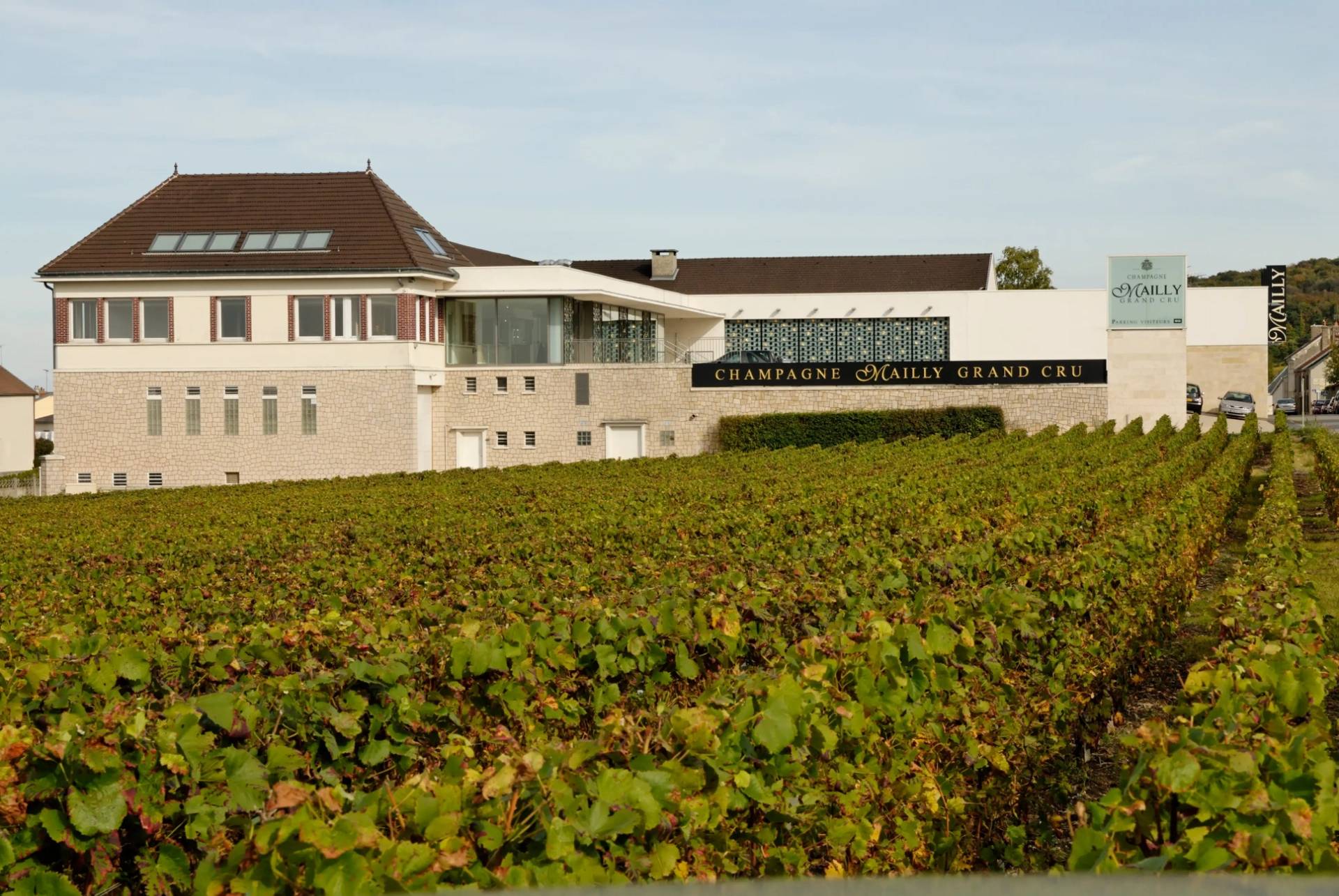
Continue your journey by driving a few more kilometers to Mailly Grand Cru estate, one of the major Champagne cooperatives. If you started with a house in Reims, you’ll begin to understand the difference between negociant, grower, and cooperative. Additionally, the estate is located in the heart of the Mailly vineyard, offering a breathtaking view of the vines.
Learn the art of tasting at Nicolas Feuillatte

Located in Chouilly, just north of Épernay, Champagne Nicolas Feuillatte offers one of the most immersive cellar experiences in the region. Their tour takes you behind the scenes through every step of champagne-making, from vinification tanks to the bottling line and even the label decoration process. The highlight? A workshop where you’ll learn how to properly taste champagne, picking up aromas and nuances you’ve probably been missing. It’s the kind of hands-on session that turns casual sippers into confident connoisseurs.
Admire the landscapes of the Montagne de Reims
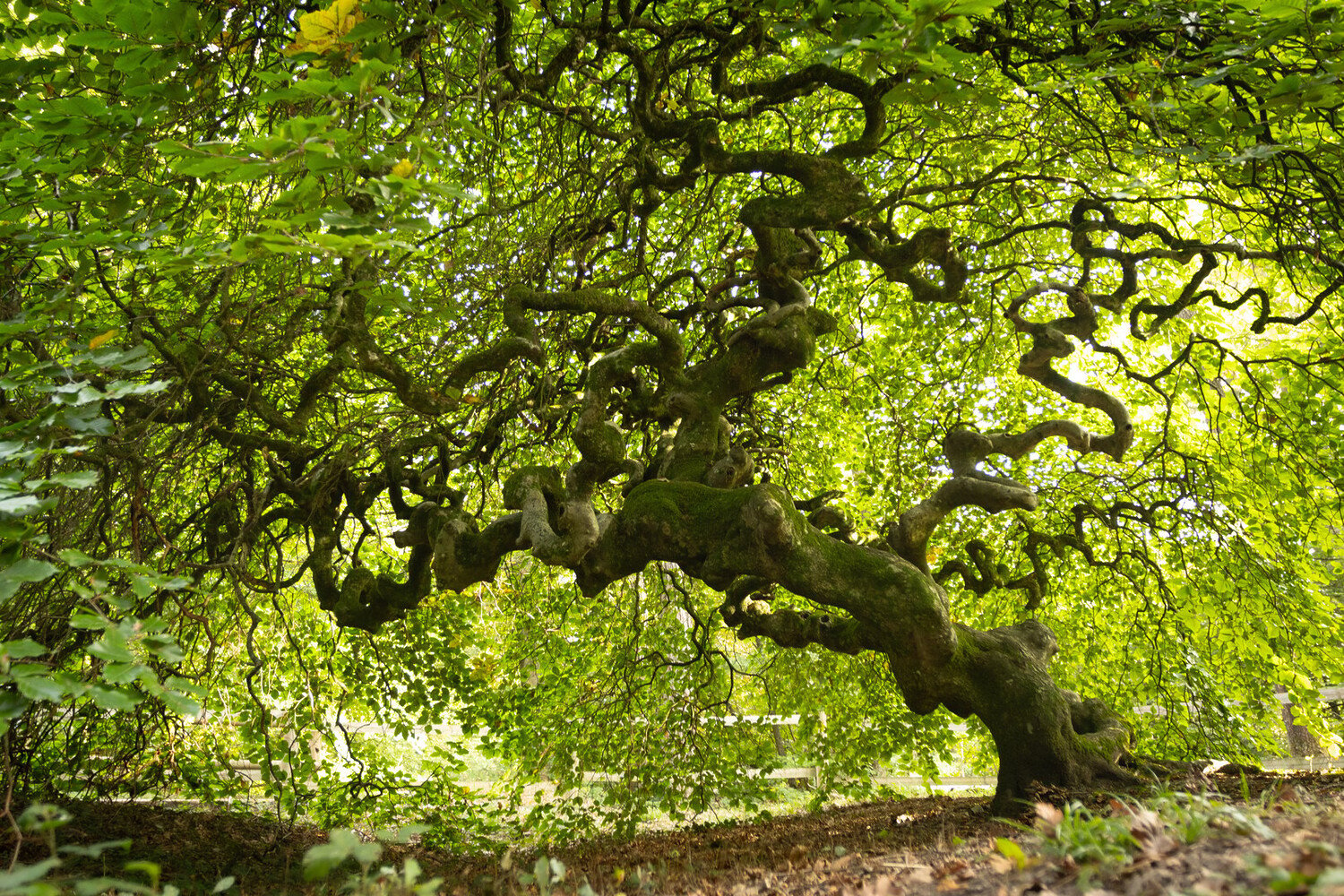
The vineyard slopes of Montagne de Reims offer some of the most stunning views in the region, rolling hills blanketed in vines with dense forests rising behind them. It’s the kind of landscape that makes you understand why UNESCO got involved. If you have time, don’t miss the village of Verzy and its bizarrely twisted beech trees called the “Faux de Verzy.” These contorted trees, protected as a biological reserve, look like something out of a fairy tale, gnarled branches spiraling in every direction. A short walk through this forest feels like stepping into another world, and it’s a refreshing break between champagne tastings. Worth the detour if you’ve got 30 minutes to spare.
The Champagne Route of the Vallée de la Marne
The Vallée de la Marne follows the winding Marne River from Épernay westward toward Paris, making it an ideal route if you’re traveling from the capital or western France. This valley is known for Pinot Meunier, the third champagne grape that adds fruitiness and approachability to many blends. Charming riverside villages like Hautvillers (home of Dom Pérignon’s abbey), Aÿ, and Mareuil-sur-Aÿ offer a more relaxed vibe than the grand houses of Épernay, with small grower-producers and scenic views over the vineyards. Consider making it your return route to explore more of Champagne without backtracking.
Discover the village of Aÿ-Champagne
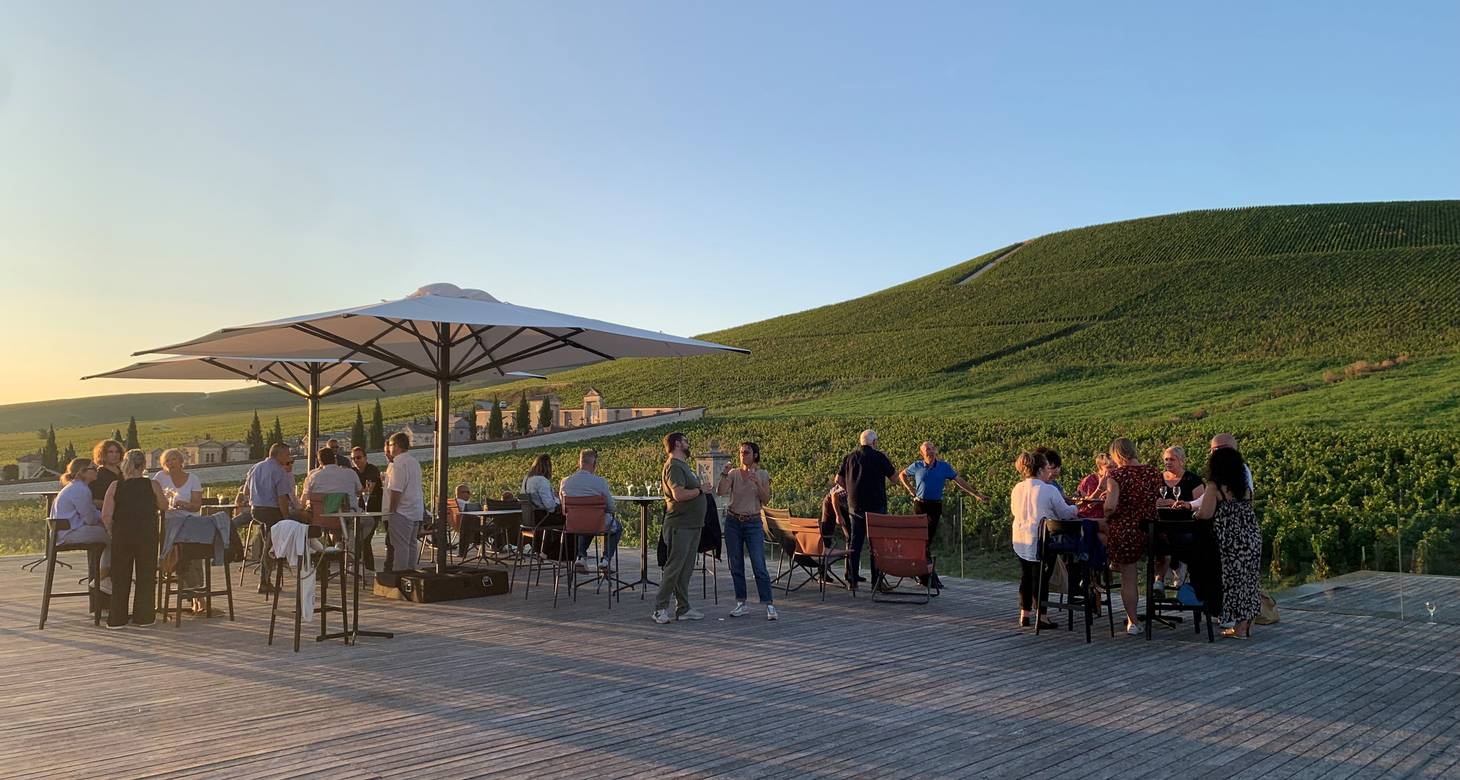
Aÿ-Champagne isn’t just another pretty village, it’s one of the most important addresses in the champagne world. This UNESCO-listed gem sits right in the heart of prime vineyard territory, home to prestigious houses like Bollinger and Ayala alongside passionate independent winemakers. The rolling landscape alone is worth the visit, but what makes Aÿ special is how much champagne history lives in these narrow streets.
Make time for Pressoria, a sensory museum that lets you experience champagne through all five senses. You’ll walk through geology, climate, harvest techniques, and the science of effervescence, basically everything that turns grapes into those perfect bubbles. The best part? The tour ends with tastings of two champagnes, so all that knowledge immediately makes sense in your glass. It’s the kind of place that turns casual drinkers into people who actually understand what they’re tasting.
Stroll along the Avenue de Champagne in Épernay
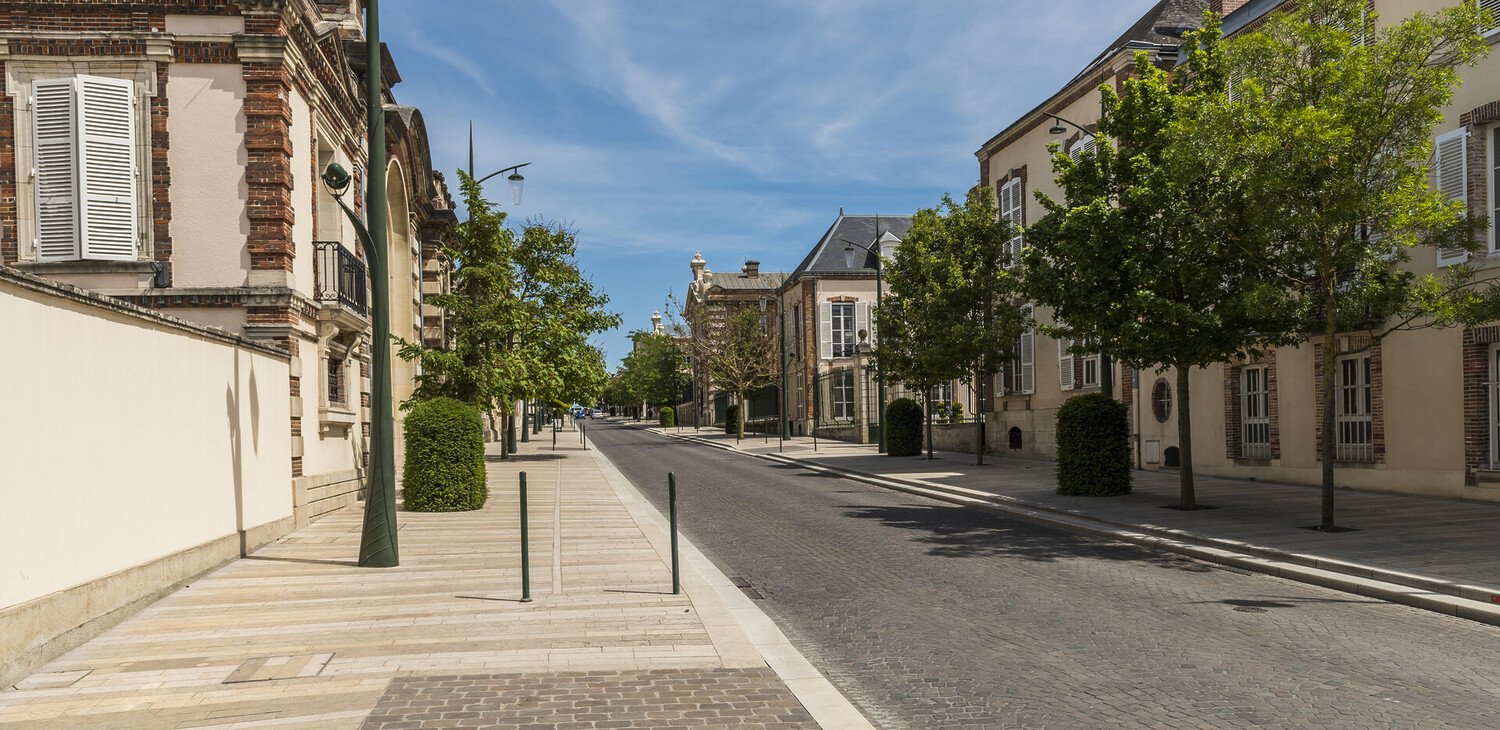
The famous Avenue de Champagne is exactly what it sounds like, a boulevard lined with grand châteaux belonging to houses like Moët & Chandon, Perrier-Jouët, and De Venoge. The real treasure sits below: miles of limestone cellars filled with aging bottles. Walking this street is one of the best things to do in Épernay, whether you’re touring the cellars or just admiring the architecture.
For more recommendations and hidden tasting rooms, check our full guide on the best things to do in Épernay. Ready to go underground? Book one of the many Épernay cellar tours.
Discover Hautvillers
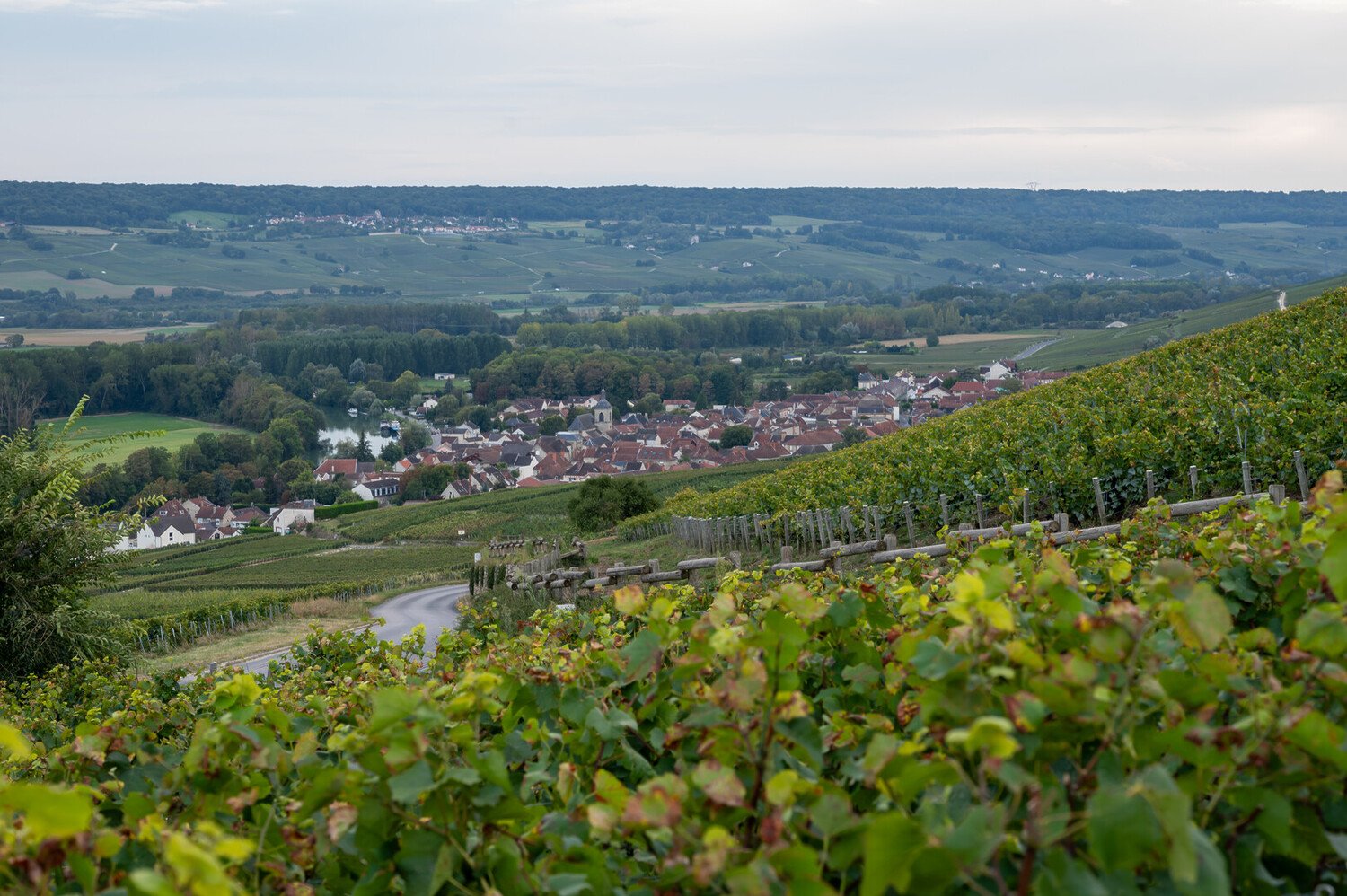
If you’re heading back toward Reims, make a quick detour to Hautvillers, the hilltop village where Dom Pérignon, the monk who perfected champagne, is buried in the Benedictine abbey. The village itself is postcard-perfect: narrow streets, wrought-iron signs, and stone houses that look especially charming in winter. But the real showstopper? The amphitheater-like viewpoint overlooking rolling vineyards as far as you can see. It’s the kind of spot where you’ll want to linger with a glass of something bubbly.
Take a break in Champillon
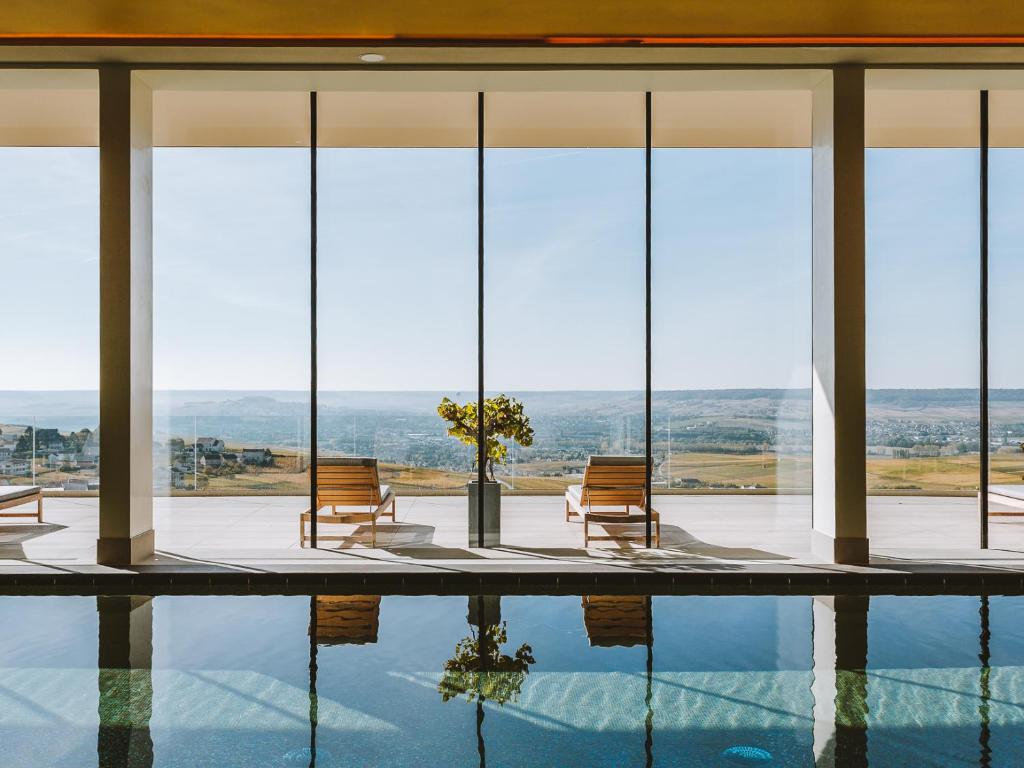
Short on time? Take the scenic route back through Champillon, a hilltop village offering sweeping panoramic views over the Champagne vineyards. It’s the kind of view that stops you in your tracks, especially during autumn when the vines turn gold and crimson. Pull over for a quick photo op or linger a bit longer at the Royal Champagne Hotel & Spa, where you can grab lunch at their bistro or splurge on their Michelin-starred restaurant overlooking the slopes. Even if you’re not staying overnight, the terrace alone is worth the detour.
Cross the Marne to Cumières
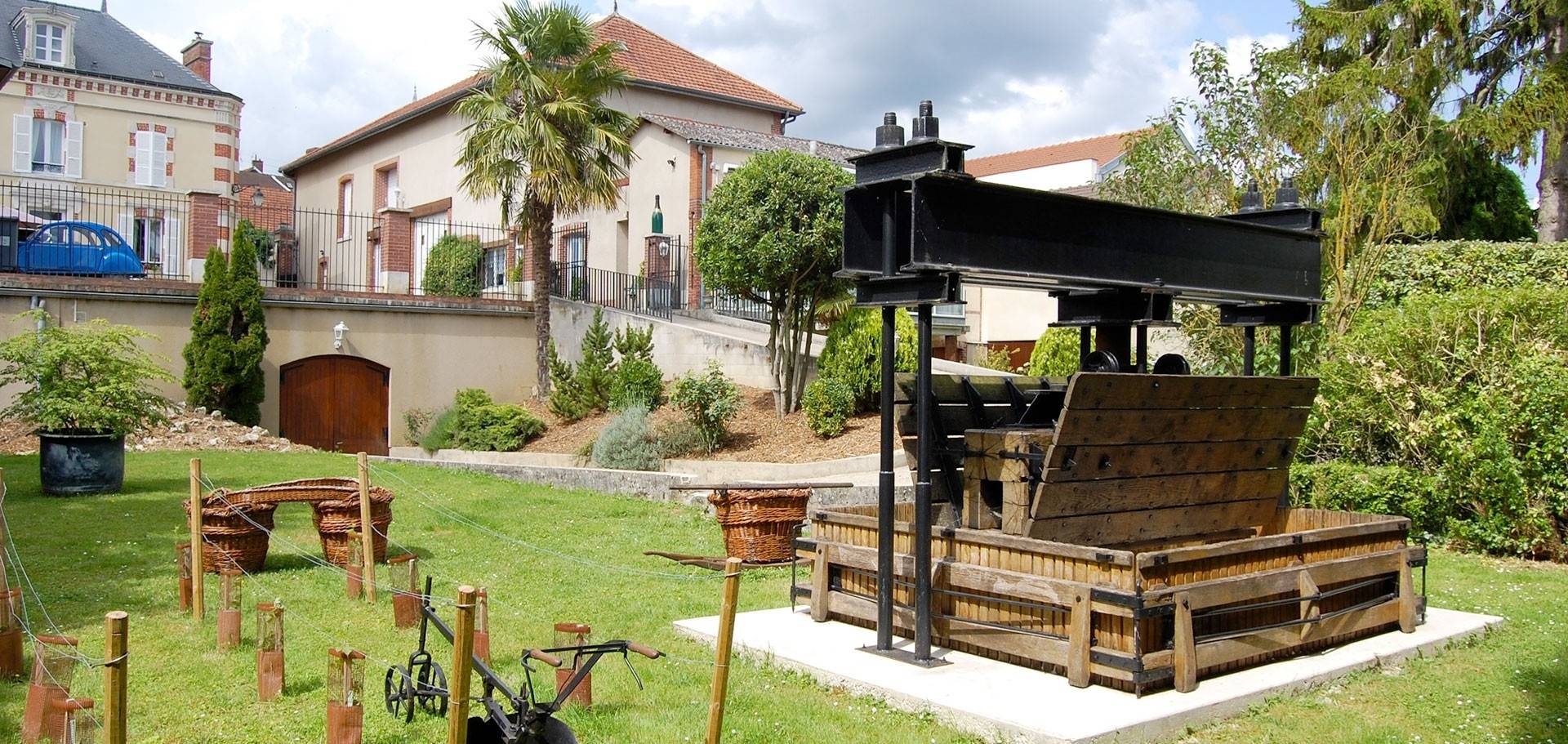
If you based yourself in Épernay and have already explored its grand champagne houses, venture just 5 minutes west to Cumières, a picturesque village hugging the Marne River. Here, Champagne Philippe Martin offers an intimate contrast to the big-name houses, a family-run estate where you can meet the winemaker, tour the cellars, and taste champagnes made entirely from their own vineyards. It’s a perfect example of the grower-producer (récoltant-manipulant) tradition that defines the Vallée de la Marne.
Learn to saber a champagne bottle (with a view)!
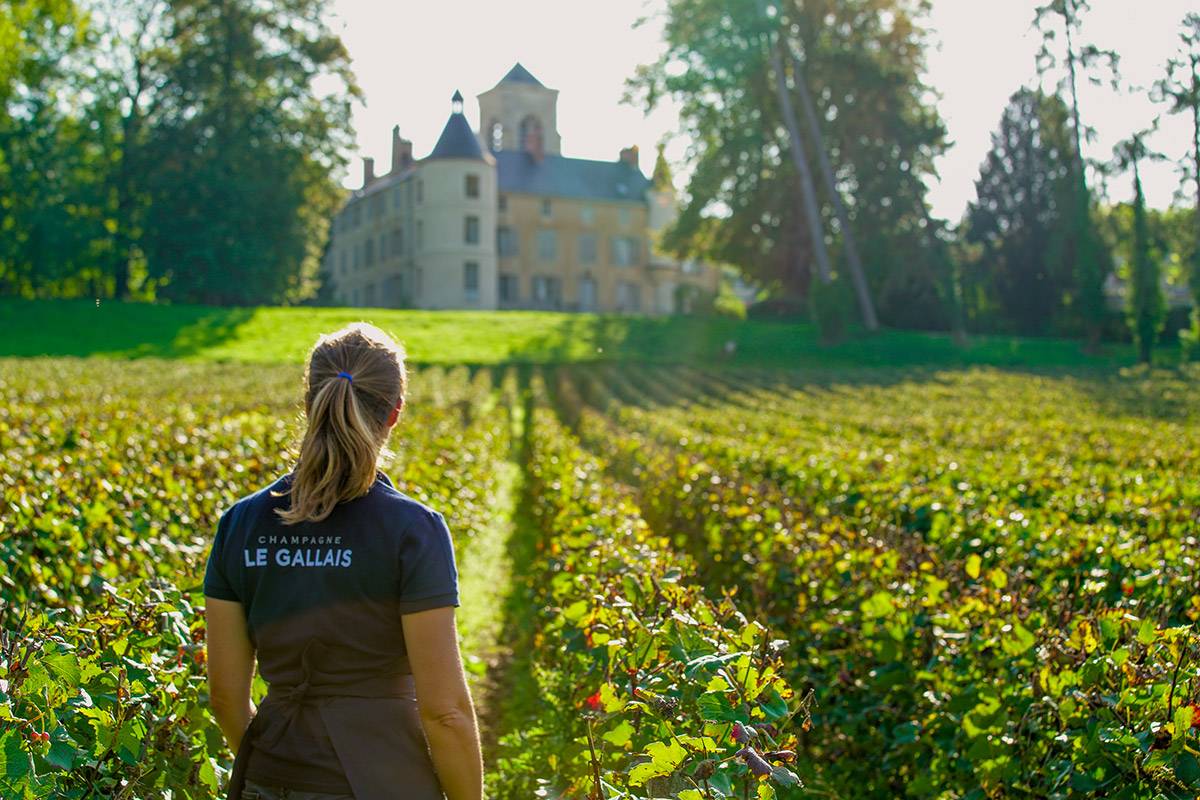
Continue to Champagne Le Gallais in Boursault, a picturesque village perched on the slopes above the Marne River. This family-run estate offers more than just cellar tours, you can learn the art of sabrage, the dramatic technique of opening champagne with a saber, perfected by Napoleon’s hussars. After successfully sabering your bottle (with expert guidance), you’ll toast overlooking the sweeping vineyard views and the Marne Valley below, a memorable way to experience champagne beyond the glass.
The Champagne Route of Côte des Blancs
Head south from Épernay along the Côte des Blancs Champagne Route, a scenic drive through villages famous for Chardonnay grapes and elegant blanc de blancs champagnes. This route takes you through charming towns like Avize, Cramant, and Le Mesnil-sur-Oger, where family-run cellars offer intimate tastings you won’t find on the busier Montagne de Reims route.
Visit the historical cellars in Pierry
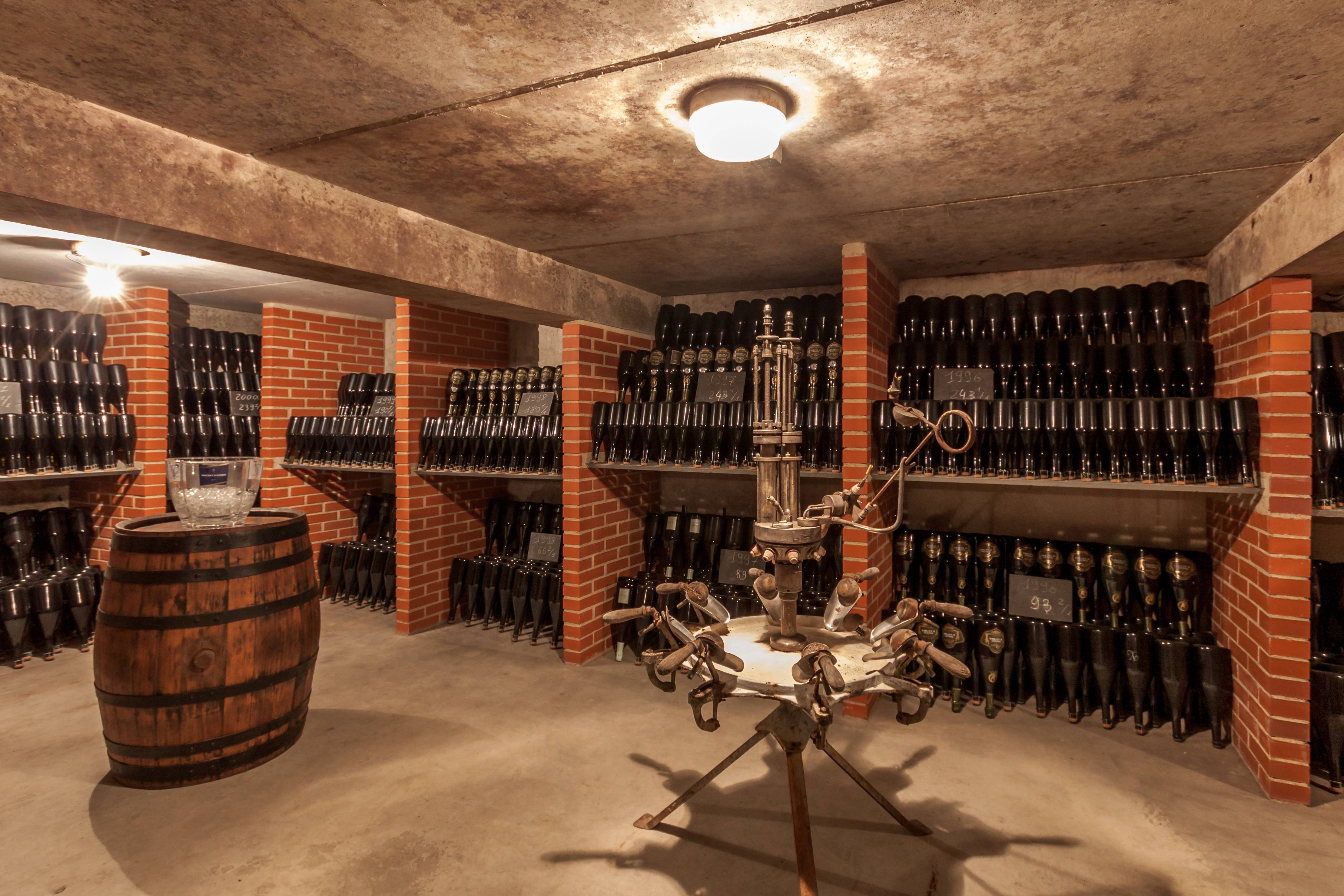
Just south of Épernay in the village of Pierry, Champagne Vincent d’Astrée has been making champagne since 1956, when a group of local winegrowers formed a cooperative to vinify their own grapes. It’s a classic story of independent producers taking control of their product rather than selling to the big houses. The visit takes you through their cellars and shows how a cooperative operates, something you won’t see at the grand maisons. It’s champagne made by the people who actually grow the grapes, and you can taste the difference.
Book a picnic among the vines
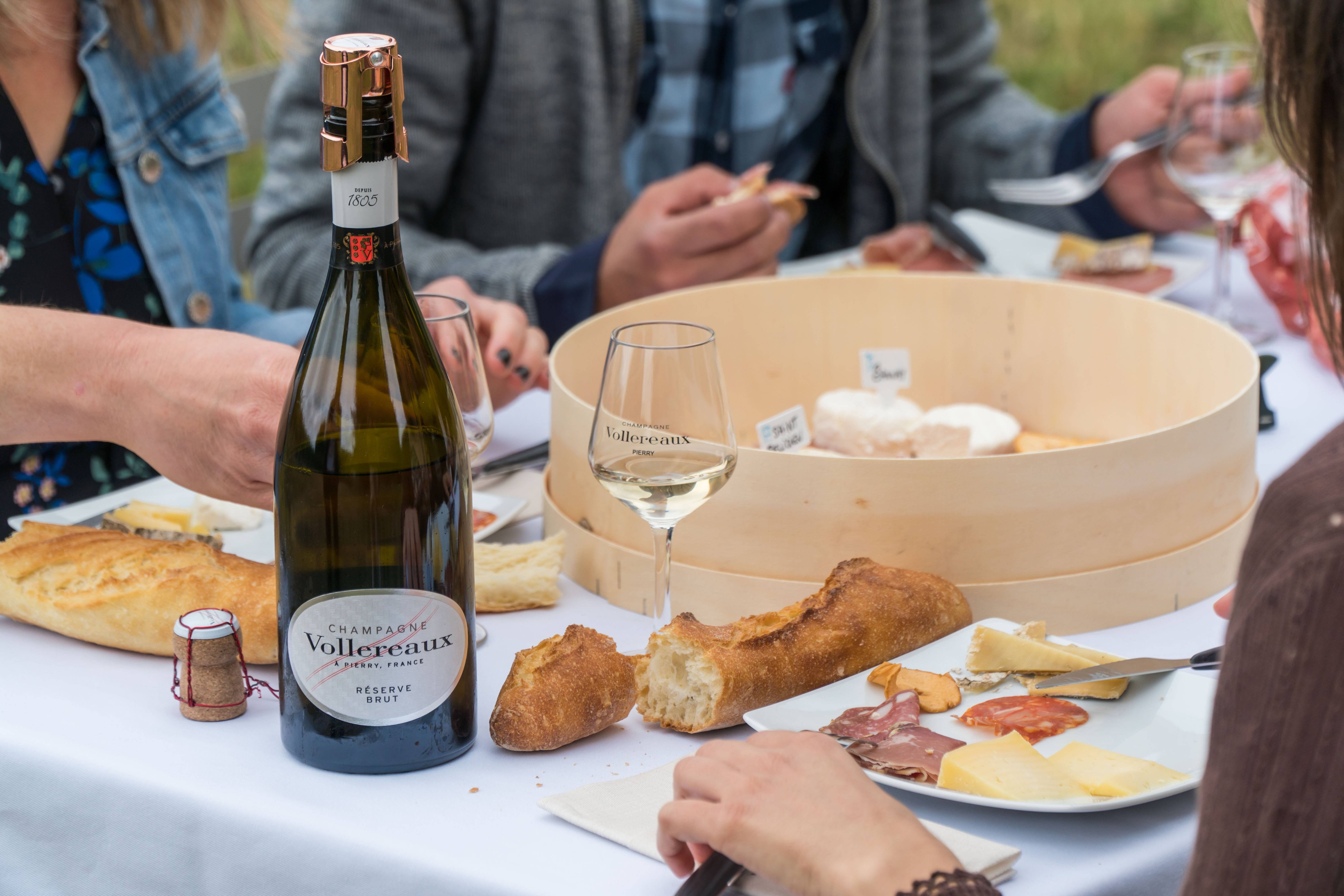
Many champagne houses in the Pierry area offer food pairings and vineyard experiences. Check ahead with estates like Maison Vollereaux or Champagne Cuillier to see what’s available during your visit, some offer picnics, lunches, or winemaker dinners depending on the season.
Stroll through Côte des Blancs and its iconic villages
The Côte des Blancs is Champagne’s Chardonnay heartland, where the chalky soils produce some of the region’s most elegant blanc de blancs champagnes. Villages like Vertus, Avize, and Oger are dotted with family-run estates and cooperatives where you can taste wines that showcase pure Chardonnay, minerally, precise, and built to age. It’s a quieter, more intimate side of Champagne country compared to the grand houses of Reims and Épernay.
The Champagne Route of Côte des Bar (Aube)
Located about 90 minutes south of Épernay (or 90 minutes east of Paris), the Côte des Bar in the Aube department feels like a different world, authentic, preserved, and blissfully uncrowded. Start your journey in Troyes, a stunning medieval city where half-timbered houses line cobblestone streets and Gothic churches tower over vibrant market squares. Take time to explore its historic center before heading into the vineyards, and if you’re visiting in December, don’t miss the magical Christmas markets.
Set out to discover the Côte des Bar, a hidden gem of Champagne that provides a unique experience at the heart of a terroir rich in history and winemaking expertise. Its rolling landscapes, dotted with charming villages and sprawling vineyards, make it an ideal destination for nature lovers and those seeking authentic champagne experiences. Following the Champagne Route of Côte des Bar, you’ll have the opportunity to visit family-run estates, taste exceptional champagnes, and immerse yourself in the intimacy of Champagne traditions. Be prepared for a complete immersion into authentic Champagne, away from the bustle of the grandes maisons.
Begin your journey in Troyes
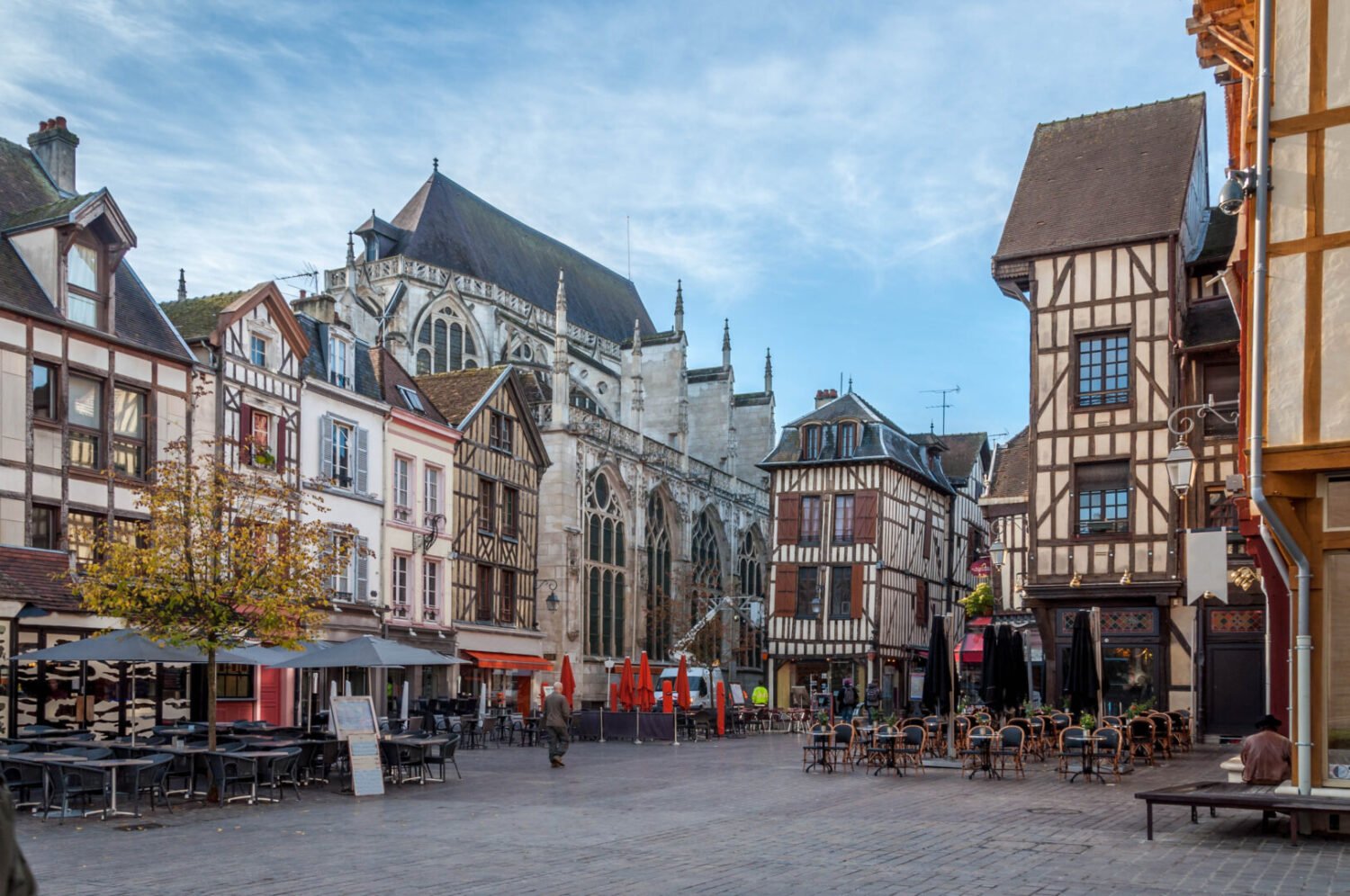
Start exploring the Côte des Bar from Troyes, capital of the Aube department and a true architectural treasure. With its medieval center, whose outline is said to resemble a champagne cork, cobbled streets, and colorful half-timbered houses, Troyes immerses you in an atmosphere from another time. Enjoy visiting the Saint-Pierre-et-Saint-Paul Cathedral, a Gothic masterpiece, and wander through its charming artisan shops. Before setting off on the Champagne route, be sure to savor a local specialty at one of the city’s many gourmet restaurants.
Troyes is the perfect starting point for combining heritage, culture, and sensory pleasures before venturing into the vineyards of Côte des Bar. Discover the best things to do in Troyes to complete your day!
Explore the Villages of Côte des Bar
Visiting villages like Bar-sur-Aube, Essoyes, and Urville (in the Aube), you’ll discover unique landscapes where carved slopes house some of the most picturesque vineyards in the region.
Explore the Abbaye de Clairvaux
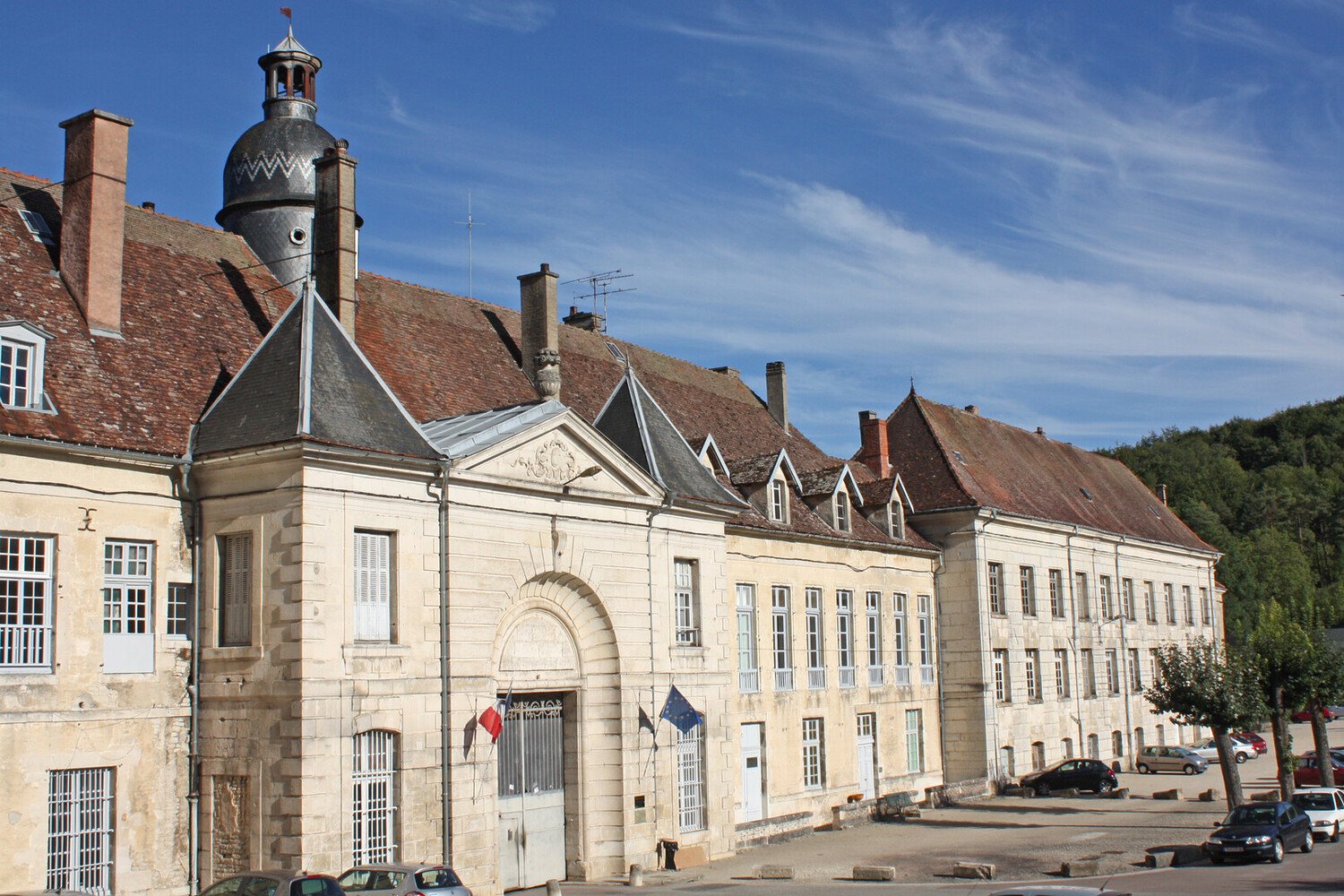
If you’re a history buff, don’t miss the Hostellerie des Dames in Ville-sous-la-Ferté, a former abbey near Bar-sur-Seine. This fascinating historical site, nestled among the vineyards of Côte des Bar, offers a glimpse into the region’s monastic heritage and the centuries-old connection between religious communities and winemaking traditions in Champagne.
Visit the Maison Devaux
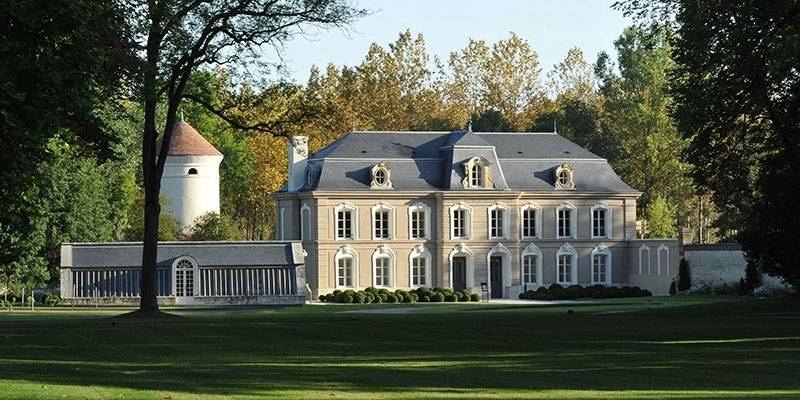
Champagne Devaux occupies a historic manor set within a picturesque riverside park near Bar-sur-Seine. The estate features a remarkable historic dovecote that adds architectural charm to the site. Tours allow you to discover both the general champagne-making process and the specifics of Devaux Champagnes, culminating in a tasting of the house’s cuvées.
Fly over the vines with a Winemaker
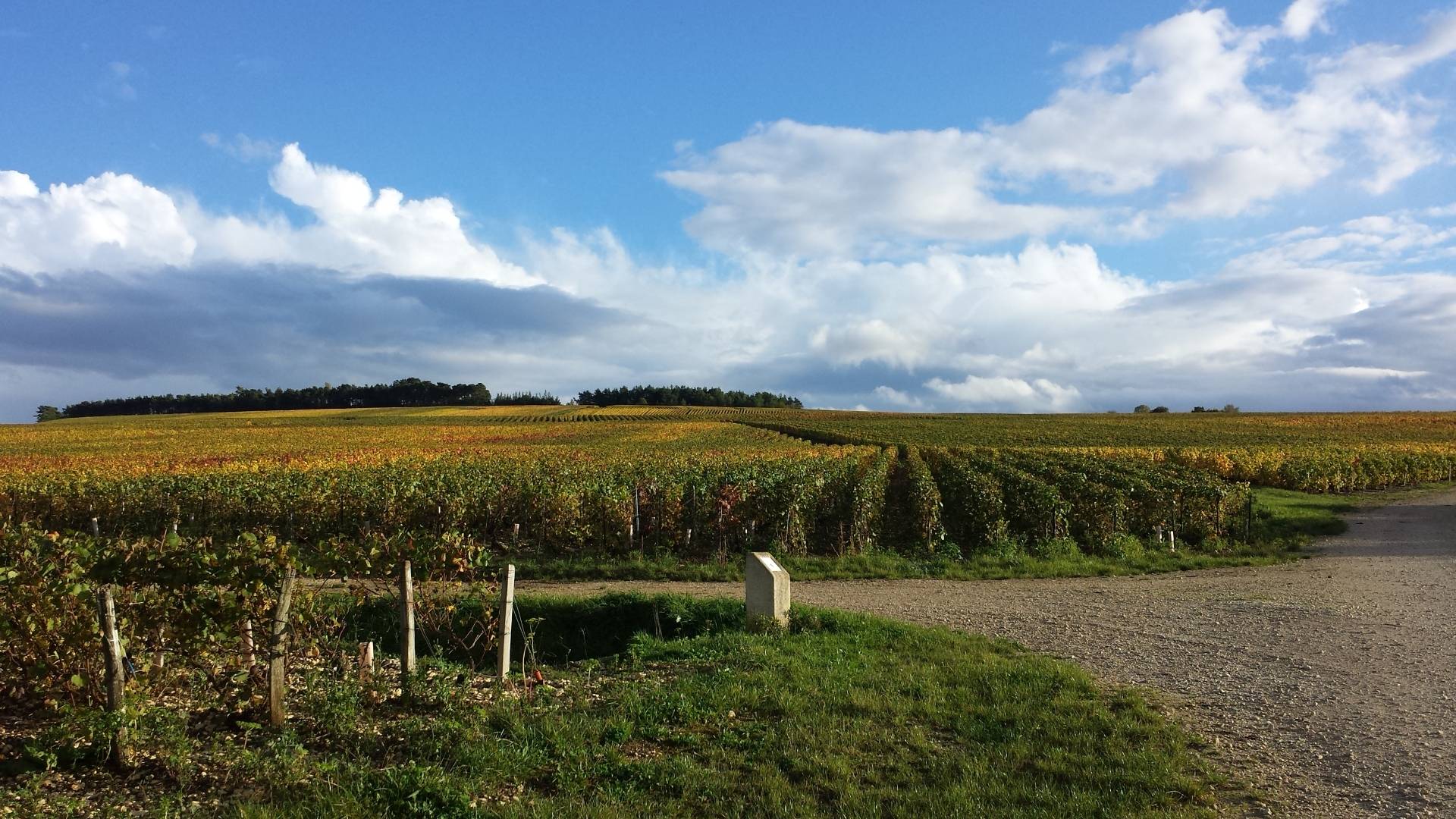
Champagne Lionel Carreau is an authentic family estate in the Côte des Bar, with winemaking heritage passed down through generations since the 16th century. Today, Lionel and his daughter Oriane work their vineyards with a commitment to sustainable, responsible viticulture. The estate offers both classic cuvées that express the distinctive terroir of southern Champagne and signature cuvées where Oriane and Lionel’s winemaking artistry truly shines. This is a family operation where tradition meets modern, nature-respecting practices, perfect for travelers seeking authentic, small-producer champagne experiences.
Unique escape game in Champagne
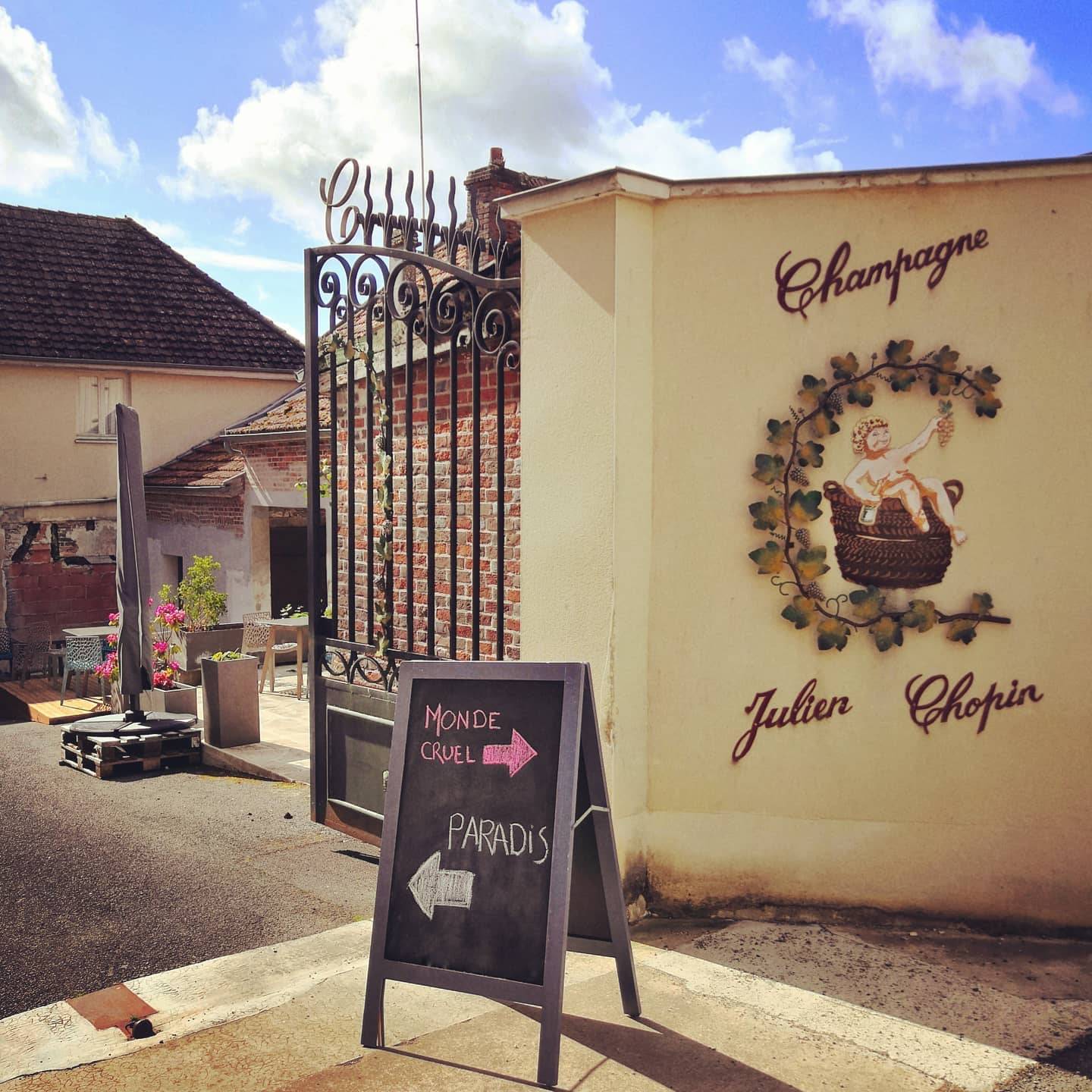
Looking for something beyond traditional tastings? Champagne Julien Chopin in Cramant offers an escape game created by the owner himself. Your mission is to retrieve the lost recipe of the house’s signature cuvée. It’s part puzzle-solving, part champagne education, and unique in the region. Book ahead, especially if you’re visiting with a group or family looking for an interactive way to learn about champagne-making.
Taste the cuvées of a family house in the Aube
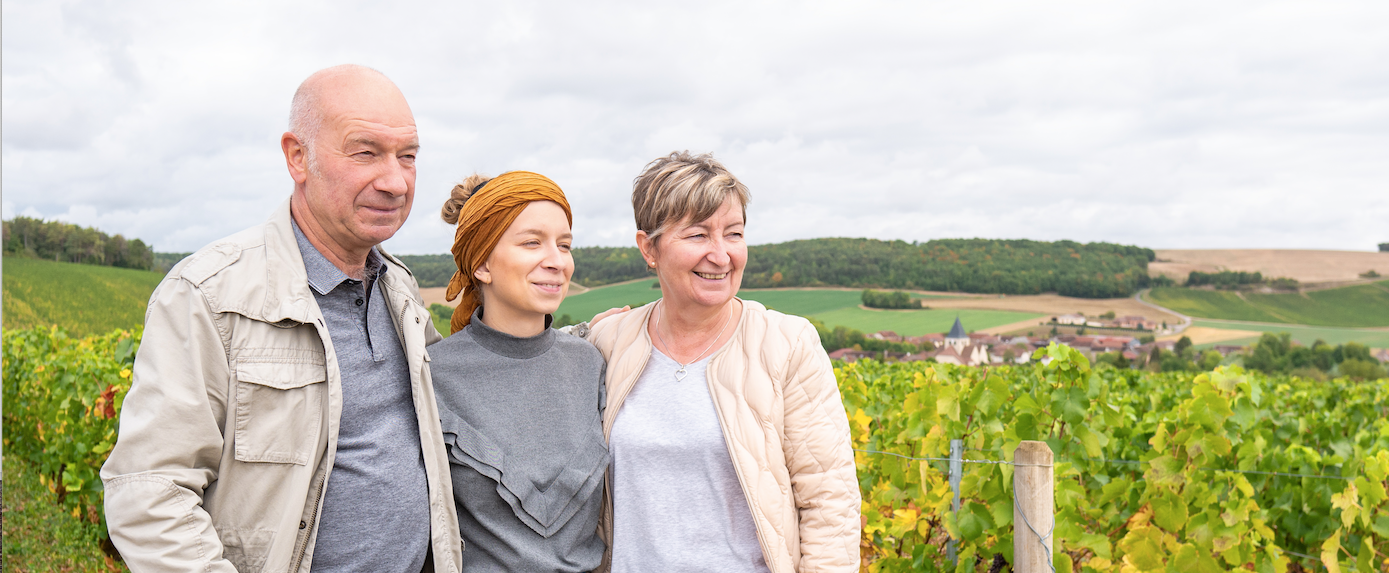
Champagne Marc Hennequiere sits at the heart of the Sarce Valley, where the estate has built its reputation on crafting distinctive, terroir-driven champagnes from plots exclusively located in Avirey-Lingey. Marc, passionate about viticulture from a young age, established his vineyard in 1980. Later joined by his wife Marie-Nelly, they developed their champagne-making together, focusing on exclusive, refined cuvées that express the unique character of their single-village terroir. This is a small, family-run estate where every bottle reflects personal commitment and a deep understanding of their land—perfect for travelers seeking authentic, artisan champagne beyond the famous labels.
Good to Know for the Champagne Route
When is the best time to travel the Champagne Route?
The best time to explore the Champagne Route is between May and October. During these months, the vineyards are vibrant in color, and sunny days encourage leisurely walks. If you want to experience the hustle and bustle of the harvest, plan your visit in September. Note that some Champagne houses close to the public during winter.
Where does the Champagne Route start?
The Champagne Route doesn’t have a specific starting point, as it traverses multiple charming villages and towns in the Champagne region. However, a good start would be Reims or Épernay, two iconic cities that host several prestigious houses and offer easy vineyard access.
Which Champagne house should I visit in Épernay?
Épernay, often called the “capital of Champagne,” hosts iconic houses along the Avenue de Champagne. Among the must-sees are Moët & Chandon, with its impressive cellars, and Champagne De Venoge, offering a more intimate experience. These houses provide guided tours, tastings, and insights into their historical heritage
Which departments make up the Champagne appellation?
The Champagne appellation spans several departments: Marne, Aube, Aisne, with a few parcels in Haute-Marne and Seine-et-Marne. Each department offers varied landscapes and a variety of grape types that enhance the richness of the Route du Champagne experience.
What to discover in the Côte des Blancs?
The Côte des Blancs, located south of Épernay, is famous for its beautiful vineyards almost exclusively planted with Chardonnay. Villages like Avize, Le Mesnil-sur-Oger, and Vertus are must-visit locations. You can visit producers such as Salon or Pierre Moncuit, who craft exceptionally refined Champagnes.
Which is the best Champagne house to visit in Reims?
In Reims, several grand Champagne houses open their doors to visitors. Veuve Clicquot is particularly noted for its underground chalk tunnels, a UNESCO World Heritage site. You might also visit Ruinart, the oldest house, known for its heritage and premium Champagnes.
Where are the best hotels along the Champagne Route?
Here are a few accommodation suggestions to enrich your experience:
Royal Champagne Hotel & Spa (in Champillon): A luxury hotel with panoramic vineyard views and an exceptional spa.
Best Western Hotel Centre (in Reims) : Located on the Place Drouet d’Erlon in the center of Reims, Hotel Center Reims sits opposite the train station.
La Villa Eugene (in Épernay): A charming historic villa with top-notch service.
Where are the best restaurants along the Champagne Route?
To savor the gastronomy of Champagne, here are some must-visit addresses:
Les Crayères (in Reims): A Michelin-starred gastronomic experience blending creativity and tradition.
La Grillade Gourmande (in Épernay): A friendly restaurant famous for its generous dishes and fresh produce.
L’OBEN restaurant (in Épernay) Elegant and refined, L’OBEN offers a creative take on French cuisine with beautifully presented dishes. It’s perfect for a memorable dinner after a day of tastings along the Avenue de Champagne
Which country is the birthplace of Champagne?
Champagne is a French pride, originally developed in the namesake region in northeastern France. While other countries produce sparkling wines, only the wine made to specific rules in the Champagne region can bear the name “Champagne.”

Victoria explores Europe's wine regions to share the finest wine tourism experiences with our travelers. Here she shares her favorite discoveries, tips, and encounters with the winemakers behind every bottle.


