

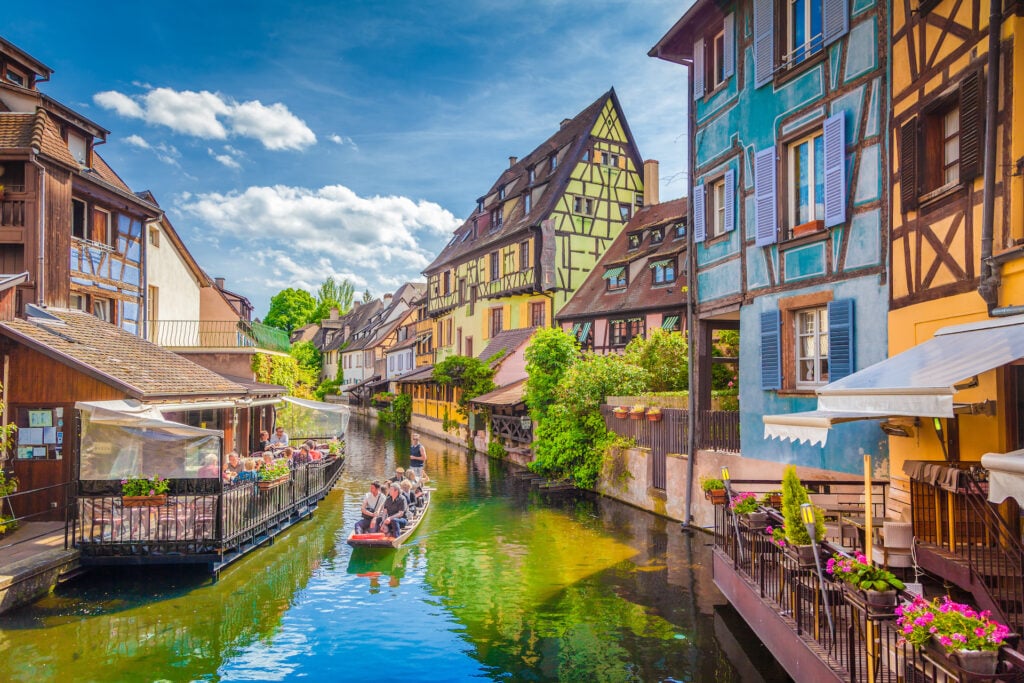

Renowned for its gastronomy, landscapes, and distinctive architecture, spending a weekend in Alsace is always a great choice. Whether it’s a romantic weekend in Alsace or a trip with friends or family, you’ll enjoy this destination. From world-class Alsace wineries producing exceptional Riesling and Gewürztraminer to enchanting half-timbered villages, the region offers unforgettable experiences. However, remember that the festive season can be rather busy, so it’s best to plan and book your weekend and activities in advance. In spring, the region is quieter and is ideal for exploring by car or even bike! Discover our itinerary to visit Alsace by passing through Strasbourg and Colmar. These two human-scale cities can each be visited in a day without rushing. Perfect for a weekend city trip!
How to organize your Alsace itinerary?
Plan in advance
Book tastings and accommodations early, especially during the Alsace Christmas Market periods and high season, because Alsace wineries fill up fast, whether you’re arriving by train from Paris to Strasbourg or driving on a trip through Alsace. Plan to secure visits to the region’s finest Riesling and Gewürztraminer producers and map them in your travel guide so you can easily connect wine tastings with a stroll around Petite Venise, a visit to Strasbourg Cathedral, the short Strasbourg to Colmar hop, or a scenic trip to the Black Forest across the Rhine River. Pick a charming village base with easy access to the nearest train station (use the Paris to Strasbourg route if that’s your entry point), relax afterwards on a sunny terrace or in a cosy winstub, and ask hotels like Chambard to arrange tastings and transfers for a seamless trip to Alsace.
Choose the best places to eat
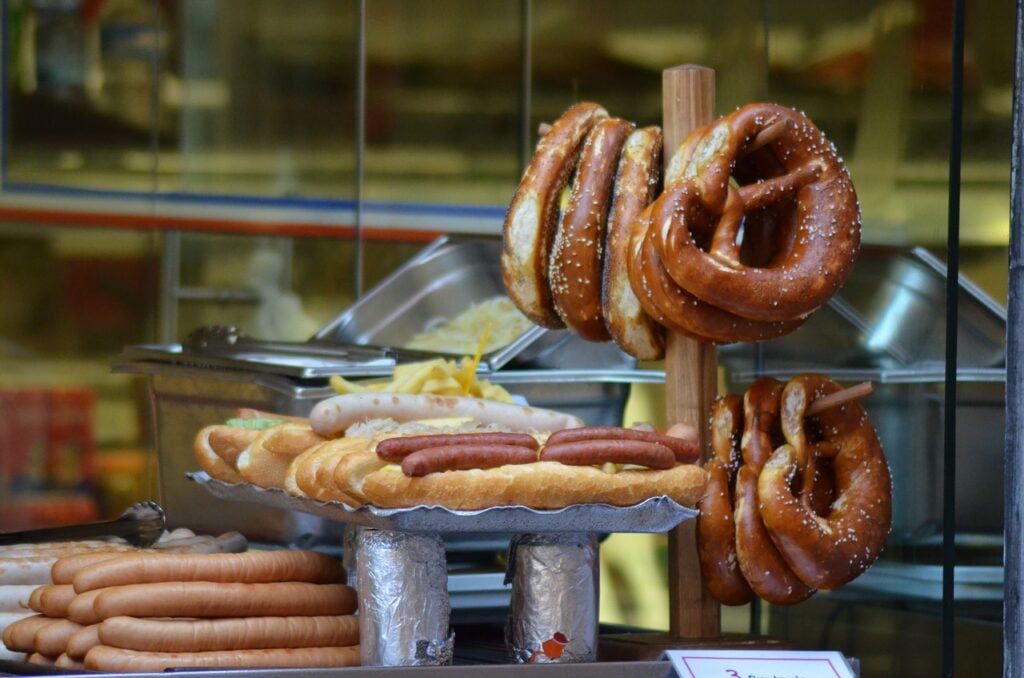
For lunch or dinner, drop into a winstub, a cozy Alsatian wine tavern, to sample local culinary classics like choucroute garnie (sauerkraut with sausages and salted meats) or tarte flambée (flammekueche), thin-crusted and baked until crisp. Order these with a local white, a chilled Riesling or Pinot Gris, or try a fruity Pinot Noir; the warm, wood‑panelled atmosphere and friendly service make winstubs perfect for relaxed, authentic meals after a morning of tastings. Ask the host for house recommendations and seasonal specials to get the most authentic experience.
Organize your visits
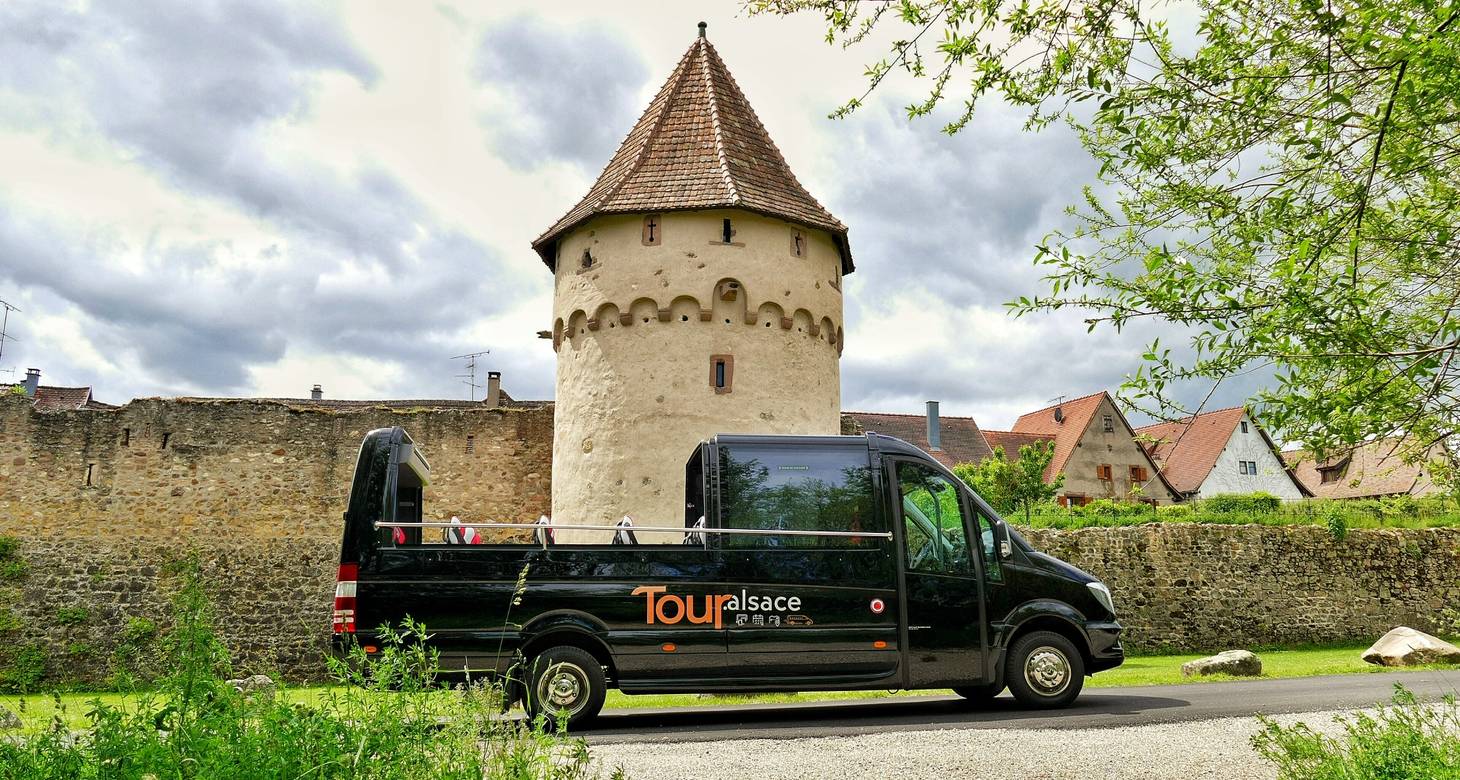
The Alsatian villages are quite far from the main cities and aren’t always directly accessible by train. If you want to explore the region’s natural side, rent a car and follow our Alsace wine route itinerary for 3 days so you can spend more time on the vineyard roads, stop in hilltop villages, and visit family-run domaines.
What’s the best Alsace itinerary?
Tour Strasbourg
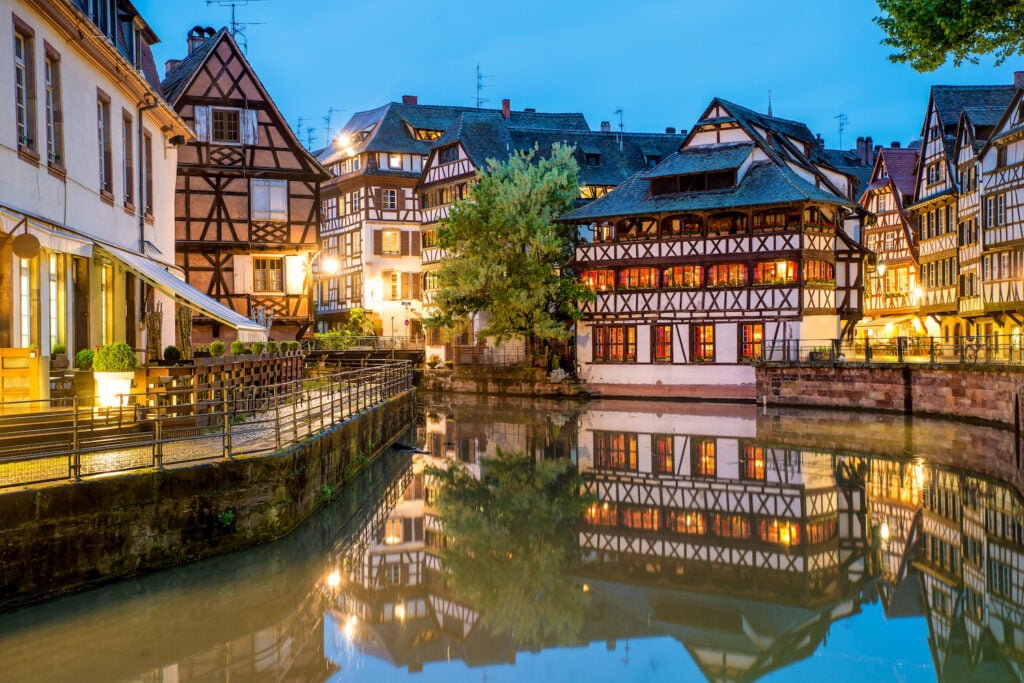
Start your trip to France by heading to the city of Strasbourg, a charming first stop. Accessible via the A4 towards Strasbourg or by train from Paris (Gare de l’Est), reaching central Strasbourg takes less than 2 hours. We do recommend renting a car to help you explore the vineyards and numerous villages between Strasbourg and Colmar. Compare car rental deals.
Whether you arrive in the evening or morning, start exploring the city center, beautifully decorated during the festive season in the Alsace region. Strasbourg is easily visited in a day. The tram runs all day and connects the different districts where the main points of interest are located. If you’re spending a day in Strasbourg, here are the must-sees we recommend:
- The cathedral and its tower offer a panoramic view of the entire city
- The Petite France district
- The Palais Rohan
- The Neustadt district
- The Strasbourg Hospices cellar
- the European district
For a unique view of the city, head to the quays of the River Ill for a boat trip. Several tour routes depart from piers in different districts of Strasbourg. Discover our best things to do in Strasbourg to help plan your itinerary in the heart of the city.
Where to eat in Strasbourg?
Strasbourg, with its rich cultural and gastronomic heritage, is famous for its winstubs, traditional Alsatian bistros that offer a warm, welcoming atmosphere. These establishments are known for serving regional dishes accompanied by local wines. Here is a selection of the best winstubs in Strasbourg, chosen for their authenticity and quality: Winstubs serve hearty, homemade Alsatian dishes, with sauerkraut and baeckeoffe among the favorites.
- Winstub Meiselocker — This winstub offers a typically Alsatian ambiance and is known for regional specialties such as foie gras and escargots. Its selection of Alsace wines is also remarkable.
- Winstub Brenner — Located near the cathedral, Winstub Brenner is famous for its charming setting and generous portions. Their onion tart and coq au Riesling are must-tries.
- Au Pont Corbeau — A traditional bistro beloved by locals and visitors, Au Pont Corbeau serves rustic Alsatian cuisine and offers an excellent selection of regional wines.
- Winstub Chez Yvonne — This historic winstub, once frequented by personalities such as Jacques Chirac, is praised for its authentic atmosphere and classic dishes. Their game specialties and sauerkraut are highly recommended.
- Le Clou — A cosy, traditional establishment, Le Clou is known for delicious Alsatian cooking and an impressive wine list.
- Zum Spätzle — Blending tradition with a modern touch, Zum Spätzle offers a contemporary take on Alsatian cuisine while keeping the winstub spirit alive.
Where to stay in Strasbourg?
Strasbourg offers a variety of cozy and welcoming hotels, perfect for a romantic or memorable stay. Here is our selection of the city’s coziest hotels:
- Hôtel Cour du Corbeau Strasbourg – MGallery: Located in a beautiful 16th-century building, this hotel offers a historical experience with modern comfort. The elegant rooms and attentive service make it a top choice for a luxurious stay.
- Hôtel & Spa Le Bouclier d’Or: This boutique hotel, located in the picturesque Petite France district, combines historical charm with modern amenities, including a spa. The ambiance is both elegant and welcoming.
- Hôtel Régent Petite France & Spa: Located on the banks of the Ill, this hotel offers spectacular views of Petite France. The rooms are modern and comfortable, and the hotel has a spa for complete relaxation.
- Hôtel Les Haras: Housed in a former national stud farm, this hotel combines history with contemporary design. The atmosphere is unique and warm, with an excellent on-site restaurant.
- Hôtel Gutenberg: Ideally located near the cathedral, Hôtel Gutenberg offers a warm welcome and comfortable rooms with modern, sleek decor.
These hotels not only offer exceptional comfort but also an authentic experience of Alsatian hospitality. Whether you are looking for a historical setting, modern design, or intimate atmosphere, Strasbourg has a warm hotel to meet your needs.
What are the best Champagne houses in Strasbourg?
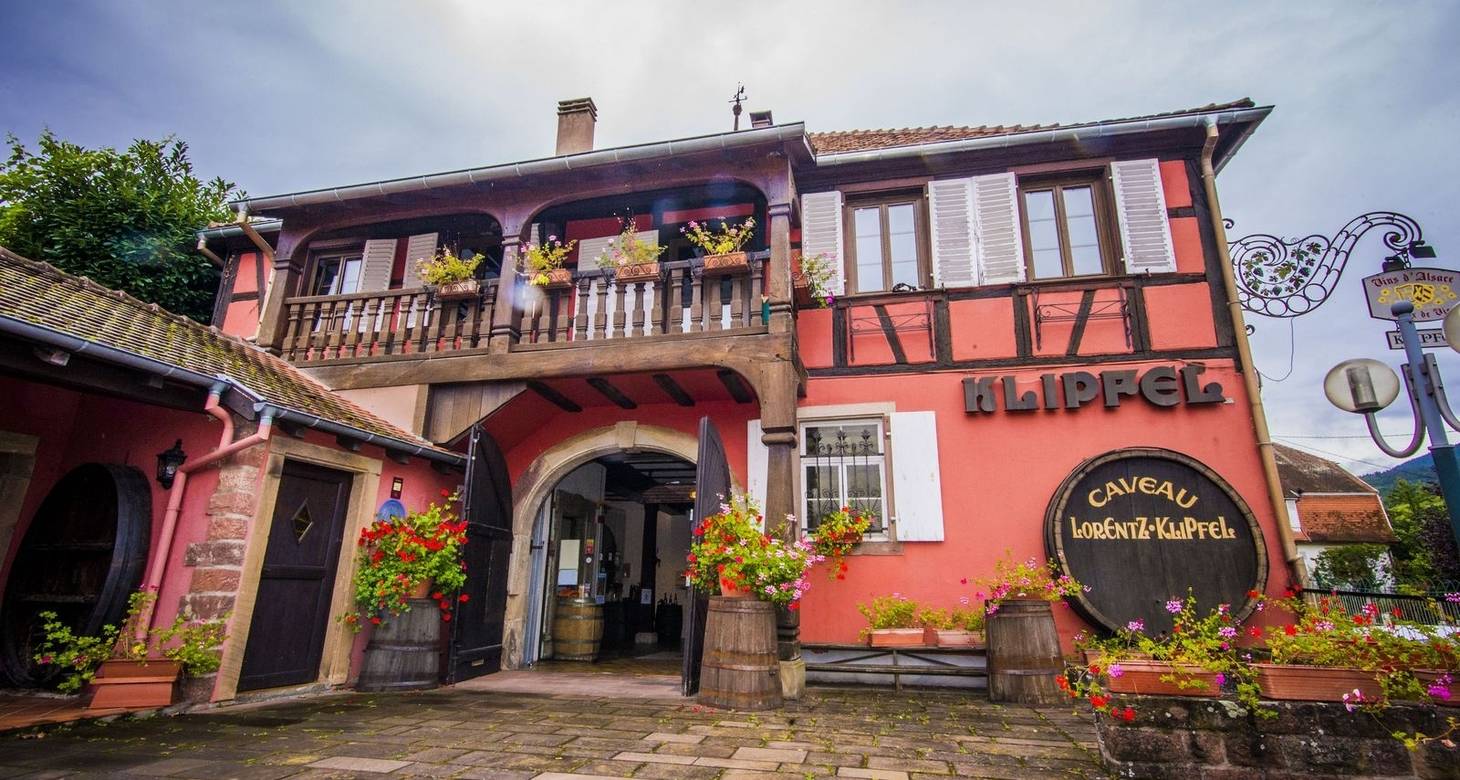
Strasbourg offers excellent opportunities to discover exceptional champagnes in elegant, welcoming settings. Between refined wine bars, specialist cellars and discreet addresses, the city lets you taste a wide range of cuvées, from iconic houses to lesser‑known producers. Passionate wine merchants and local sommeliers take the time to share recommendations, making every tasting both accessible and enriching. Throughout the year, wine events and tasting evenings enliven Strasbourg’s scene, making the city an ideal place to enjoy champagne in a warm, gourmet atmosphere.
Discover Colmar and its surroundings
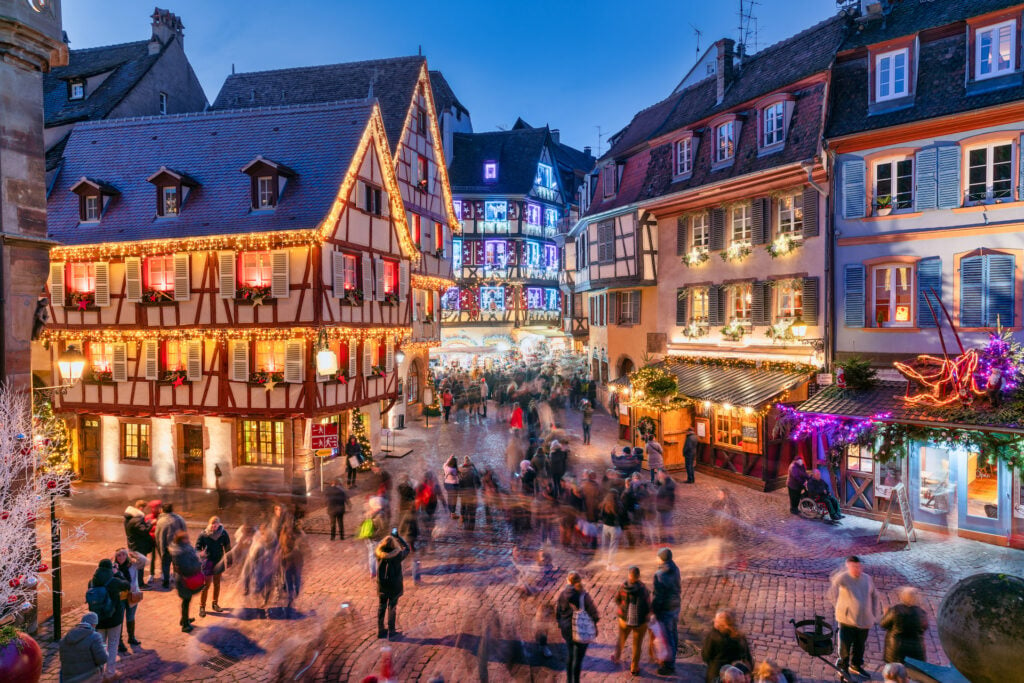
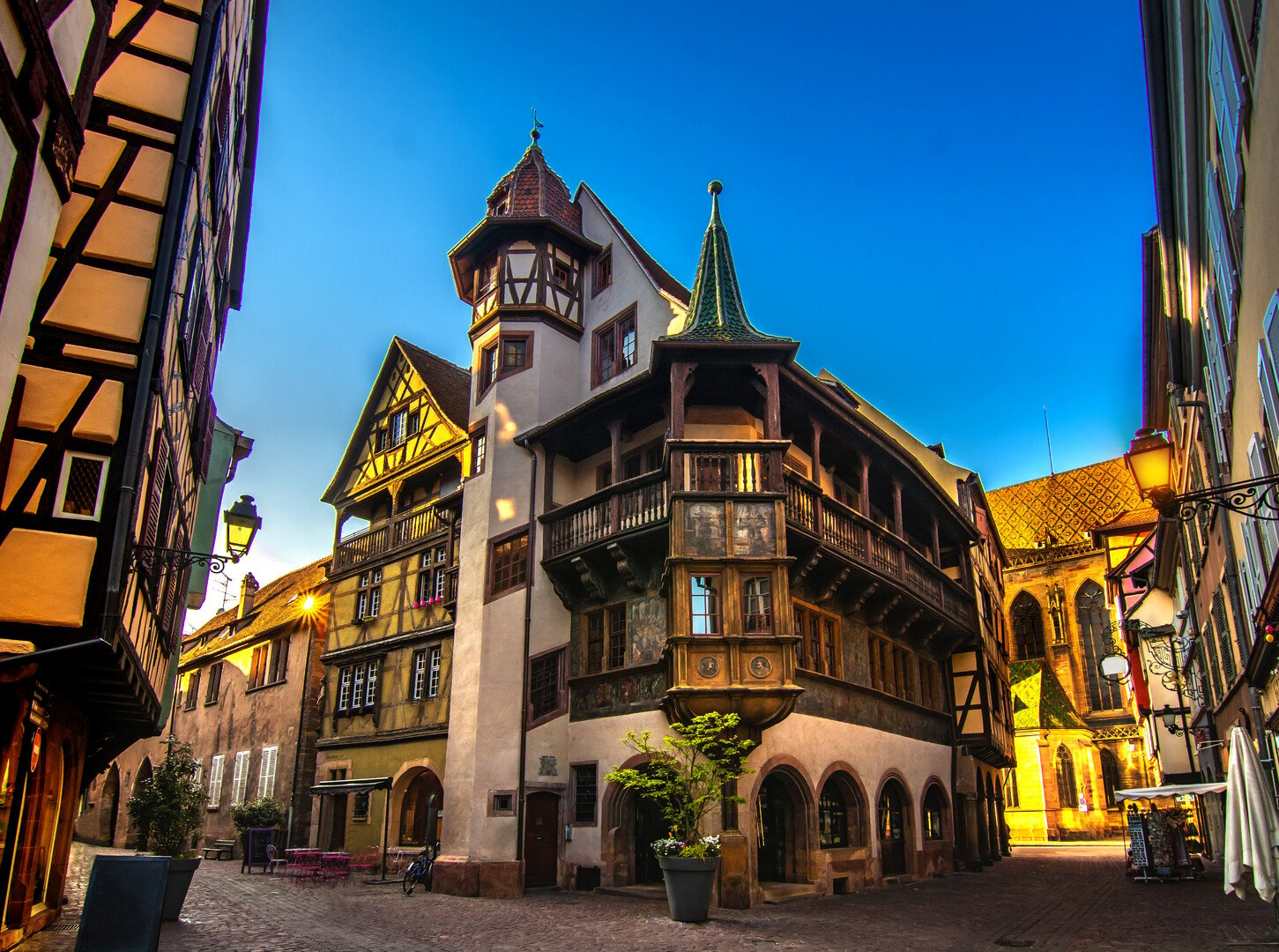
Colmar is only about thirty minutes from Strasbourg by train or car, located in the southern part of the region. With its canals framed by brightly coloured, flower‑windowed houses, it attracts many visitors eager to experience traditional Alsace. For this Alsace weekend itinerary, we suggest crossing the region on Saturday evening to head directly to Colmar by train. Known as the “Little Venice of Alsace,” Colmar deserves the nickname; its romantic, peaceful atmosphere makes it one of the region’s most beloved towns. The old cobbled centre is home to the main monuments to see: the Collégiale Saint‑Martin (Collegiate Church of Saint Martin), the Koïfhus, the covered market, and the Maison Pfister. A walk through the Tanner’s Quarter (Quartier des Tanneurs) lets you admire superb facades and historic trade signs from the past.
Best things to do in Colmar? Stroll La Petite Venise and take a short boat ride, visit the Unterlinden Museum and Musée Bartholdi, browse the Marché Couvert, taste local vins d’Alsace at a wine bar or cellar, and wander the old town’s alleys to discover artisan shops and bakeries.
Where to eat in Colmar?
Colmar is also renowned for its rich and savory traditional Alsatian cuisine. Here’s our selection of the best traditional restaurants in Colmar with a warm and welcoming ambiance:
- Wistub Brenner: Located in the historic heart of Colmar, this restaurant is known for its traditional setting and classic Alsatian dishes. Their sauerkraut and baeckeoffe are highly recommended.
- La Maison des Têtes: High-end, this restaurant offers refined Alsatian cuisine in a historic building, emblematic of Colmar. The setting is elegant, and the culinary experience is memorable.
- L’Epicurien: A friendly restaurant offering Alsatian cuisine with a modern touch. The ingredients are local and seasonal, guaranteeing fresh and flavorful dishes.
- Le Fer Rouge: Located in a former forge, this restaurant offers a unique atmosphere and a traditional Alsatian menu. Their flammekueche (tarts flambées) are a must-try.
- Au Koïfhus: Former historic customs building, this restaurant offers Alsatian specialties in a historical setting. Their wine list, highlighting local wines, is also impressive.
- La Table du Brocanteur: This restaurant offers a warm atmosphere and original decor with flea market objects. The cuisine is traditional with generous, gourmet dishes.
Where to stay in Colmar?
Colmar is a picture‑perfect base for exploring Alsace, cosy streets, canals of the “Petite Venise” and easy access to the Route des Vins. Here are five charming hotels in the heart of Colmar, chosen for their location, atmosphere and strong local character:
- Le Colombier: historic house near Petite Venise with warm, modern‑touch rooms, a quiet courtyard garden and wellness facilities.
- Hostellerie Le Maréchal: a romantic, family‑run hôtel de charme (dating from 1565) on the Lauch river, known for individually decorated rooms and a gourmet restaurant.
- Maison Turenne: renovated, family‑run hotel at the gates of Petite Venise with comfortable rooms, wellness area and easy access to the old town.
- Hôtel Saint‑Martin: cosy, traditionally styled hotel in the historic centre, steps from La Petite Venise and the main sights, good value and authentic Alsatian decor.
- Le Rapp: centrally located hotel‑restaurant with well‑equipped rooms, indoor pool and spa facilities, convenient for museums and walking in the old town.
What are the best Champagne houses in Colmar?
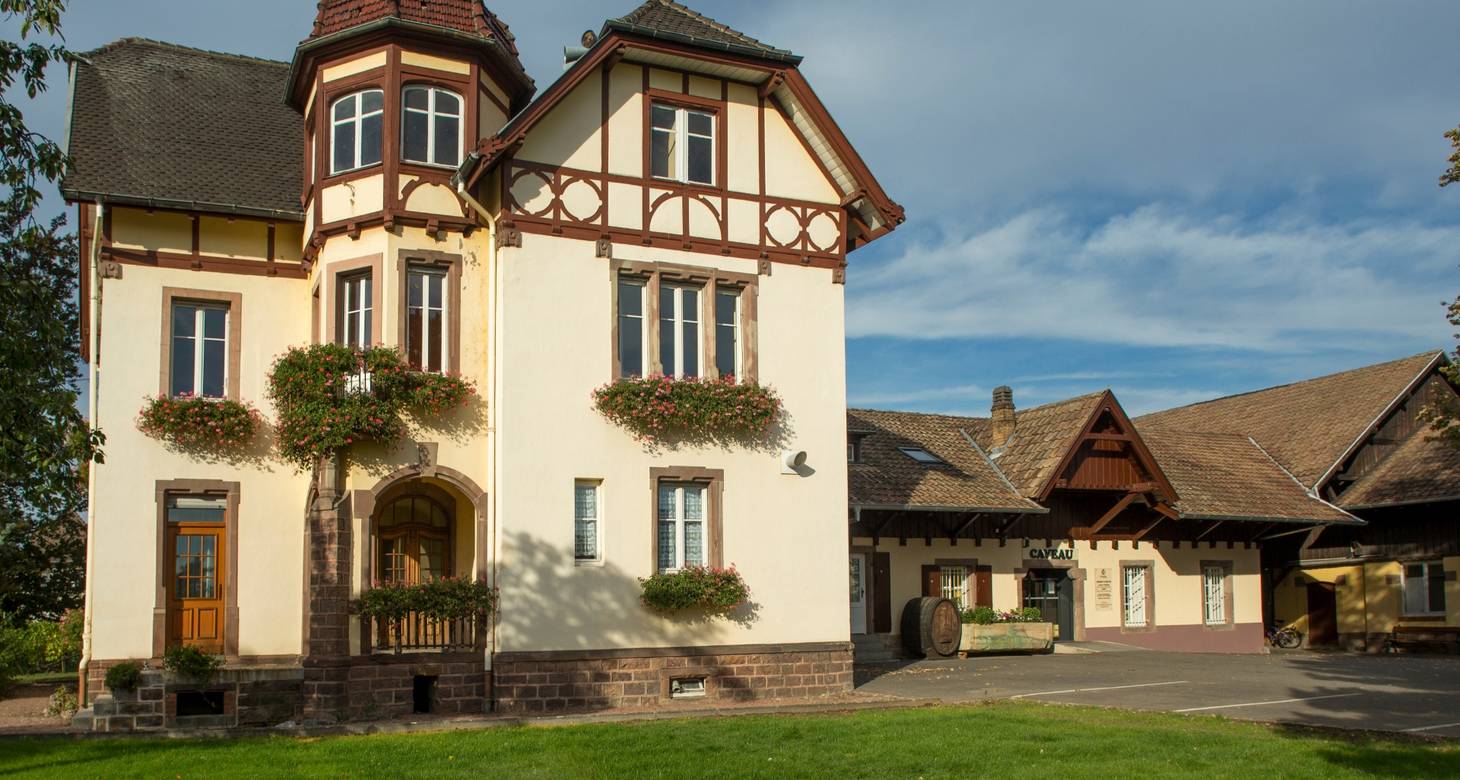
Colmar provides an elegant, welcoming setting to discover fine champagne cuvées, from celebrated houses to discreet producers, served in wine bars, specialist cellars and on gourmet menus that celebrate bubbles. The city’s selections stand out for their quality and are enhanced by the informed enthusiasm of passionate sommeliers and merchants. With its intimate atmosphere, distinctive Alsatian art de vivre and thoughtfully curated tasting events, Colmar is an ideal, refined backdrop for a wine-focused stay in the region.
What are the most beautiful villages in Alsace?
The most beautiful villages in Alsace each merit a full day to explore their highlights. For a weekend, prioritise Strasbourg (stroll through Petite France and admire the cathedral) and Colmar (visit Petite Venise and its canals), both are easy to get to by train if you’re planning a trip to France. If you have a car, drive the Alsace Wine Route to connect the two cities and follow an Alsace itinerary that includes wine tasting at top Riesling producers and charming towns in Alsace such as Kaysersberg and Riquewihr. Consider a day trip into the Alsace wine country, plan where you’ll stay in Alsace early, and map tastings so you can enjoy relaxed strolls between vineyards and village squares.
Drive to Ribeauvillé
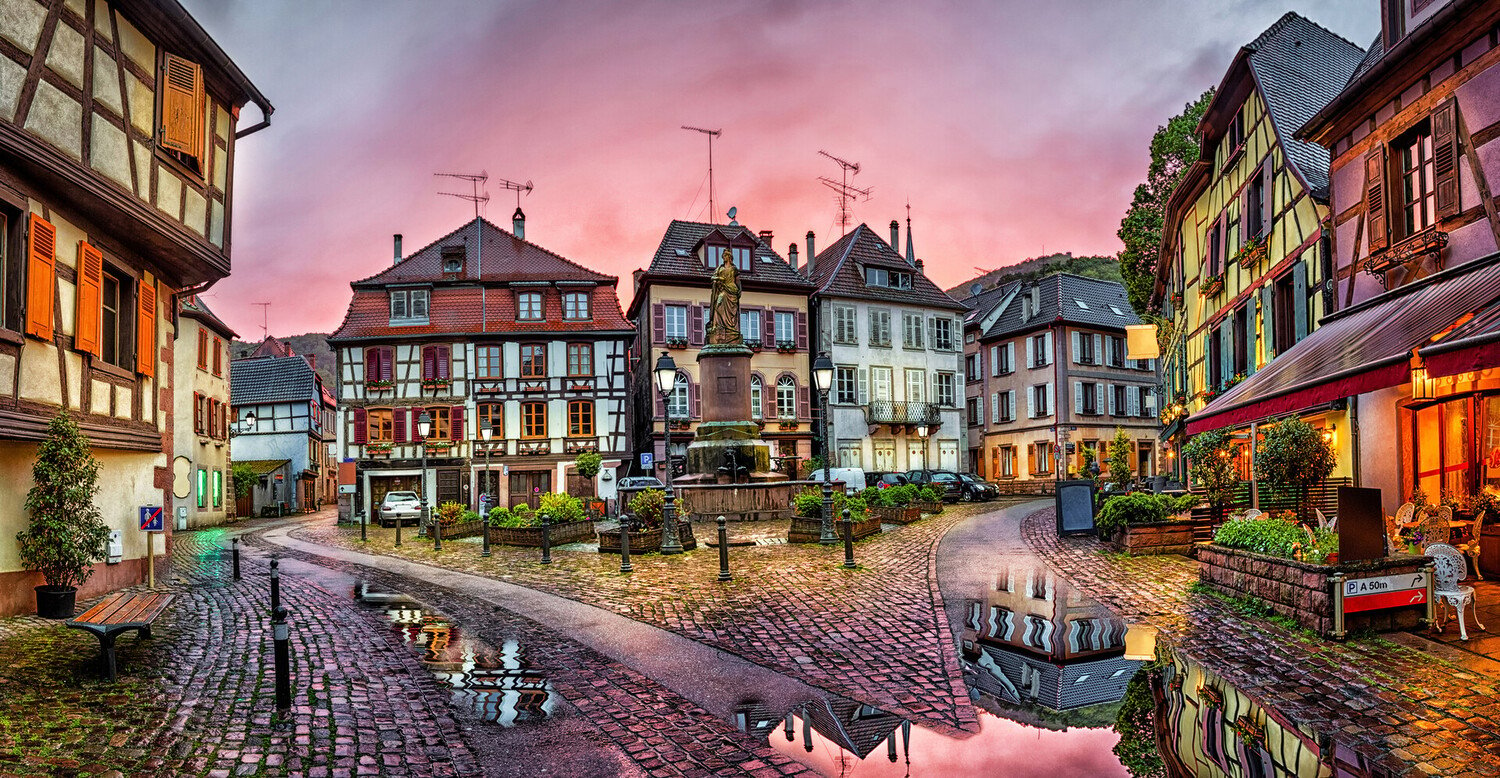
Perched beneath the ruins of three medieval castles, Ribeauvillé is a charming wine town where cobbled streets, timbered houses and lively markets meet a long winemaking tradition. Wander the compact historic centre, climb to the castle viewpoints for sweeping vineyard panoramas, and drop into family-run domaines and cellars to taste riesling and gewurztraminer. The town’s calendar of festivals and seasonal markets adds extra colour, ideal as a relaxed stop on the Route des Vins.
Exploring Eguisheim
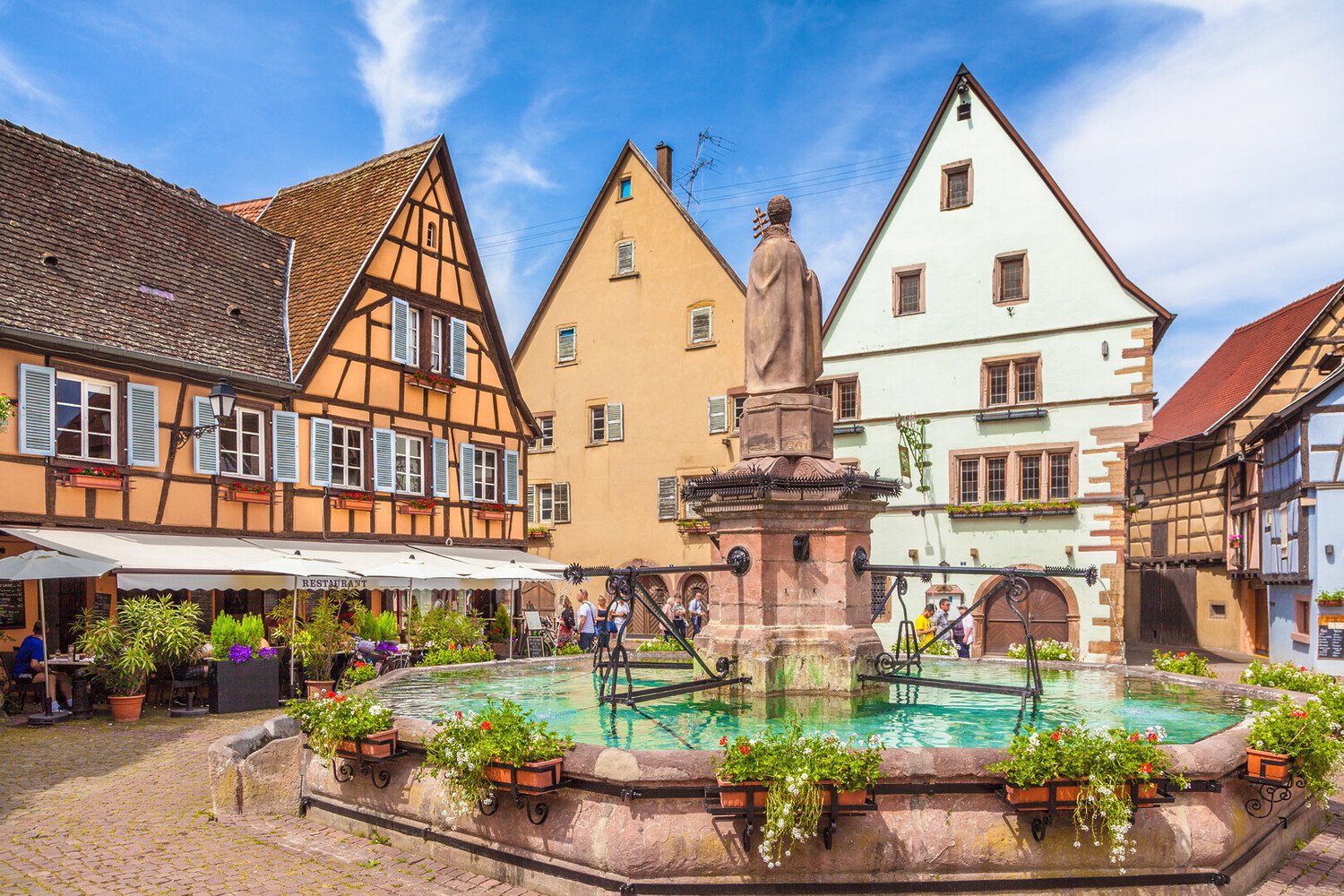
Eguisheim, one of Alsace’s most beautiful villages, enchants with concentric cobbled lanes, brightly painted half‑timbered houses and overflowing flower boxes; stroll the square by Château Saint‑Léon to soak up a warm Alsatian atmosphere that blends medieval charm with excellent local cuisine, and use Eguisheim as an ideal base for exploring nearby vineyards on the Alsace Wine Route and sampling regional specialties like tarte flambée and Gewürztraminer.
Discovering Kaysersberg
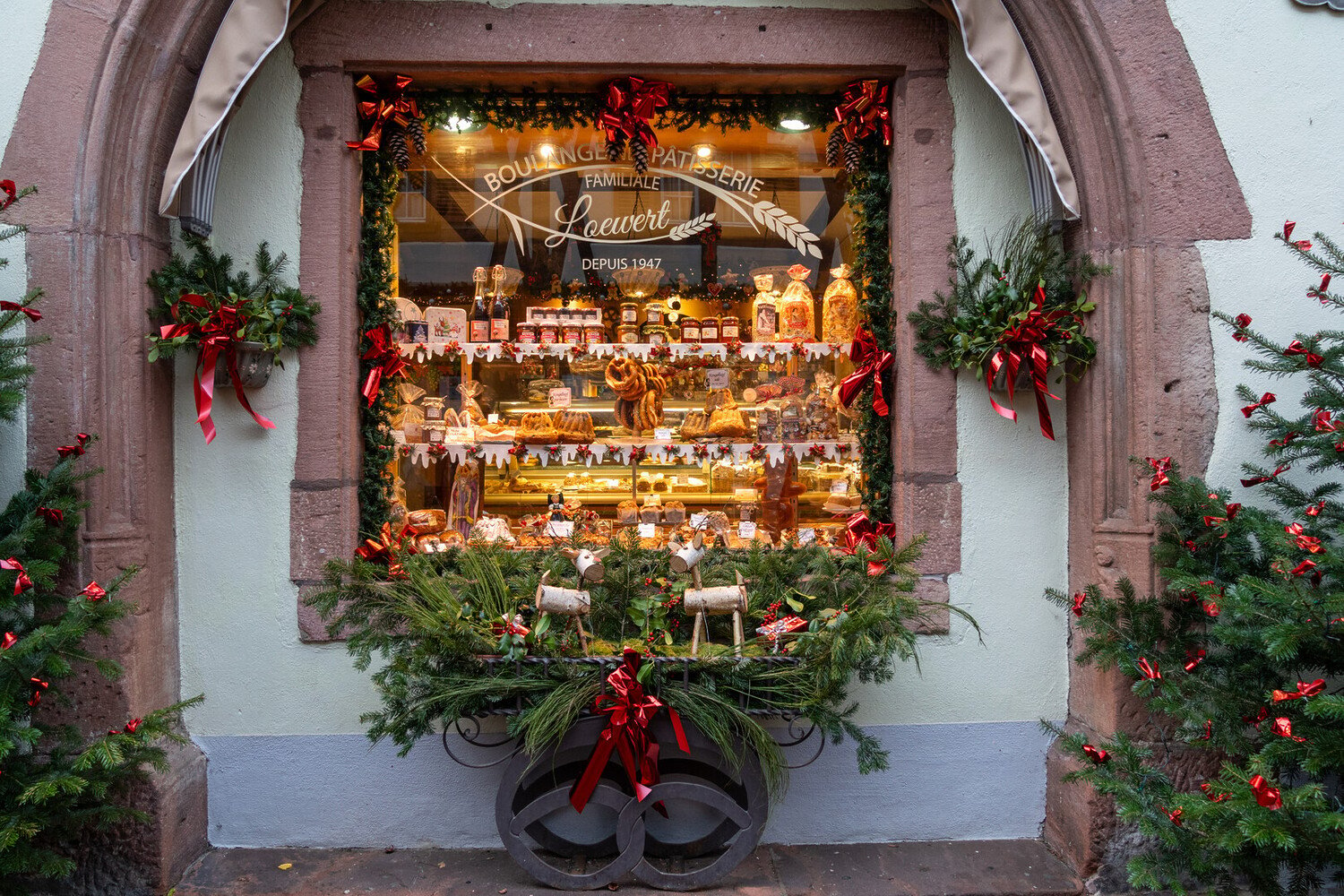
Kaysersberg invites you to wander its cobbled streets lined with timbered houses and cross its stone bridges over the Weiss, then climb to the ruins of Château de Kaysersberg for sweeping views of the village and surrounding vineyards. For things to do in Kaysersberg: stroll the town centre (Rue du Général de Gaulle) and admire flowering facades, visit the Maison Albert Schweitzer museum, explore the Gothic Église Sainte‑Croix, taste local Alsatian wines at nearby domaines, and sample regional dishes like tarte flambée and baeckeoffe in a cosy winstub, a perfect blend of medieval charm, craftsmanship and gastronomy.
Admiring Hunspach
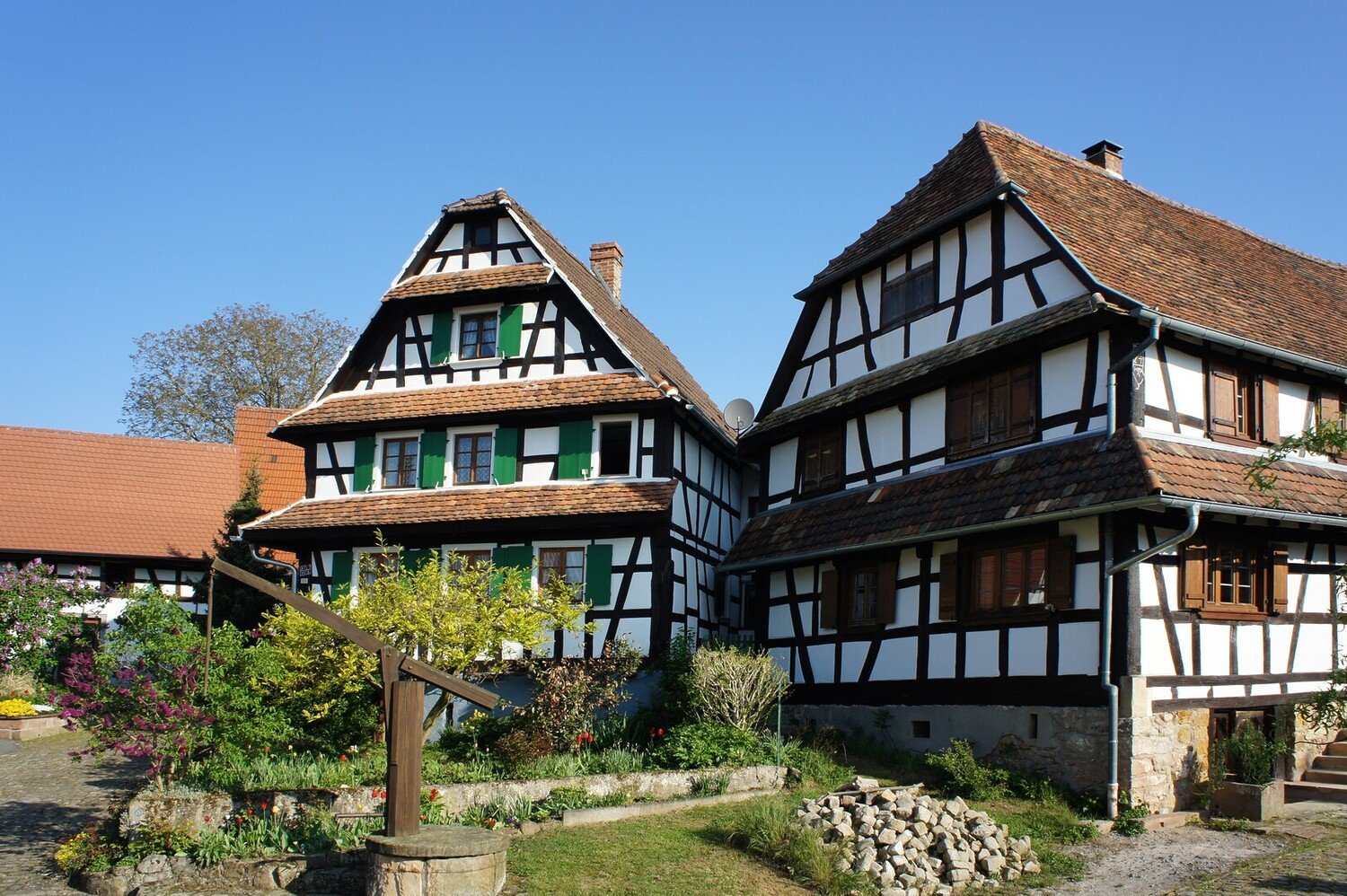
Hunspach, instantly recognisable by its white half‑timbered houses and elegant bow windows, offers a quieter yet equally authentic side of Alsace. Here time seems to stand still: the streets are calm, traditions are carefully preserved, and the village’s architecture forms a harmonious whole. A visit reveals a unique rural heritage and a serene atmosphere, pleasantly removed from the tourist bustle.
Exploring Riquewihr
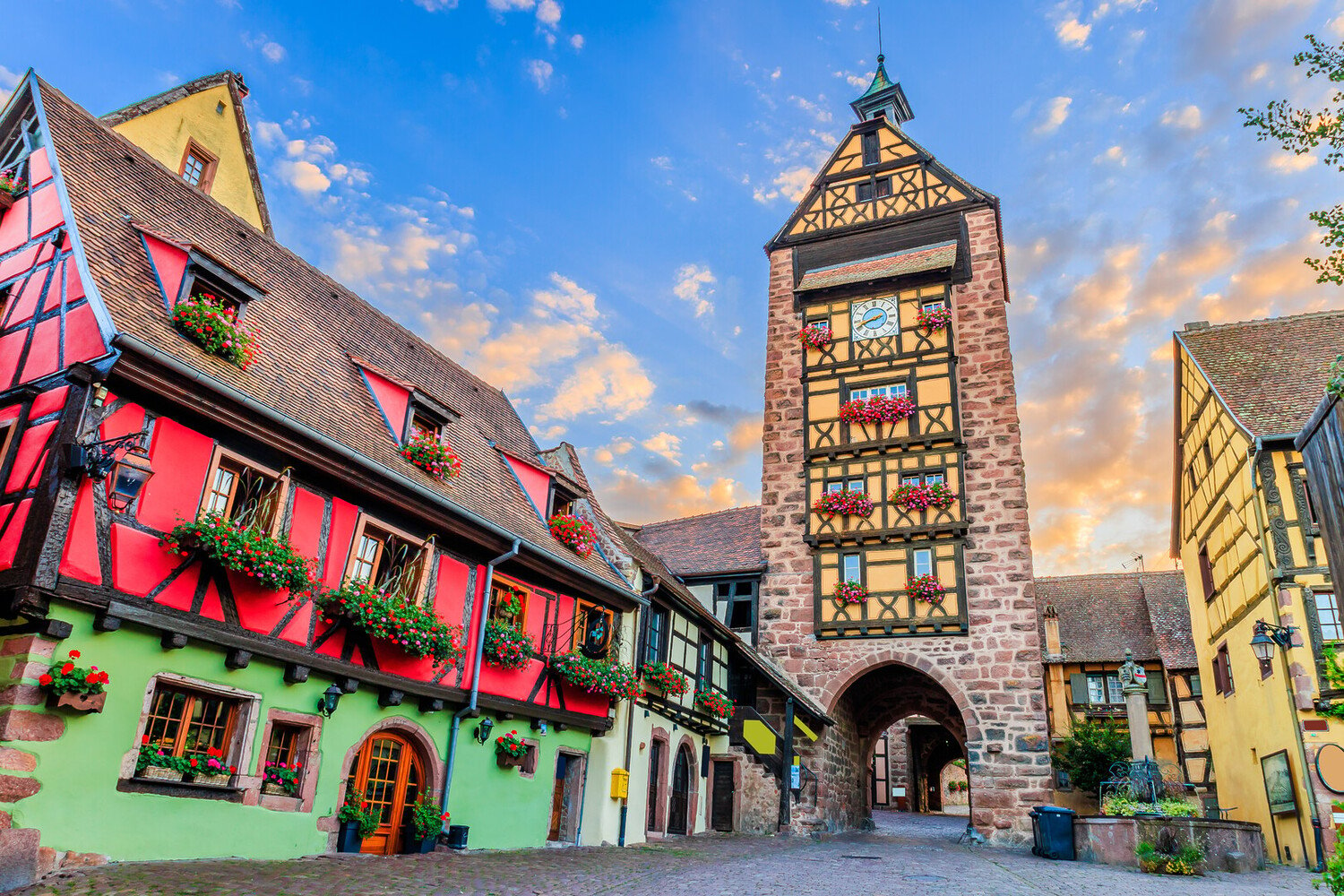
Riquewihr feels like a storybook village: walk the old ramparts, then follow the famous Rue du Général‑de‑Gaulle lined with brightly painted half‑timbered houses and historic wine cellars. Top things to do in Riquewihr include climbing the Dolder Tower for panoramic vineyard views, wandering the narrow lanes to browse artisan boutiques and food shops, tasting world‑class riesling and gewurztraminer in cozy cellars, and savouring Alsatian specialties like tarte flambée in a traditional winstub, all set beneath medieval towers and vineyard‑studded panoramas that make cultural discovery and gourmet indulgence inseparable.
Visiting Neuf-Brisach
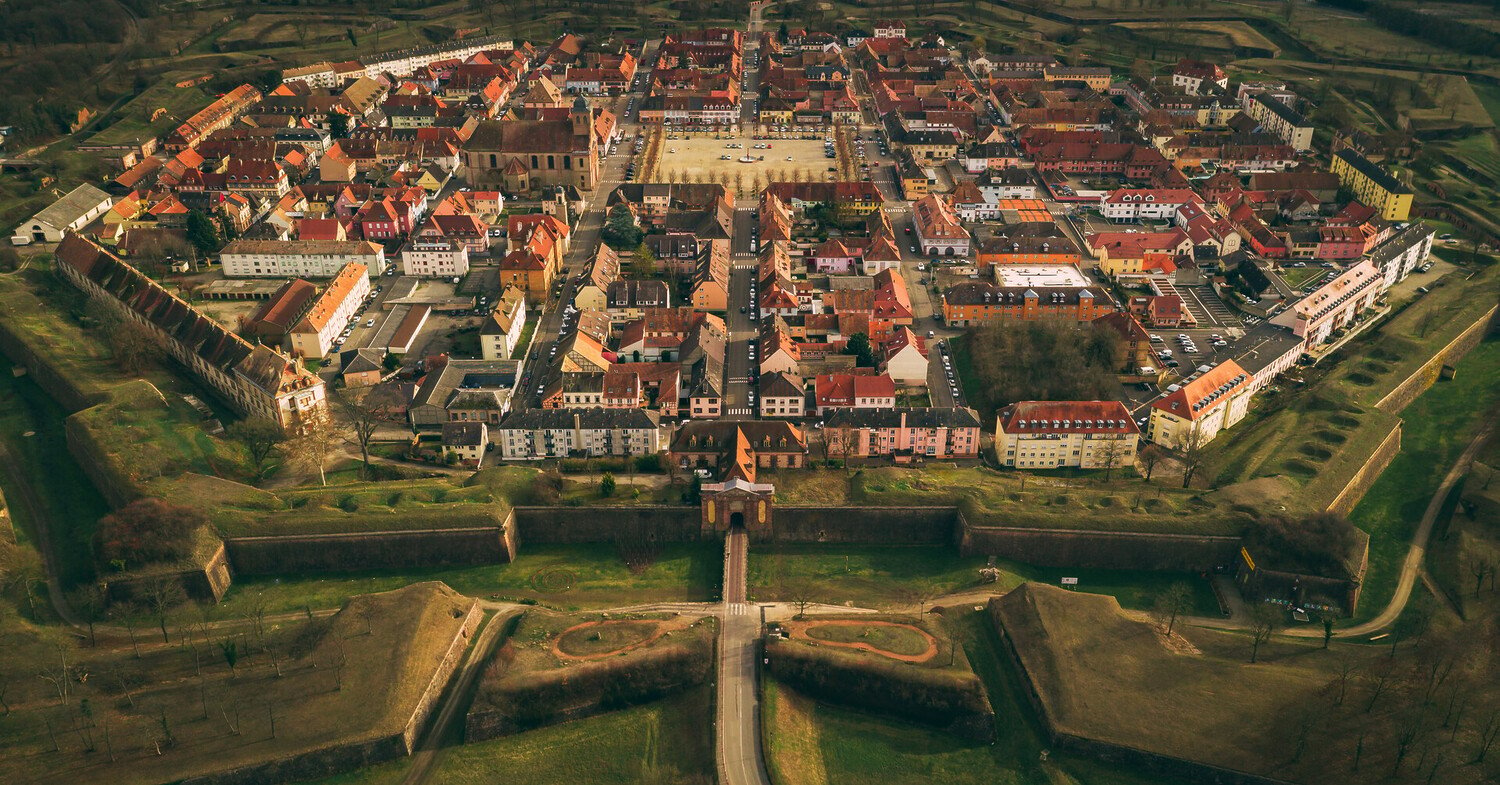
Neuf‑Brisach is a singular town: its star‑shaped layout, designed by Vauban, and its perfectly preserved ramparts are listed as a UNESCO World Heritage Site. Strolling the fortifications reveals an outstanding example of 17th‑century military engineering. The visit offers a fresh view of Alsace, where strategic history and exceptional heritage meet.
Discovering Alsatian wine experiences
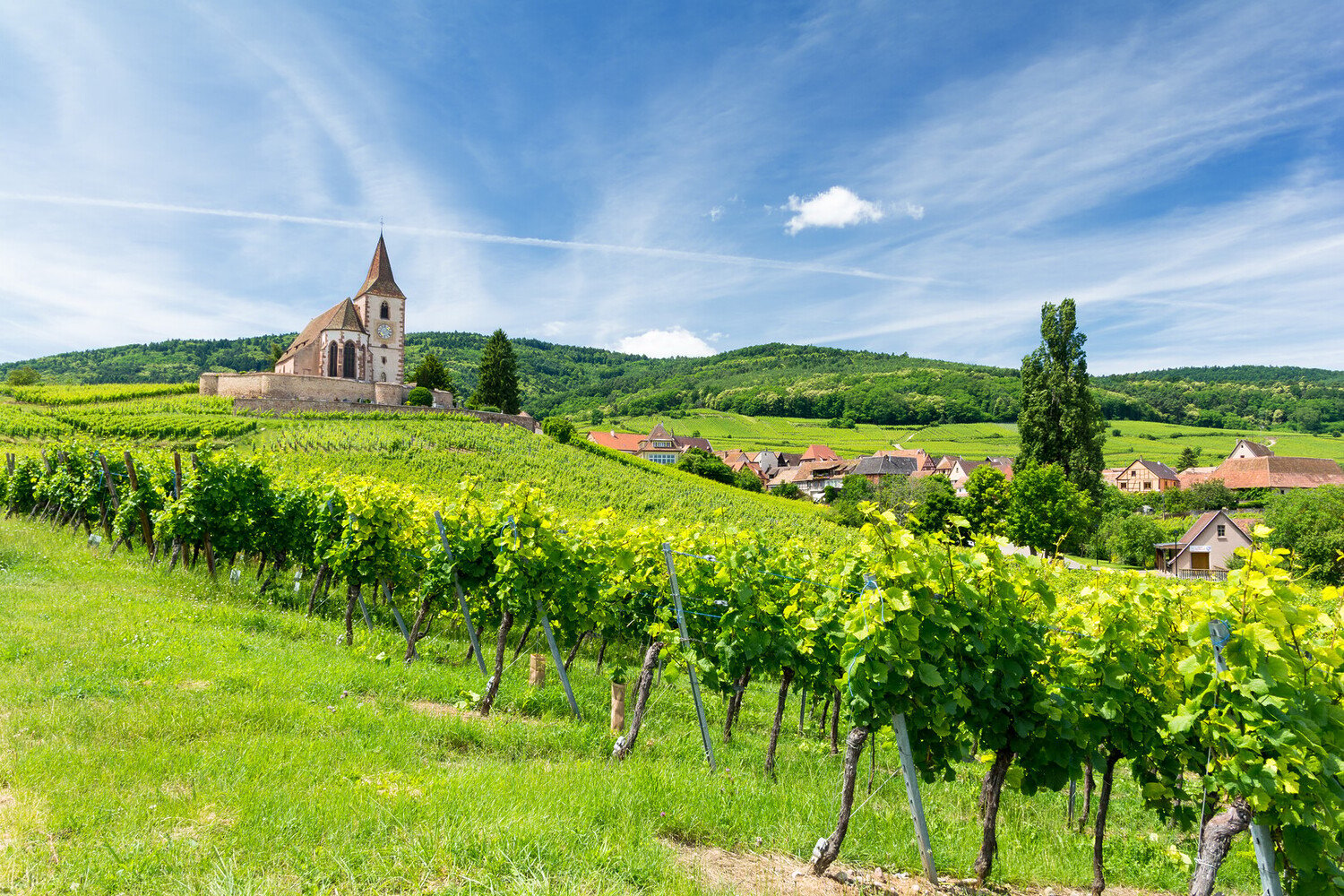
You cannot explore the region without immersing yourself in Alsatian wine, celebrated for its diverse grape varieties and its picturesque vineyard landscapes. Between flower‑lined villages, sunlit slopes and family‑run domaines, Alsace offers many ways to discover local know‑how and taste wines with true personality. Whether you’re a curious amateur or a seasoned enthusiast, meetings with winemakers and guided tastings bring you close to the terroir and the authentic Alsatian art of living.
Good to know for your Alsace itinerary
Where to spend two days in Alsace?
For a perfect two‑day Alsace escape, split your time between Strasbourg’s magnificent cathedral, canals and lively Petite France district, and Colmar’s storybook Petite Venise and museums. On day two, rent a car and follow part of the Alsace Wine Route to visit a few flower‑lined villages (Eguisheim, Riquewihr) and a family domaine for tastings. Enjoy cosy winstubs or a Michelin table in the evening to savour regional specialties.
Can You Really Visit Alsace in a Weekend?
Yes, a weekend is enough to discover the essentials: a large typical village, a bit of nature in the Vosges, and a wine-related experience. Simply focus on a specific area to avoid excessive traveling.
What’s the Best Base for a Short Stay in Alsace?
Colmar is often an excellent starting point: central location, architectural charm, and quick access to several villages and vineyards. Strasbourg is also suitable if you’re prioritizing culture and heritage.
When is the Best Time for a Weekend in Alsace?
Spring and autumn are ideal: colorful landscapes, pleasant weather, and less crowd. December is magical for Christmas markets but very crowded.
What Should You Absolutely Taste During a Weekend in Alsace?
Flammekueche, baeckeoffe, kougelhopf, pretzels… and, of course, Alsatian white wines like Riesling or Gewuerztraminer.
What are the best hotels in Alsace?
Hôtel Cour du Corbeau Strasbourg – MGallery: Located in a beautiful 16th-century building, this hotel offers a historical experience with modern comfort.
Hôtel & Spa Le Bouclier d’Or: This boutique hotel, located in the picturesque Petite France district, combines historical charm with modern amenities, including a spa.
Le Colombier: historic house near Petite Venise with warm, modern‑touch rooms, a quiet courtyard garden and wellness facilities.
Hostellerie Le Maréchal: a romantic, family‑run hôtel de charme (dating from 1565) on the Lauch river, known for individually decorated rooms and a gourmet restaurant.
Maison Turenne: renovated, family‑run hotel at the gates of Petite Venise with comfortable rooms, wellness area and easy access to the old town.
What are the best restaurants in Alsace?
La Table d’Olivier Nasti — Kaysersberg
Classic-meets-modern Alsatian cooking by chef Olivier Nasti in a charming Vosges village, exceptional technique, strong local sourcing and a memorable cellar.
L’Arnsbourg — Baerenthal
A landmark gastronomic address known for inventive, refined cuisine and a serene forest setting; long celebrated by guides and critics.
Villa René Lalique — Wingen‑sur‑Moder
Luxury Relais & Châteaux dining with polished contemporary cuisine and an outstanding wine list — a destination for a special occasion.
Auberge de l’Ill — Illhaeusern
One of Alsace’s historic great tables, offering timeless haute cuisine in a warm, riverside setting — an icon of the region’s gastronomic heritage.
Le Feuillage (La Cheneaudière) — Colroy‑la‑Roche
New to the Michelin list in 2025, praised for plant‑forward, terroir‑driven cuisine in a peaceful, wooded setting, excellent for discovering Alsace’s evolving culinary scene.
What are the must-see towns in Alsace?
Towns in Alsace to include are Colmar, Kaysersberg, Riquewihr, Obernai and Hunawihr, each is quaint and worth a full day of strolling and photos.
How do I get to Alsace?
Get to Alsace by train (Paris → Strasbourg or Paris → Colmar), car (drive the scenic Alsace Wine Route) or fly into Mulhouse for southern Alsace access.
Can I do a day trip in Alsace?
Yes you can do a day trip from Strasbourg to Colmar or from Colmar to several villages in the Alsace wine country, but allow more time to properly visit castles and vineyards.
How long should I stay in Alsace?
For a relaxed pace, plan a week in Alsace to include Strasbourg, Colmar, a drive through the Vosges mountains, wine tasting and a visit to Haut‑Koenigsbourg castle.
When is the best time for wine tasting in Alsace?
Wine tasting is popular in spring, summer and harvest in autumn; book tastings and accommodations early during high season and Alsace Christmas Market periods, as producers fill up fast
Which grape varieties are Alsace known for?
Alsace is famous for aromatic whites, especially Riesling and Gewürztraminer, and you’ll often see “blanc” and single‑variety domaine tastings at local wineries.

Victoria explores Europe's wine regions to share the finest wine tourism experiences with our travelers. Here she shares her favorite discoveries, tips, and encounters with the winemakers behind every bottle.


