


Located on the southeastern coast of Sicily, Syracuse (or Siracusa) is a timeless gem where ancient mythology, baroque splendor, and salty sea breezes come together. From getting lost in the golden streets of Ortigia to standing in the shadow of Greek and Roman ruins, this guide will help you visit Syracuse the right way, through flavors, stories, and unforgettable views. Once the greatest Greek city in the Western world, Syracuse still hums with the energy of its past. Explore UNESCO sites, dive into lively markets, and don’t miss the nearby Sicily wine tours & wineries, where local reds and coastal whites reflect the soul of this region in every glass. Arrive from Catania, Palermo, or as part of a longer Sicily itinerary, Syracuse is more than a stop; it’s a journey through centuries.
Visit Syracuse Italy and the top things to do
Wander through the ancient Greek Theatre
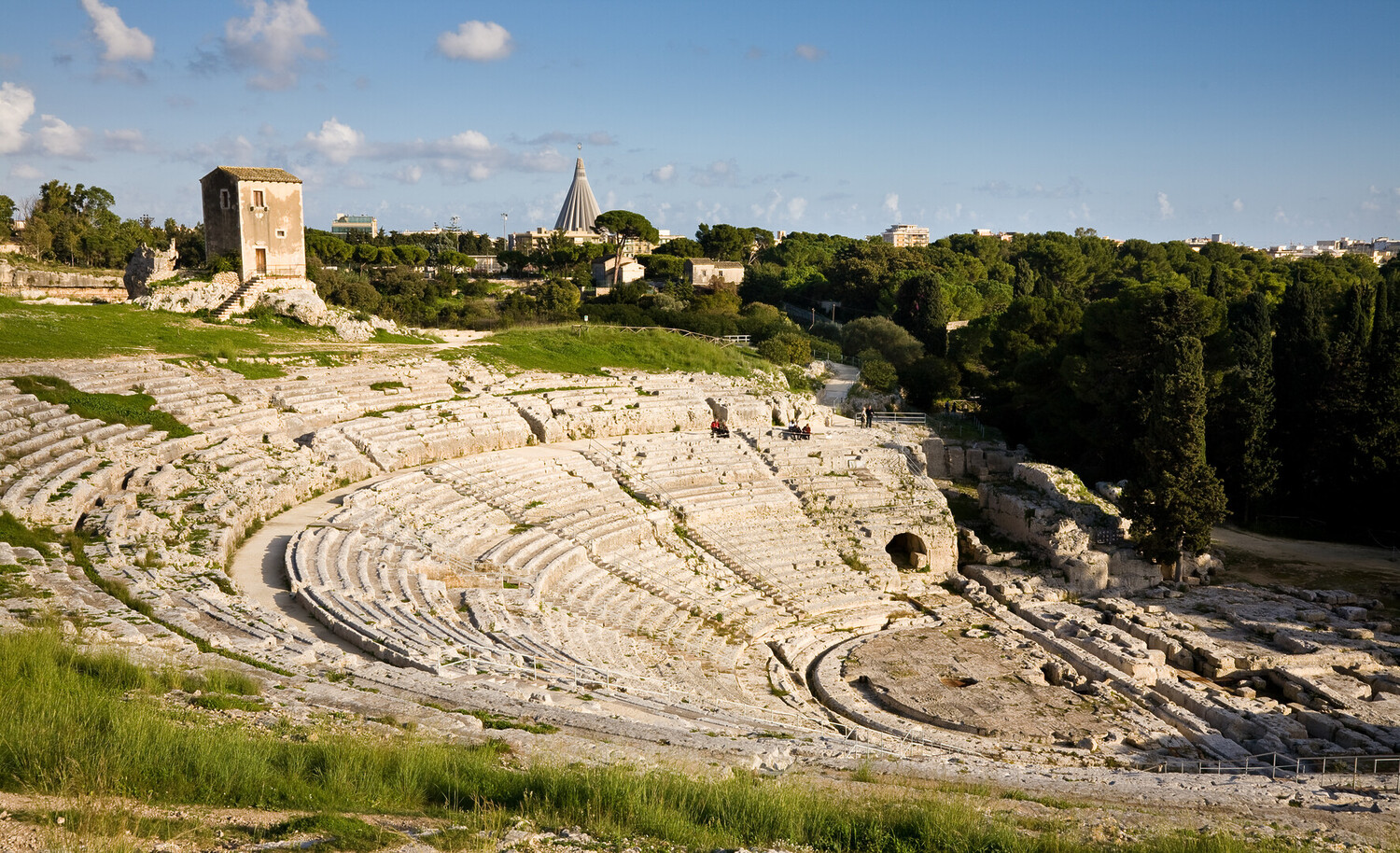
Start your journey through Syracuse at the Greek Theatre, one of the city’s most iconic and awe-inspiring landmarks. Carved into limestone in the 5th century BC, this ancient marvel once echoed with the voices of Greek tragedians and philosophers. It remains one of the most important theatres in the classical world, and it’s still alive today, hosting open-air performances under the Sicilian sun.
Explore the Ear of Dionysius
Located in the Neapolis Archaeological Park, the Ear of Dionysius (Orecchio di Dionisio) is one of the most intriguing stops when you visit Syracuse. This towering cave, once a limestone quarry, was praised by Cicero and named by Caravaggio for its unique shape and eerie acoustics. Legend has it that tyrants once used it to spy on prisoners. Today, it’s a surreal place to stand still, listen to the echoes, and feel the weight of myth and history carved into the stone.
Visit the Duomo di Siracusa
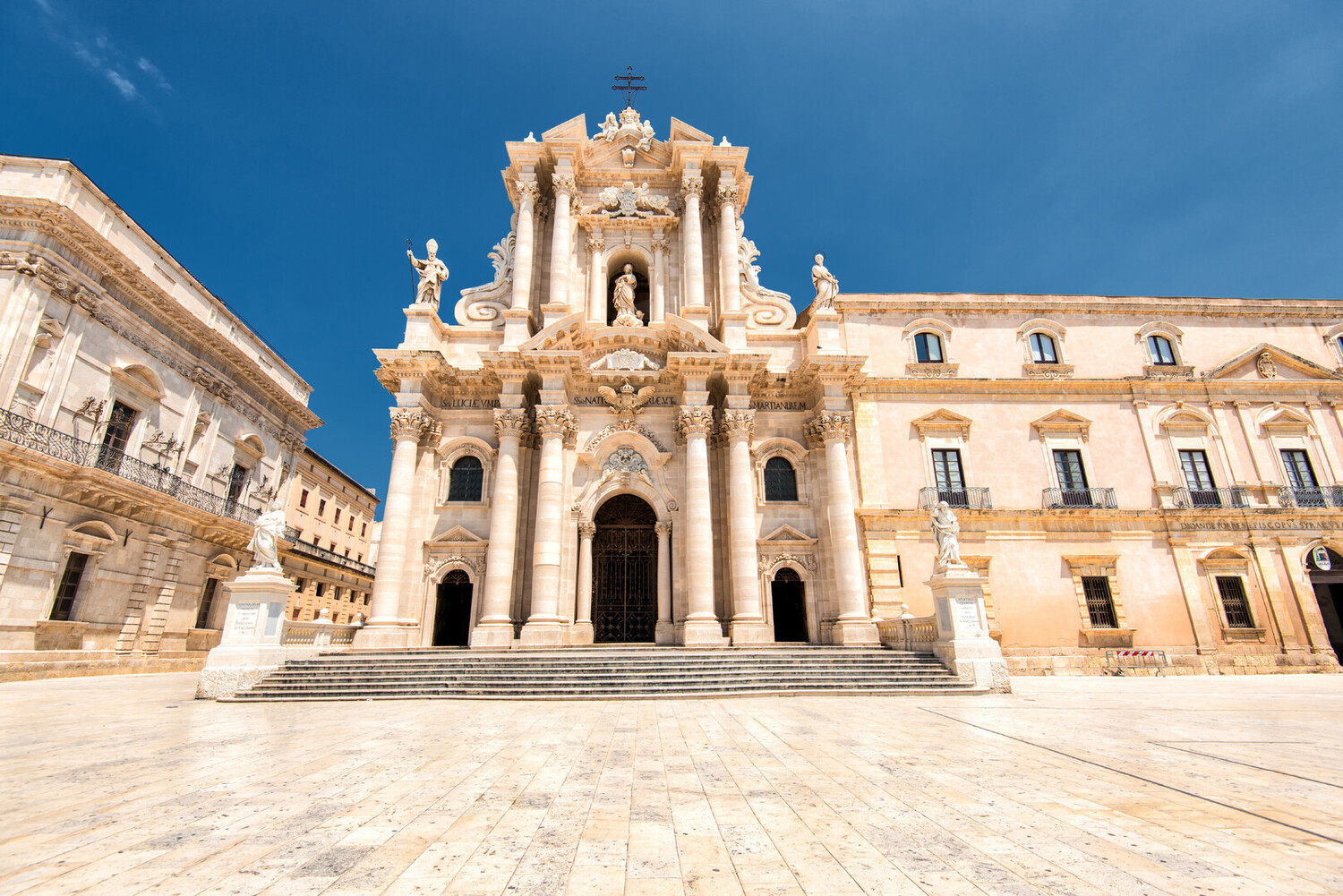
The Cathedral of Syracuse, or Duomo di Siracusa, is where centuries of sacred architecture collide in one breathtaking structure. Built over a former Greek temple, its original Doric columns still frame the nave, visible reminders of the island’s ancient past. Set in the heart of Ortigia’s Piazza del Duomo, the cathedral blends classical bones with baroque grandeur, layered with Byzantine and Norman touches. If you visit Syracuse for the architecture, this is where it all comes together in stone, light, and silence.
Walk to the Fountain of Arethusa
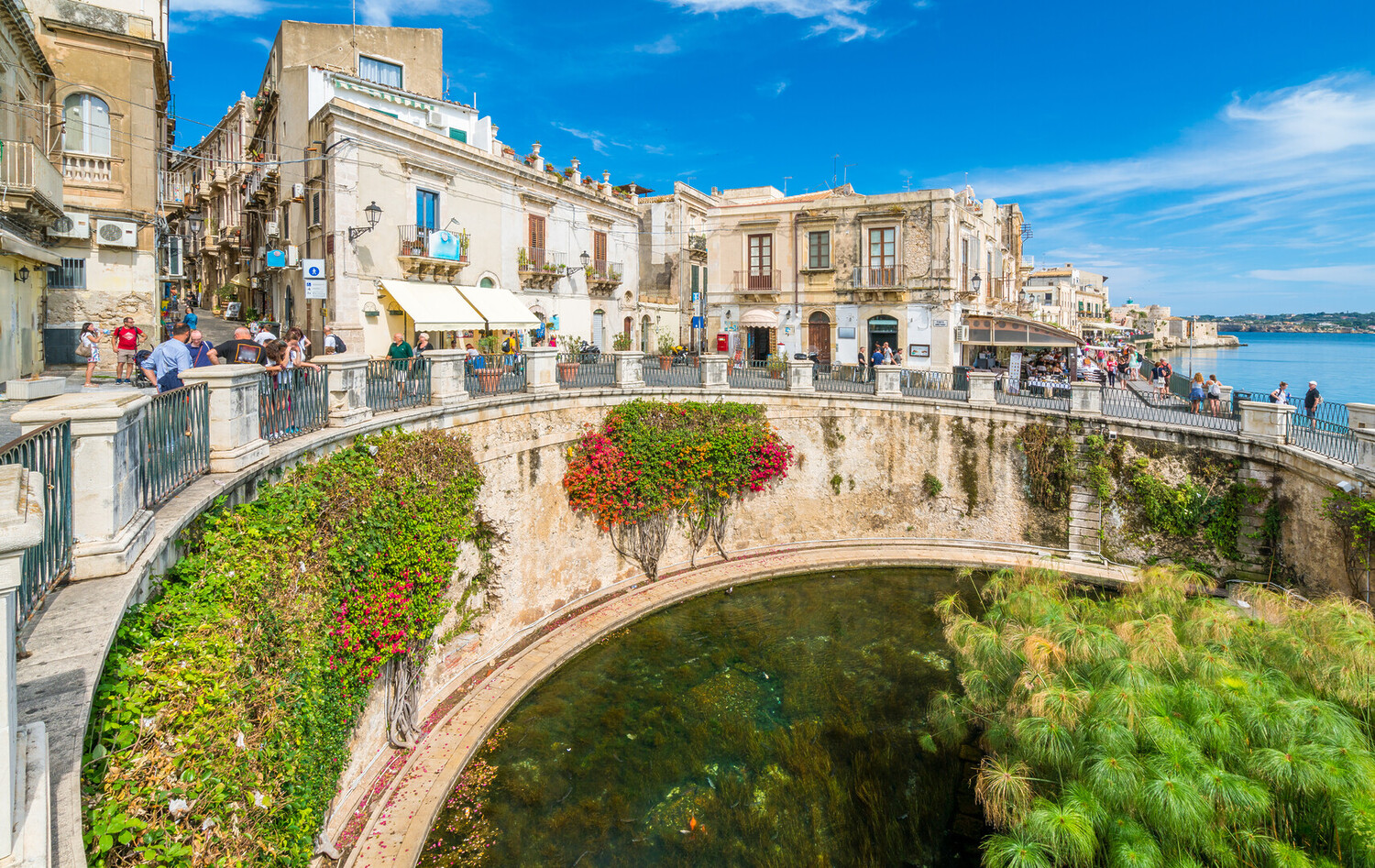
This naturally spring-fed pool, the legendary home of the nymph Arethusa, is surrounded by papyrus and ducks, right on the coast of Ortigia. The romantic myth that surrounds this fountain connects it directly to Greece, and it remains one of the most iconic symbols of Syracuse.
Discover the Neapolis Archaeological Park
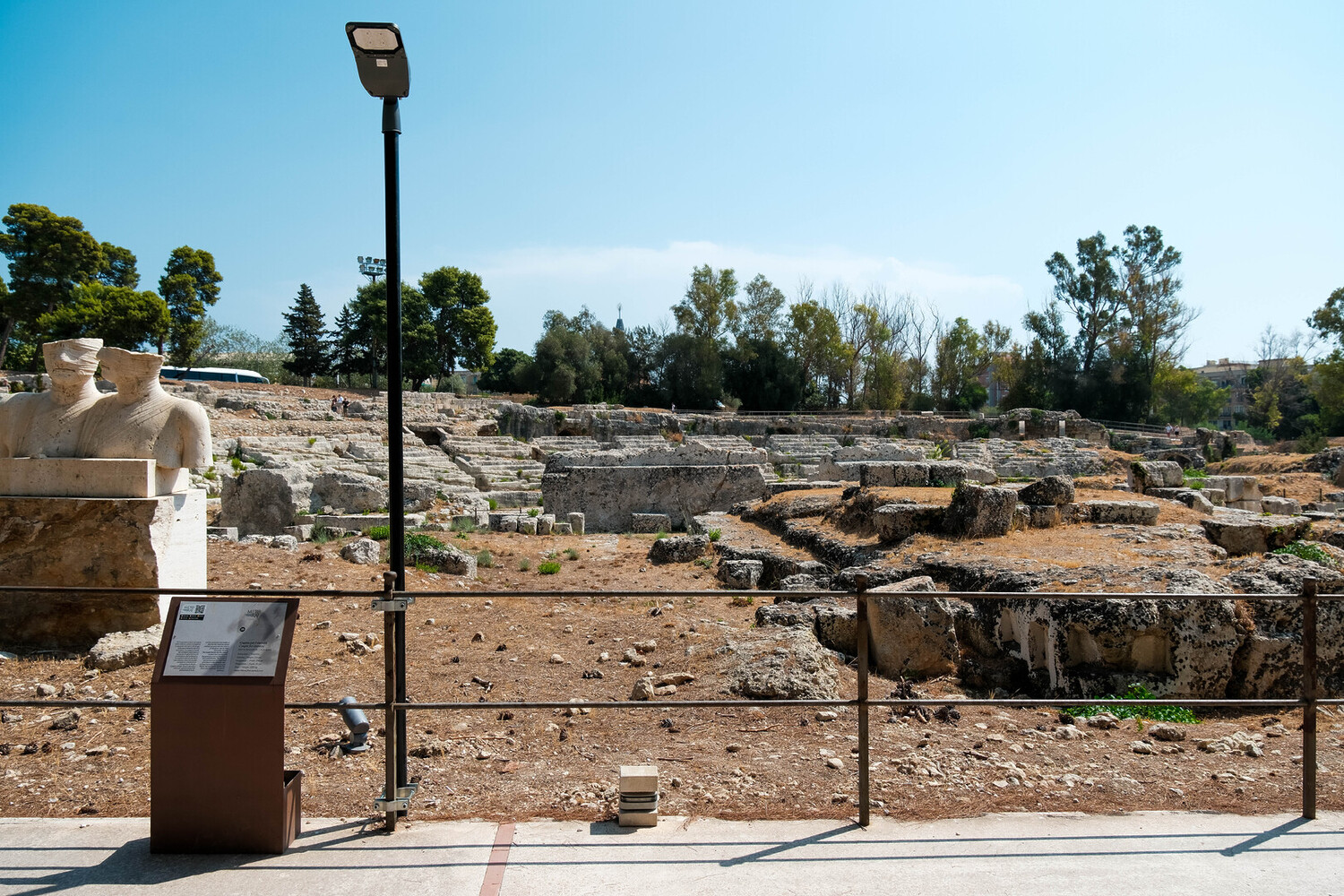
The Neapolis Archaeological Park is one of the most impressive ancient sites you’ll find when you visit Syracuse. This UNESCO World Heritage Site brings together layers of Greek and Roman history in one open-air setting. Explore the monumental Greek Theatre, the Roman amphitheater, and the Altar of Hieron II, massive ruins that once hosted rituals, performances, and public life. It’s one of the best-preserved archaeological sites in Sicily, and a must for anyone craving a deep dive into the island’s ancient past.
Visit the Temple of Apollo
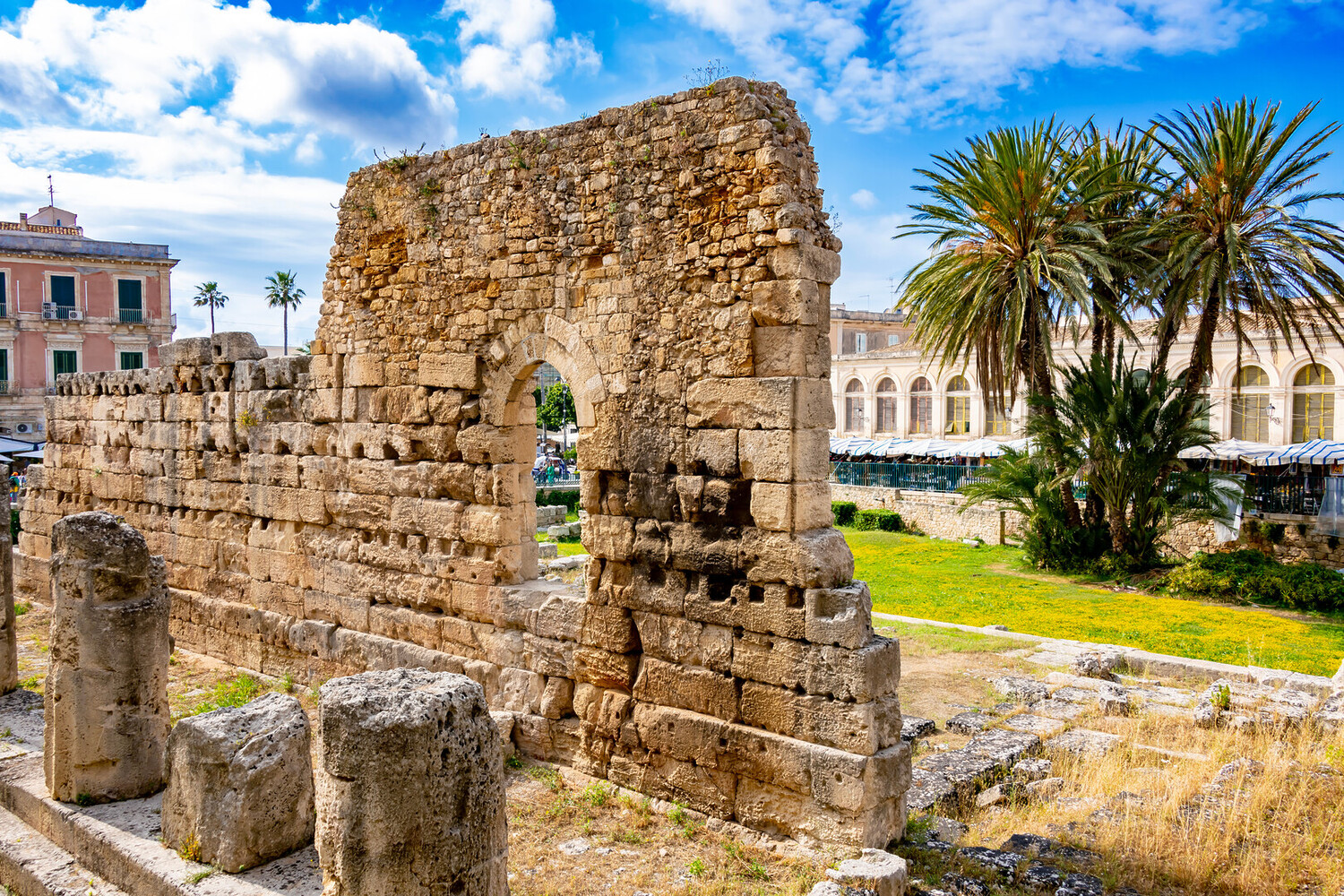
One of the oldest Doric temples in Sicily, the Temple of Apollo stands as a rugged monument to Syracuse’s Greek roots. Built in the 6th century BC, it greets you right at the entrance to Ortigia, less polished than other landmarks, but just as powerful. It’s a quiet reminder that the island’s history begins long before baroque balconies and bustling piazzas.
Walk into the timeless streets of Ortigia
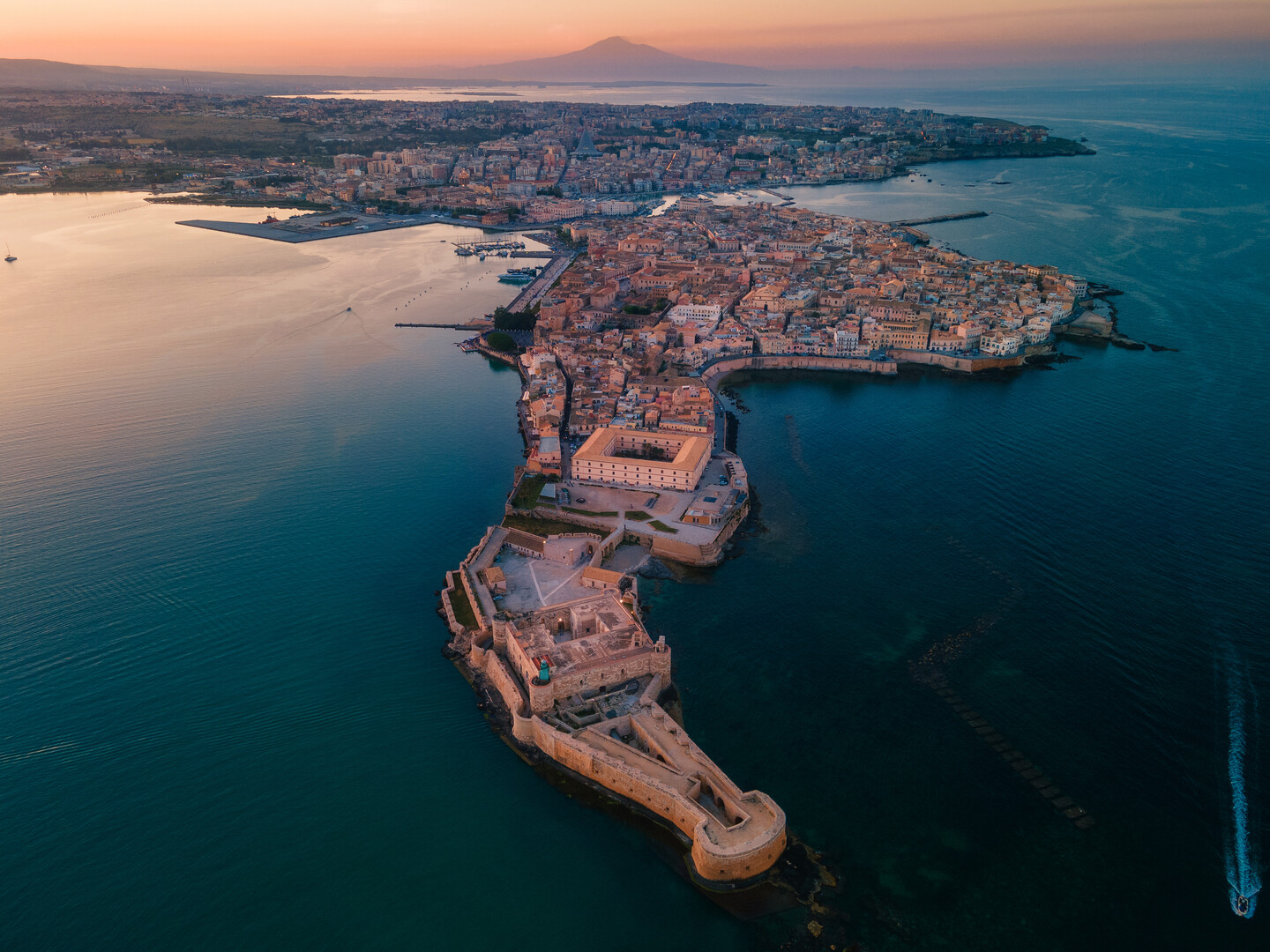
Ortigia isn’t just the historic heart of Syracuse, it’s a full sensory experience. This tiny island is a maze of golden alleyways, sunlit piazzas, and balconies dripping with bougainvillea. One minute you’re passing baroque churches, the next you’re tasting sea urchin pasta by the water. From ancient temples to lively markets, every corner of Ortigia feels lived-in, layered, and endlessly photogenic.
Visit Syracuse Italy and the top things to do around
Relax at the beach of Fontane Bianche
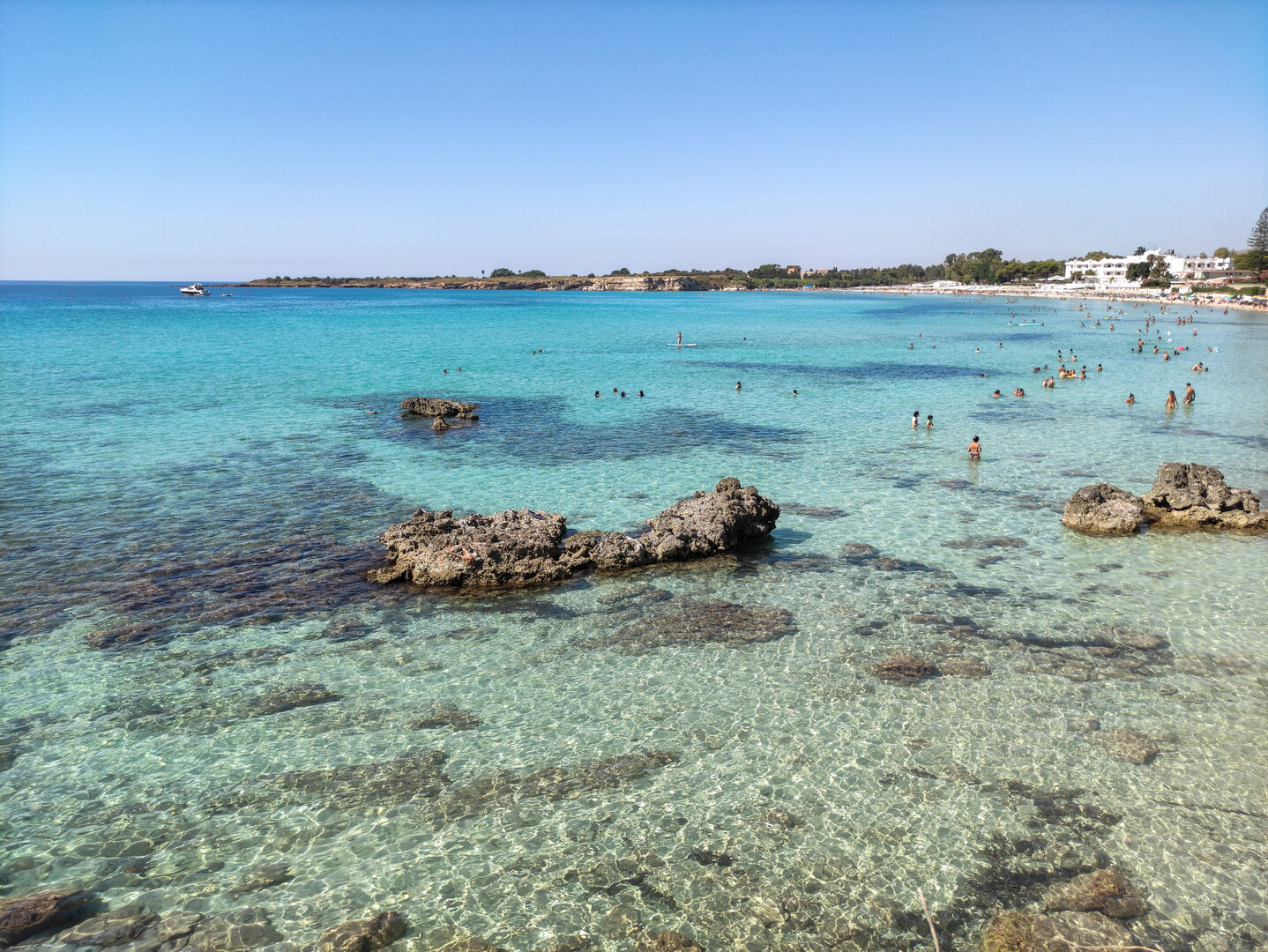
Just a 20-minute drive south of Syracuse, Fontane Bianche is your go-to beach escape when you need a break from ruins and cobblestones. With soft white sand, turquoise waters, and plenty of seaside spots to grab lunch or an afternoon spritz, it’s the ideal place to slow things down. Named for the natural freshwater springs that bubble through the area, this beach combines laid-back vibes with crystal-clear beauty. Swim, sunbathe, and feast on fresh seafood, all with the Sicilian coast as your backdrop.
Explore the heritage of Noto
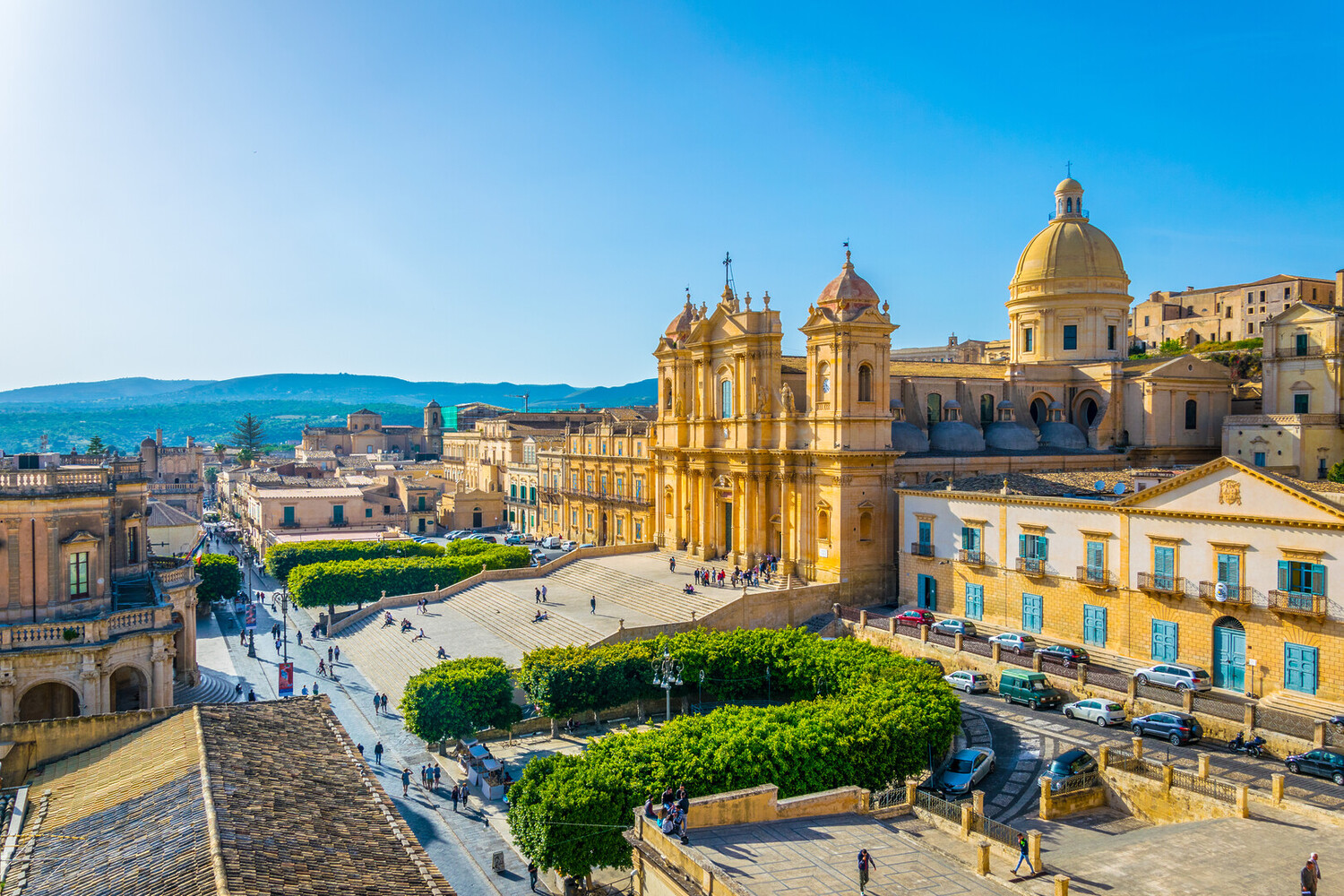
Just a 40-minute drive southwest of Syracuse, Noto is a jewel of Sicilian baroque and a UNESCO World Heritage Site that deserves a top spot on your itinerary. Grand piazzas, intricate facades, and the stunning Cathedral of Noto make every corner feel like a film set. As part of the Val di Noto, this city showcases the island’s post-earthquake baroque revival and artistic spirit.
Visit Noto Italy to see how beauty and history meet in golden stone, and don’t miss it if you’re day-tripping from Syracuse.
Head to the city of Catania
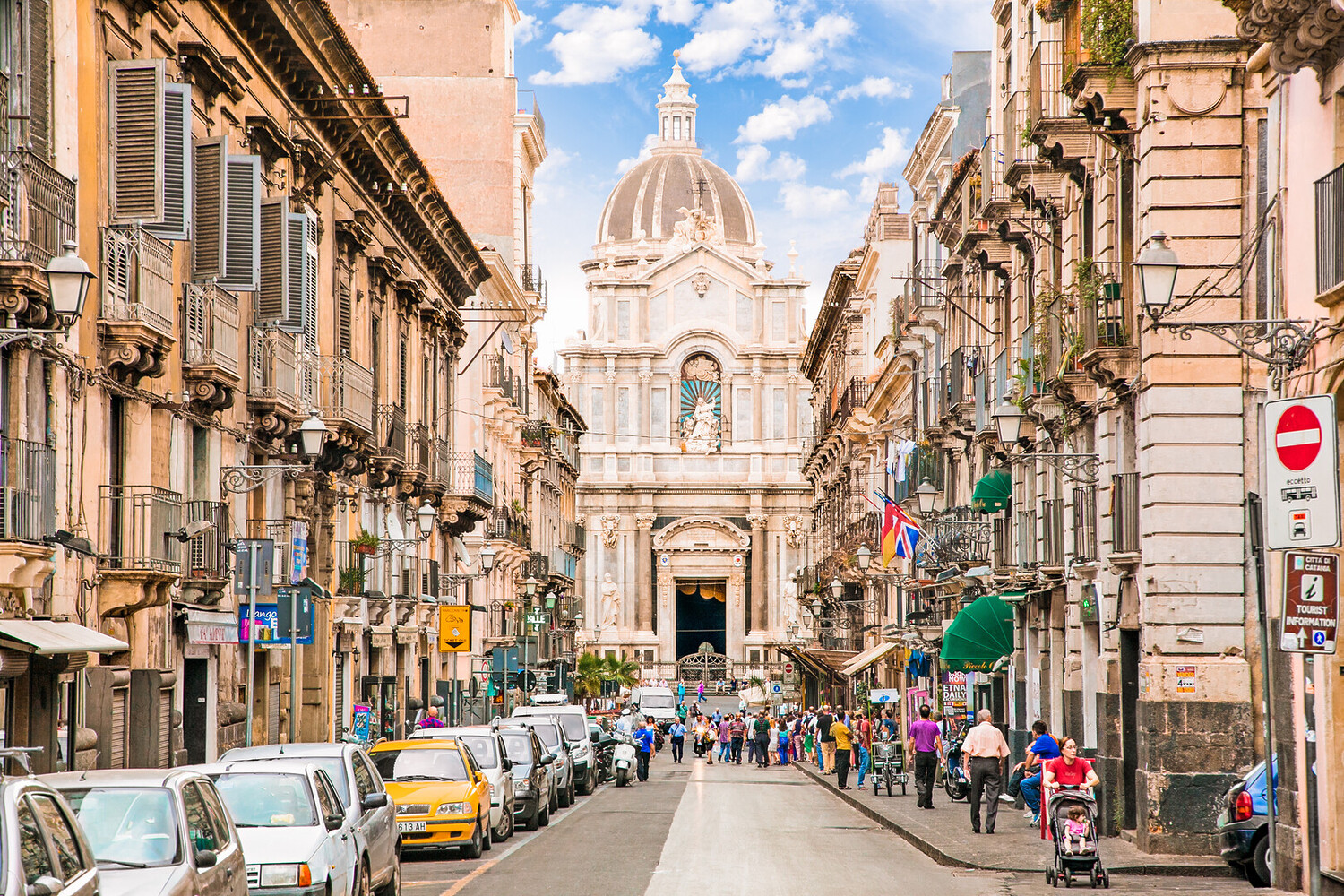
Roughly 1 hour and 15 minutes north of Syracuse, Catania sits between the sea and the slopes of Mount Etna, pulsing with volcanic energy and centuries of layered history. Known for its striking black-lava baroque architecture and buzzing street markets, the city offers a bold contrast to the classical calm of Syracuse. Wander through Piazza del Duomo, snap a photo by the Elephant Fountain, and explore ancient remnants at the Teatro Romano. If you’re into food and wine, Catania wine tours add another dimension to the experience, pairing bold reds with views of the volcano that shaped them. Visit Catania Italy to round out your cultural deep dive through eastern Sicily.
Taste organic elegance by the Sea
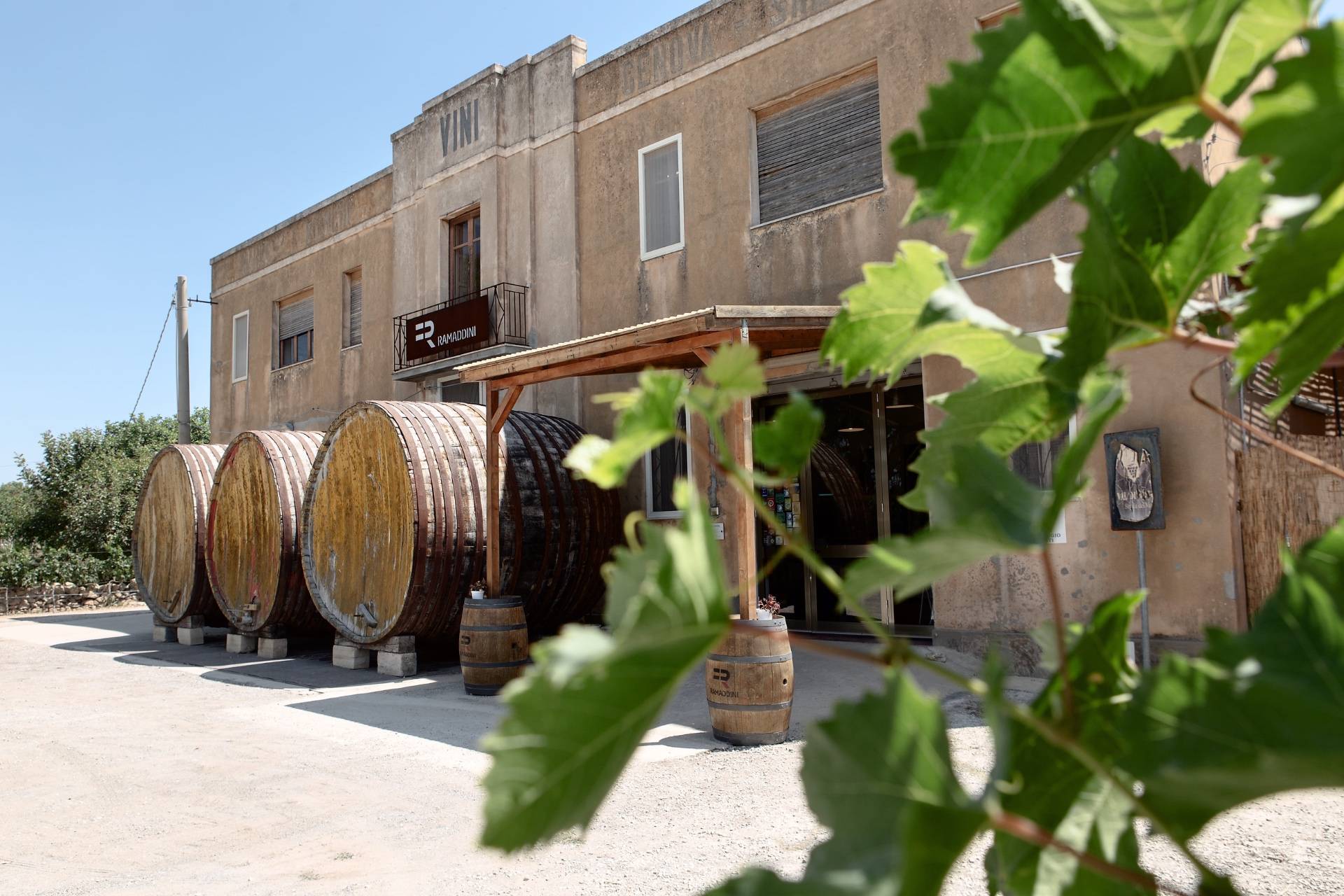
Nestled in the tranquil village of Marzamemi, this organic winery blends soulful tradition with coastal serenity. At Ramaddini, winemaking is a vocation built on respect—for land, history, and time. With vineyards stretching toward the sea and artisanal wines that range from bubbly to Mediterranean reds, every bottle whispers “Sicilian sunshine and slow days.” Ideal for travelers who want to sip wine with their feet in the sand and their hearts full of story.
Wander vine-lined hills
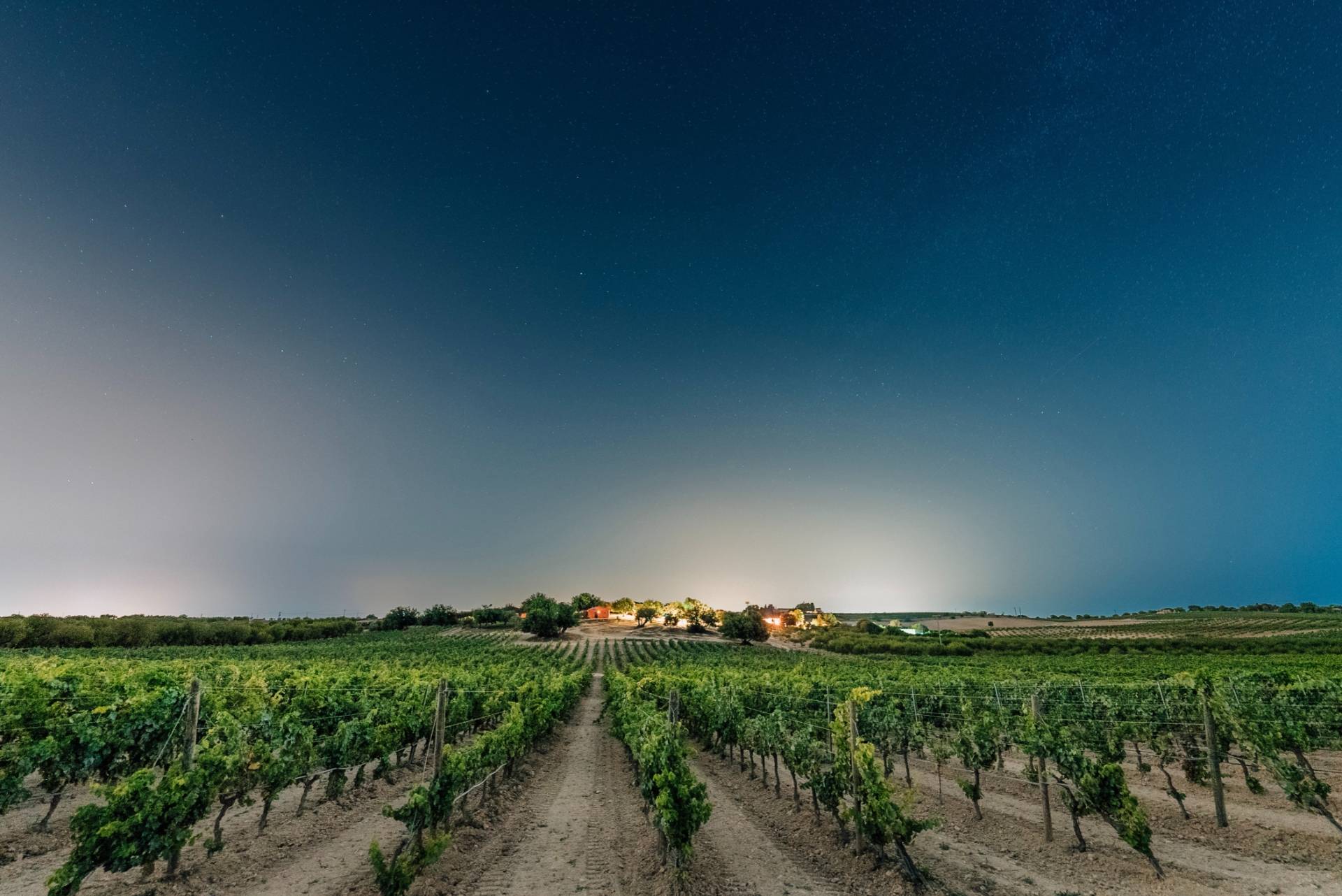
Perched amid the sweeping plains of Val di Noto, this estate welcomes visitors into a world of rolling vineyards and glowing sunsets. Here, Nero d’Avola reigns among almond groves and carob trees—a scenic stage for stories of local terroir and sustainable winemaking. The architecture itself is a feast: citrus-scented and seamlessly blended into the landscape, creating a sensory journey where wine and history converge.
Escape to the alleys of Ragusa
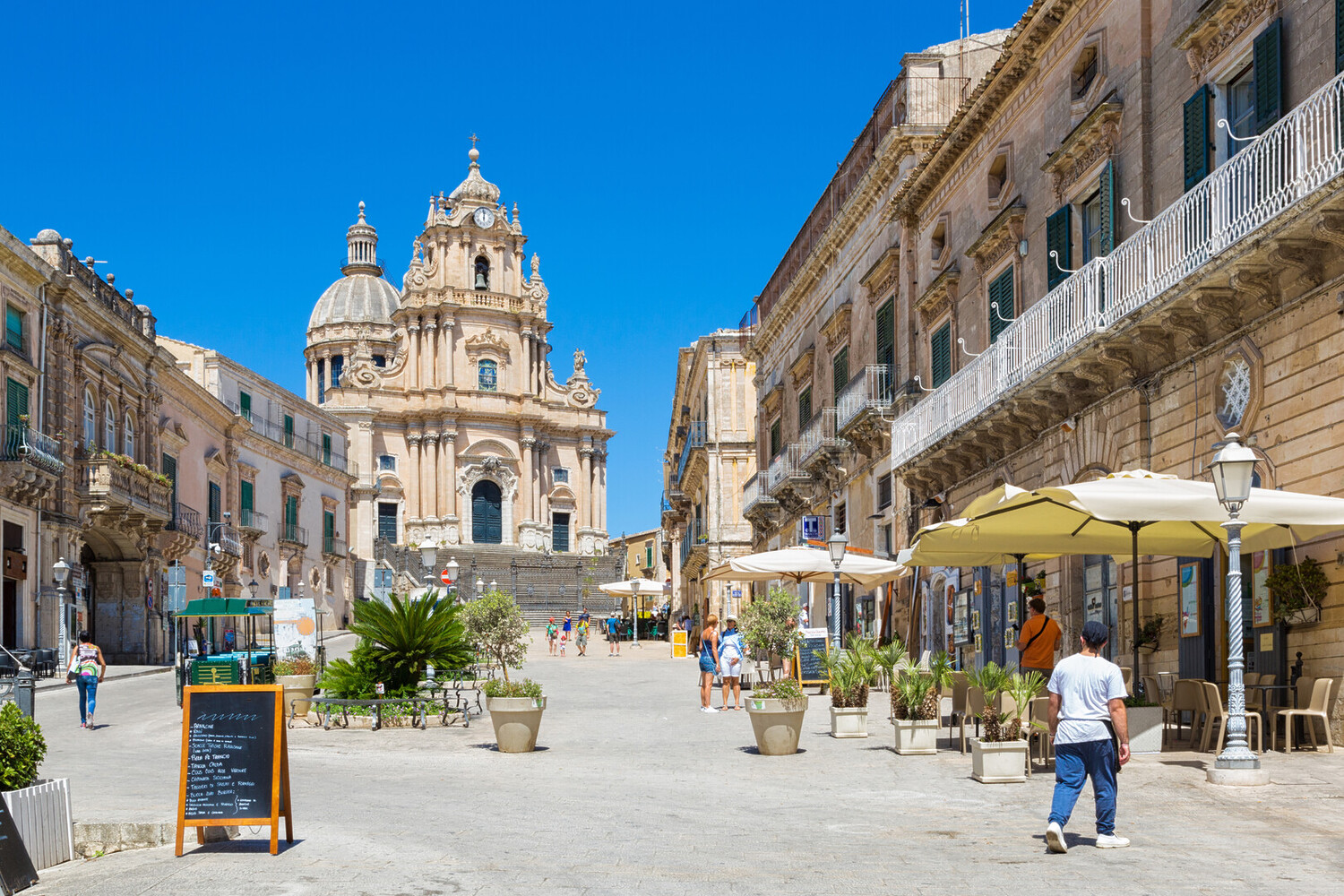
Located about 1.5 hours by car from Syracuse, Ragusa is another baroque jewel within the UNESCO-listed Val di Noto. The city is split between Ragusa Superiore and Ragusa Ibla, connected by scenic stairways and winding alleys lined with stone facades and blooming balconies. Visit Ragusa Italy to explore cave-like homes, grand churches perched on cliffs, and panoramic views that drop into deep green gorges. It’s a dramatic shift from Ortigia’s coastal charm, offering a rawer, hilltop elegance. Don’t miss Piazza Duomo or a long lunch in one of the city’s tucked-away trattorias, this is Sicily at its most soulful.
Good to Know before visiting Syracuse
What is Syracuse known for?
Syracuse (Siracusa in Italian), located on the southeastern coast of Sicily, is renowned for its rich Greek and Roman history, baroque architecture, azure waters, and the atmospheric island of Ortigia. It was once one of the most powerful cities of the ancient Mediterranean and home to the famous mathematician Archimedes. Highlights include the stunning Greek Theatre, the Ear of Dionysius, and the historic Cathedral of Syracuse, built atop an ancient Greek temple.
Is Syracuse in Sicily worth visiting?
Absolutely. Syracuse is a must-visit in Sicily for lovers of history, architecture, and authentic Sicilian culture. Its blend of ancient ruins and charming seaside vibes make it one of the island’s most captivating cities. Whether you’re interested in archaeology, local cuisine, or simply strolling scenic streets, Syracuse has something for everyone.
What is the best time to visit Syracuse?
The best time to visit Syracuse is during the spring (April to June) and fall (September to October). These months offer warm, pleasant weather without the intense summer heat or tourist crowds of July and August. During May and June, you can also attend the classical Greek theater performances held in the ancient Greek Theatre.
How do I travel to Syracuse?
You can reach Syracuse by flying into Catania-Fontanarossa Airport, which is the nearest major airport, located about an hour away by car or train. From Catania, regular train and bus services connect to Syracuse. Renting a car is also a good option if you plan to explore other parts of Sicily.
How many days do you need in Syracuse?
To fully enjoy Syracuse and its surroundings, plan to stay for at least 2 to 3 days. This allows time to explore Ortigia Island, visit the archaeological park, enjoy local food, and even take a short trip to nearby areas like Noto or the beaches of Fontane Bianche.
What not to miss in Syracuse?
Don’t miss the historic island of Ortigia, the heart of the city with its narrow cobblestone streets and vibrant markets. Highlights include the Cathedral of Syracuse, the Fountain of Arethusa, and Castello Maniace. Be sure to visit the Neapolis Archaeological Park, featuring the impressive Greek Theatre, Roman Amphitheatre, and the Ear of Dionysius. For seaside relaxation, visit nearby beaches such as Arenella or Fontane Bianche.
What are the best hotels in Syracuse?
- Algilà Ortigia Charme Hotel: A charming boutique hotel in the heart of Ortigia with sea views and elegant decor.
- Ortea Palace Hotel: A luxury 5-star stay in a restored historical post office building, also located in Ortigia.
- Caportigia Boutique Hotel: A modern and stylish option close to both Ortigia and the archaeological sites.
- B&B Five Rooms: A cozy, budget-friendly choice with friendly service and a central location.
What are the best restaurants Syracuse?
- Oinos Ristorante: A contemporary restaurant serving refined Sicilian cuisine with fresh local ingredients.
- Osteria da Mariano: Classic Sicilian trattoria hidden in Ortigia’s alleys, known for its home-cooked meals.
- Ristorante Regina Lucia: Located in Piazza Duomo, offering exceptional seafood and fine dining atmosphere.
- Caseificio Borderi: A must-visit for its famous, freshly made sandwiches and cheeses in Ortigia Market.
- Fratelli Burgio: Part deli, part restaurant serving traditional and creative Sicilian plates with fantastic antipasti boards.
What local experiences should I try in Syracuse?
Explore the open-air market in Ortigia for a taste of local life and authentic Sicilian products. Take a sunset boat tour around the island, try a cooking class focused on Sicilian dishes, or visit a local winery in the countryside. Don’t miss tasting Sicilian street food like arancini, granita with brioche, and pistachio gelato.
Are there day trips I can take from Syracuse?
Yes, Syracuse is perfectly located for several day trips. You can visit the baroque town of Noto, a UNESCO World Heritage site famous for its stunning architecture. The coastal reserve of Vendicari offers beautiful beaches and birdwatching opportunities. For nature lovers, the Cavagrande del Cassibile nature reserve features hiking trails and scenic freshwater pools.

Victoria explores Europe's wine regions to share the finest wine tourism experiences with our travelers. Here she shares her favorite discoveries, tips, and encounters with the winemakers behind every bottle.


