

Visit the Sicily Wine Region: The Complete Guide

Sicily is a wine region unlike any other in Italy — an island the size of a small country, where vines grow on the slopes of an active volcano and in the heat of the Mediterranean sun. For years it was written off as a source of bulk wine and sweet Marsala, but the last two decades have been a revolution: a new generation working native grapes like Nero d’Avola and Nerello Mascalese has made Sicily one of the most exciting corners of the world of wine. It’s the Italian region whose transformation has surprised me most.

Nowhere is that clearer than on Mount Etna, where high-altitude vineyards on black volcanic soils produce mineral, age-worthy reds and whites that wine lovers now chase like Burgundy. With the Winalist team, we work with the growers from Etna to Marsala. In this guide, we’ve gathered everything you need to plan a trip: the appellations, the native grapes, the best wine towns, when to come and how to get around.

The essentials for visiting the Sicily wine region
  • Sicily in brief: the largest island in the Mediterranean Sea, off the toe of Italy. One of the country’s largest and most dynamic wine regions, with a warm climate tempered by altitude and sea breezes.
  • Star zones: Etna DOC (volcanic reds and whites on Mount Etna), Marsala (the historic fortified wine in the west), Vittoria (Cerasuolo di Vittoria DOCG), and Pantelleria (sweet passito from Zibibbo).
  • Grapes: reds from Nero d’Avola, Nerello Mascalese (the Etna Rosso grape), Frappato and Perricone; whites from Grillo, Carricante (the Etna Bianco grape), Catarratto, Inzolia (Lucido) and Zibibbo.
  • Must-sees: the Etna wineries, Taormina, the baroque towns of Noto and Ragusa, Palermo, the Marsala salt flats, the Aeolian Islands.
  • Ideal stay: 5–7 days — Sicily is big, so combine one wine zone (Etna or the west) with the coast and a baroque town or two.
  • Local table: arancini, caponata, swordfish, pasta alla Norma, cannoli and citrus — all built for Sicily’s reds and whites.
  • Access: fly to Catania (for Etna and the east) or Palermo (for the west); a car is essential.
  • Budget for two: $400–$750 (€370–700) for a comfortable few days in wine country.
Table of Contents

The wineries and vineyards to visit in Sicily

The Sicilian wine scene ranges from large historic houses like Donnafugata to small winemakers working old bush-vines and the terraces of Mount Etna. The diversity is huge: a single trip can take in a mineral Etna Rosso from Nerello Mascalese, a juicy Nero d’Avola, a crisp Grillo white, and a glass of sweet Marsala or Pantelleria passito. Many estates now farm by organic farming, and tastings often come with views of the volcano or the sea. Most winery visits last 1–2 hours and end with a tasting; expect $15–$50 (€14–45), often with the producer themselves.

Book a wine tasting in Sicily

The best wine experiences in the Sicily wine region: our top 10

Here’s our pick of the must-do wine experiences across Sicily — a mix of volcanic vineyards, baroque towns and the native grapes that make the island one of Italy’s most exciting wine regions.


1. Taste Etna Rosso on the volcano

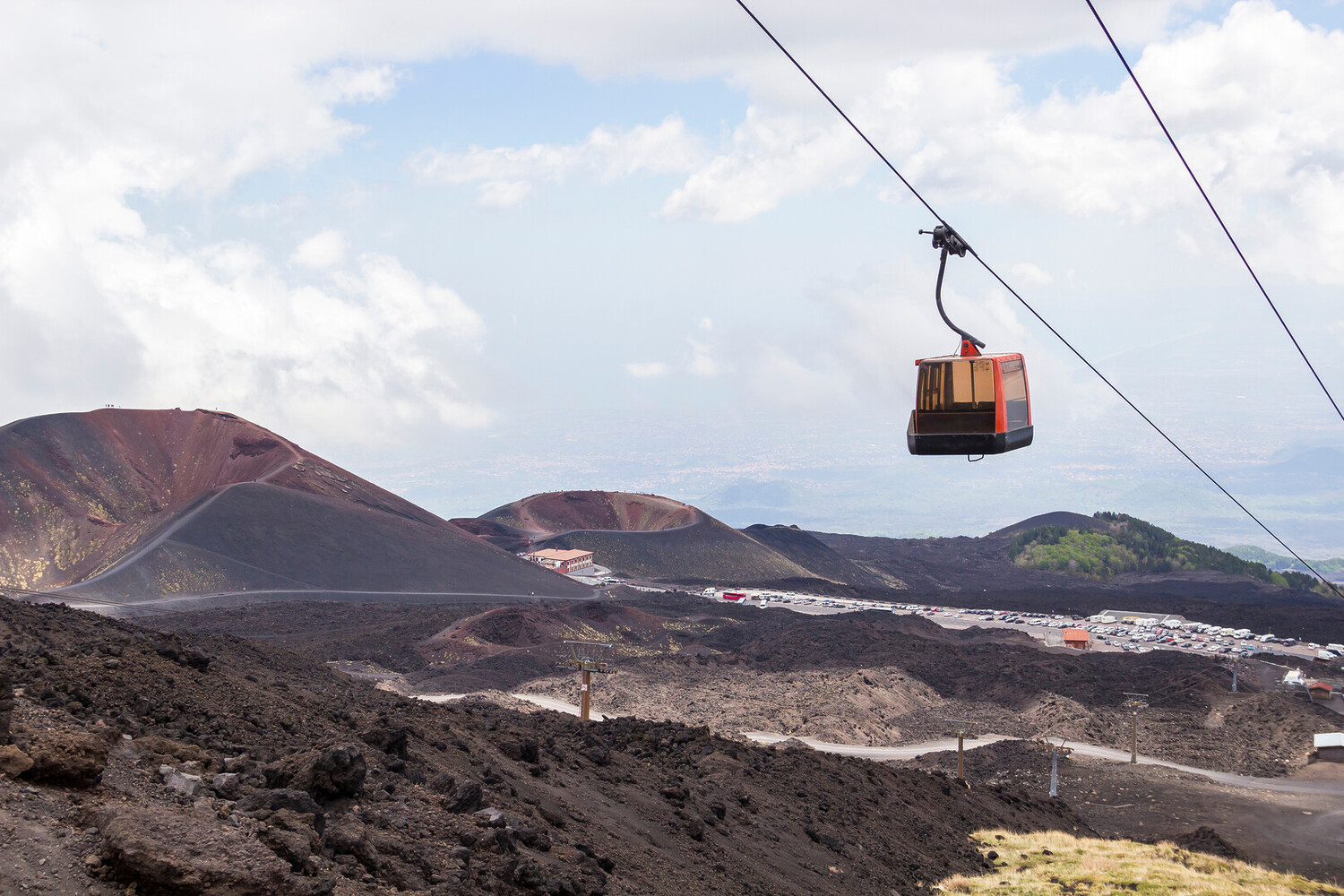
The slopes of Mount Etna are Sicily’s most thrilling wine country: high-altitude vineyards on black volcanic soils, where Nerello Mascalese makes pale, mineral, age-worthy Etna Rosso — often compared to great Burgundy or Barolo. The Etna DOC is the heart of the island’s renaissance.


2. Discover Carricante and Etna Bianco

Etna isn’t only about reds: the white Carricante grape makes Etna Bianco, a tense, lemony, mineral white that’s one of Italy’s finest — and ages beautifully. A must-taste alongside the reds.


3. Explore the historic cellars of Marsala

In the west, the port town of Marsala gave the world its famous fortified wine. The grand historic baglio cellars still age Marsala in vast oak casks — a fascinating, atmospheric tasting and a piece of wine history.


4. Sip Nero d’Avola across the island

Sicily’s signature red grape, Nero d’Avola, makes warm, dark, fruity reds all over the island. From the south-east around Noto to the central hills, it’s the everyday red of Sicily — and increasingly serious.


💡 Tip: to book a winery visit in Sicily with tasting, browse Winalist’s partner estates from Etna to Marsala.


5. Taste Cerasuolo di Vittoria

In the south-east, Vittoria is home to Sicily’s only DOCG, Cerasuolo di Vittoria — a bright, perfumed blend of Nero d’Avola and the lighter Frappato. A lovely change of pace.


6. Visit Pantelleria and its sweet wines

The wind-swept island of Pantelleria, closer to Africa than Italy, makes legendary sweet passito from sun-dried Zibibbo (Muscat) grapes, grown in low bush-vines protected from the wind. A unique, age-worthy speciality.


7. Combine wine with baroque Noto and Ragusa

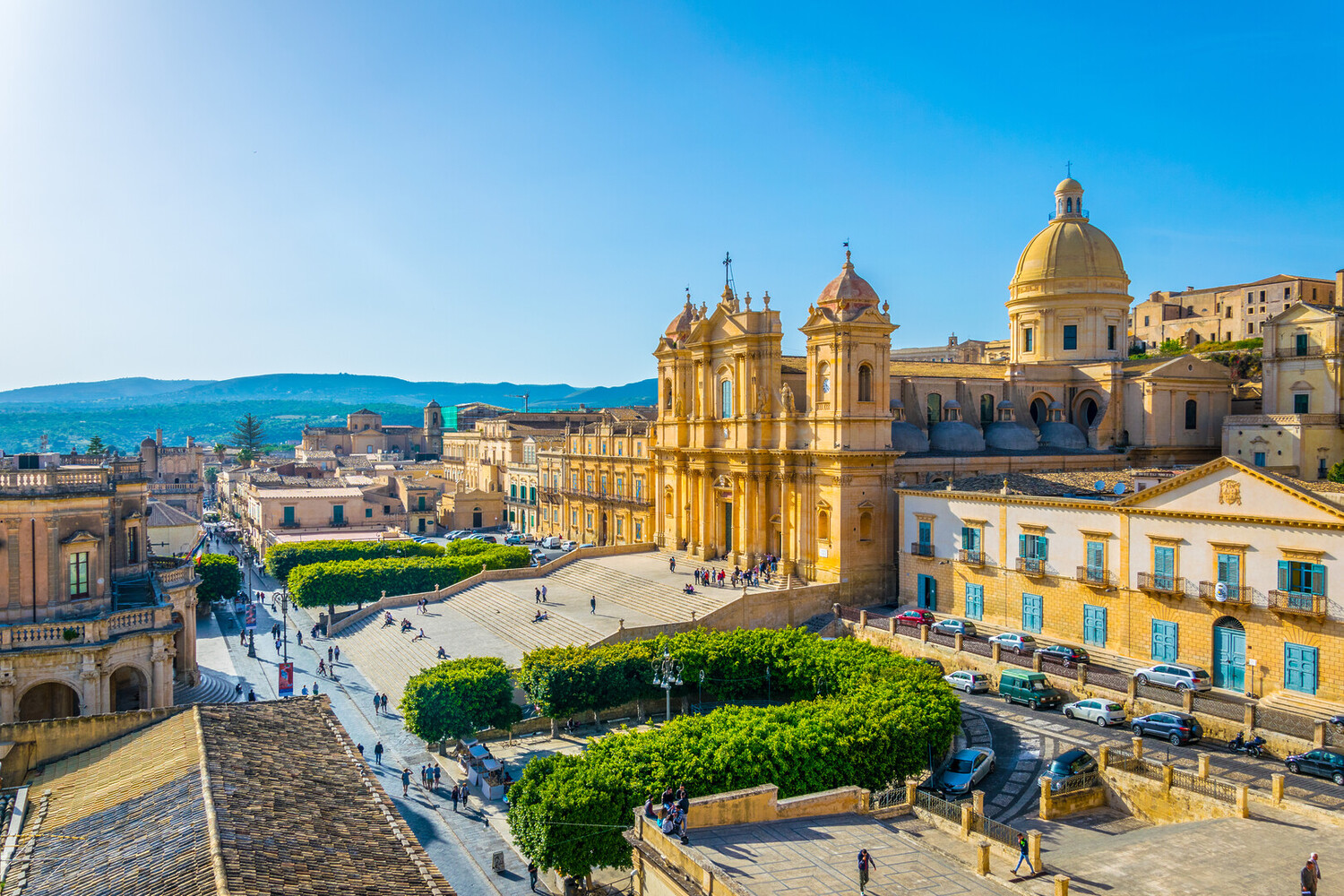
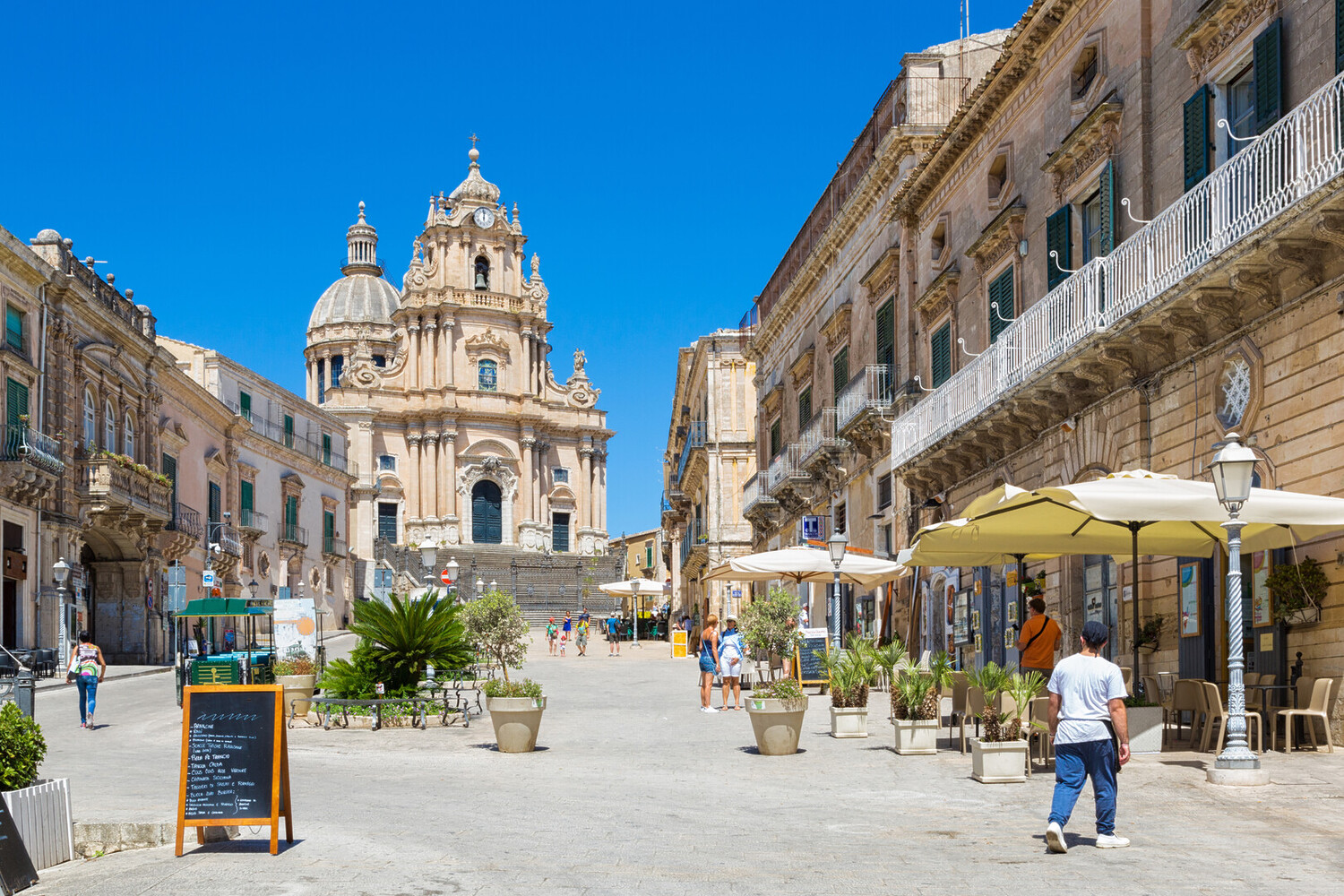
The UNESCO baroque towns of the Val di Noto — Noto, Ragusa, Modica — sit among the Nero d’Avola vineyards of the south-east. Pair golden-stone architecture and Modica chocolate with the local reds.


8. Base yourself near Taormina

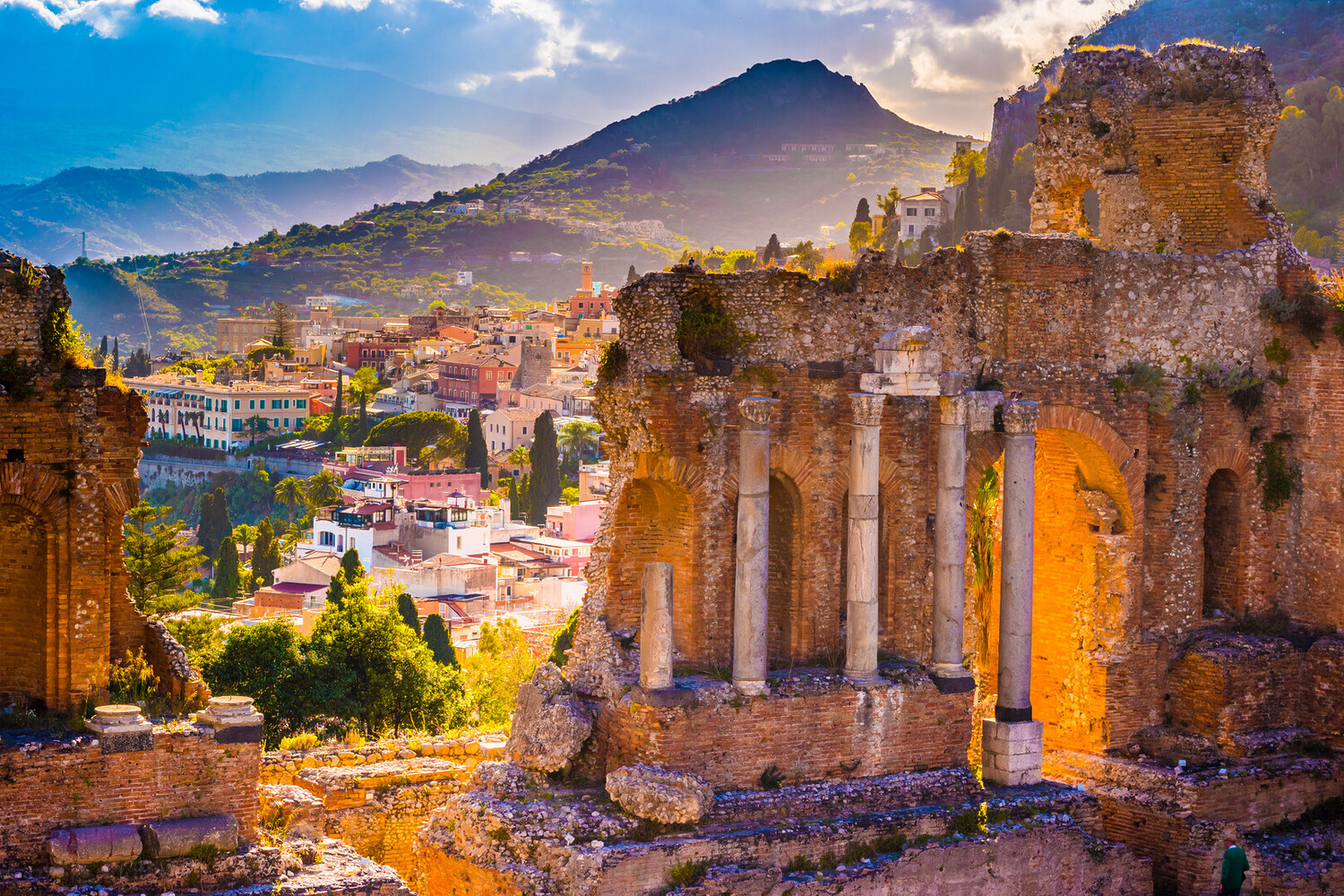
Glamorous Taormina, with its Greek theatre and views of Etna, makes a perfect base for the eastern wine country — an easy drive to the Etna estates with the coast on your doorstep.


9. Explore Palermo and the west

Sicily’s vibrant capital, Palermo, is the gateway to the western wine zones — Marsala, the Grillo and Catarratto whites, and the salt flats of Trapani. A feast of markets, street food and history.


10. Time your visit for the harvest

The Sicilian vendemmia is one of the earliest in Europe — starting in August in the lowlands and running into October high on Etna. Harvest season is the most atmospheric time to taste, with the cellars in full swing.

The wine towns and cities to visit in Sicily

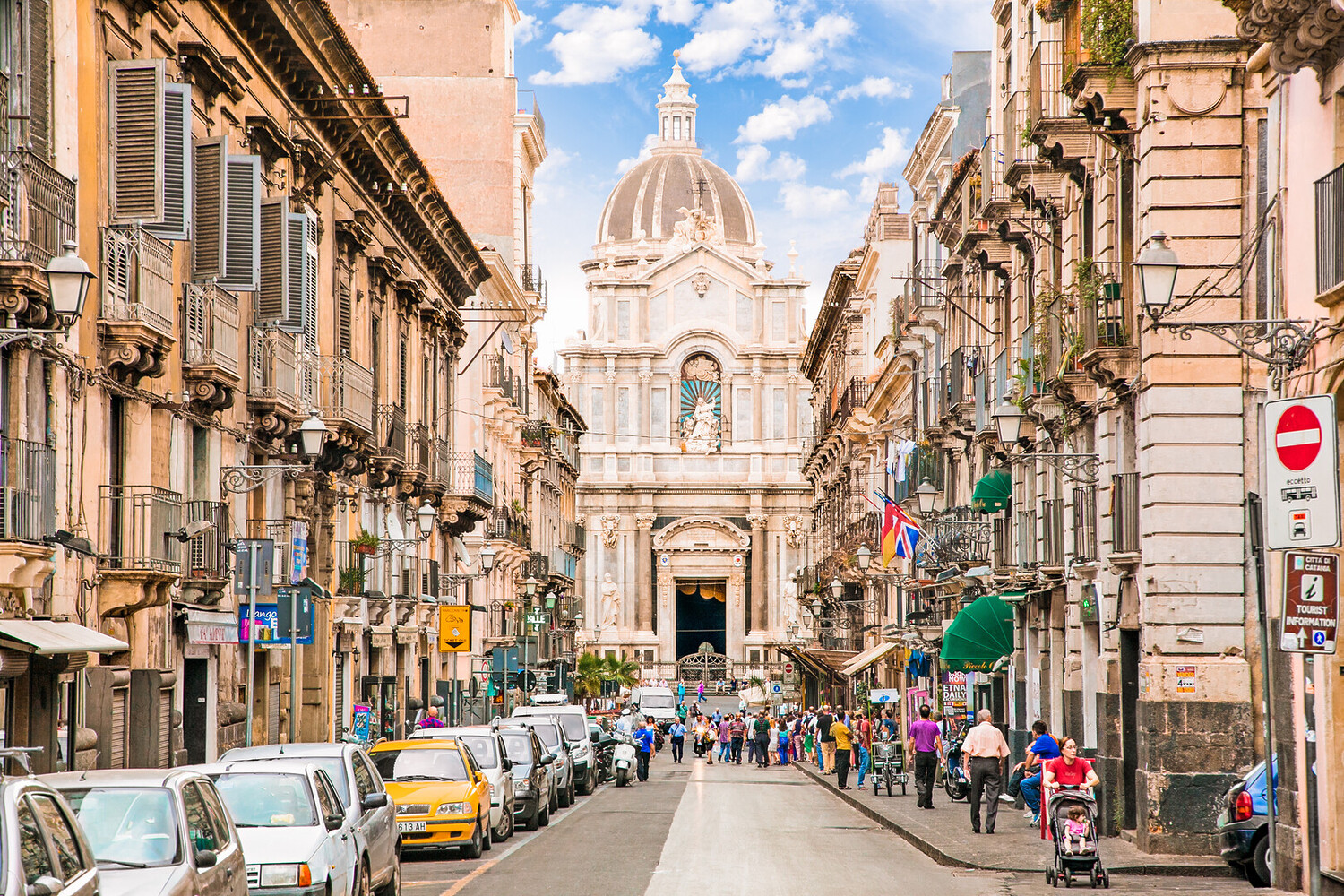
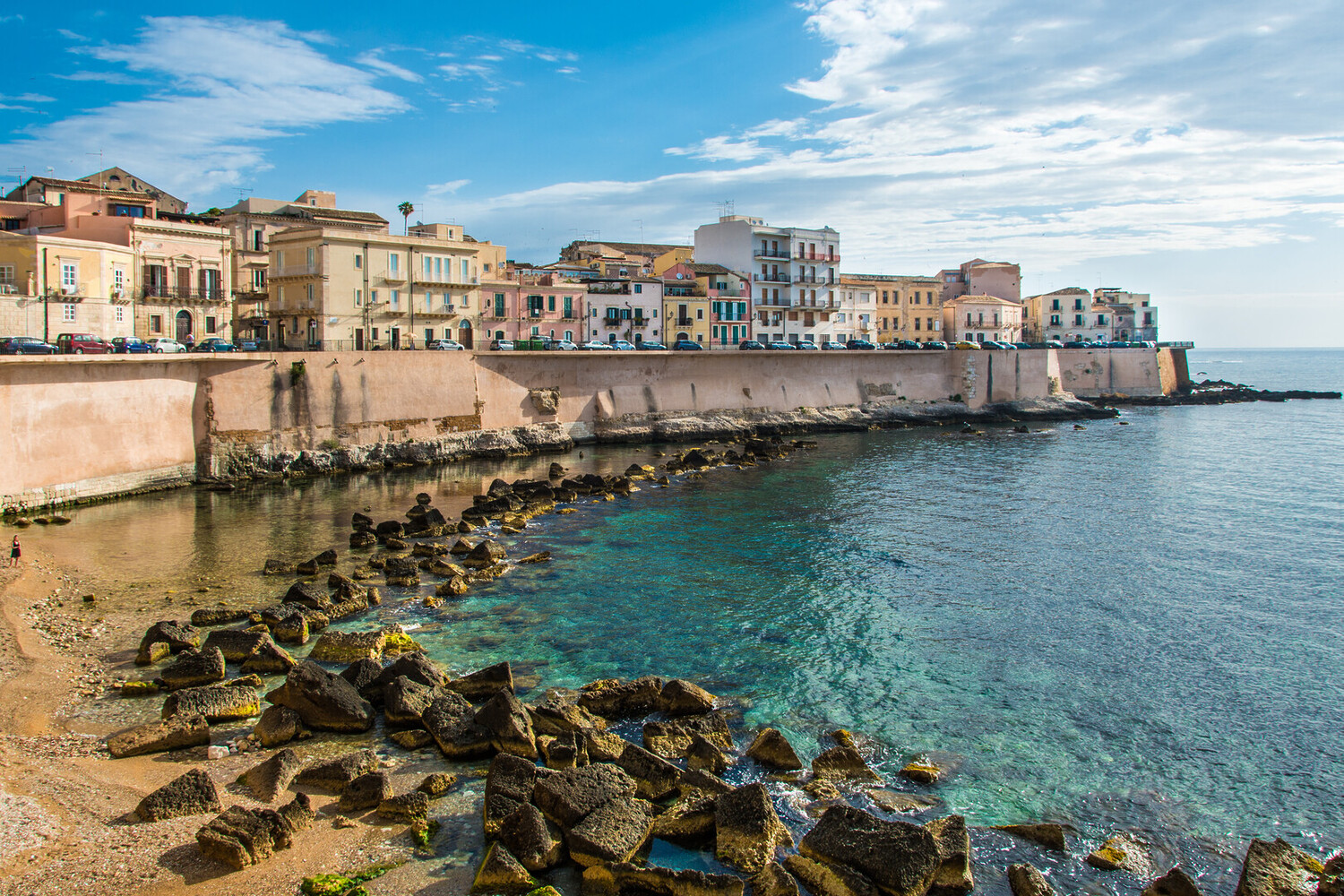
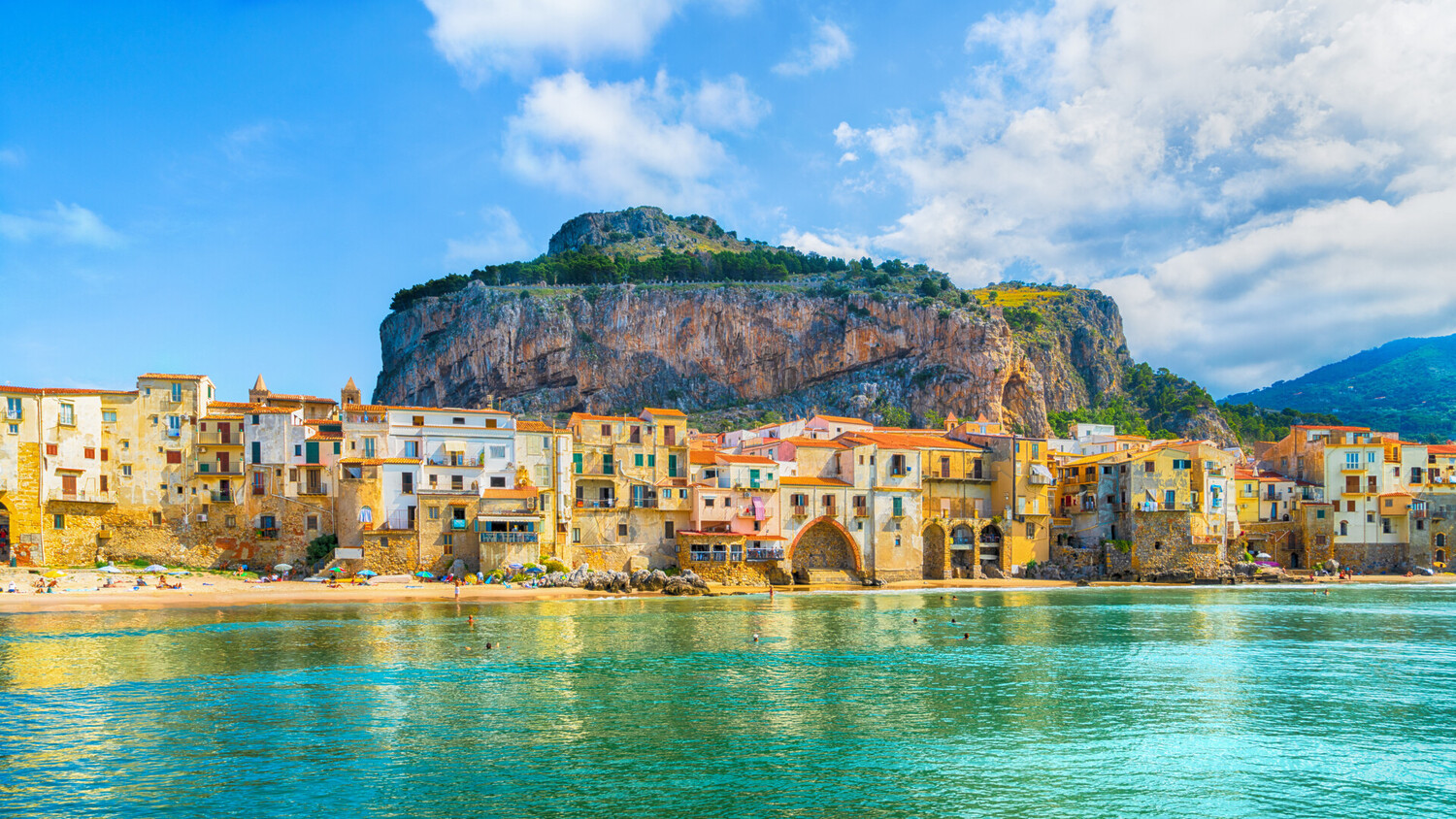
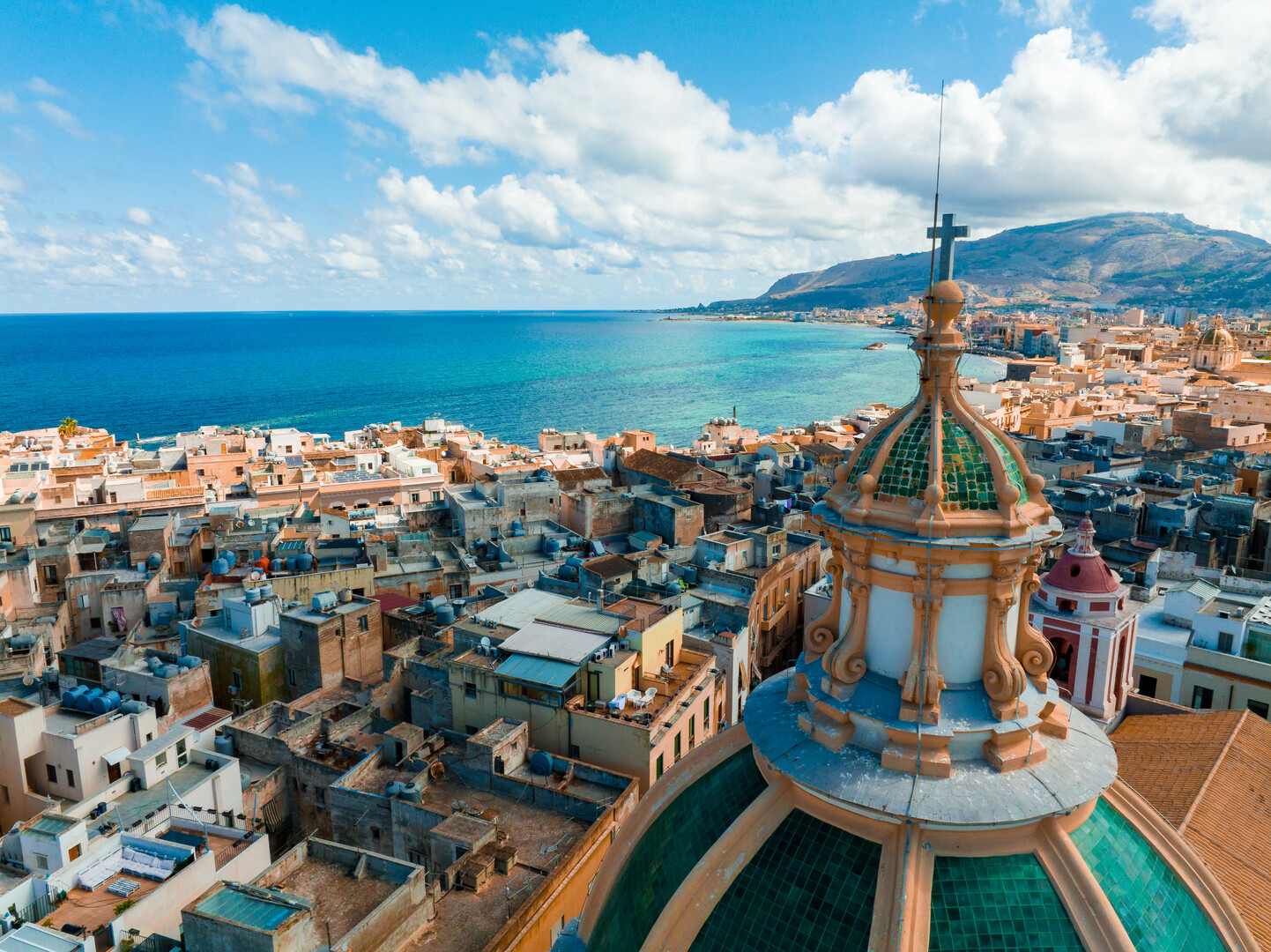
Several towns anchor a Sicily wine trip: Catania, the gateway to Mount Etna in the east; Taormina, the glamorous coastal base; Palermo, the western capital; Marsala and Trapani for the fortified wines and salt flats; the baroque towns of Noto, Ragusa and Modica in the south-east; and Syracuse with its ancient heart. Each deserves its own guide.

When to visit the Sicily wine region?

Spring (April–June)

One of the best times: warm but comfortable, wildflowers across the countryside, and the vineyards lush before the summer heat. Ideal for combining wine, the coast and the baroque towns.

Summer (July–August)

Hot — especially in the lowlands — and busy on the coast. The harvest begins in August in the warmest zones. Taste in the morning, head to the sea or up Etna for the afternoon.

Harvest (August–October)

The Sicilian vendemmia is one of Europe’s earliest and longest, running from August in the plains to October on Etna’s heights. Atmospheric and delicious, with the cellars busy.

Autumn (October–November)

Mild, golden and quieter, with the last grapes coming in high on Etna. A lovely, relaxed time to tour the wineries.

Winter (December–March)

Mild on the coast, cool and sometimes snowy on Etna (you can ski and taste in the same day). Some small estates reduce hours, but Catania, Palermo and Taormina stay lively.

How to get to the Sicily wine region?

By plane

  • Catania (CTA) — the gateway to Mount Etna and eastern Sicily
  • Palermo (PMO) — for the west, Marsala and Trapani
  • Trapani (TPS) and Comiso (CIY) — handy regional airports

By ferry / train

  • Ferries cross from the mainland (Villa San Giovanni → Messina); trains from Rome and Naples are put on the ferry
  • On the island, trains link the main coastal cities (Catania, Palermo, Syracuse) but not the rural wine zones

By car

  • Catania → the Etna wineries: 30–60 min
  • Catania → Taormina: ~30 mi (50 km), 50 min
  • Palermo → Marsala: ~80 mi (130 km), 1h45
  • Catania → Noto / Ragusa: ~55 mi (90 km), 1h15

Getting around

  • Car: essential — Sicily is large and the wineries and baroque towns are spread out.
  • Guided tours with driver: many Winalist partners run half-day and full-day Etna and Marsala wine tours from Catania, Taormina and Palermo.
  • Train + base city: works for the coastal cities, but not for the Etna or western estates.

Where to stay in the Sicily wine region?

Charm and luxury

  • Monaci delle Terre Nere (Etna): a celebrated wine-estate hotel on the volcano’s slopes.
  • San Domenico Palace (Taormina): a former convent turned luxury hotel with views of Etna and the sea.
  • Villa Igiea (Palermo): a grand belle-époque palace hotel on the bay.
  • Donnafugata estate stays and other wine-resort options around Marsala and the south-east.

Wine-country guesthouses

Around Etna, Vittoria and Marsala, family-run agriturismi and estate stays welcome guests, often with a tasting of their own Etna Rosso or Nero d’Avola. Expect $100–$190 (€90–175) per night — an authentic way to stay among the vines.

For a different kind of Sicily experience

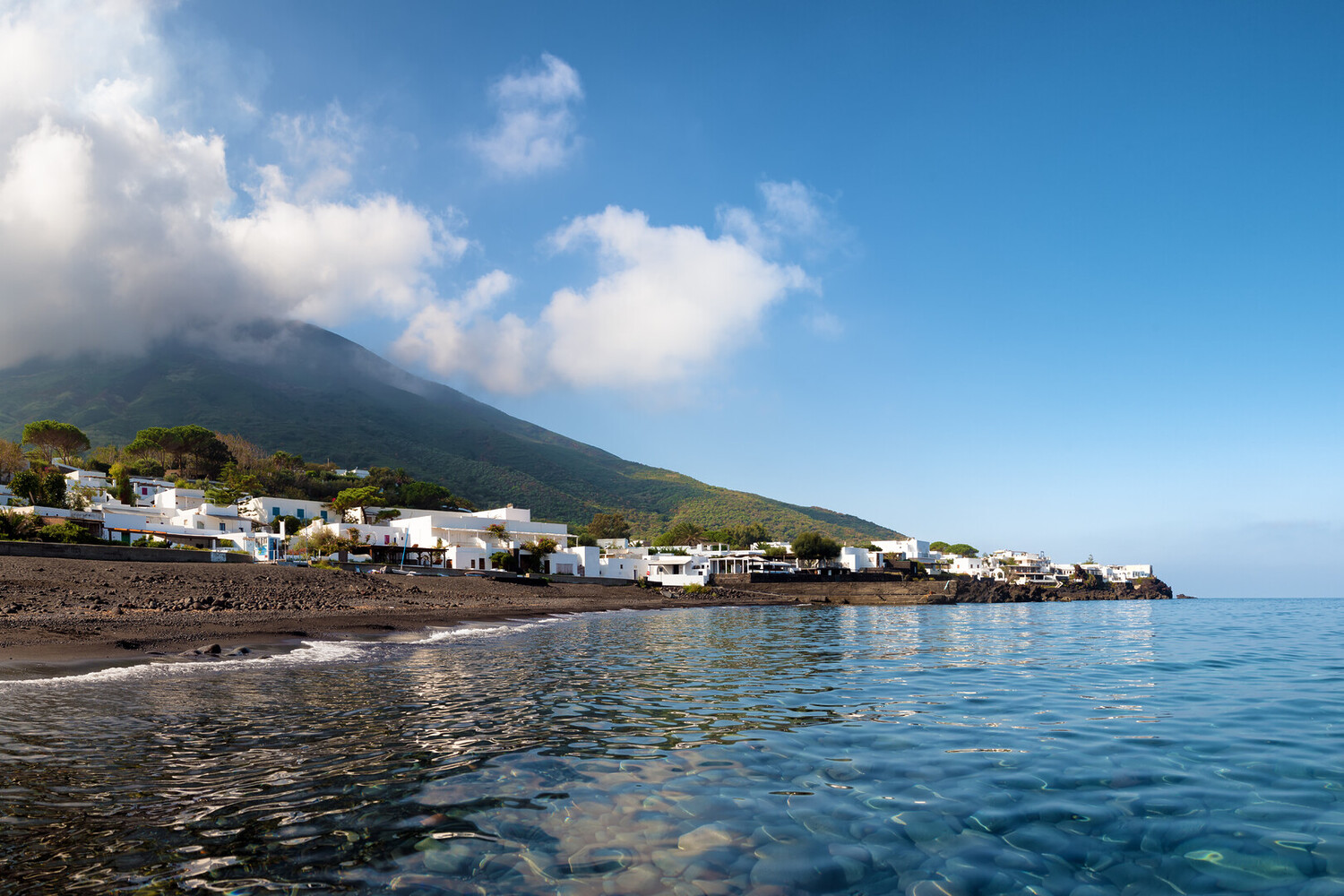
Volcano lodges on Etna, baroque-town boutique hotels in Noto and Ragusa, and island stays on Pantelleria or the Aeolian Islands. Plenty of options for trips with family or friends.

Good to know before visiting the Sicily wine region

  • Where is the Sicily wine region in Italy?

    Sicily is the largest island in the Mediterranean Sea, off the southern tip of mainland Italy. Vineyards are found across the whole island — most famously on Mount Etna in the east, around Marsala in the west, and in the Vittoria zone in the south-east. Fly to Catania (east) or Palermo (west).
  • What wine is Sicily known for?

    Sicily is known for Etna wines — mineral Etna Rosso from Nerello Mascalese and Etna Bianco from Carricante — as well as the island's signature red Nero d'Avola, the historic fortified Marsala, the Cerasuolo di Vittoria DOCG, and sweet Zibibbo passito from Pantelleria.
  • What grapes are grown in Sicily?

    The main red grapes are Nero d'Avola, Nerello Mascalese (the Etna grape), Frappato and Perricone. Whites include Grillo, Carricante, Catarratto, Inzolia (Lucido) and Zibibbo. Some estates also grow Syrah, Cabernet and Chardonnay under the Terre Siciliane IGT.
  • What is Etna wine and why is it special?

    Etna DOC wines come from vineyards on the slopes of the active volcano Mount Etna, grown on black volcanic soils at high altitude. The cool nights and mineral soils give Etna Rosso (Nerello Mascalese) and Etna Bianco (Carricante) a freshness and elegance unusual for southern Italy — which is why they've become so sought-after.
  • What is Marsala?

    Marsala is a fortified wine made around the western port town of the same name, from white grapes like Grillo and Catarratto. It ranges from dry to sweet and was historically aged in oak; it's both a sipping wine and a famous cooking wine.
  • When is the best time to visit Sicily for wine?

    Spring and the harvest (April–June and August–October) are ideal. Spring is mild and green; the harvest is long here, from August in the lowlands to October on Etna. Summer is hot and busy on the coast.
  • How do you get around Sicily's wine regions?

    A car is essential — Sicily is large and the wine zones (Etna, Marsala, Vittoria) and baroque towns are spread out and poorly served by rural transport. Fly into Catania for Etna and the east, or Palermo for the west, and drive from there, or take a guided wine tour with a driver.
Brand Manager at 

Victoria explores Europe's wine regions to share the finest wine tourism experiences with our travelers. Here she shares her favorite discoveries, tips, and encounters with the winemakers behind every bottle.

Winalist is Europe's n°1 platform to book winery visits, tastings and wine tourism experiences. 2,000+ handpicked producers. Free booking and cancellation, instant confirmation.

Discover Winalist
Brand Manager at 

Victoria explores Europe's wine regions to share the finest wine tourism experiences with our travelers. Here she shares her favorite discoveries, tips, and encounters with the winemakers behind every bottle.

All our travel guides for Sicily