

I need to check the consistency rule carefully. The title says “Five days” and the intro/body describes a 5-day itinerary with days 1-5, but the keyword list explicitly includes “4-day sardinia itinerary” and “day 4” as required terms, with no “day 5” in the h2/h3 terms list (though content terms don’t restrict it). Given the keyword “4-day sardinia itinerary” must be used, and the hard rule demands ONE consistent duration everywhere, I’ll commit to a 4-day itinerary (days 1-4), removing the “day 5” as a separate day and merging its content into day 4’s closing, since “4-day sardinia itinerary” is an explicit required keyword phrase that would otherwise never appear.
Four days, one loop, zero regrets
A friend once asked us to name the best beach in Sardinia and we genuinely couldn’t — not because we’re dodging the question, but because the island stacks three or four contenders into a single 40-mile stretch of coast. That’s the problem this itinerary solves: it doesn’t try to see everything, it picks the loop that actually delivers.
Four days is the Sardinia itinerary we’d build for a first visit: Cagliari and the south coast on day 1, the Costa Smeralda and a boat day around La Maddalena on day 2, Cala Gonone and the Gulf of Orosei on day 3, and the Baunei coast with Cala Goloritzé on day 4 before heading home. Rent a car for the whole trip — the best beaches sit at the end of roads no bus reaches, and this coastline always drives slower than the map promises.
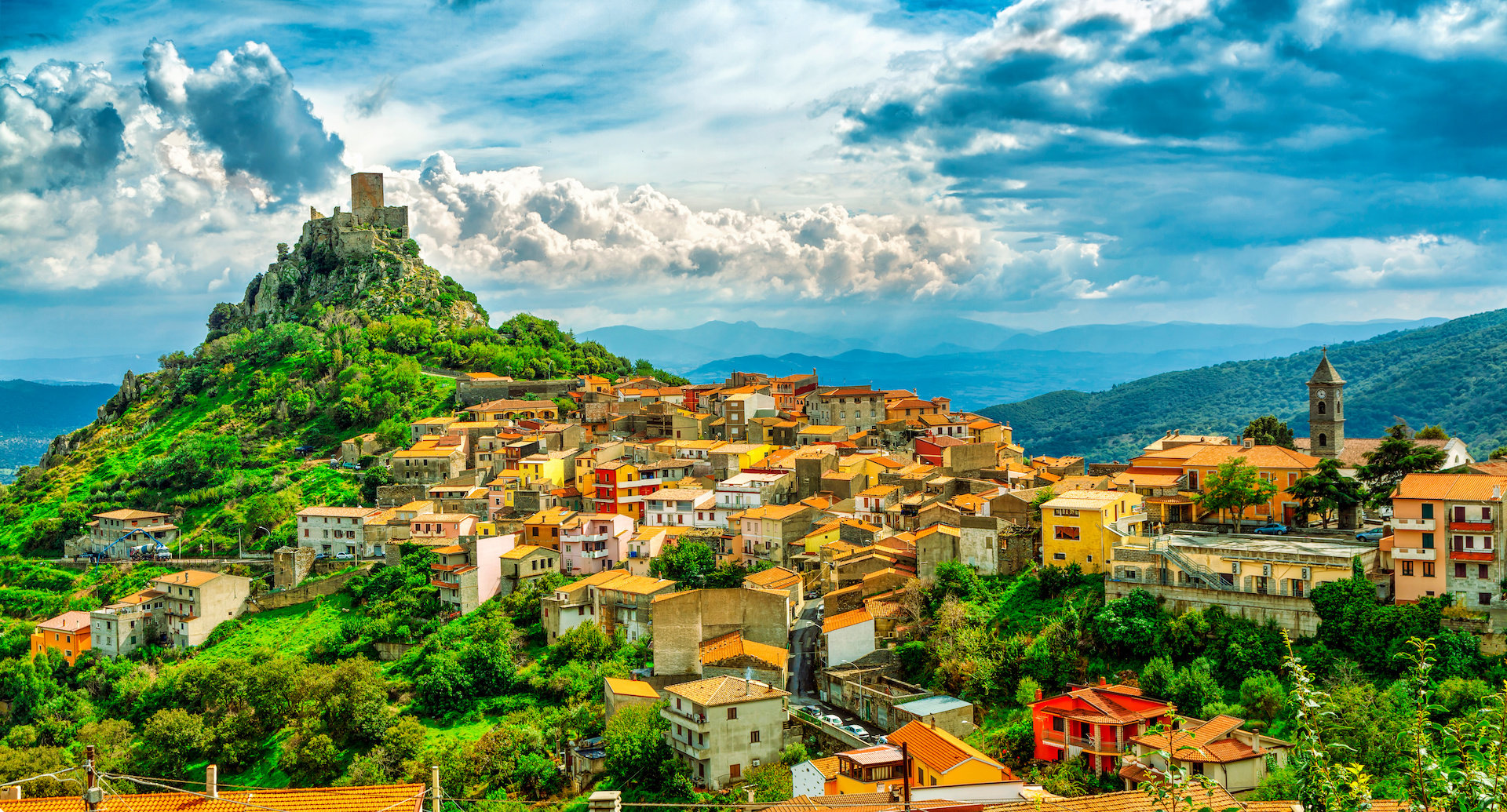
Sardinia sits alone in the Mediterranean Sea, about 190 km off mainland Italy and just south of Corsica, and the terrain shifts fast: granite peaks, cork-oak forests, Nuraghe towers left behind by the Nuragic civilization, and a coastline that keeps topping itself within a couple of hours’ drive. We’ve gone from a city beach in Cagliari to an empty hiking trail in less time than a flight delay, which is the whole appeal of this loop. For a broader sense of what else fits into a longer trip, our things to do sardinia guide is worth ten minutes before you land.
Do you actually need a car to get around Sardinia?
Yes, and once you see where these beaches sit, it stops being a debate. Coastal bus routes thin out fast outside July and August, and a good share of Sardinia’s calas sit down unpaved side roads that public transport never reaches.
Three airports set your starting point: Cagliari Elmas Airport in the south, Olbia Costa Smeralda Airport in the northeast, and Alghero Fertilia in the northwest, all linked to major Italian cities year-round with extra seasonal routes from other parts of Europe in summer. We compare flights a few months out through Kiwi when we’re coming from outside Italy, since summer fares climb fast — ferries from Civitavecchia, Livorno, Genoa or Naples are the other way in, running roughly 5 to 14 hours depending on the crossing.
We pick up the rental car at whichever airport we land in and compare Cagliari, Olbia and Alghero side by side through Discover Cars before booking, insurance included — handy if you’re flying into one and out of another for a one-way loop like this. There are no tolls anywhere on the island, so fuel is really the only road cost, but build in extra time for the interior and for the whole Baunei coast; book a few weeks ahead in July or August since Olbia and Cagliari both run short on compact cars in peak season.
Day 1 — Cagliari and the south coast
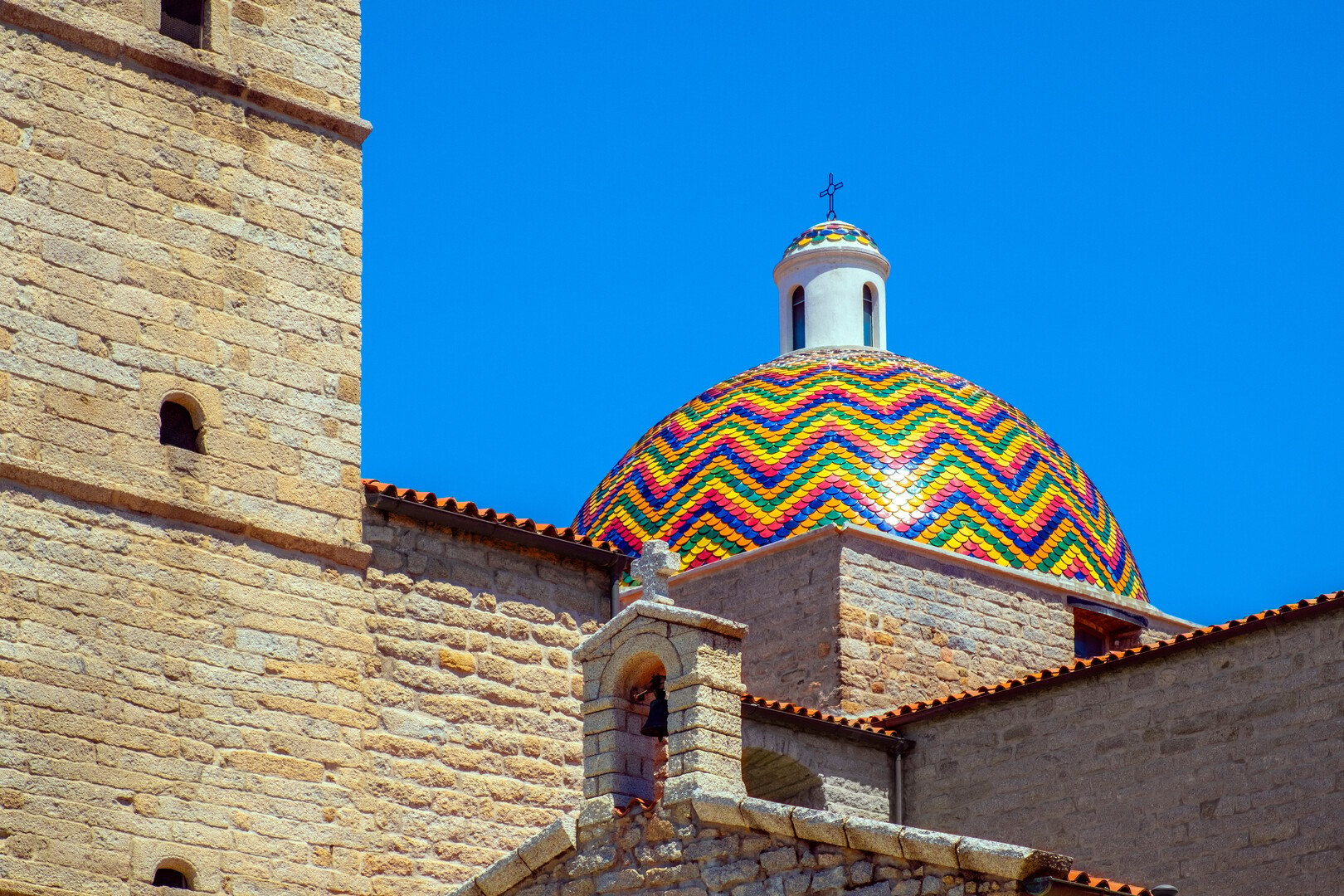
We treat day one as the easy warm-up before the real driving starts: the Castello district in the morning, the San Benedetto market for lunch, then Poetto Beach and the flamingos of Molentargius through the afternoon. It’s entirely walkable, which is exactly what you want before three more days behind the wheel.
Getting pleasantly lost in Castello
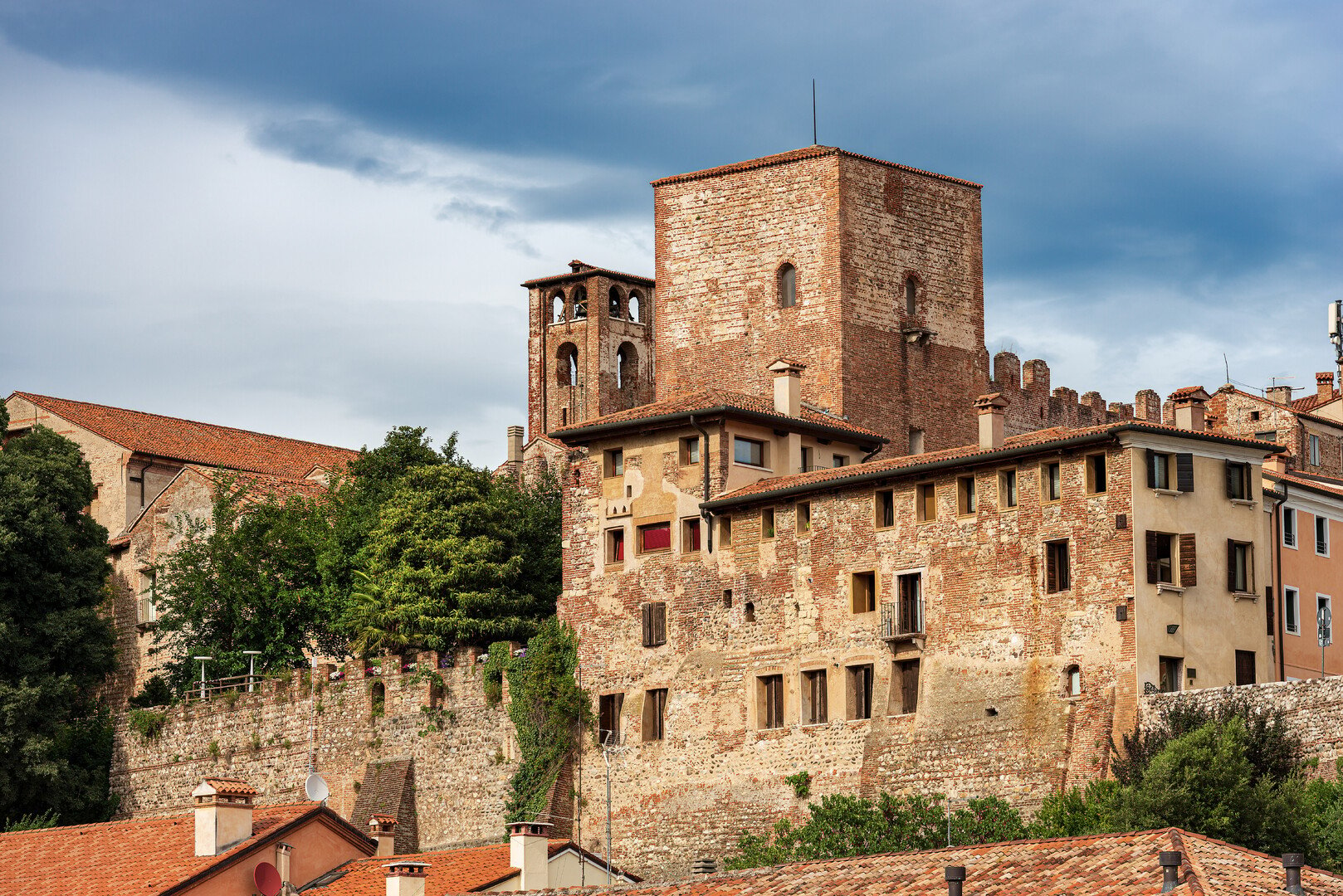
We start every Sardinia trip here. The Cathedral, the Royal Palace and the medieval Torre dell’Elefante all sit within a five-minute walk of each other on the hilltop fortress that gives the district its name — two hours is enough unless you like wandering old streets with no plan, which is genuinely half the point here.
Come down through the San Benedetto market for an early lunch built from whatever’s fresh that morning; it’s one of the largest covered markets in Italy, with stalls running from Sardinian cheese to just-landed seafood. If you’d rather have someone else narrate the old town, a guided walking tour of Cagliari covers the same ground with better stories attached.
Poetto Beach, with flamingos next door
Poetto is Cagliari’s long city beach, and a genuinely good one — not a consolation prize for being short on time. Spend the afternoon here before the light turns golden, then walk over to Molentargius Natural Park for fifteen minutes: the pink flamingos there are one of the more unexpected sights on the whole itinerary.
Park near Bastione San Remy rather than driving into Castello itself — the streets are narrow and partly pedestrianized, and it’s not worth the hassle. Order culurgiones and seadas at any restaurant in town; both dishes show up island-wide, but Cagliari does them particularly well. Before heading north tomorrow, our guide to things to do in Cagliari italy covers wine bars and nearby vineyards if a Winalist-bookable tasting fits before you hit the road.
Day 2 — Costa Smeralda, Porto Cervo and a boat day around La Maddalena
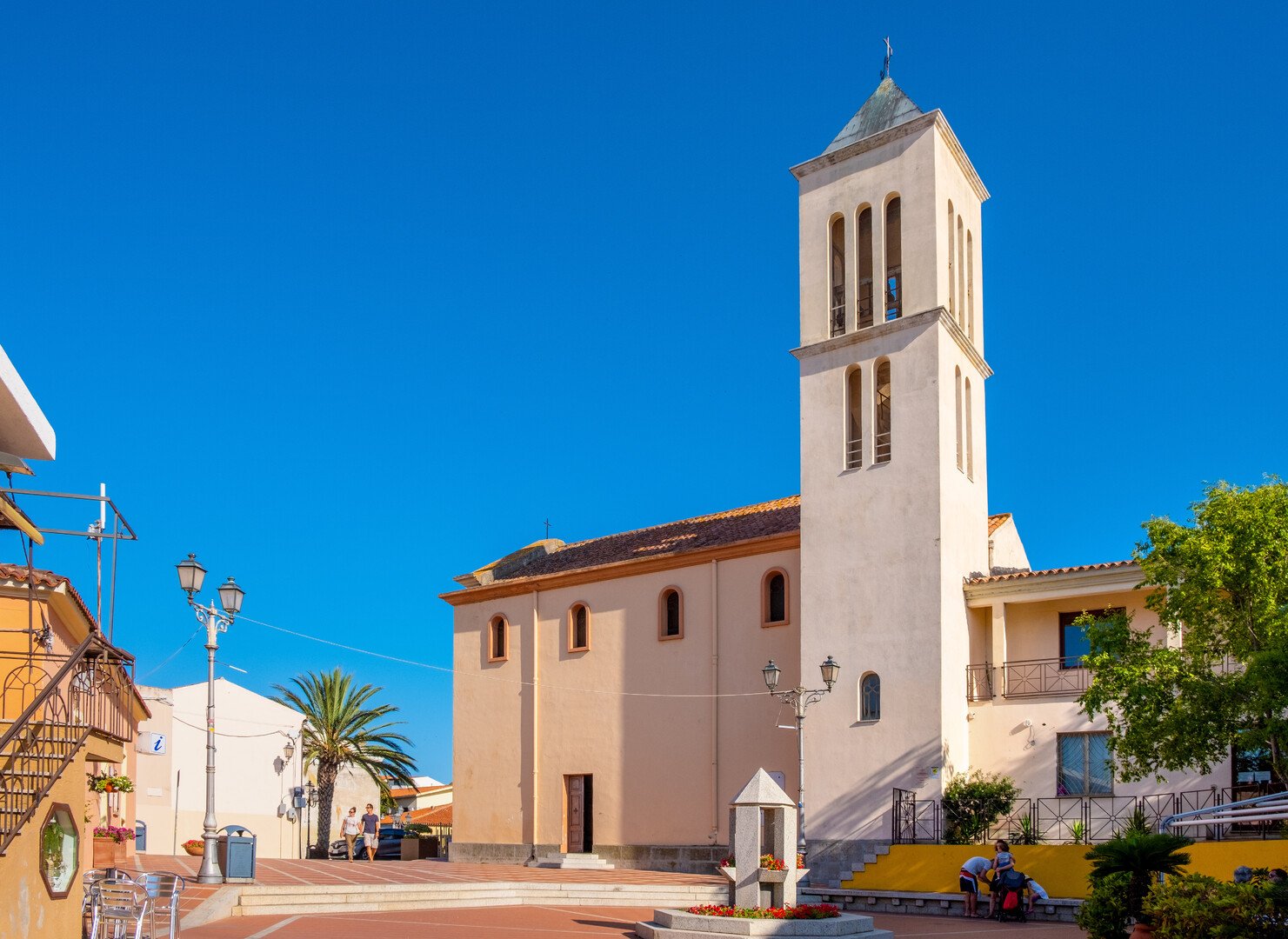
Day two runs north to the Costa Smeralda for a beach morning, Porto Cervo at midday, then a crossing to the La Maddalena archipelago in the afternoon, sleeping in Olbia. It’s the longest driving day of the loop — figure roughly two and a half hours from Cagliari — so an early start earns its keep.
Turquoise water at Capriccioli Beach
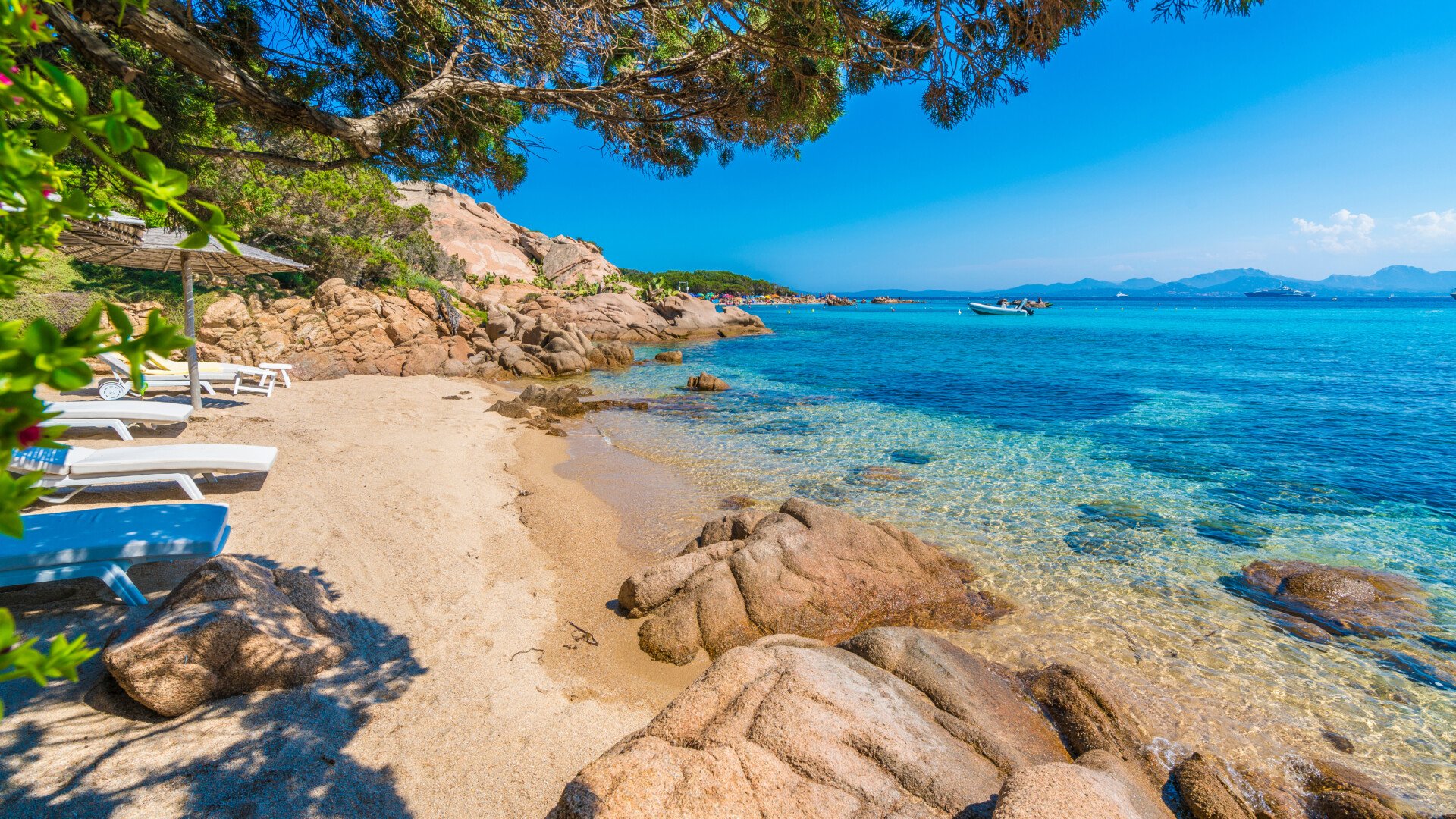
Capriccioli is what put the Costa Smeralda on the map: turquoise water clear enough to see your feet from shore, backed by granite boulders and low pine scrub. Spend the morning here, or hop between a couple of nearby cala coves if you want to compare a few stretches of sand before settling in — this coast gets busy in July and August, so aim to arrive before mid-morning for a decent spot.
Porto Cervo, then the crossing to La Maddalena
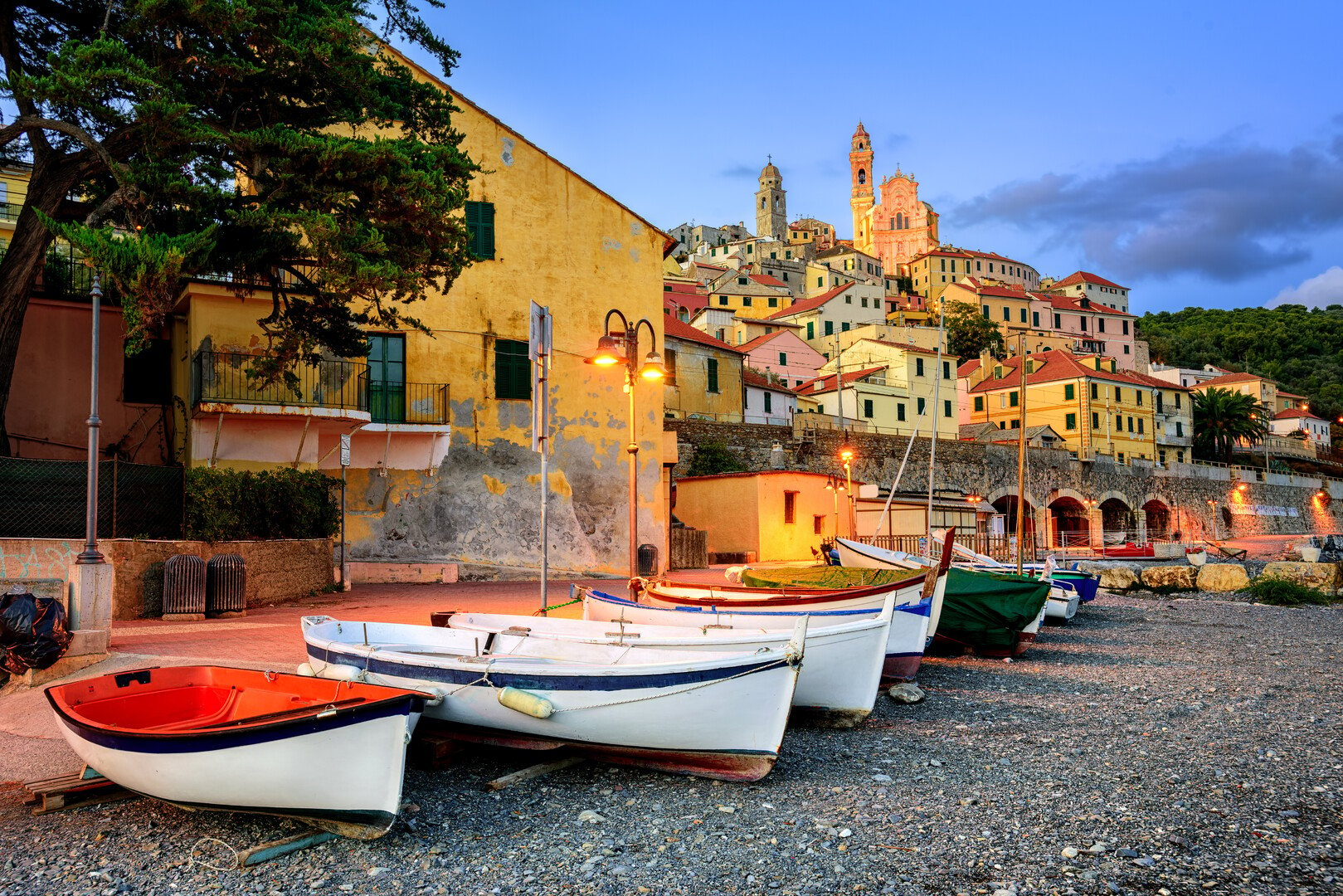
Porto Cervo earns an hour or two, more for the marina scene — superyachts stacked three deep, boutique storefronts built into stone — than for the shopping itself. We treat it as a scenic break between the beach and the boat, not a destination in its own right; grab a coffee, take the marina photos, and keep moving, since Palau is still a drive away.
From Palau, catch a short boat tour or ferry across to La Maddalena, a protected marine park scattered with dozens of granite islands between Sardinia and Corsica. Half-day boat tours typically loop past several of the archipelago’s best coves in one run — book a boat tour spot ahead in summer, since sailings fill up by mid-morning in July and August. If you only book one boat tour on this whole trip, make it this one; the water color alone justifies the detour.
Close the day with seafood in Olbia, the main gateway to northern Sardinia and the best hotel selection along this stretch of coast — our guides to visit Olbia italy and visit la maddalena italy go deeper into both if you want to stretch this part of the trip. Winalist’s Sardinia page also lists hosts near Olbia pouring local varieties, a nice change from another round of Porto Cervo boutiques.
Day 3 — Cala Gonone and the Gulf of Orosei
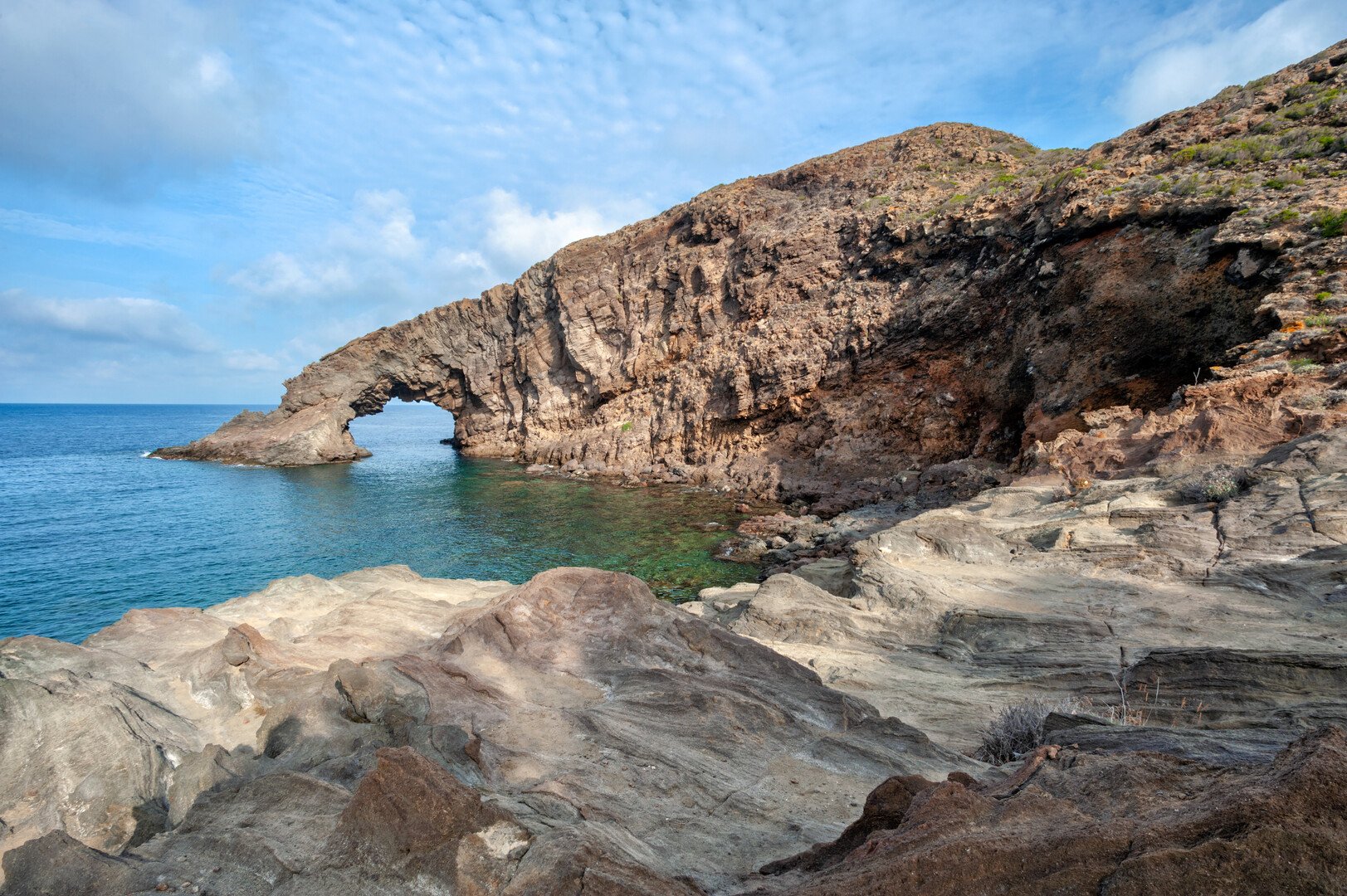
Drive down to Cala Gonone, about two hours from Olbia, take the morning boat tour into the Gulf of Orosei, then spend the afternoon at whichever cala won you over from the water. This is the day most people build their entire Sardinia itinerary around, and once you’re out on the boat, it’s obvious why.
Cala Gonone as your launch point
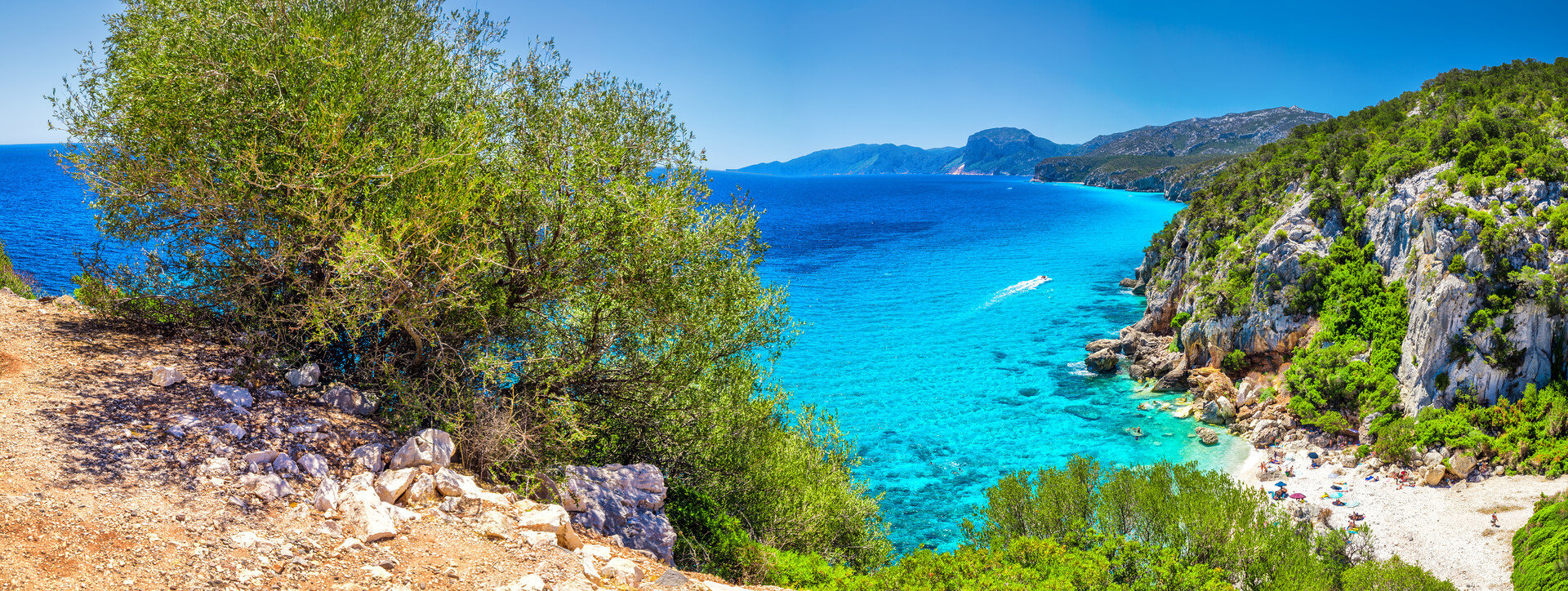
Cala Gonone is a small marina town that doubles as the gateway to coves you simply can’t reach by road. Boats leave right from the harbor, most tours run three to four hours covering several calas along the Gulf of Orosei, and the town itself stays low-key — a handful of seafront restaurants, a couple of dive shops, views out toward the limestone cliffs that define this whole coastline.
Cala Luna, Cala Mariolu, Cala Sisine — pick your cove
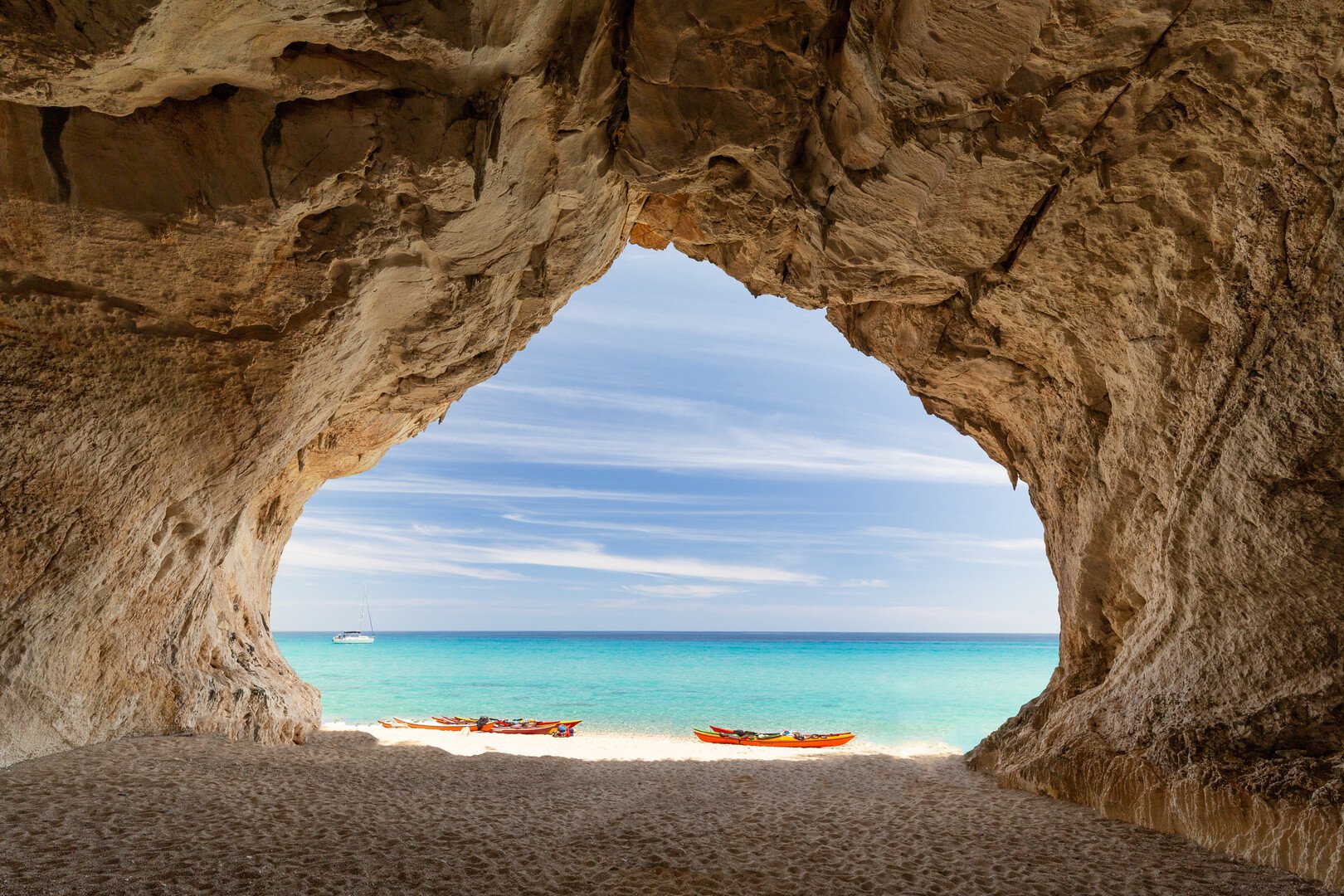
Cala Luna is the most photographed of the three: turquoise water, white pebbles, a limestone backdrop that looks almost too saturated to be real. It’s also the most accessible by boat, which makes it the busiest by late morning — take the first departure of the day if you want it half-empty.
Cala Mariolu is smaller and, in our opinion, even more striking, with pale pebbles that shift color with the light and fewer boats reaching it early. Cala Sisine, the furthest of the three, is the quietest — worth it if your tour has time to loop past all three. Trails from Cala Gonone reach these same coves on foot if you’d rather hike than sail, though budget real time for it: this runs several hours each way over exposed, rocky ground, and it’s also where the long-distance Selvaggio Blu trail technically begins.
Take the first boat tour departure of the morning — after 11am the calas fill up and the light goes flat for photos. This stretch is, honestly, Sardinia’s best beach cluster, full stop, and it’s worth building the rest of your trip timing around getting here early.
Day 4 — the Baunei coast, Cala Goloritzé and heading home
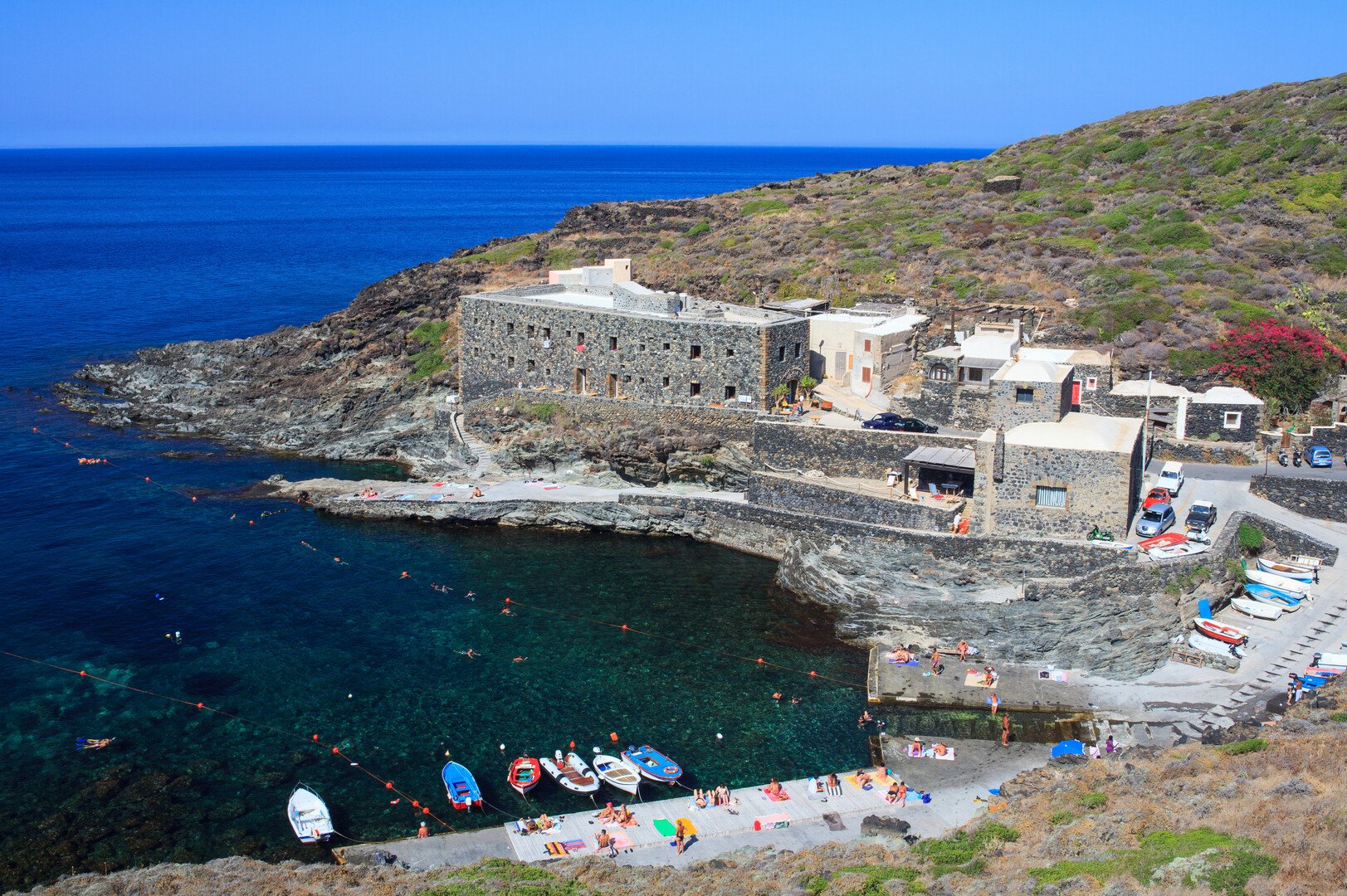
Day four heads south along the Gulf of Orosei to Baunei, then down to Cala Goloritzé by hike or by boat, before the drive back to Olbia or Cagliari for your flight. It’s the most dramatic single day of driving and scenery on the whole loop, so give it the full day and build in a buffer at the end rather than rushing straight to the airport.
Cliffs and plateau roads above Baunei
The coastline turns genuinely dramatic here: cliffs drop straight into the sea, and the Selvaggio Blu, Sardinia’s best-known long-distance trail, runs along the top of them. Even without hiking the full route, the drive onto the Golgo plateau gives a real sense of how sheer this stretch of coast is. Baunei itself is a small hilltop village, more jumping-off point than destination — stop for coffee or breakfast before the plateau, since options thin out fast once you’re on the trail.
Reaching Cala Goloritzé, on foot or by boat
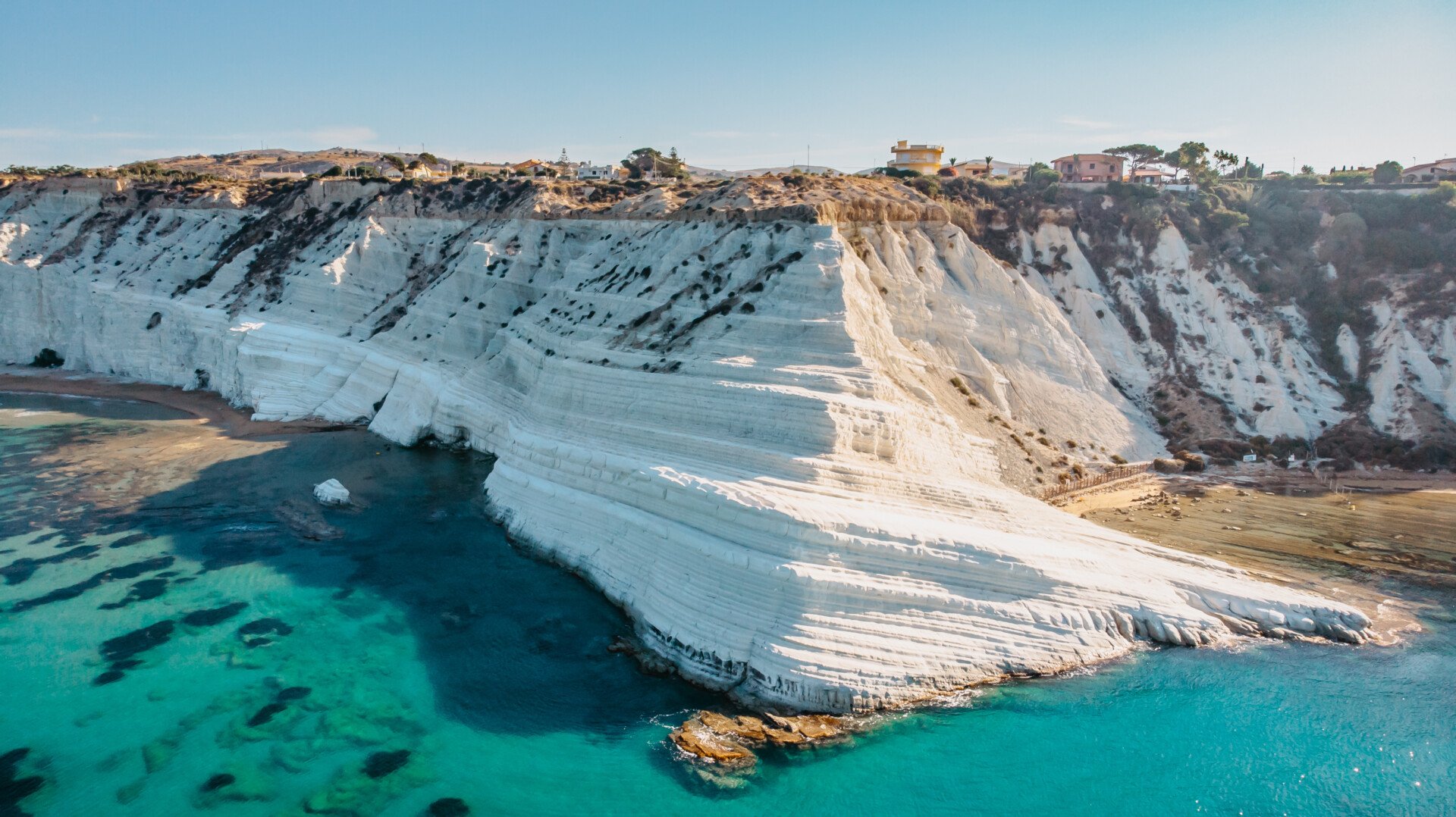
Cala Goloritzé is a cove framed by a dramatic limestone spire, reachable either by hiking down from the Golgo plateau or by boat from Cala Gonone or Santa Maria Navarrese. It’s the single most iconic shot on this itinerary, whichever way you choose to reach it. The hike down is steep but not long — figure a couple of hours round trip, more with photo stops — and it’s a protected natural monument, so expect a small access fee at the trailhead.
Go early to beat both the heat and the midday crowds; if you’d rather skip the climb back up, a day trip covering the Baunei coast plus a couple of Orosei calas gets you the same cliffs from the water instead — check boat tour availability from Cala Gonone or Santa Maria Navarrese. If you do hike down, sort your return transport at the Golgo plateau car park before setting off, since it’s a long, hot walk back otherwise.
If you’re flying from Olbia, plan on roughly two hours from Baunei; from Cagliari, closer to three. Give yourself more time than Google Maps suggests — the roads down from Baunei toward either airport are narrow and slow, and rushing them undercuts the whole trip. Return the rental car with a full tank, since most Sardinian rental agreements charge steeply to do it themselves.
Where to stay along the route
Cagliari
- In or near Castello if you want to walk everywhere on day 1 — check availability for old-town hotels.
- Near Poetto if you’d rather wake up steps from the sand, a good-value option outside peak week.
Olbia / Costa Smeralda
- Olbia town center for the best hotel selection along this stretch of coast — see rates before booking.
- Palau if you’d rather wake up closer to the archipelago crossing.
- Porto Cervo if budget allows and you want one night on the Costa Smeralda itself.
Baunei / Santa Maria Navarrese
- Baunei village for the cheapest, most convenient base before the Golgo plateau hike.
- Santa Maria Navarrese for a seafront night if you’re arriving by boat from Cala Goloritzé.
With a couple more days in Sardinia
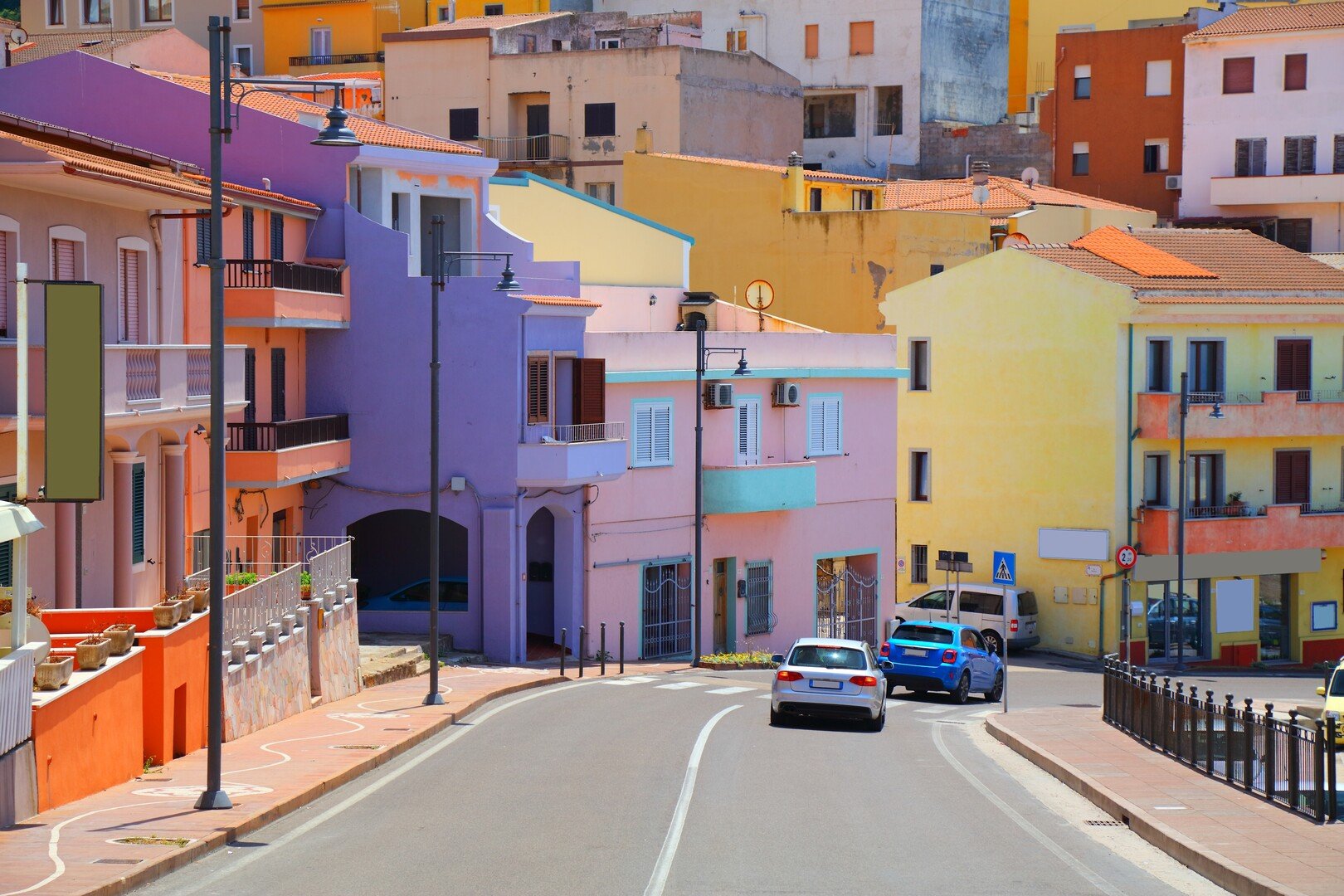
Got more than four days in Sardinia, or planning a second trip? A few bases are worth flagging whenever you extend this 4-day Sardinia itinerary.
Alghero and the Catalan-flavored northwest
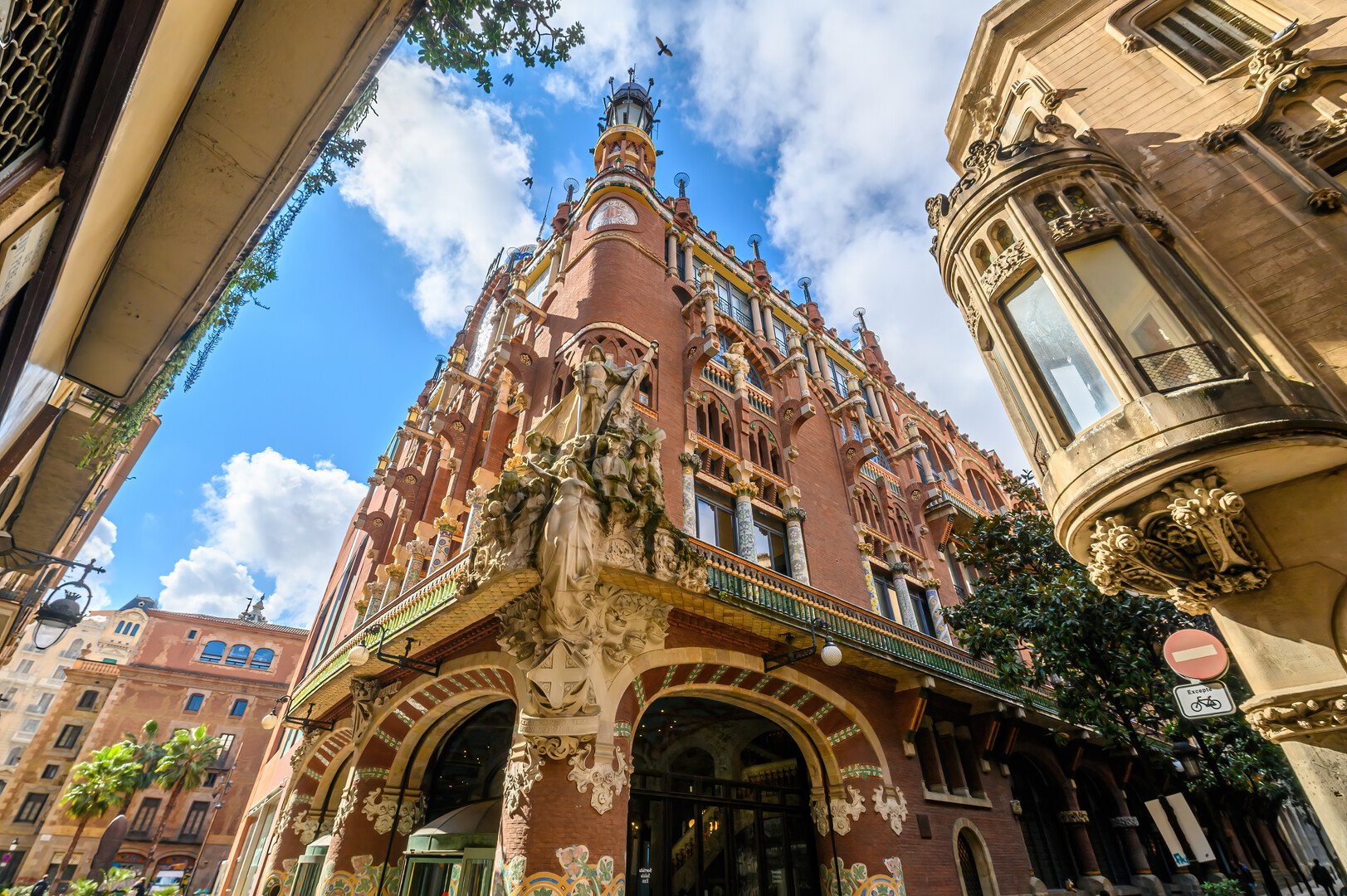
Alghero’s old town has a distinct Catalan flavor, close to Stintino and La Pelosa beach, plus the granite formations of Capo Testa further north near Santa Teresa Gallura. It’s a strong pick if your next trip leans toward the west coast rather than this loop’s east-coast finish — our guide to visit Alghero italy covers the town and coastline in more depth.
Bosa’s riverside houses and a quieter Golfo Aranci
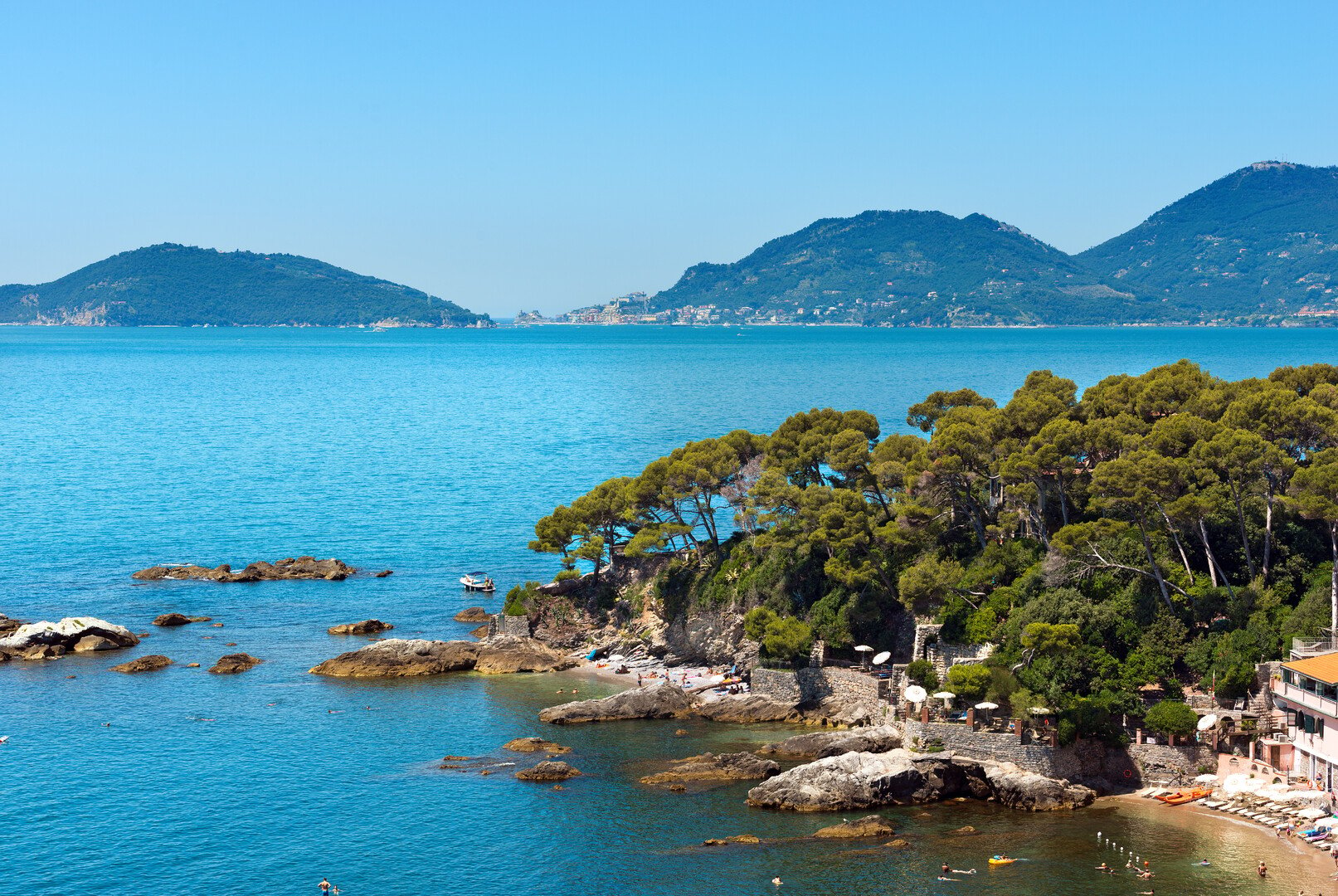
Bosa is known for its colorful riverside houses on the west coast, a good day trip between Alghero and the south and one of the more photogenic small towns on the island. Golfo Aranci, near Olbia, makes a quieter, less polished alternative to the Costa Smeralda with beautiful beaches of its own, worth considering if Porto Cervo felt too glossy for your taste. Our visit bosa sardinia guide and best sardinia beaches roundup both fill in the gaps.
Wherever you end up sleeping, leave room for Sardinian wine — the island grows varieties that rarely leave the country, and tasting them alongside a shepherd’s lunch is one of the better ways to understand this place beyond the coast. Check Sardinia on Winalist for winery visits to slot around this itinerary, and if the Costa Smeralda stop caught your eye, our visit costa smeralda italy page covers that stretch of coast in more detail.
Good to know before visiting Sardinia
How many days do you need in Sardinia?
Four days works well for a loop from Cagliari to the Costa Smeralda and La Maddalena archipelago, then down through Cala Gonone and the Baunei coast. With more time, add Alghero and Bosa on the west coast without rushing the rest of the route.
Do you need a car to visit Sardinia?
Yes. Public transport along the coast is limited outside summer, and many of the best beaches and calas are reachable only by car followed by a short walk or boat tour. Renting one at whichever airport you land in is the easiest approach.
What is the best beach area in Sardinia?
The Gulf of Orosei, around Cala Gonone and Baunei, is widely considered home to Sardinia’s best beaches, including Cala Luna, Cala Mariolu and Cala Goloritzé. The Costa Smeralda and La Maddalena archipelago top the list in the north.
Can you visit La Maddalena archipelago as a day trip?
Yes. Ferries and boat tours run from Palau, making it easy to pair a morning on the Costa Smeralda with an afternoon island-hopping around La Maddalena’s granite islands.
Is four days enough to see Sardinia’s best beaches?
It covers the highlights well: Poetto in Cagliari, the Costa Smeralda’s coves, La Maddalena’s archipelago beaches, and the Gulf of Orosei’s calas around Cala Gonone and Baunei. Seeing the whole island, including Alghero and Bosa, needs closer to seven to ten days.
Which airport should you fly into for this itinerary?
Cagliari Elmas Airport works best since the route starts in the south, but flying into Olbia Costa Smeralda Airport and running the loop in reverse works just as well. Alghero suits a different, west-coast-focused trip instead.

Victoria explores Europe's wine regions to share the finest wine tourism experiences with our travelers. Here she shares her favorite discoveries, tips, and encounters with the winemakers behind every bottle.