

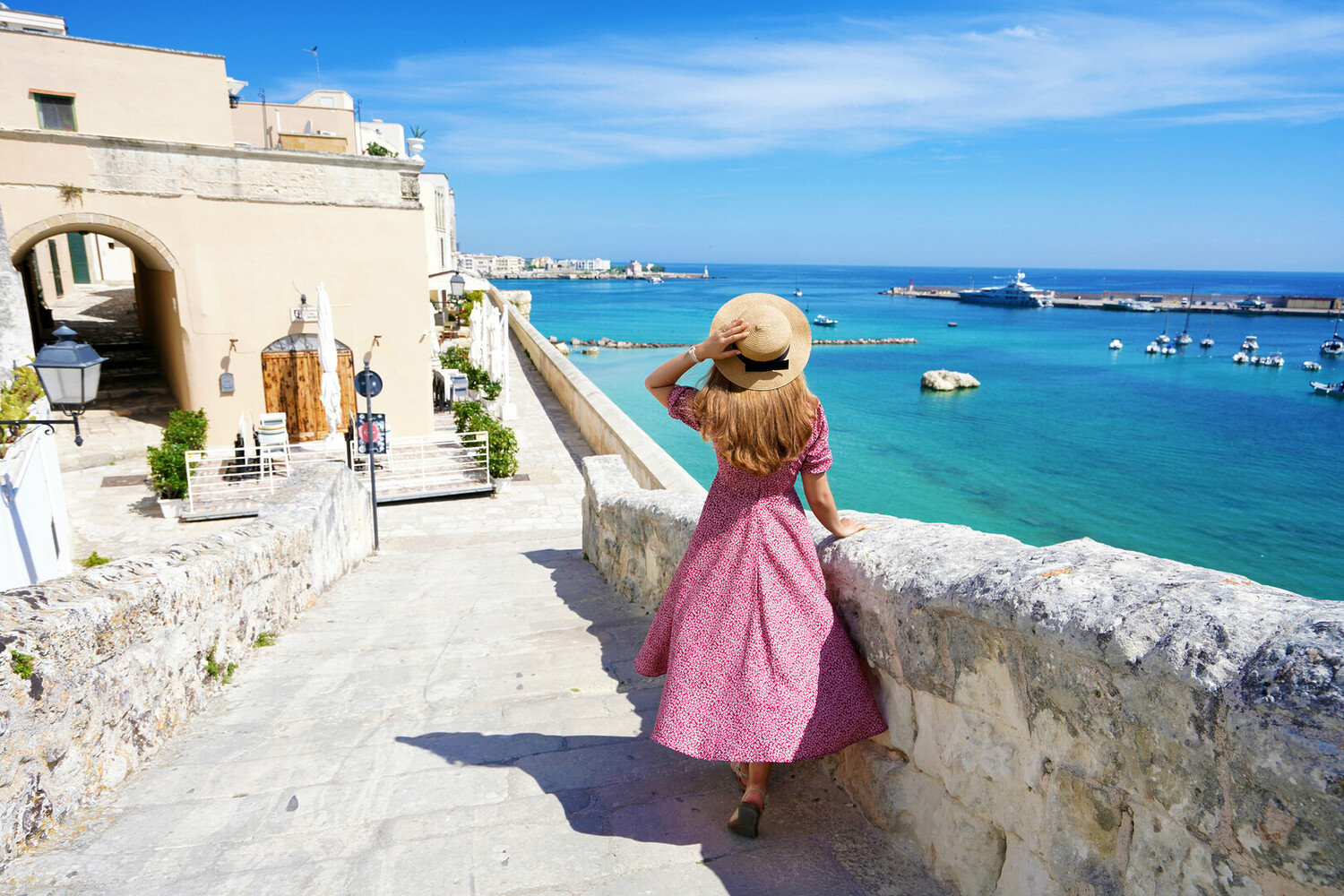

On Apulia’s sun-drenched Adriatic coast, Otranto is Italy’s easternmost town, known for its crystal-clear waters, medieval old town and rich Mediterranean heritage. From the remarkable 12th-century mosaic in its cathedral to the imposing Aragonese Castle and scenic seafront, the town offers a rewarding mix of history, beaches, local food and seaside life.
Whether you’re planning a day trip or exploring Puglia as part of a longer itinerary, Otranto is a destination worth making time for. And if you want to discover another side of the region, why not pair your visit with a wine tasting at one of Puglia’s wineries?
What Are the Best Things to Do in Otranto?
Explore Otranto’s Historic Old Town
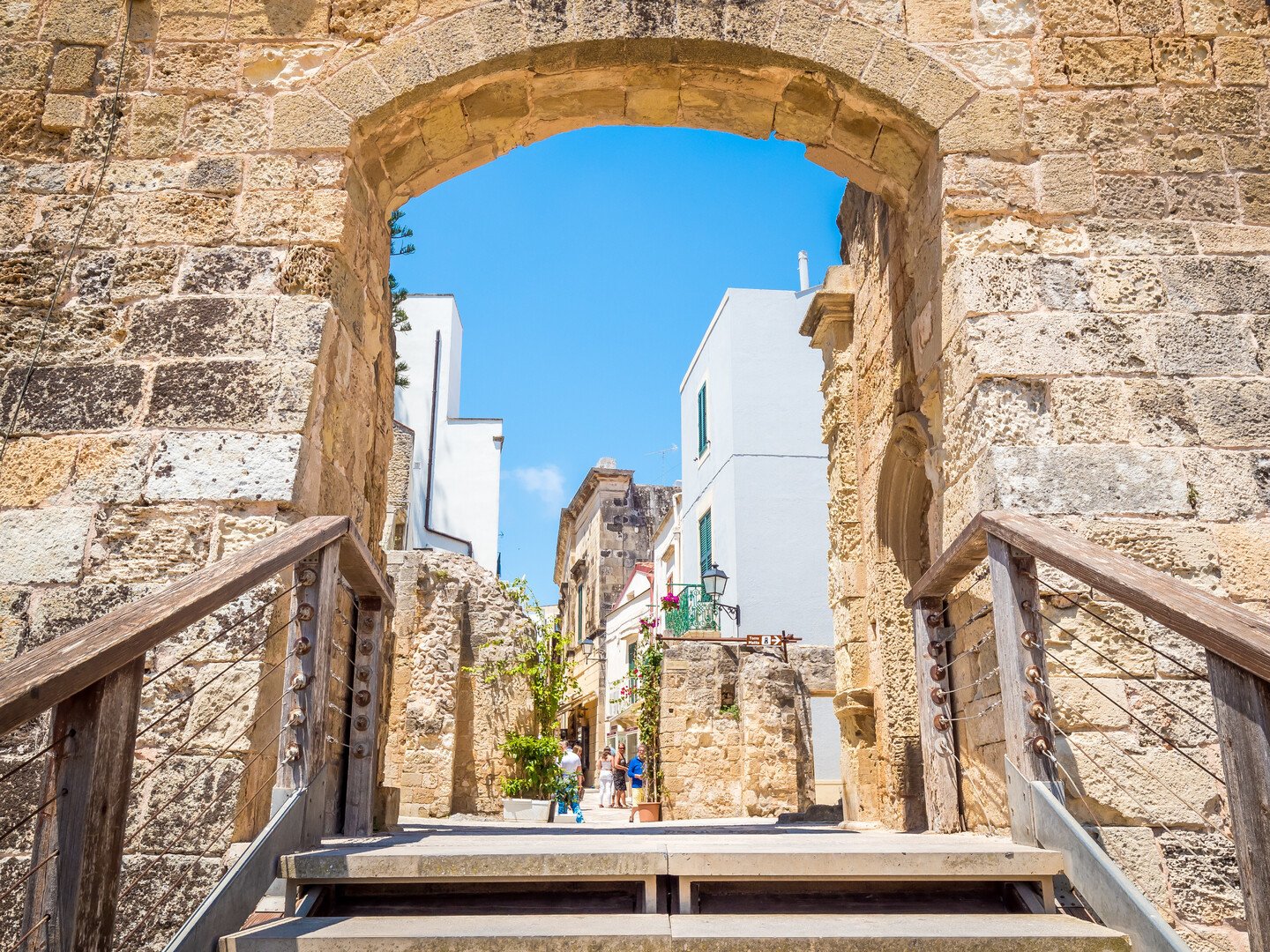
Step through Porta Terra into Otranto’s centro storico, a maze of whitewashed streets, medieval ramparts, and sea-facing squares. As you wander past bustling cafés and local shops, glimpses of the turquoise Adriatic guide you toward the cathedral and castle. By evening, the old town comes alive with locals enjoying a traditional passeggiata—the ultimate southern Italian coastal vibe.
Discover Otranto Cathedral & Its Iconic Floor Mosaic
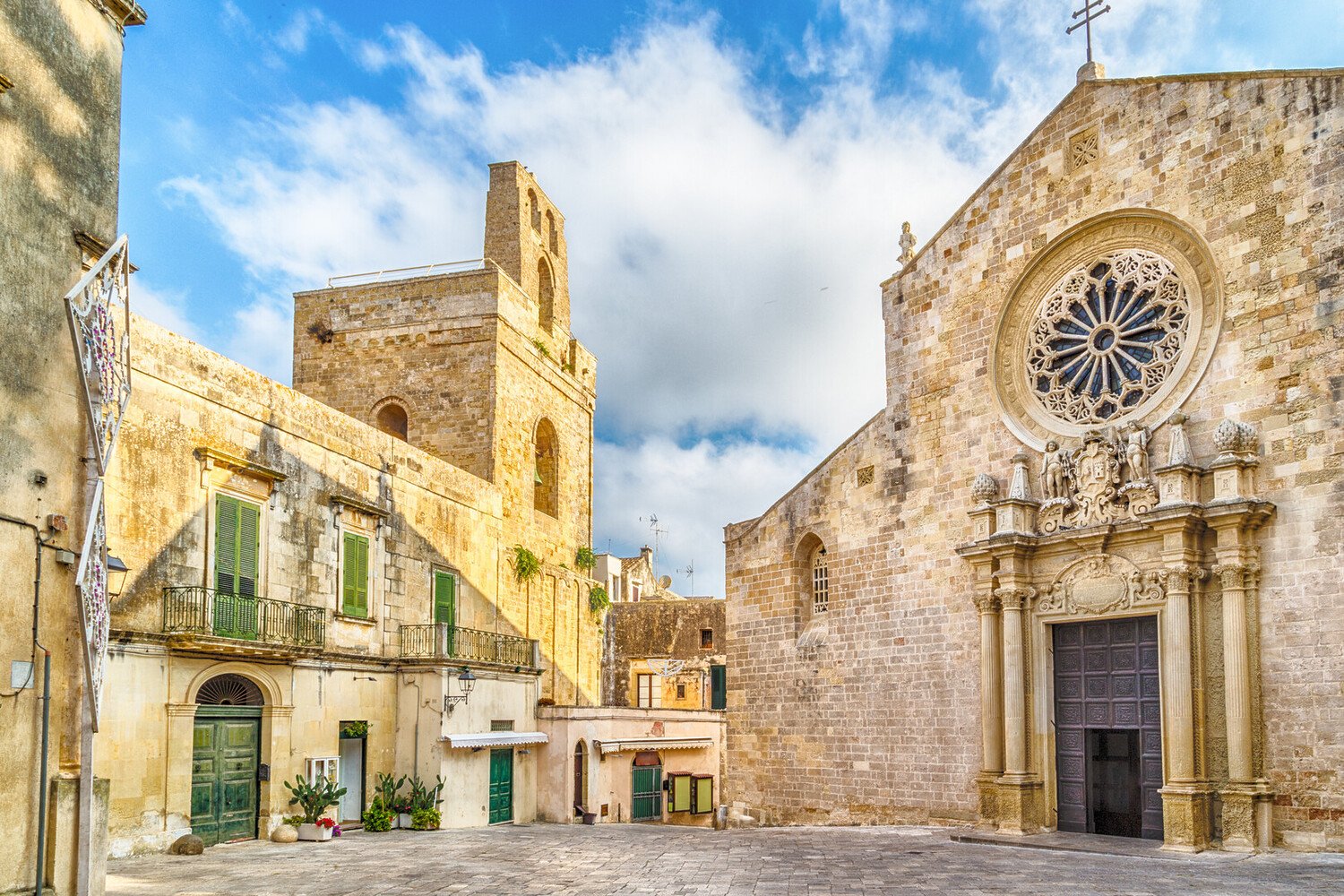
Built in the 11th century, Otranto Cathedral (Cattedrale di Santa Maria Annunziata) stands as a masterpiece of Norman Romanesque architecture, but its true magic lies inside.
Spanning the entire floor of the nave is the colossal Tree of Life Mosaic, crafted in the 12th century by the monk Pantaleone. This astonishing floor art weaves together biblical tales, mythical beasts, and zodiac signs to depict humanity’s journey between heaven and earth.
Before leaving, step into the Chapel of the Martyrs, where glass-encased walls display the remains of 800 locals executed during the 1480 Ottoman invasion for refusing to renounce their faith. It’s a poignant, unforgettable chapter of Italian history.
Explore the Church of San Pietro

Located in Otranto’s historic center, the Church of San Pietro (Chiesa di San Pietro) is a small Byzantine church dating back to the 9th century. Inside, medieval frescoes depicting biblical scenes and saints cover the walls and dome, offering a fascinating glimpse into Otranto’s Byzantine past. Its intimate atmosphere and richly decorated interior make it a worthwhile stop while exploring the old town.
Visit the Castello Aragonese (Castle of Otranto)
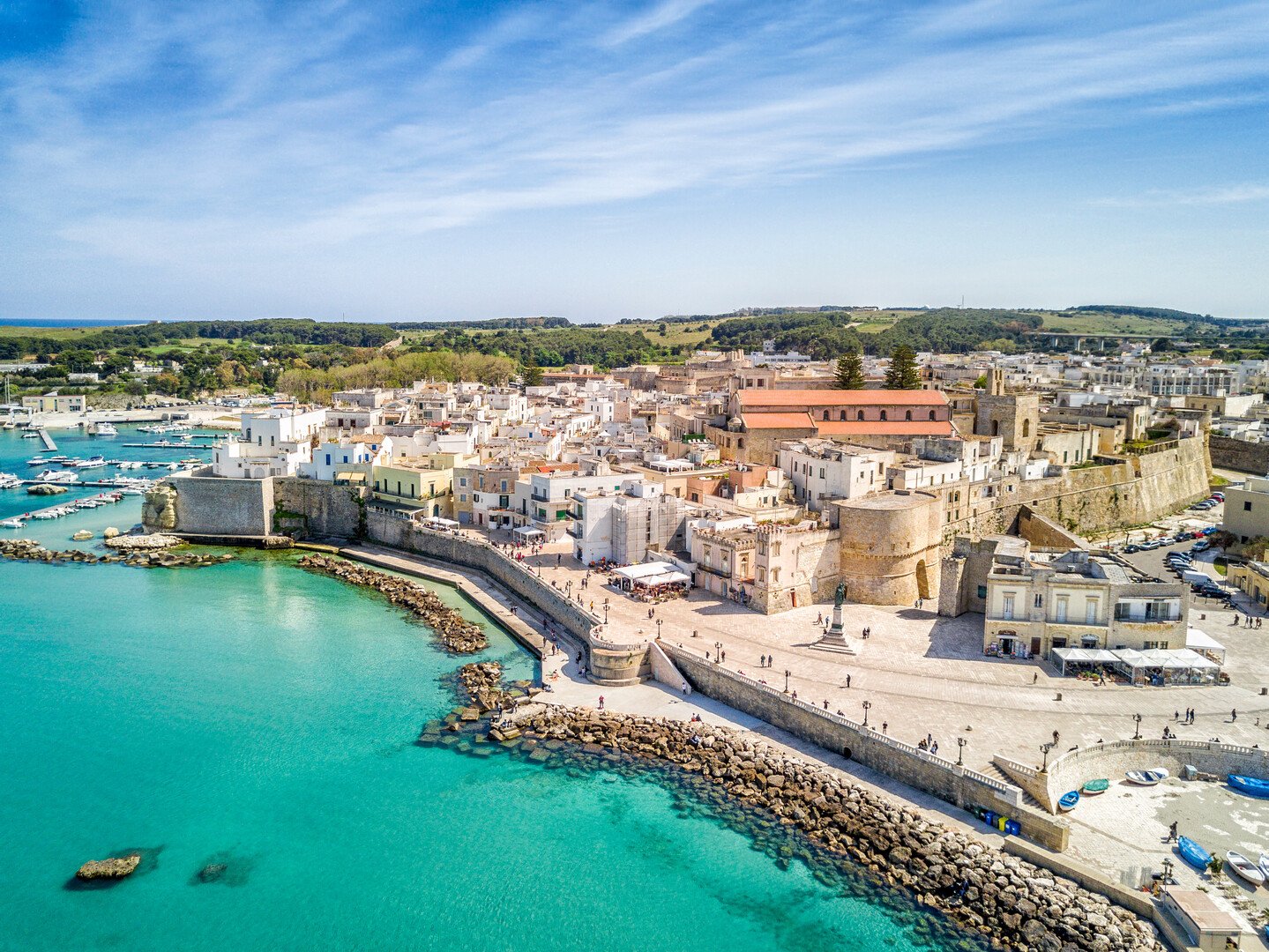
Dominating Otranto’s harbor, the Castello Aragonese is a formidable 15th-century fortress built to fortify the city following the 1480 Ottoman siege. Encircled by a deep dry moat and thick defensive ramparts, this blend of medieval and Renaissance military design now serves as a cultural hub hosting rotating art exhibitions and historical displays. Walk along the high battlements and climb the corner towers for sweeping, panoramic views across the centro storico and the turquoise Adriatic.
Walk Otranto’s Medieval Ramparts
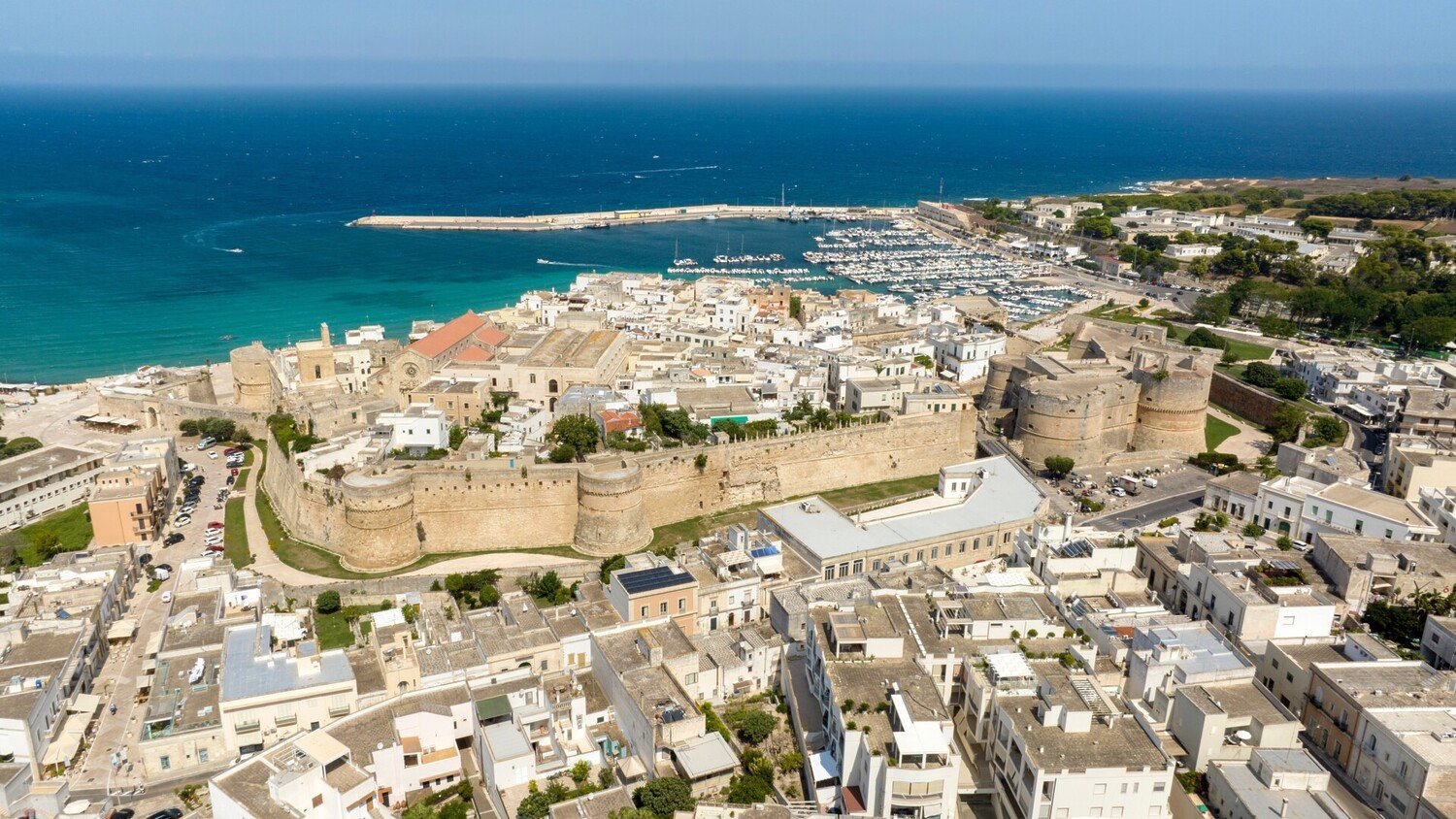
Surrounding Otranto’s historic center, the town’s fortifications reflect centuries of military history, with major reinforcements carried out after the devastating 1480 siege. Follow the ancient stone walls and bastions around the old town for a different perspective on Otranto, with views over the harbor, Adriatic Sea and terracotta rooftops. It’s a pleasant way to explore the city while taking in some of its most characteristic scenery.
Relax on Otranto Beach
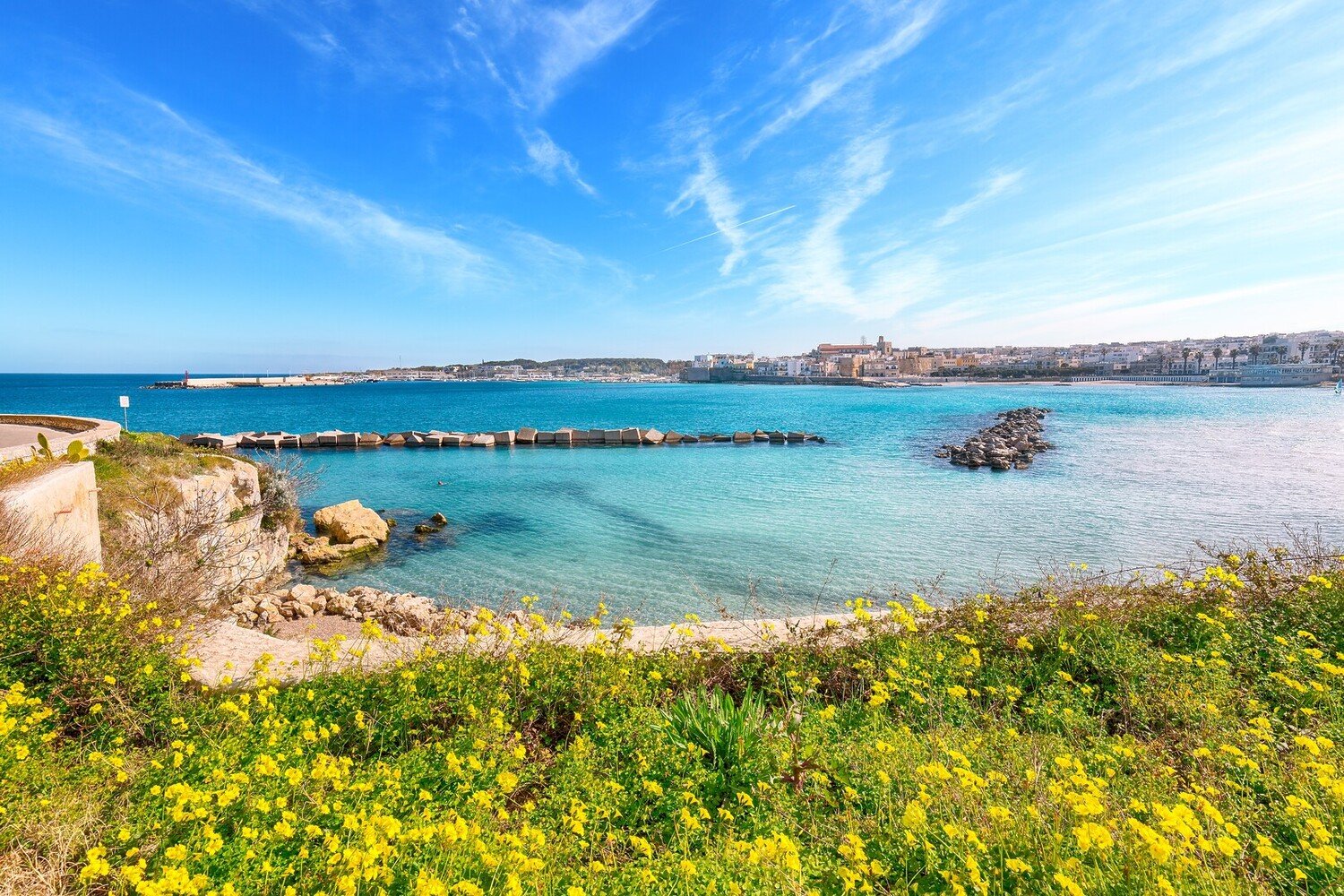
Otranto makes it easy to combine sightseeing with a relaxing day by the sea. Spiaggia degli Scaloni, right below the old town, is the city’s main beach and a convenient spot for a swim in the clear Adriatic waters. For a quieter atmosphere, head to the smaller sandy stretches and rocky coves along the waterfront, where you can sunbathe, swim or snorkel with the historic center never far away.
Stroll the Waterfront Promenade & Port
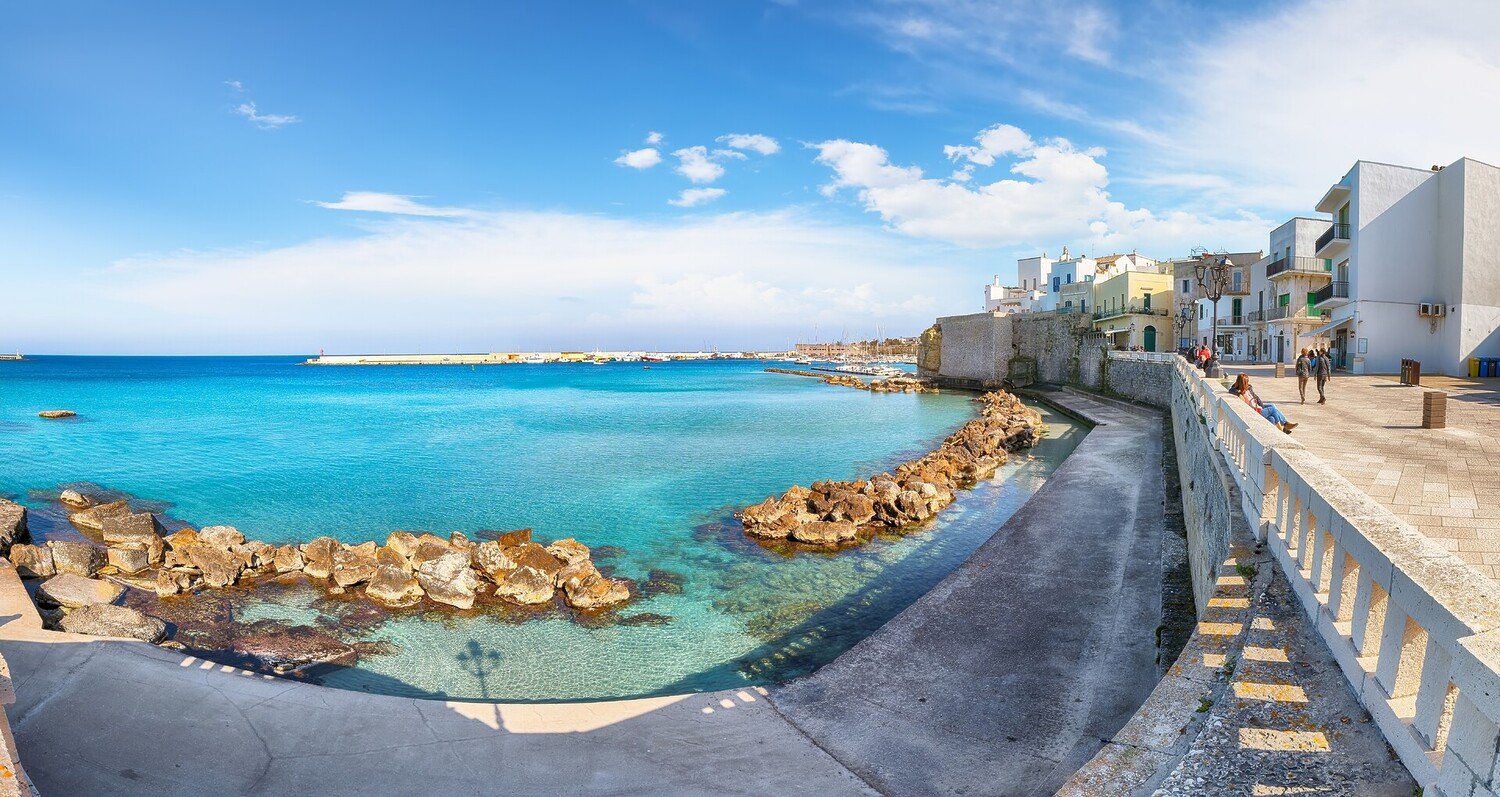
Otranto’s lungomare stretches along the scenic harbor, where traditional wooden fishing boats bob alongside modern yachts. It’s a lovely spot for a leisurely passeggiata: pick up a scoop of artisanal gelato or a warm pasticciotto (Apulia’s iconic cream-filled pastry) and enjoy views of the Adriatic. You can also stop at one of the harborside trattorias for fresh seafood or join a coastal boat tour to discover nearby sea caves and hidden coves.
What are the Best Things to Do around Otranto?
Marvel at the Cava di Bauxite
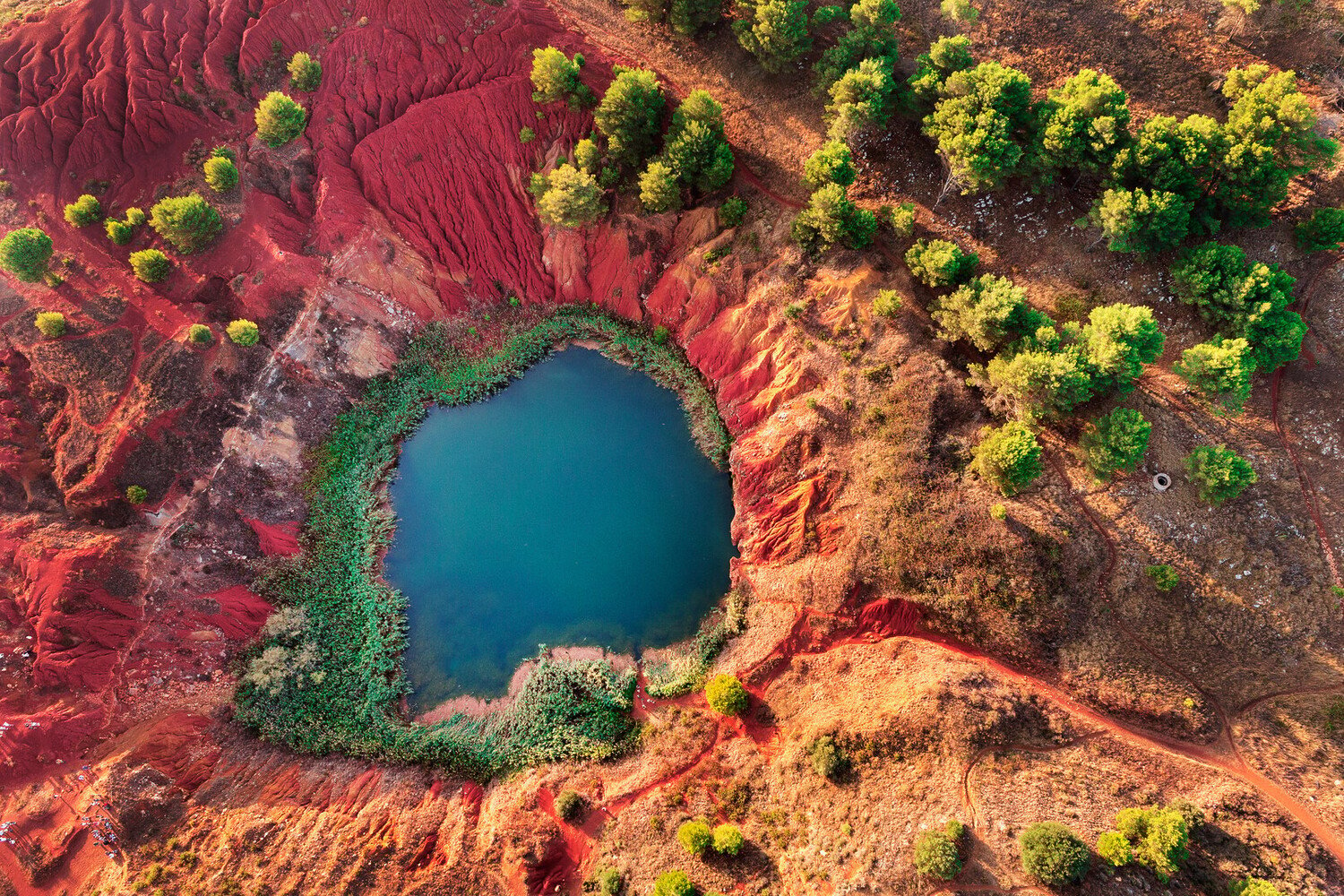
Just 5 km south of Otranto, the Cava di Bauxite is a former quarry that nature has gradually reclaimed. Its vivid red earth, green Mediterranean vegetation and striking emerald-green lake create an almost otherworldly landscape just outside town. A short walk from the nearby parking area takes you to the lake, making this an easy stop to add to an Otranto itinerary.
Relax at the Sandy beach of Baia dei Turchi
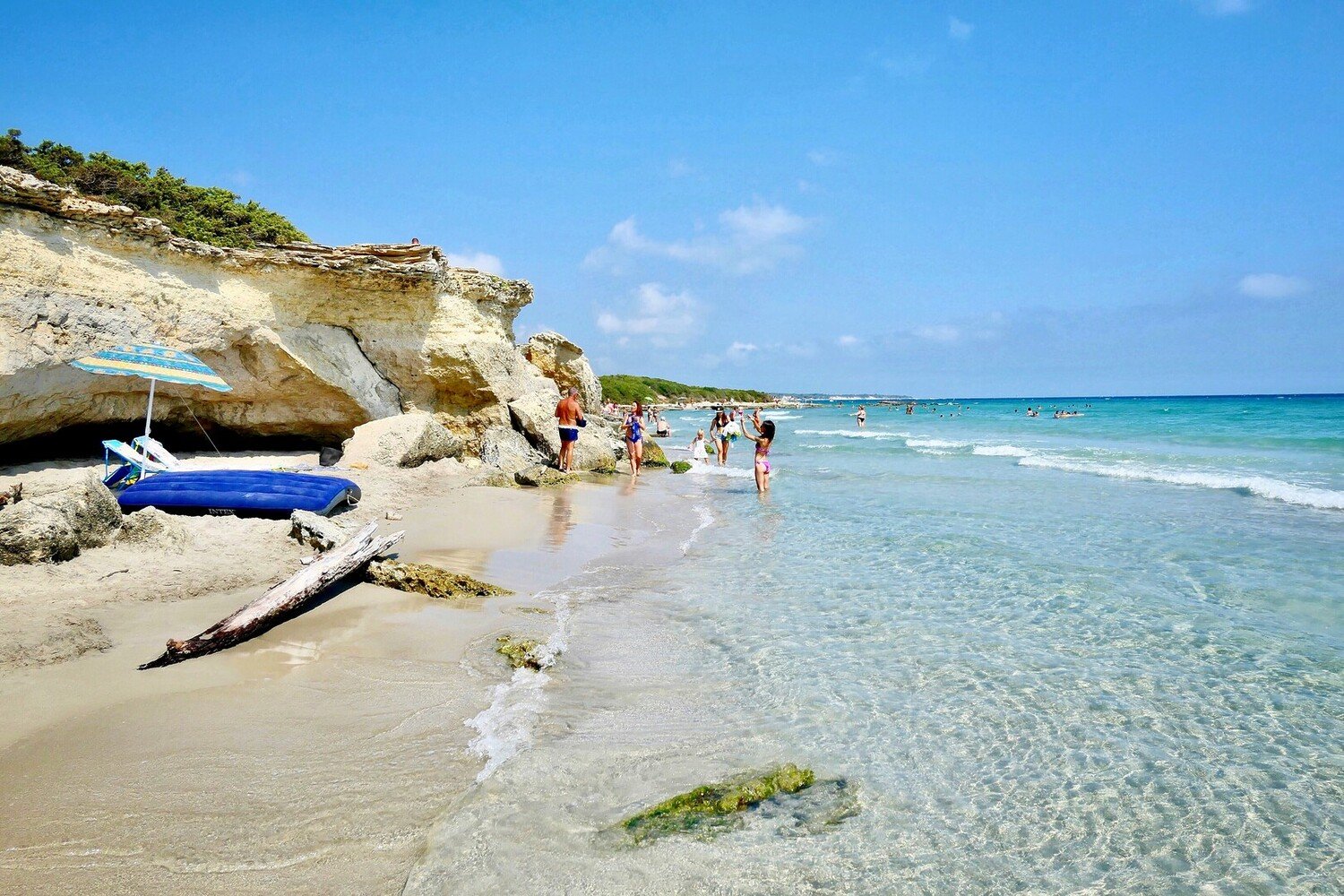
About 6 km north of Otranto, Baia dei Turchi is one of the most beautiful beaches along this stretch of the Adriatic coast. Reach the sandy cove via a path through the surrounding pine forest, then spend the afternoon swimming, snorkeling or simply relaxing beside the clear turquoise water. The bay is part of the Costa Otranto–Santa Maria di Leuca e Bosco di Tricase Regional Nature Park, which helps preserve its natural setting.
Admire the Grotta della Poesia
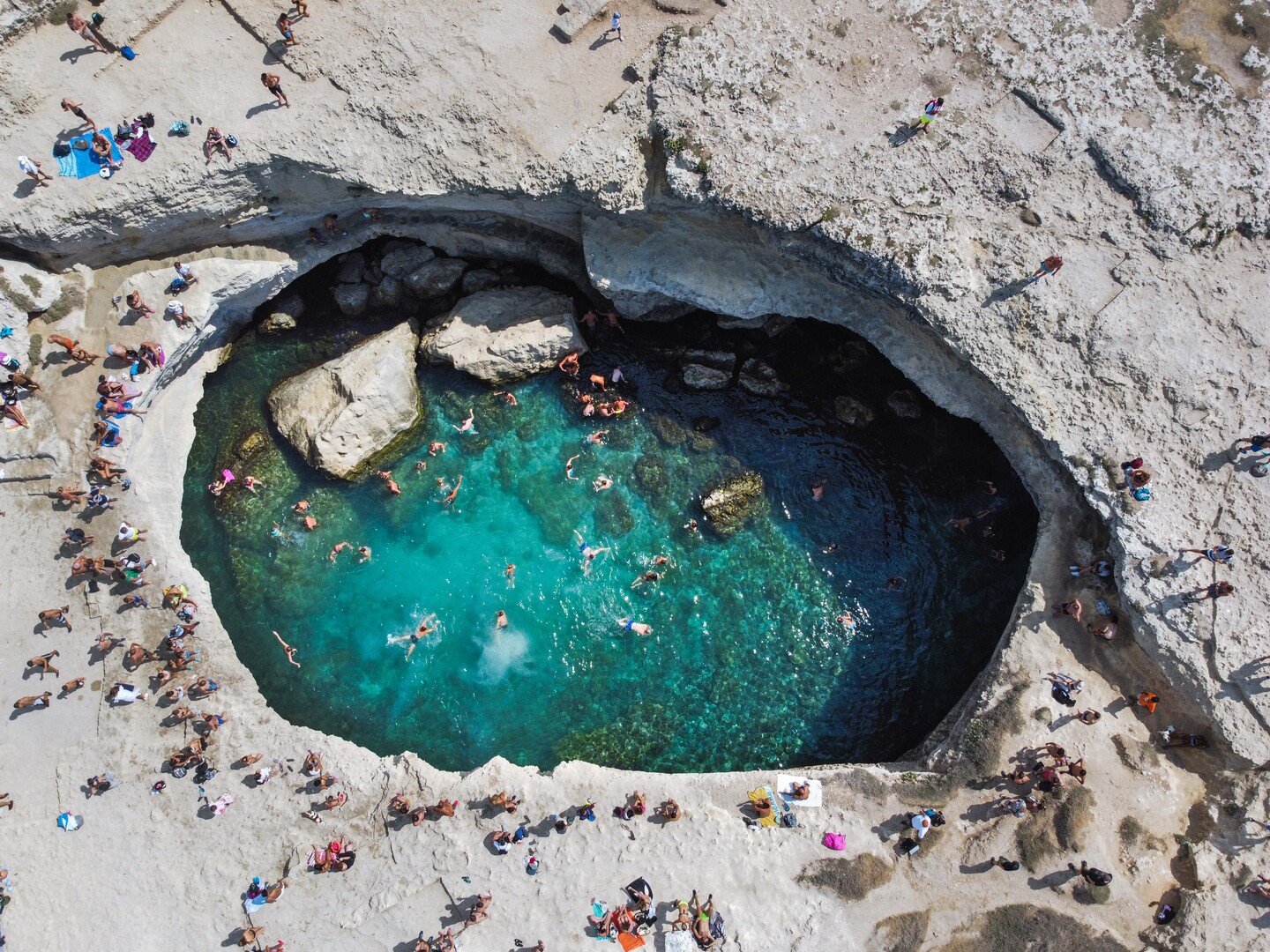
Around 30 minutes north of Otranto, near Roca Vecchia, the Grotta della Poesia is one of Salento’s most striking natural landmarks. This spectacular natural pool, surrounded by limestone rock, is filled with clear blue-green water and forms part of an area with archaeological remains dating back to the Bronze Age.
(Swimming is currently prohibited to help protect the site, but the dramatic setting is well worth seeing from the surrounding paths and viewpoints)
Explore Lecce, the Baroque Capital of Puglia
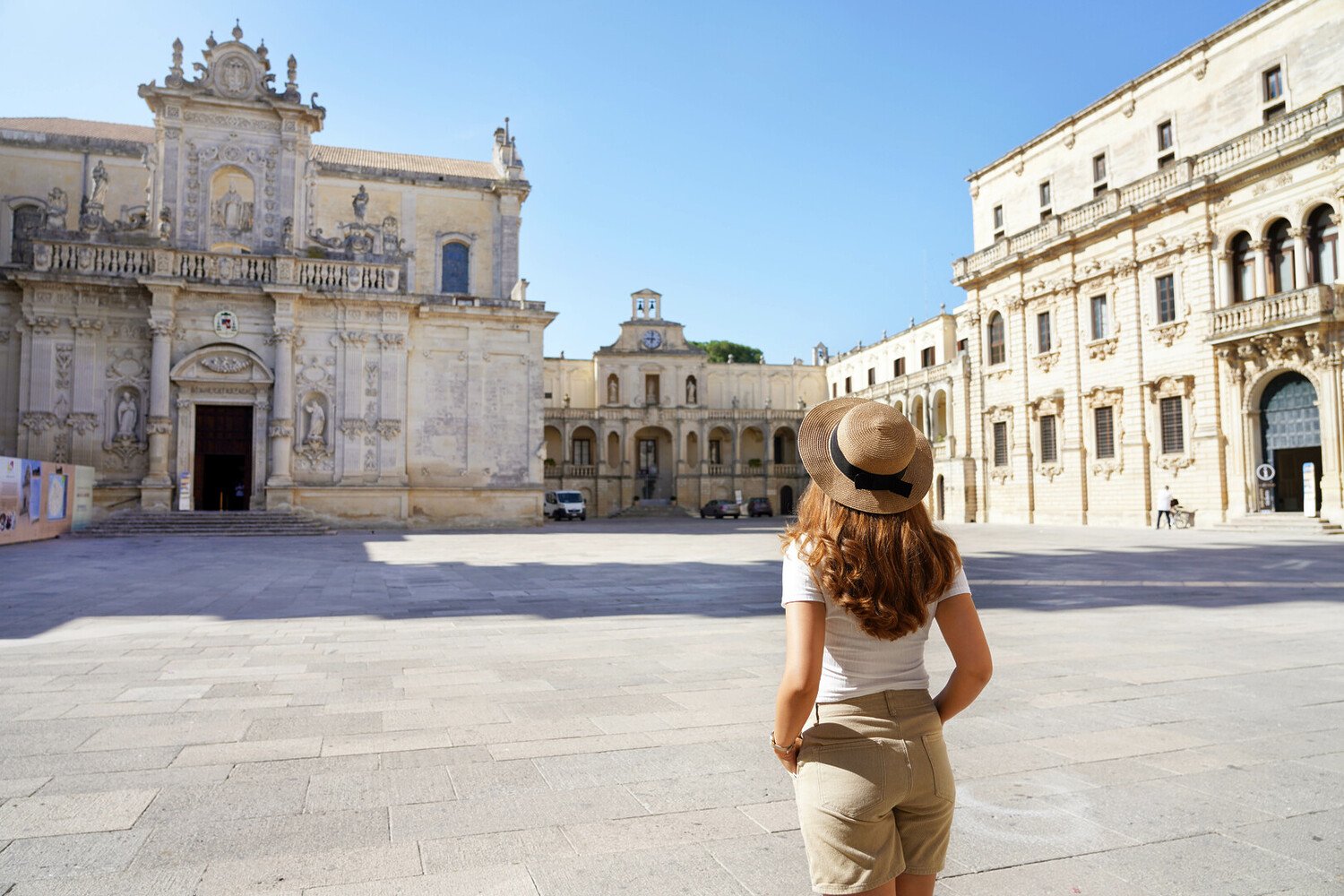
About 40 minutes inland from Otranto, Lecce offers a completely different side of Salento. Known for its exuberant Baroque architecture, the historic center is filled with ornate limestone façades, elegant squares and Roman remains. Admire the Basilica di Santa Croce, explore Piazza del Duomo and see the Roman amphitheater before stopping for a pasticciotto or a plate of traditional orecchiette.
Discover our dedicated guide on the best things to do in Lecce as well as Lecce wineries to visit.
Taste Primitivo di Manduria Wine Region

If you want to explore Puglia beyond the Adriatic coast, head toward Manduria, one of the key areas of the Primitivo di Manduria appellation. The region is known for its rich, full-bodied red wines made primarily from the Primitivo grape, with vineyards extending across the provinces of Taranto and Brindisi. A visit to a local winery is a great way to taste the wine at its source and discover the vineyards and traditions behind one of Puglia’s best-known reds.
Discover the Trulli of the Itria Valley
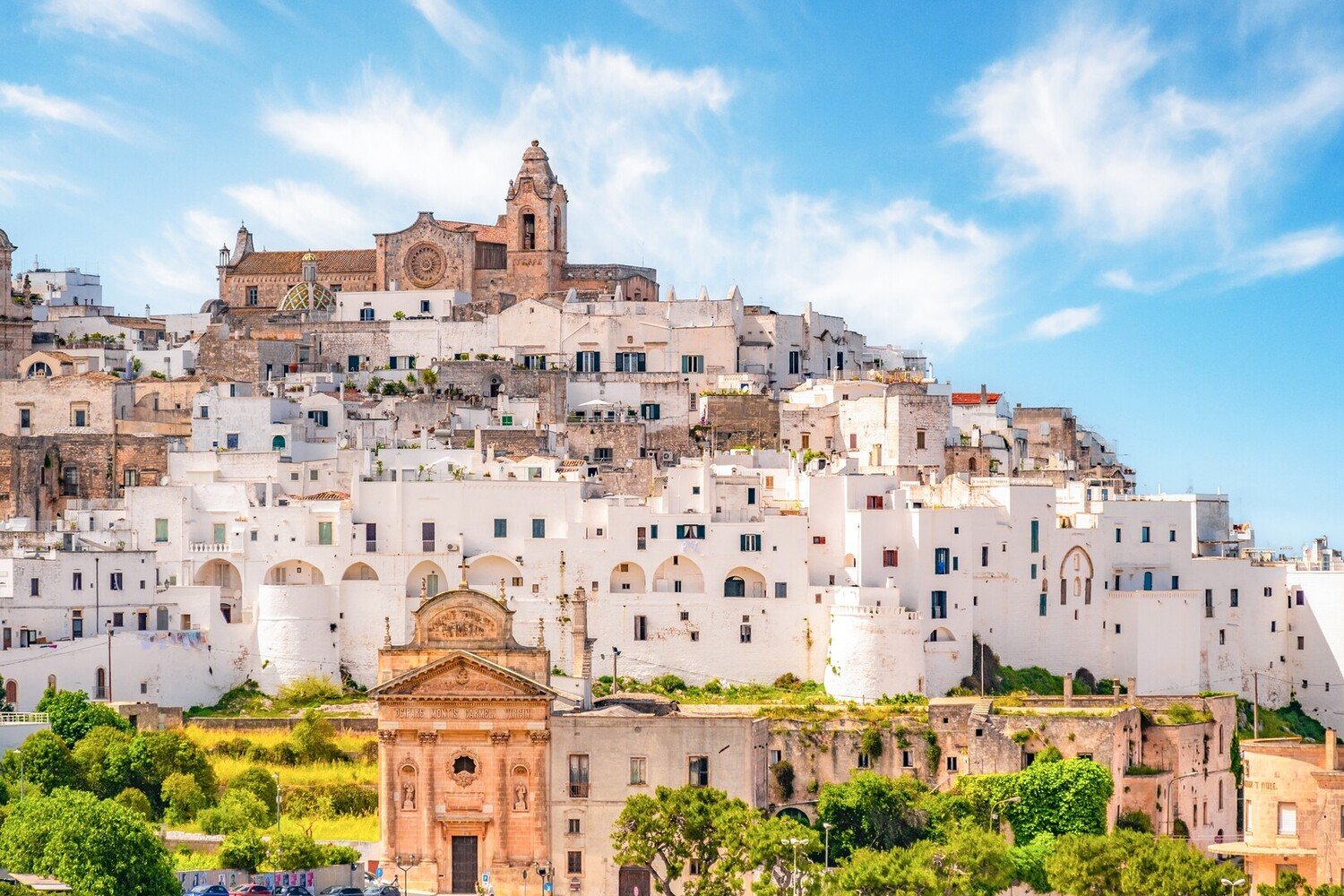
For a longer day trip, venture inland to the Itria Valley, roughly 2-1.5 hours from Otranto by car. Rolling countryside, centuries-old olive groves and distinctive trulli—the region’s traditional dry-stone houses with conical roofs—create a very different Puglian landscape. Alberobello, a UNESCO World Heritage Site, is the best-known destination for trulli, while Locorotondo and Martina Franca offer historic centers, local food and a more relaxed way to experience the valley.
Good to Know to Plan Your Trip to Otranto
Is Otranto worth visiting?
Yes, especially if you enjoy a mix of history, beaches and local food. Otranto’s highlights include its remarkable cathedral mosaic, historic castle and waterfront, while its location makes it a convenient base for exploring other parts of Salento.
What is the best way to get to Otranto?
The nearest major airport is Brindisi Airport (BDS), around 1 to 1.5 hours away by car. Otranto is also accessible by train via Lecce, although services can be less frequent. Renting a car is the most convenient option if you plan to explore the surrounding beaches, countryside and smaller towns at your own pace.
How many days should you spend in Otranto?
One to two days is enough to explore Otranto’s historic center, visit the Cathedral and its famous mosaic, discover the Aragonese Castle and enjoy some time by the sea. With 2 to 3 days, you can take things at a slower pace and add nearby highlights such as the Cava di Bauxite, Baia dei Turchi and Grotta della Poesia, or use Otranto as a base for exploring more of Salento.
Where to Stay in Otranto?
Finding the right accommodation in Otranto enhances your experience of this charming coastal town.
– Hotel Palazzo Papaleo – Located right in the heart of Otranto, this boutique hotel pairs historic elegance with upscale amenities and stunning Adriatic sea views.
– Masseria Bandino & Spa – A beautifully restored 17th-century masseria offering a relaxing countryside escape, with a spa and swimming pool surrounded by greenery.
– Tenuta Centoporte (Giurdignano) – Tucked away in the peaceful Salento countryside just outside Otranto, this four-star retreat features expansive swimming pools and a spa perfect for unwinding.
– Masseria Longa Boutique Hotel – Just minutes from Otranto’s historic center and coastline, this restored country estate features a serene olive grove, a swimming pool, and a refined boutique feel.
– Dimora San Giuseppe Hotel & Spa – Set directly in the Old Town, this property seamlessly blends historic architectural character with modern comforts, including an on-site spa for post-sightseeing relaxation.
Where to eat in Otranto?
– Vicolo Matto Fishbar – A lively fishbar in the old town serving fresh seafood, crudi and creative Salento-inspired dishes, with wines and cocktails.
– L’Altro Baffo – Near the Aragonese Castle, this refined restaurant puts fresh seafood and seasonal ingredients at the heart of its creative cuisine.
– Livante Otranto – Set along the waterfront, this contemporary restaurant serves sushi and Japanese-inspired dishes with views over the Adriatic.
– Peccato di Vino – A stylish spot in the historic center combining local Puglian flavors with a carefully selected wine list.
– Retro Gusto – An intimate restaurant in the old town specializing in fresh fish and traditional local flavors.
When Is the Best Time to Visit Otranto?
The best time to visit Otranto is from June to early September, when the weather is warm and the beach season is in full swing. July and August are the busiest months, while June and early September offer a more relaxed atmosphere.
If you visit in late August or September, keep in mind that some seasonal restaurants, beach clubs and other businesses may already be closing or reducing their hours.

I roam Europe's vineyards alongside Nicolas, founder of Winalist. Here I share my impressions, plain and simple: my favorites, what moved me during a visit, what we drank and ate, the hidden gems I uncovered (and the disappointments avoided). Because you don't need to be a sommelier to enjoy the world of wine.


