


Spain doesn’t give you a single postcard-perfect image — it gives you dozens, and each feels worlds apart. One day, you’re wandering through the courtyards of a Moorish palace in Andalusia; the next, you’re eating pintxos at a bar in the Basque Country, before finding yourself face to face with a Gaudí masterpiece in Barcelona. Add Mediterranean islands, Atlantic coastlines, historic cities and some of Europe’s most celebrated wine regions, and it’s easy to see why choosing where to go in Spain can be harder than it sounds.
We’ve selected 15 of the best places to visit in Spain, based on the destinations we’d genuinely recommend for their history, food and wine, landscapes, culture and distinctive character. Some are iconic cities, others are islands or wine regions, but each offers something that makes it worth adding to your itinerary. From Barcelona and Madrid to Mallorca, Tenerife and La Rioja, here’s our guide to the Spanish destinations worth knowing — and what to see, do and taste once you get there.
What are the best places to visit in Spain?
1. Barcelona
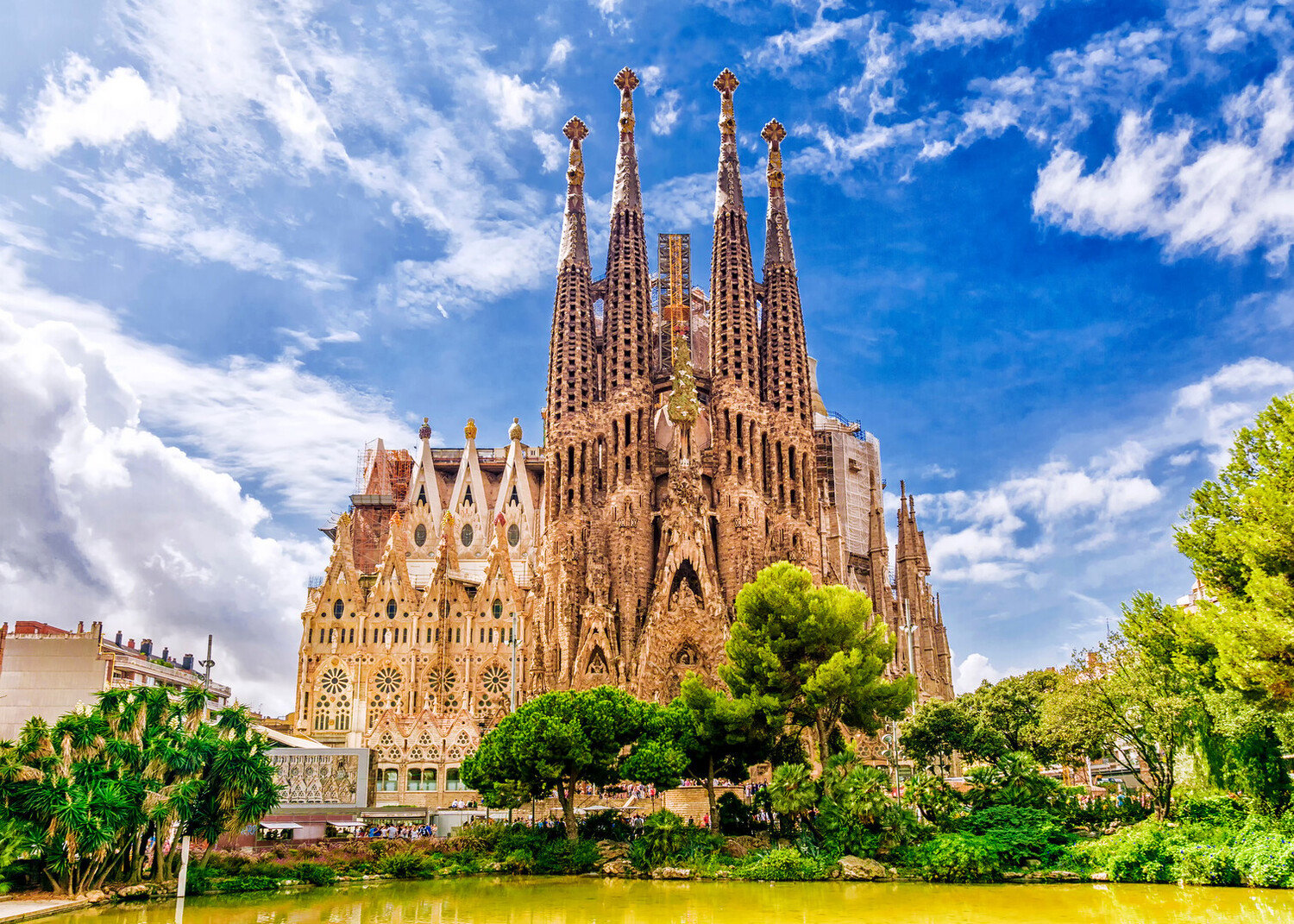
Barcelona is one of those cities that feels instantly recognizable, yet still manages to surprise you. Antoni Gaudí‘s architecture gives the city a character all its own, from the soaring Sagrada Família to the colorful curves of Park Güell, while the Gothic Quarter offers a completely different atmosphere with its narrow medieval streets and hidden squares. Add Mediterranean beaches, lively food markets and a strong Catalan identity, and you have a city that can easily fill several days.
Barcelona is also a convenient starting point for exploring Catalonia’s wine country, particularly the vineyards of Penedès, known for Cava and other local wines.
Planning your Catalan getaway? Check out our full guide to Barcelona for top neighborhood walks, Cava tasting trips, and architectural highlights.
2. Madrid

Madrid may not have Barcelona’s beach or a single landmark that defines the city, but its appeal lies in how much there is to discover between them. Spend the morning at the Prado Museum, walk through the elegant Retiro Park, visit the Royal Palace and then simply wander through neighborhoods such as Malasaña, Chueca or La Latina. The city feels made for long lunches, late dinners and evenings that start with tapas and end much later than planned.
Food is very much part of the experience, from traditional tapas bars to modern restaurants and lively food markets. Madrid is also one of Spain’s best-connected cities, making it an easy addition to a longer itinerary.
Ready to explore the Spanish capital? Dive into our Madrid travel guide to uncover our favorite museum routes, tapas bars, and neighborhood secrets.
3. Seville
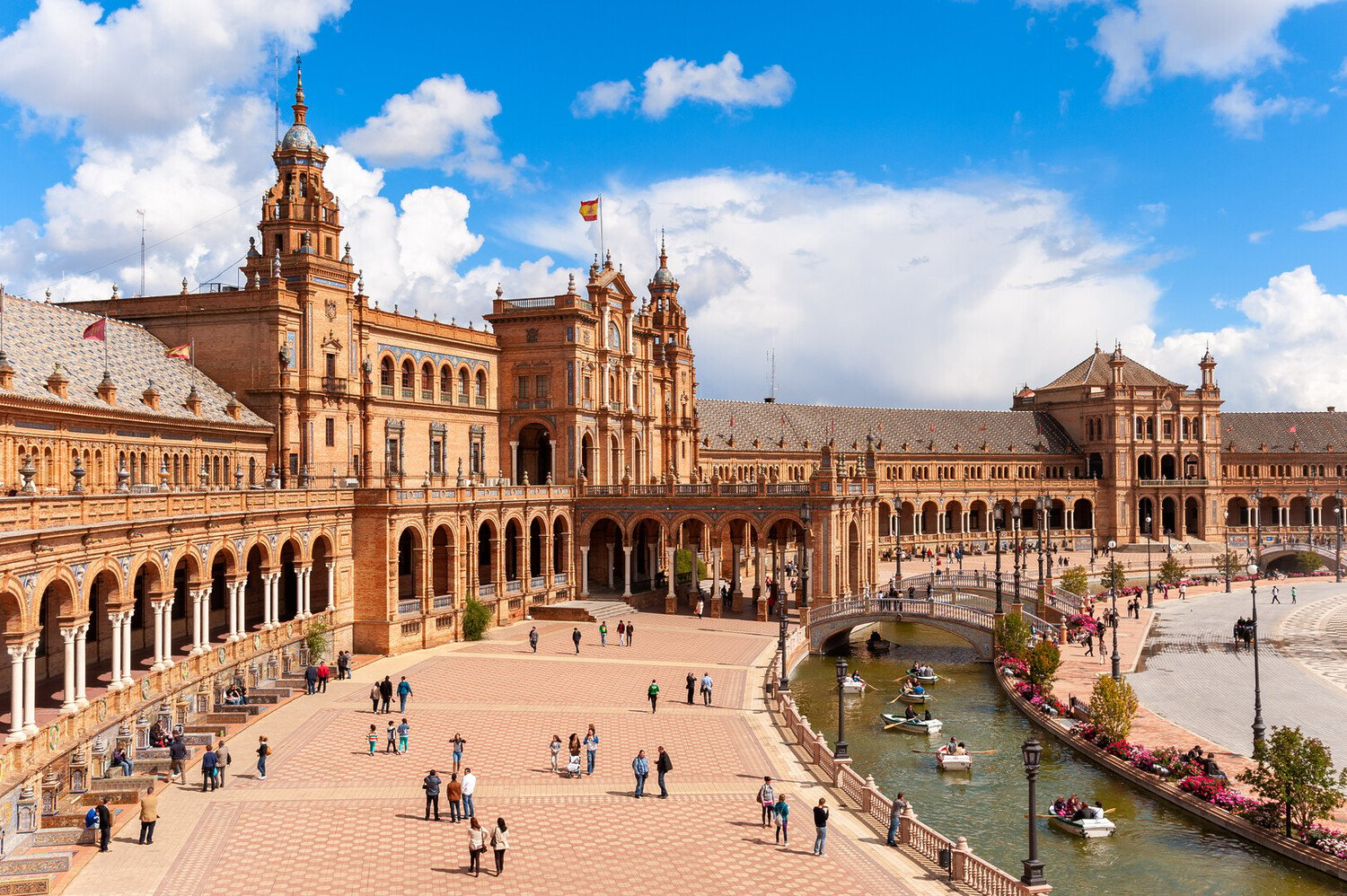
If you want to experience the atmosphere most often associated with southern Spain, Seville is a natural place to start. The Real Alcázar, with its Mudejar architecture and elaborate gardens, is the city’s standout sight, while the vast Plaza de España and the historic Santa Cruz neighborhood give you plenty of reasons to keep exploring on foot. Come in spring and orange trees, warm evenings and outdoor terraces add another layer to the experience.
Seville is also closely associated with flamenco, which developed across Andalusia through a complex mix of musical traditions. Rather than treating it as a one-off tourist attraction, look for a smaller flamenco venue or peña for a more intimate evening.
Discover how to make the most of Andalusia’s vibrant capital with our curated guide to Seville.
4. Granada
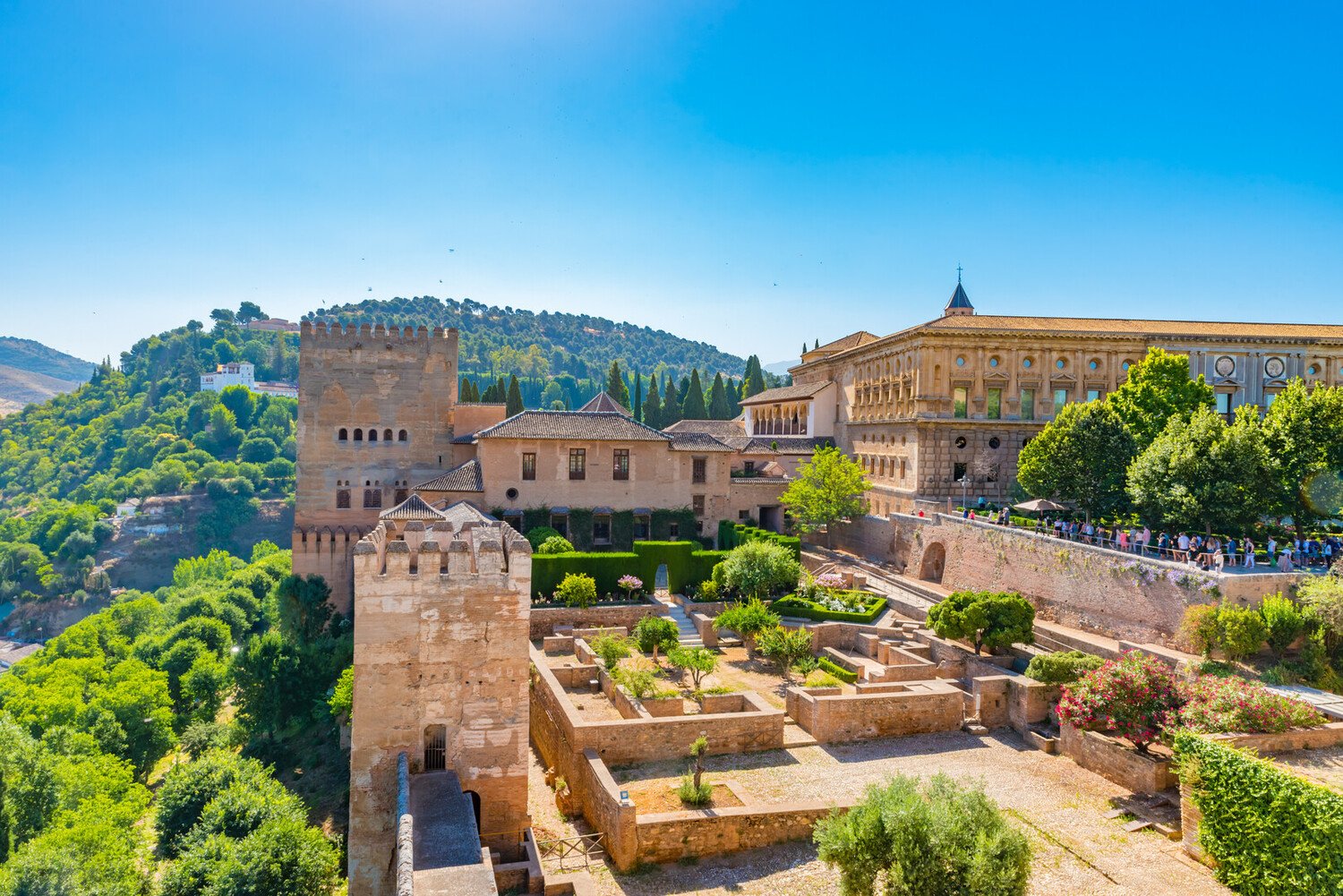
Granada is dominated by one extraordinary sight: the Alhambra. The former Nasrid palace and fortress complex combines intricate Islamic architecture, courtyards, gardens and views across the city and Sierra Nevada, making it one of Spain’s most memorable places to visit (tickets can sell out well in advance, particularly during busy periods, so booking ahead is essential if the Alhambra is high on your list).
But Granada is more than its most famous monument. Wander through the steep streets of the Albaicín, stop for a drink and a tapa, and head to the Mirador de San Nicolás for one of the city’s classic views of the Alhambra.
To organize your itinerary and secure those essential tickets in advance, head over to our complete guide on what to do in Granada.
5. San Sebastián
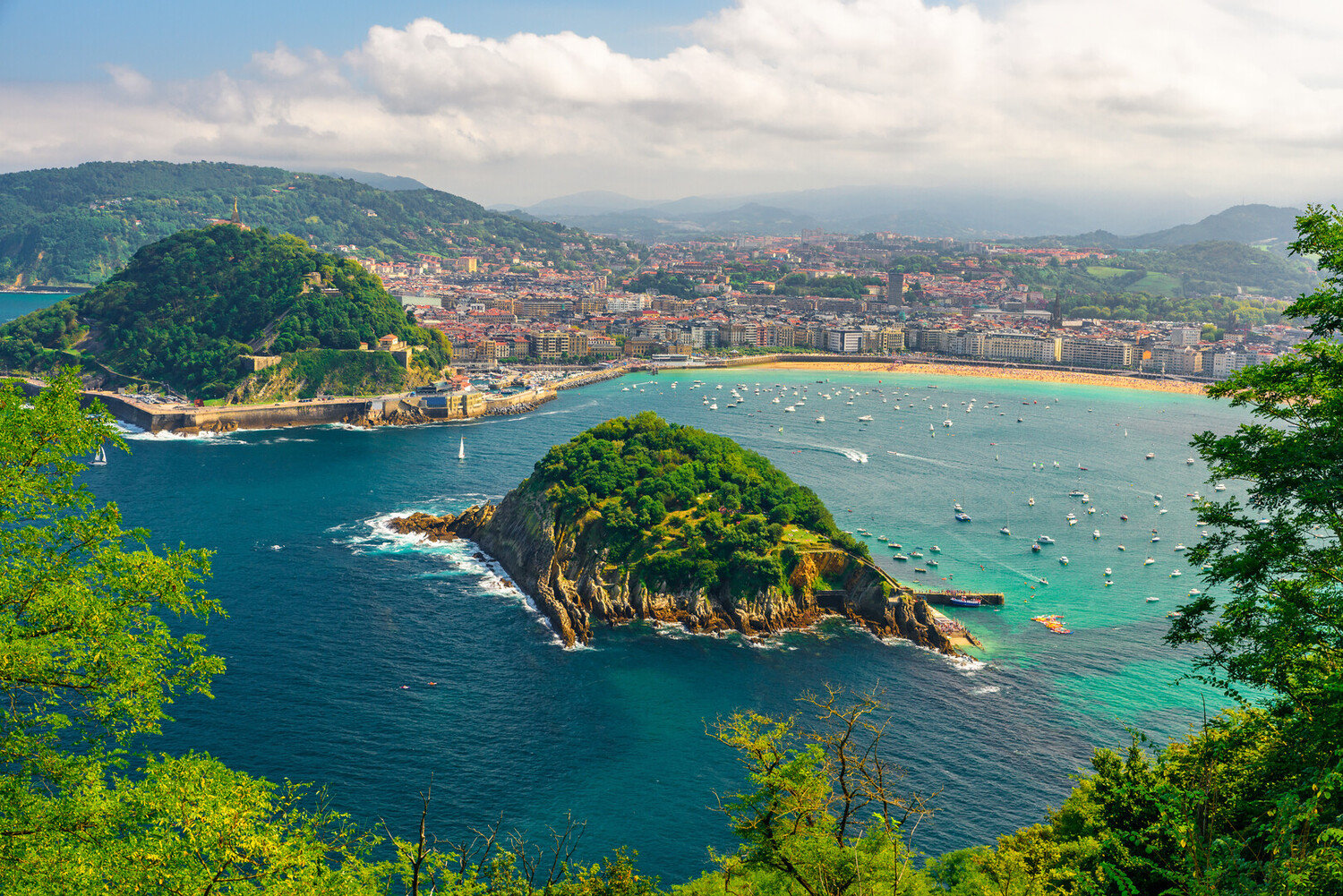
San Sebastián combines two things that rarely come together quite so naturally: a beautiful seaside setting and an extraordinary food scene. The crescent-shaped La Concha beach sits right beside the city center, while the Parte Vieja is packed with bars where pintxos turn a simple evening into a leisurely tour of Basque flavors. For a more ambitious meal, San Sebastián also has an exceptional concentration of Michelin-starred restaurants.
The city makes an especially good stop for travelers who enjoy eating as much as sightseeing. Spend the day by the bay, then work your way through pintxos bars in the evening, ordering a few bites and moving on to the next address.
Ready to taste your way through the Basque Country? Explore our San Sebastián food & travel guide for our top pintxos bar crawls.
6. Valencia

Valencia offers a different take on the Mediterranean city break, combining an atmospheric historic center with long beaches, green spaces and striking contemporary architecture. The City of Arts and Sciences provides the futuristic counterpoint to the old town, while the Turia Gardens run through the city along the former riverbed, creating an unusual green corridor right through the center.
And then there’s paella. The dish originated in the Valencia region, and trying a traditional version here is part of the experience, particularly around lunchtime. Valencia is also within easy reach of vineyards and wine-producing areas, making it an interesting choice if you want to combine city sightseeing with food and wine.
From authentic paella spots to futuristic landmarks, explore our Valencia guide to plan your coastal stay.
7. Córdoba

Few Spanish cities pack quite as much history into such a compact center as Córdoba. The star is the Mezquita-Catedral, whose seemingly endless rows of red-and-white arches reveal the city’s Islamic past before giving way to the Christian cathedral at its heart. Around it, the old Jewish quarter, Roman Bridge and maze of whitewashed streets make Córdoba particularly rewarding to explore on foot.
Spring is an especially appealing time to visit, when the city’s famous Patios Festival opens flower-filled private courtyards to visitors. But Córdoba works year-round if you prefer a quieter atmosphere and cooler temperatures.
Uncover secret flower-filled courtyards and centuries of history with our dedicated Córdoba guide.
8. Bilbao

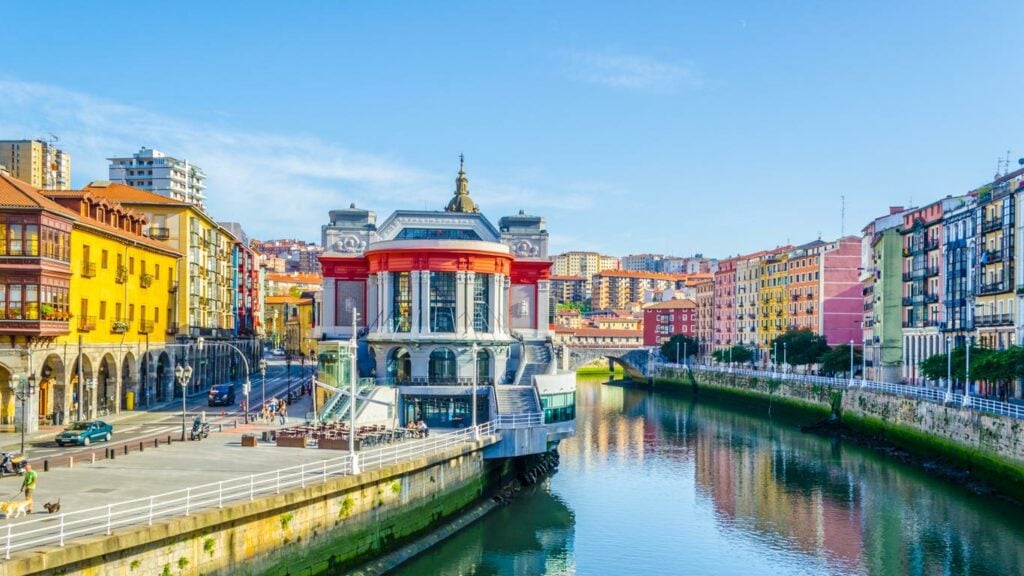
Bilbao is proof that Spain’s northern cities can feel completely different from the classic image of the country. The transformation of its former industrial waterfront is best symbolized by the Guggenheim Museum, Frank Gehry‘s titanium-clad landmark, but the city’s appeal goes well beyond its architecture. The Casco Viejo is full of pintxos bars, lively squares and traditional shops, while the surrounding hills give Bilbao a distinctly green backdrop.
It is also an excellent base for exploring the Basque Country, with dramatic coastal landscapes and destinations such as San Juan de Gaztelugatxe within reach by car.
Plan your northern Spanish escape with our guide to Bilbao, featuring art highlights, coastal drives, and local dining.
9. Mallorca
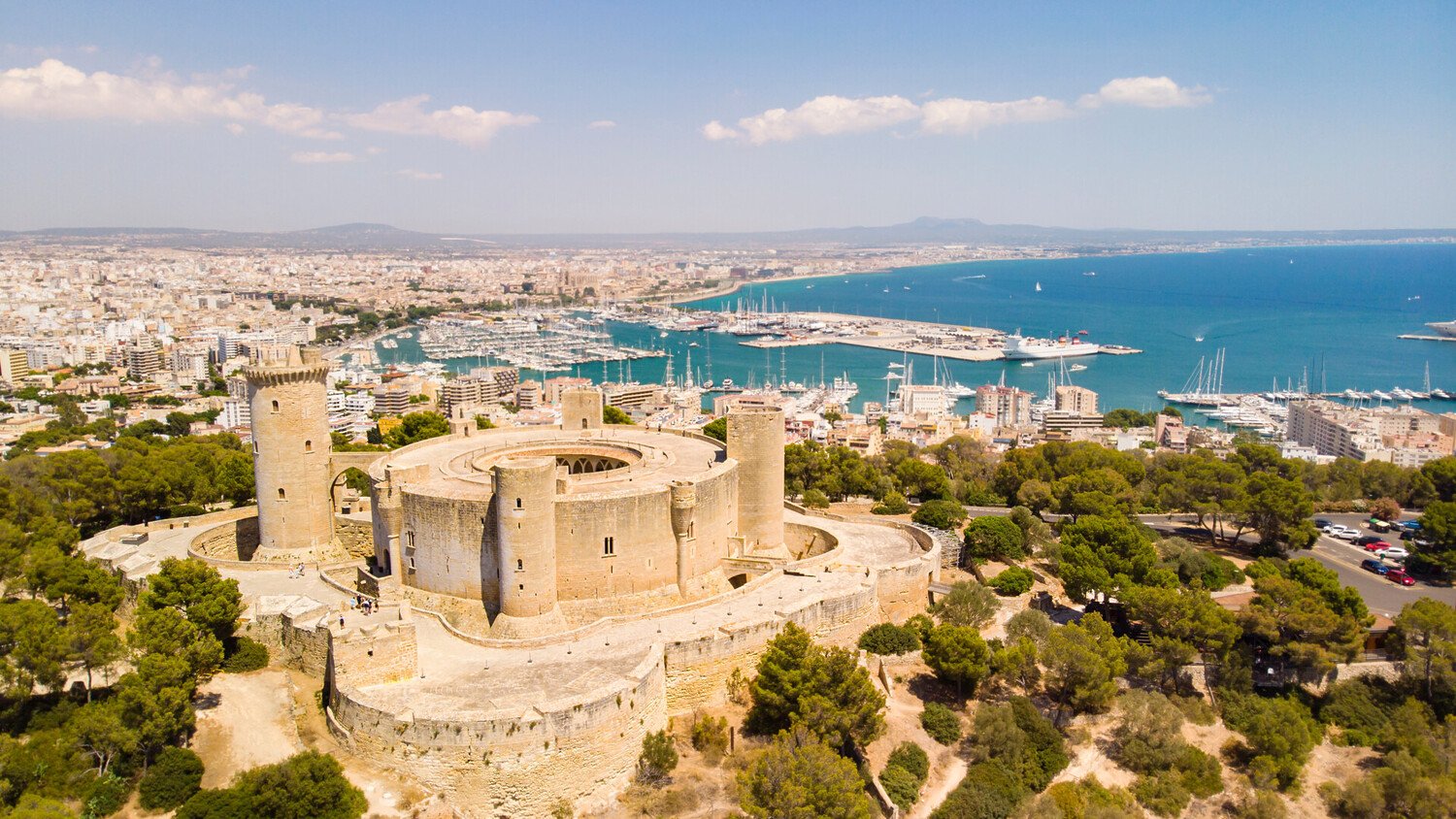
Mallorca is much more than a beach destination. Yes, the island has turquoise coves and long stretches of Mediterranean coastline, but inland you’ll find the dramatic Serra de Tramuntana, stone villages, olive groves and a surprisingly strong food and wine culture. Palma is worth several days on its own, with its Gothic cathedral, atmospheric old town and excellent restaurants, while towns such as Deià, Sóller and Valldemossa offer a very different pace.
For wine lovers, Mallorca also has its own wine-producing traditions and several wineries open to visitors, making it easy to add a tasting to an island itinerary.
Looking to explore beyond the coastline? Discover our favorite mountain villages and island wineries in our Mallorca travel guide.
10. Málaga
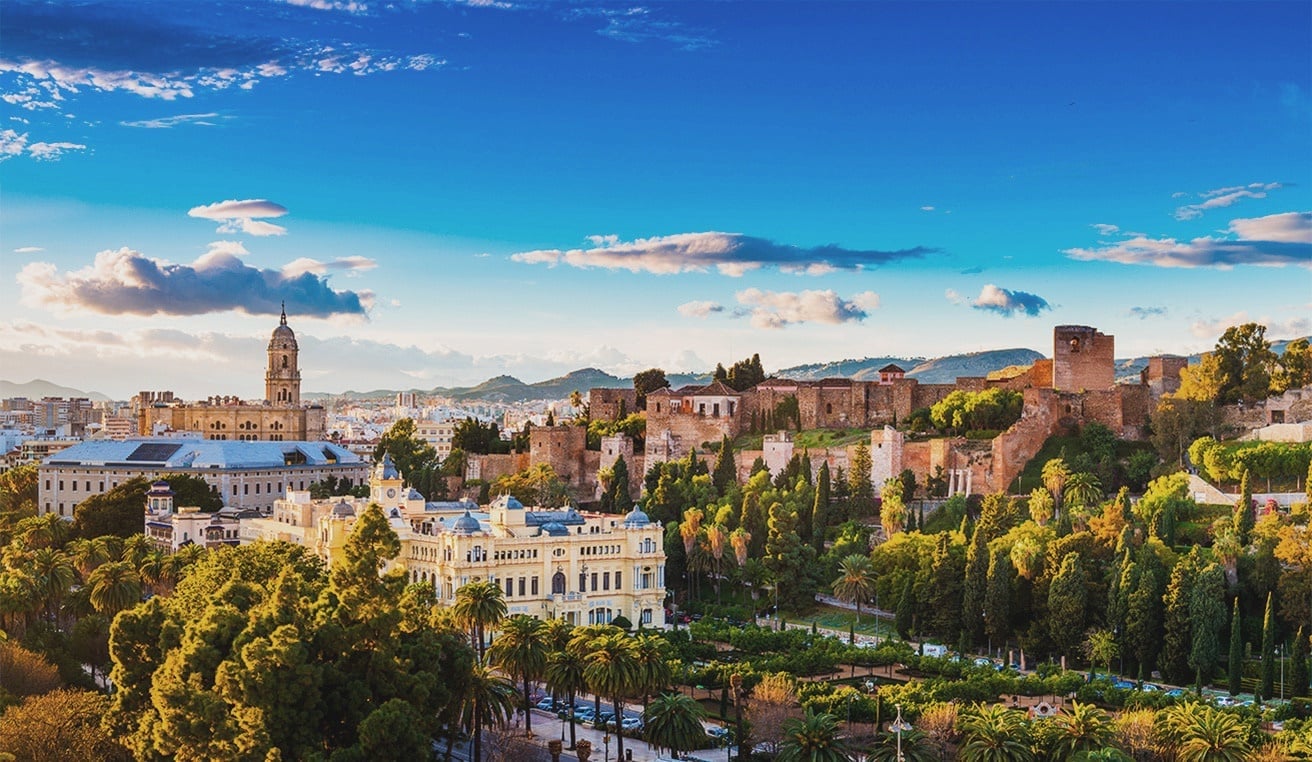
Málaga has grown into one of southern Spain’s most interesting city breaks, combining a historic center with contemporary culture, beaches and an increasingly ambitious food scene. Start with the Alcazaba and Roman Theatre, climb up to Gibralfaro for views over the city and port, then head back down to explore the pedestrian streets and museums. The Picasso Museum is another major draw in the artist’s birthplace.
Málaga is also a practical base for exploring the wider Costa del Sol and the surrounding province, whether you’re looking for beaches, mountain landscapes or Andalusian villages. For wine lovers, the region is particularly interesting for its Málaga and Sierras de Málaga wines, including the area’s long-standing sweet-wine tradition.
Combine coastal relaxation with Andalusian culture and local wines using our Málaga destination guide.
11. Toledo

Just outside Madrid, Toledo feels like stepping into a different chapter of Spanish history. Known for centuries of coexistence between Christian, Muslim and Jewish communities, the walled city brings together churches, mosques, synagogues and medieval streets within a remarkably compact historic center. The Toledo Cathedral, the former Synagogue of El Tránsito and the Church of Santo Tomé are among the highlights.
Toledo is easy to visit as a day trip from Madrid, but staying overnight gives you the chance to see the city after the day-trippers have left and experience its streets at a slower pace.
Planning a day trip or an overnight stay from Madrid? Find the essential sights and walking routes in our Toledo city guide.
12. Santiago De Compostela

For many travelers, Santiago de Compostela is the destination at the end of the Camino de Santiago. But even without walking the pilgrimage route, the Galician capital is worth visiting for its atmospheric old town, grand stone buildings and the extraordinary Cathedral of Santiago, traditionally associated with the tomb of Saint James.
Galicia also brings a completely different food culture to the Spanish table, with exceptional seafood, octopus, local cheeses and crisp white wines such as Albariño from nearby Rías Baixas.
From historic landmarks to Galician seafood and Albariño pairings, explore our Santiago de Compostela guide to plan your visit.
13. Salamanca

Salamanca is one of Spain’s great historic university cities, and its warm golden sandstone gives the entire center a distinctive glow, particularly around sunset. The magnificent Plaza Mayor, the Old and New Cathedrals and the University of Salamanca are the essential stops, but part of the pleasure is simply walking through the compact historic center, a UNESCO World Heritage Site.
The university also gives Salamanca a lively atmosphere that keeps the city from feeling like an open-air museum. It is compact enough to explore comfortably in a day, although staying overnight lets you enjoy its restaurants, bars and evening atmosphere once the day-trippers have gone.
Discover the golden architecture, historic sites, and evening atmosphere of this vibrant town in our Salamanca travel guide.
14. Haro & La Rioja
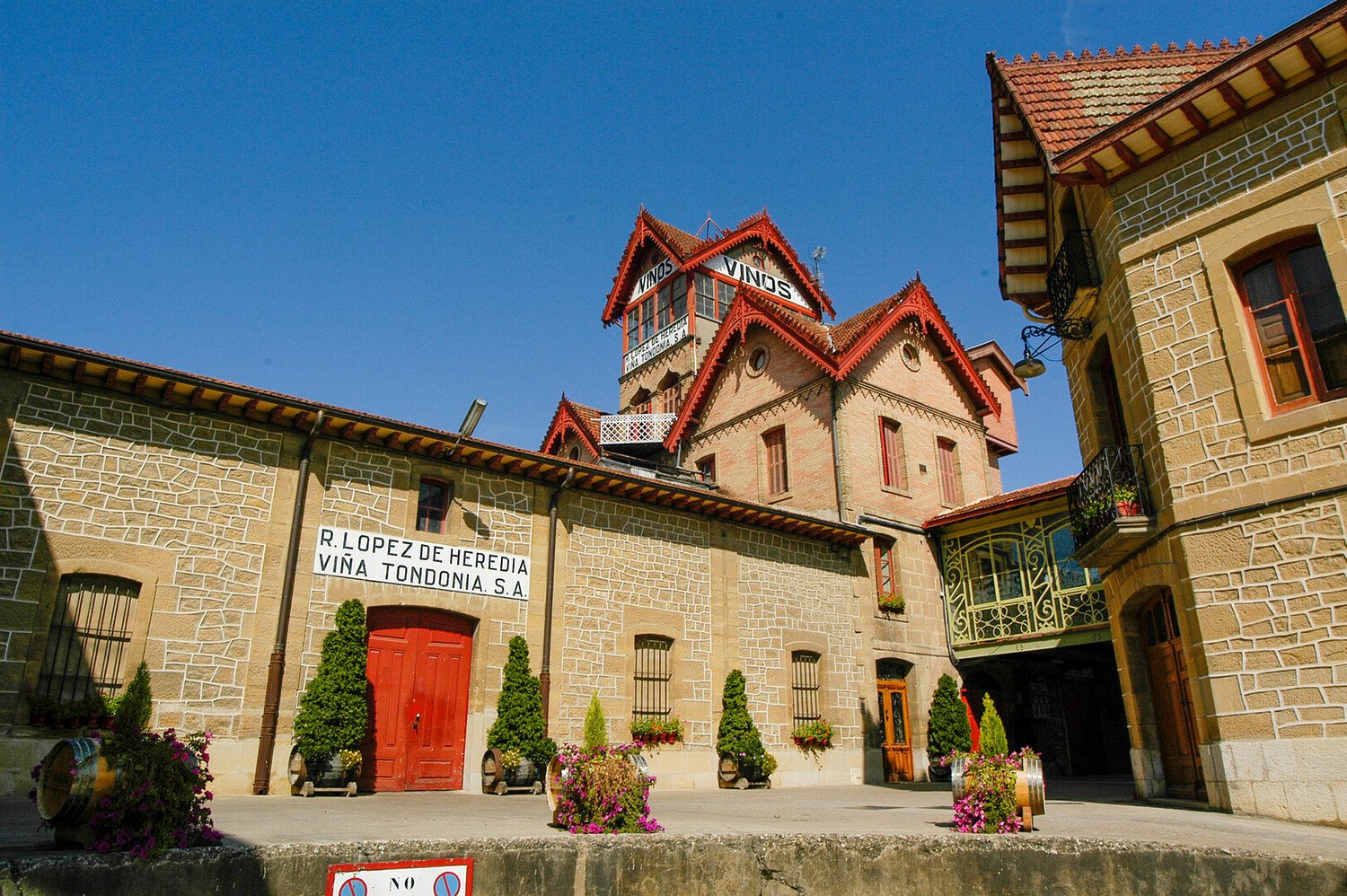
For wine lovers, La Rioja deserves a place on any shortlist of Spain’s most distinctive destinations. At its heart is Haro, one of the region’s most important wine towns and home to the famous Barrio de la Estación, where historic wineries sit side by side and welcome visitors for tours and tastings.
The experience extends well beyond the cellar doors: vineyards cover the surrounding landscape, medieval villages such as Laguardia make beautiful stops, and wine-focused restaurants and museums add depth to a trip through the region. Haro is particularly well suited to travelers who want to build an entire getaway around wine, gastronomy and the landscapes of northern Spain.
Start crafting your ultimate Spanish wine route with our guide to the best wineries and experiences in La Rioja.
15. Tenerife

Tenerife offers a completely different side of Spain, with volcanic landscapes, Atlantic beaches and a climate that makes the island appealing well beyond the traditional summer season. At its center is Mount Teide, Spain’s highest peak, surrounded by the spectacular landscapes of Teide National Park. On the coast, you’ll find everything from black-sand beaches to natural swimming pools, while towns such as La Laguna bring a strong historic and architectural dimension.
Tenerife is also part of the Canary Islands’ wine-growing tradition, with vineyards cultivated on volcanic soils and several wineries offering visits and tastings. That combination of nature, food and wine makes the island particularly versatile for a longer stay.
Ready to explore volcanic landscapes and island vineyards? Check out our Tenerife guide for our top nature and wine recommendations.
Good to know before planning your trip to Spain
What’s the best time of year to visit Spain?
There is no single best time to visit Spain, as the climate varies considerably from one region to another. Spring and fall are generally ideal for cities such as Madrid, Barcelona and Seville, while the Canary Islands are a good option for winter sunshine. July and August can be very hot, particularly in central and southern Spain.
How many days do you need to visit Spain?
You could spend weeks exploring Spain without seeing everything, so two to three weeks is a good starting point for combining several regions without rushing. With just one week, it’s better to focus on one area, such as Madrid, Toledo and Salamanca or Seville, Córdoba and Granada, rather than trying to cross the whole country.
What’s the best way to get around Spain?
Spain has an extensive high-speed rail network, making trains one of the easiest ways to travel between major cities such as Madrid, Barcelona, Valencia and Seville. A rental car becomes more useful when exploring wine regions, coastal villages and smaller towns that are less well connected by public transport.
What food should you try while visiting Spain?
Spain’s regional cuisine is one of the highlights of any trip. Try paella in Valencia, pintxos in the Basque Country, jamón ibérico in Andalusia, seafood in Galicia and traditional dishes such as gazpacho in southern Spain. And if you’re a wine lover, leave room for the country’s diverse wine regions, from La Rioja to Rías Baixas and Mallorca.
Do you need a visa to visit Spain?
For U.S. travelers, Spain is part of the Schengen Area, and short stays of up to 90 days generally do not require a visa. Entry requirements can vary depending on your nationality and may change, so check the latest official requirements before your trip.
What are the best places to visit in Spain for a first trip?
For a first trip, Madrid and Barcelona are easy starting points thanks to their international connections, major sights and excellent rail links. From there, you can add destinations such as Seville, Granada, Valencia or San Sebastián, depending on whether you’re most interested in history, food, beaches or wine.

Je parcours les vignobles d'Europe aux côtés de Nicolas, fondateur de Winalist. Je partage ici mes impressions en toute simplicité : mes coups de cœur, ce qui m'a touchée dans une visite, ce qu'on a bu et mangé, les pépites dénichées (et les déceptions évitées). Parce qu'on n'a pas besoin d'être œnologue pour apprécier l'univers du vin.


