


Things to Do in Calabria: 16 Best Places to Visit

While Sicily gets the postcards and Puglia gets the crowds, Calabria quietly delivers both a coastline that rivals the Amalfi Coast and a mountainous interior thick with beech forests, and almost nobody outside Italy plans a trip around it. The best things to do in Calabria mix coastline and mountains: swim at Tropea and Capo Vaticano, wander Scilla’s Chianalea fishing quarter, eat tartufo gelato in Pizzo, explore Reggio Calabria’s Bronzes museum, and head inland to Sila or Aspromonte National Park for cooler air and hilltop villages.
- Ideal stay: 4-5 days for the coastal highlights, 8-10 days for a full coast-to-mountain loop including Sila and Aspromonte.
- Must-sees: Tropea, Capo Vaticano, Chianalea di Scilla, Pizzo, Reggio Calabria, Sila National Park, Aspromonte National Park, Gerace, Cosenza old town.
- Local cuisine: tartufo gelato in Pizzo, ‘nduja, swordfish from the Strait of Messina, and Calabrian reds from the Cirò and Savuto appellations.
- Access: fly into Lamezia Terme or Reggio Calabria airports, or take the train from Naples (about 3-3.5 hours to Lamezia).
- Budget: comfortable weekend for two from around €250-350; a premium multi-day stay with sea-view or boutique hotels runs €800-1,500.
The Calabria wine region: wineries and tastings
Calabria’s vineyards stretch from the Tyrrhenian slopes above Cirò and Savuto down to the Ionian side near Locride, built mostly around the Gaglioppo grape for reds and Greco Bianco for whites, with roughly a dozen DOCs recognized across the region including Cirò, Savuto, Melissa and Bivongi. Tastings at family-run estates typically run €15-30 per person and often pair a few glasses with local cured meats or ‘nduja on bread, a good way to break up a coastal or mountain day with something slower. Estates cluster mainly around Cirò Marina on the Ionian coast and around Catanzaro’s hinterland, and browsing the region’s Calabria wineries is the easiest way to see which cellars are open for visits on the dates you’re traveling.
16 best places to visit in Calabria
Calabria rewards a coast-to-mountain approach rather than a flat checklist: the Tyrrhenian resort towns come first, then the strait and Reggio’s museums, then the cooler air of the interior. Here are the 16 stops worth building a trip around.
1. Tropea
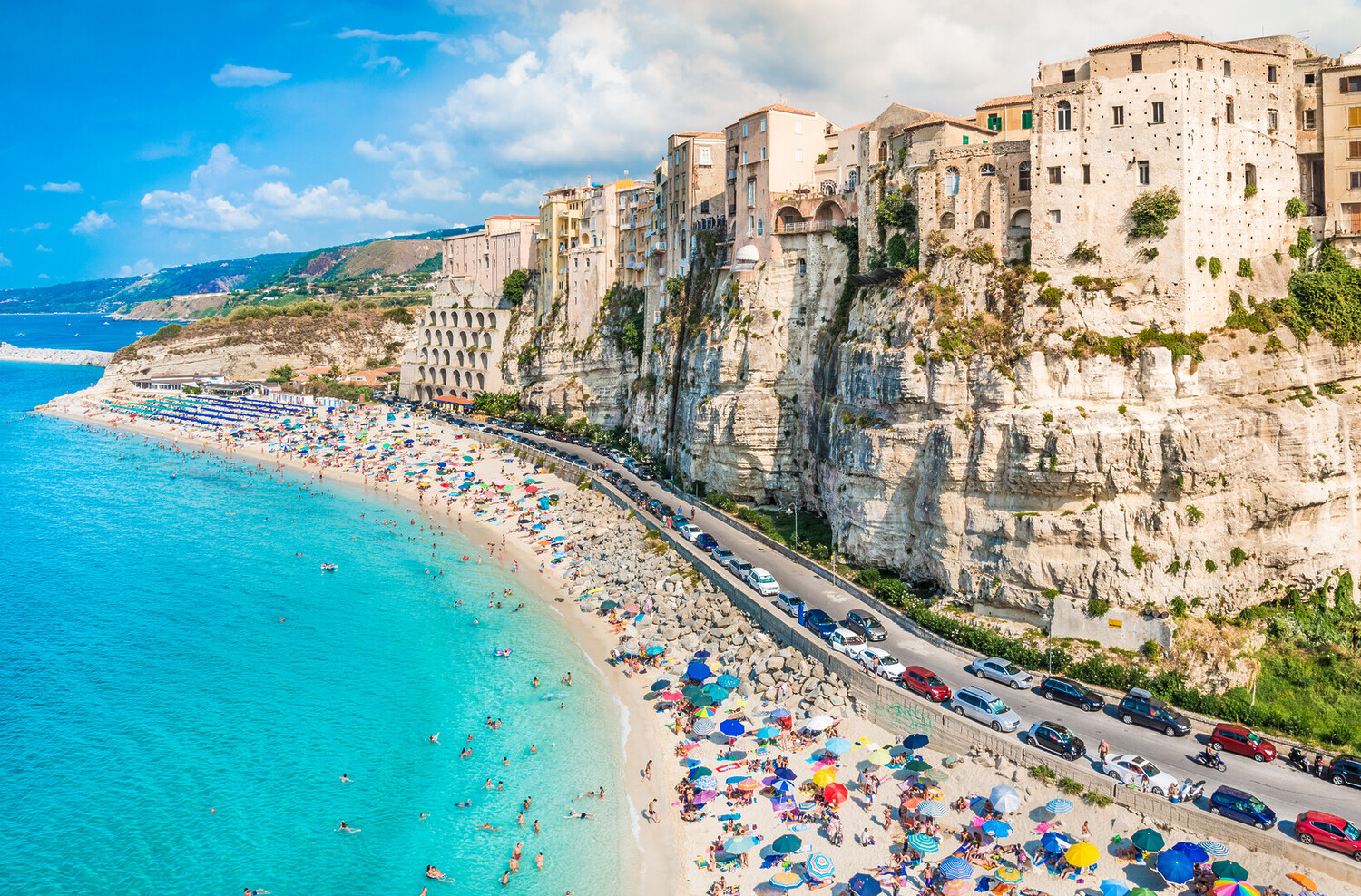
Perched on a cliff above the Tyrrhenian, Tropea is the town most people picture when they think of Calabria: the Sanctuary of Santa Maria dell’Isola sits on its own rock just below the old town, and the lungomare gives a straight view down to the beach. It’s touristy for good reason, and it’s the natural first base for exploring the Costa degli Dei.
2. Capo Vaticano
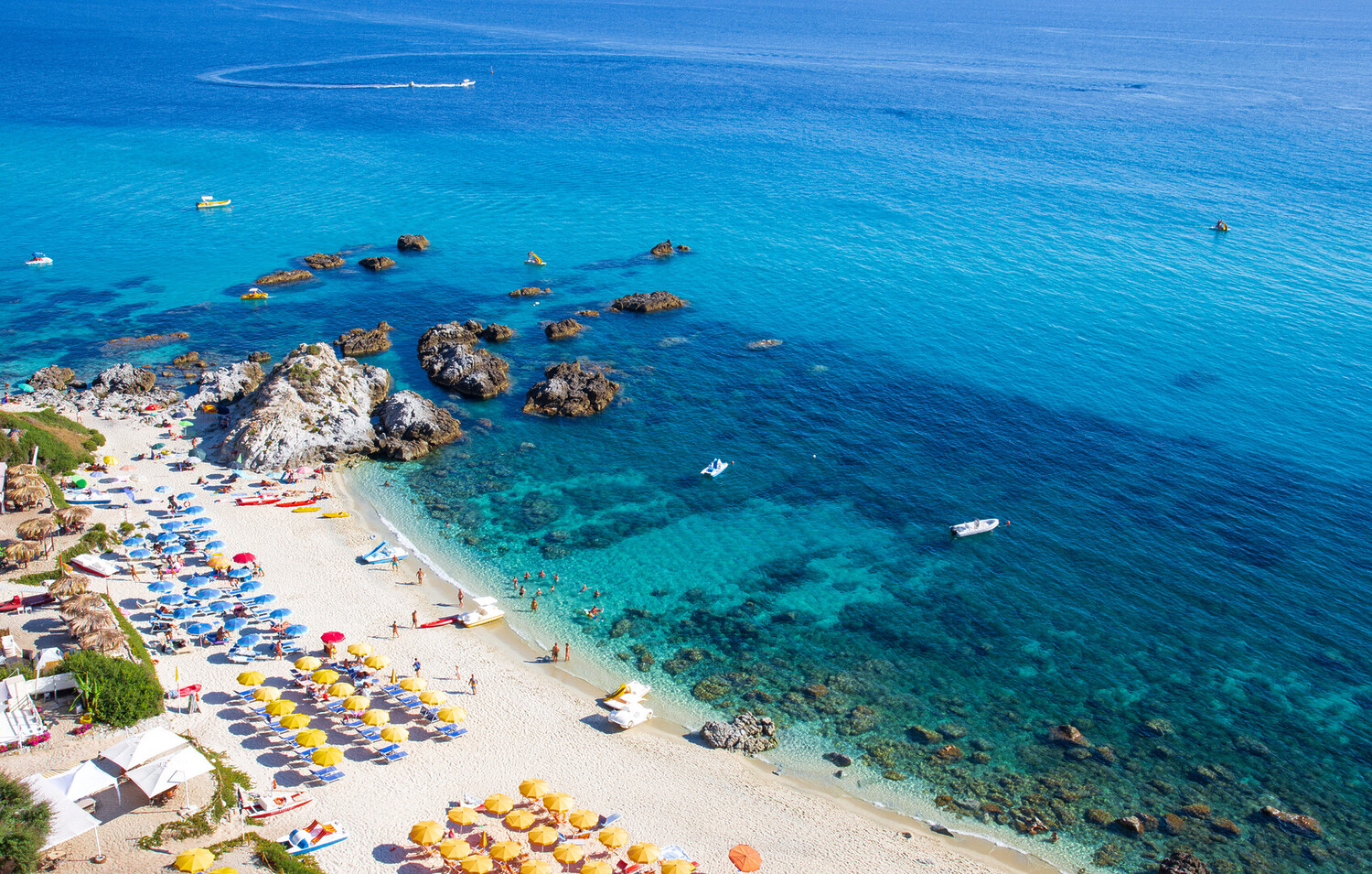
A few kilometers south of Tropea, Capo Vaticano’s cliffs drop into water so clear it gets compared to the Caribbean. Several coves are only reachable by boat trip or a steep path, and the snorkeling around the rocks near Grotticelle beach is some of the best on this stretch of coast.
3. Chianalea di Scilla
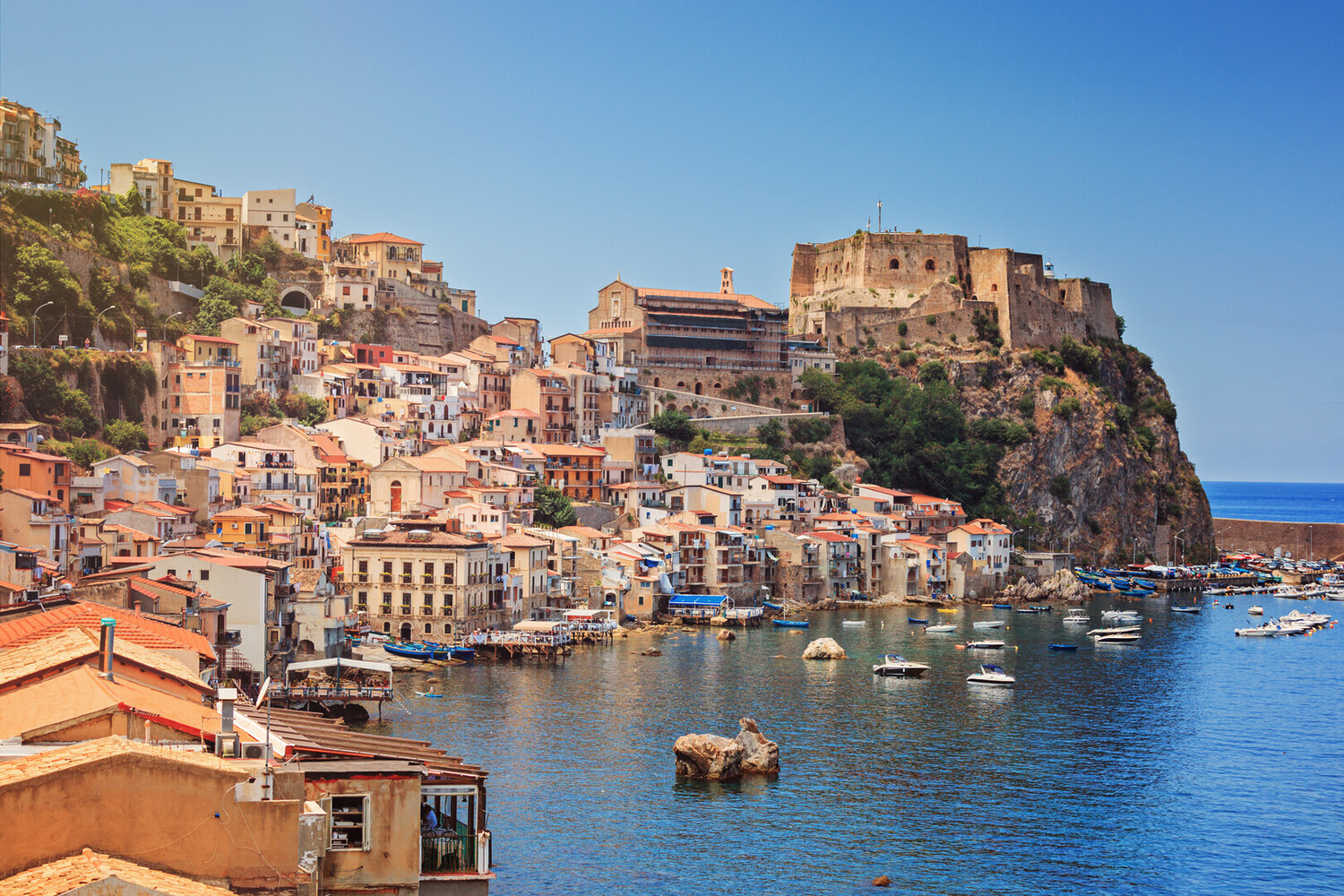
Nicknamed the “Venice of Calabria,” Chianalea is the old fishing quarter of Scilla, where houses rise straight out of the water and small boats are tied up right below the windows. It’s a short walk from the castle and beach, and one of the most photogenic corners of the whole region.
4. Pizzo
Pizzo is a compact hilltop town over the Tyrrhenian, known across Italy as the birthplace of tartufo gelato, a chocolate-and-hazelnut ice cream truffle invented here and still served in the same handful of gelaterie on the main piazza. Combine a gelato stop with a look at the small Aragonese castle on the edge of town.
5. Reggio Calabria and the Bronzes museum
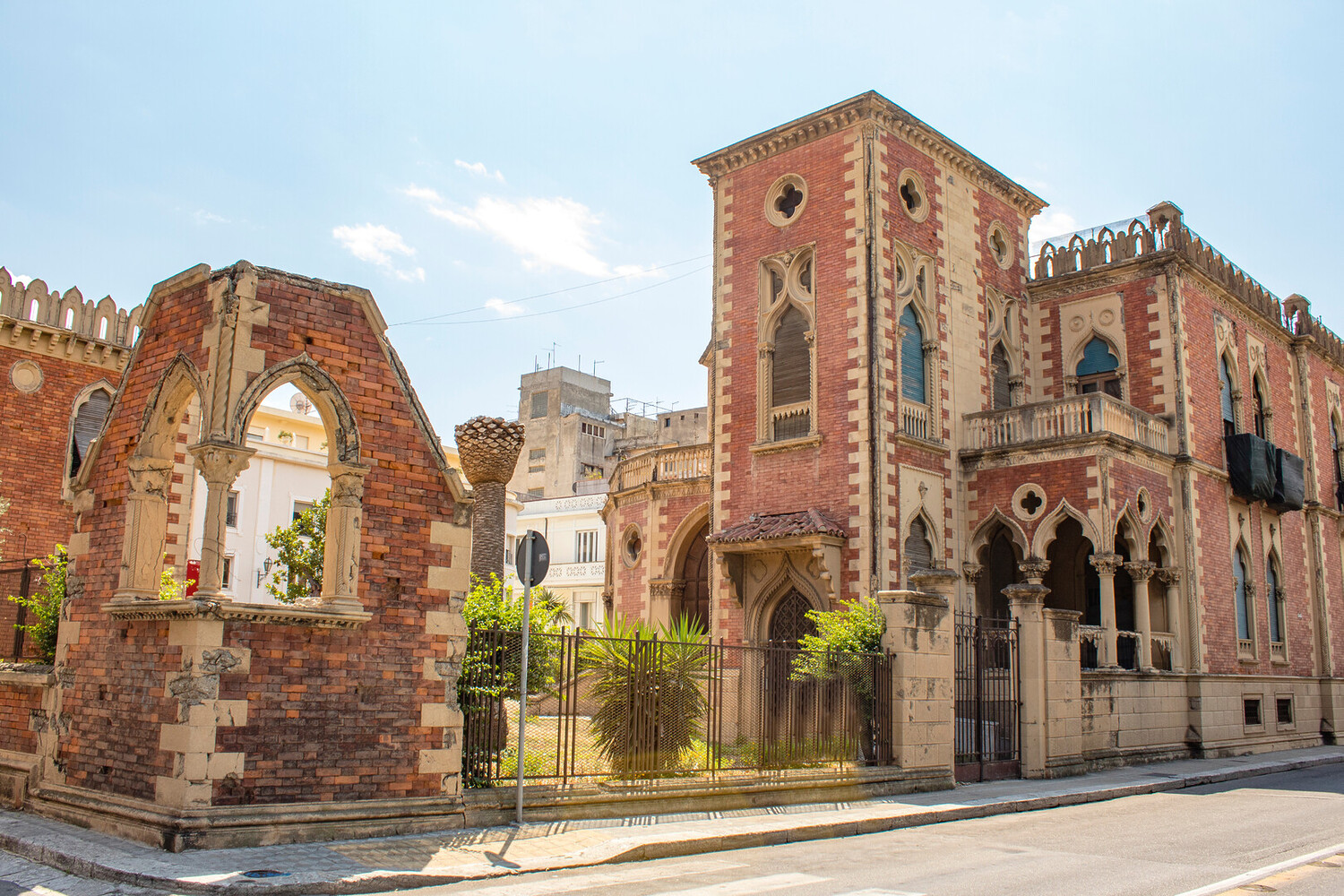
Reggio Calabria sits right on the Strait of Messina, with Sicily visible across the water on a clear day. The National Archaeological Museum houses the Bronzi di Riace, two full-size bronze warrior statues considered among the finest Greek bronzes ever recovered, and the seafront lungomare is one of the pleasant places in Italy for an evening walk.
6. The Strait of Messina
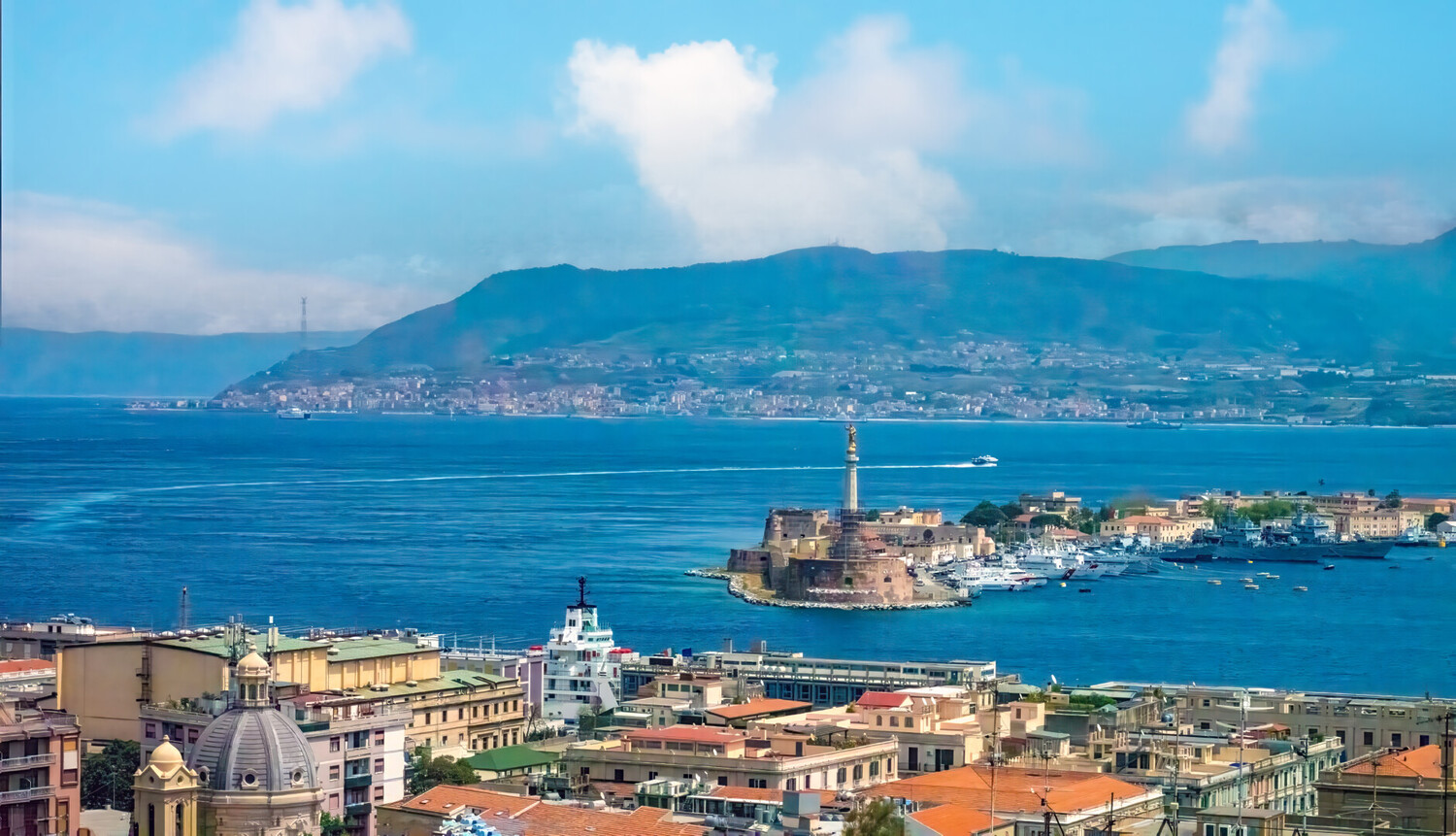
The narrow channel between Calabria and Sicily is worth pausing for in its own right: currents swirl visibly where the Tyrrhenian meets the Ionian, and on clear days Sicily’s Etna is visible from the shore near Scilla or Reggio.
7. Sila National Park
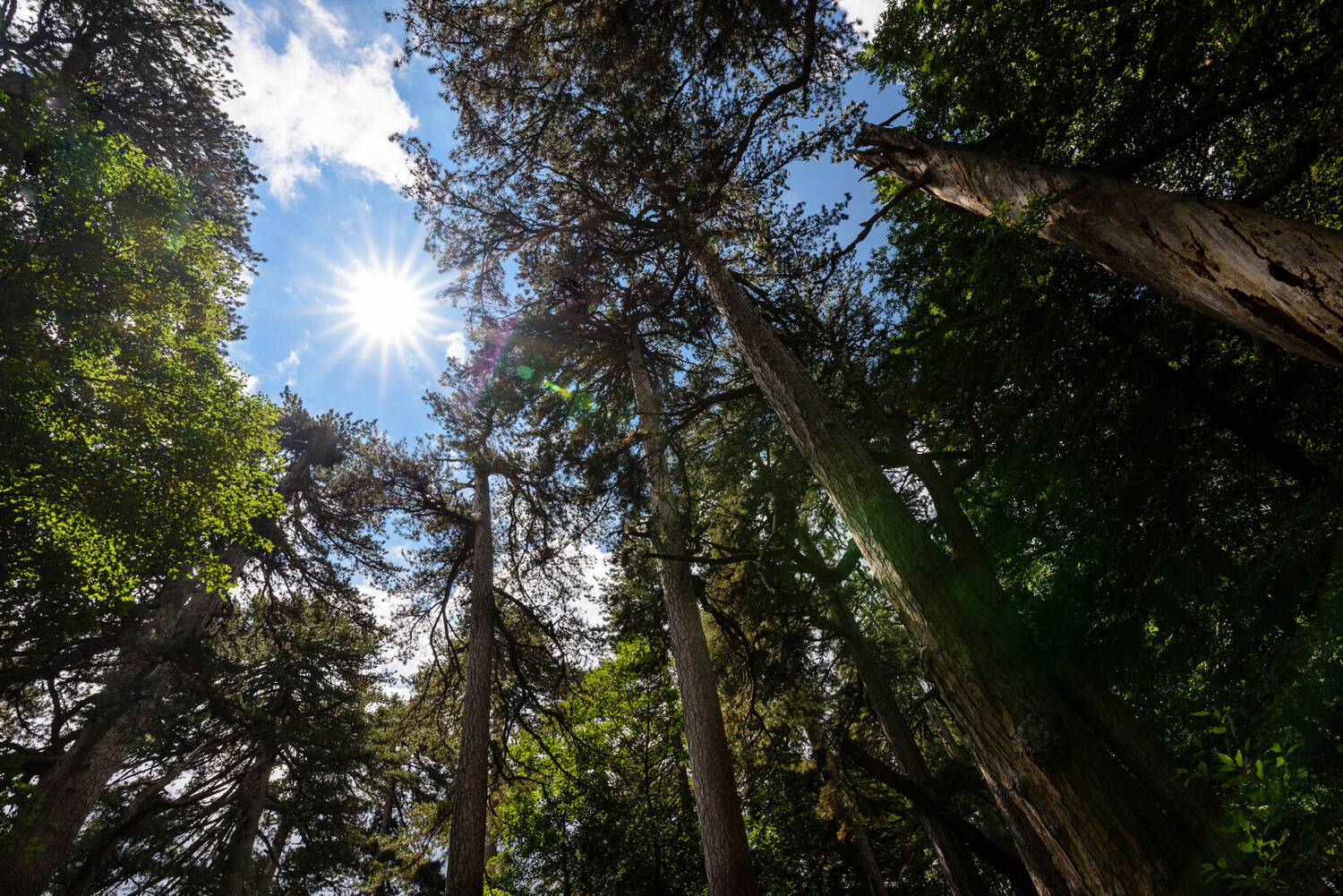
Inland and up, La Sila is a plateau of beech and pine forest, cooler lakes and pastures that feels closer to the Alps than to the Mediterranean coast a short drive away. It’s the place to swap beach time for hiking, horseback riding or just cooler air in the middle of summer.
8. Aspromonte National Park
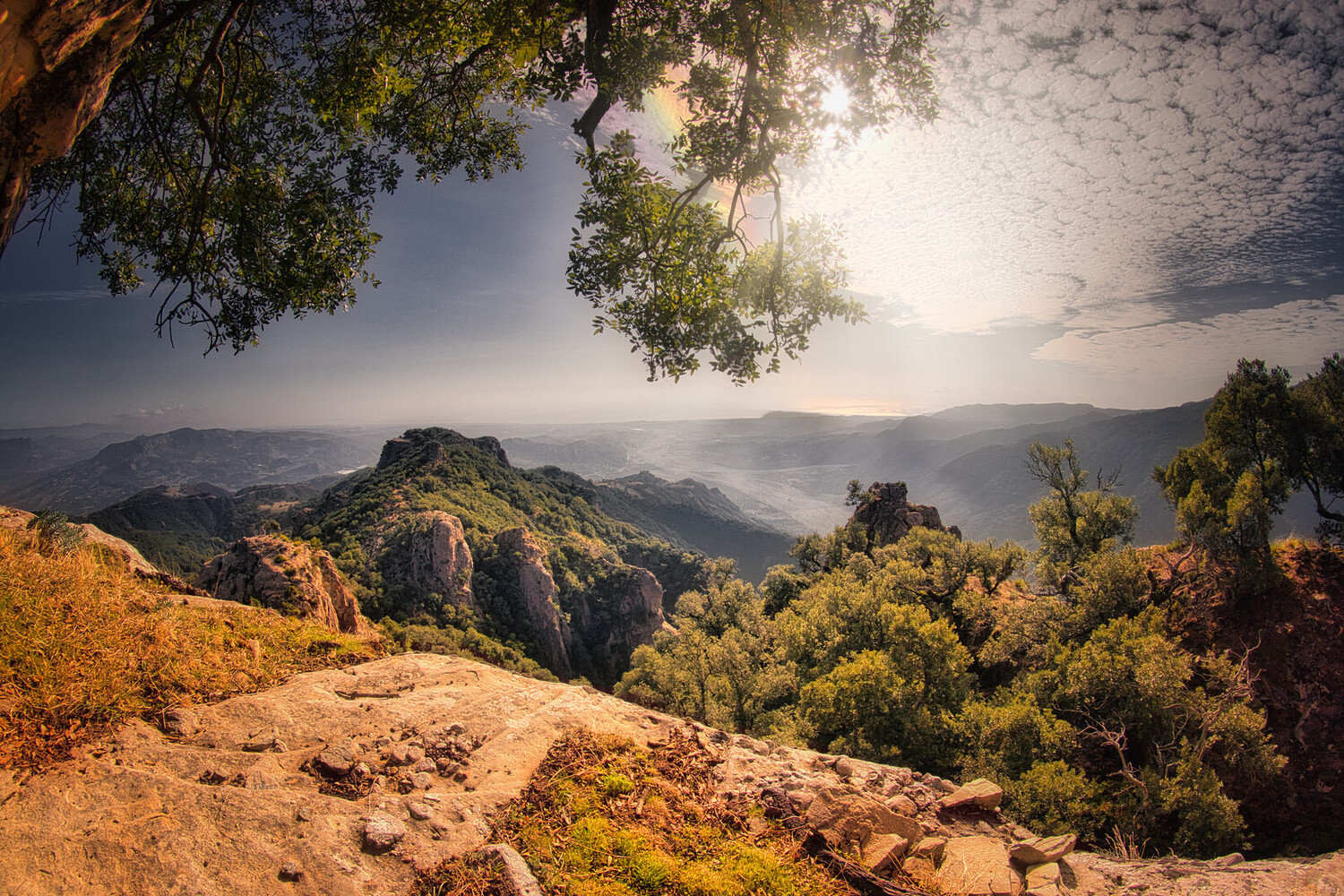
South of Reggio, Aspromonte’s granite peaks and gorges give the region its wildest scenery, with waterfalls, chestnut woods and hilltop villages that see far fewer visitors than the coast. The Gole dell’Amendolea and the Pentedattilo ghost village are among the more striking detours.
9. Cosenza old town
Cosenza’s centro storico climbs a hillside above the modern city, its narrow lanes lined with historic palazzi and a Norman-Swabian castle at the top. It’s less polished than the coastal towns, which makes it a good stop for a slower, more local afternoon.
10. Gerace
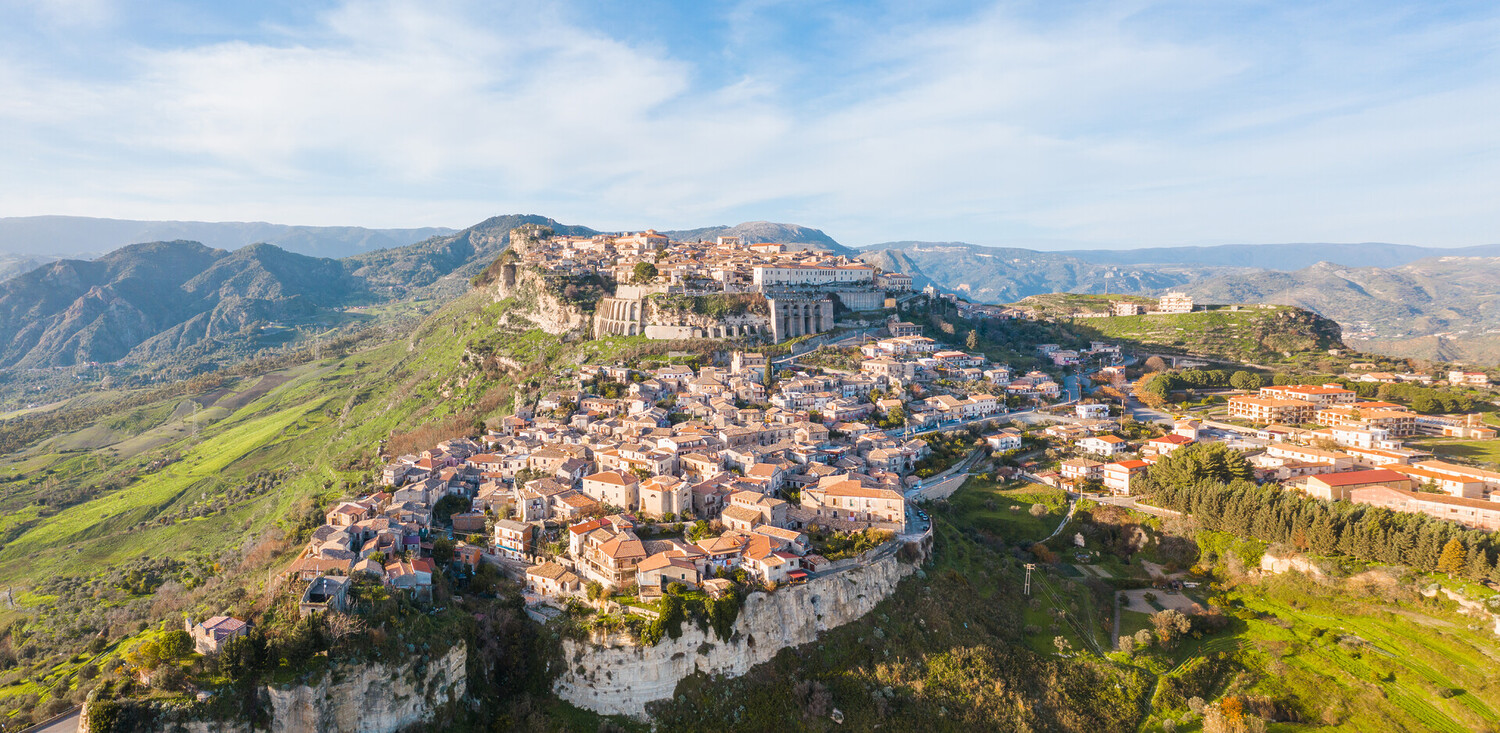
One of the classic hilltop towns, Gerace sits on a rock spur in the Locride area with a Norman cathedral, one of the largest in southern Italy, and views stretching to the Ionian Sea. Its stone streets are largely car-free.
11. Praia a Mare and the Arcomagno
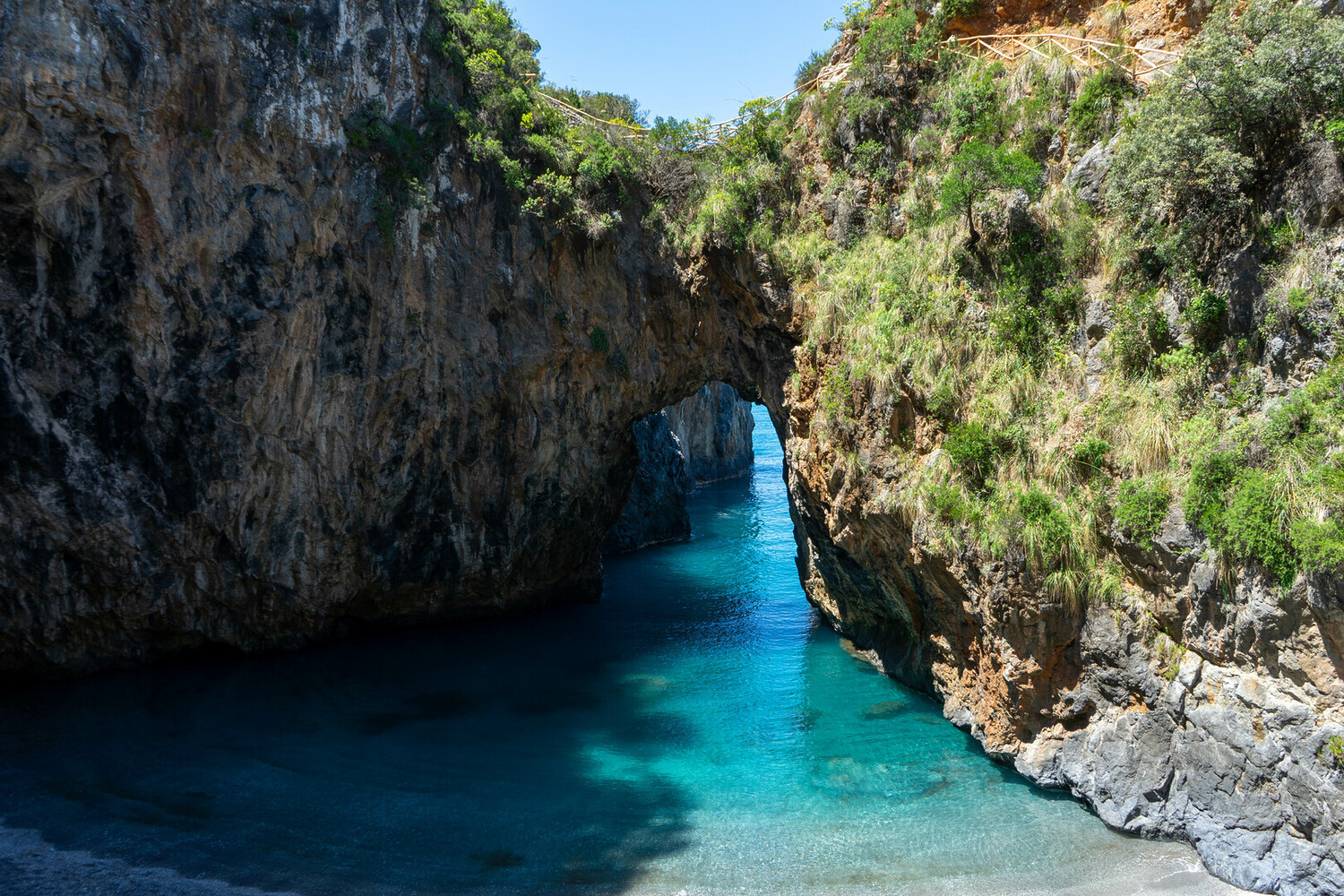
On the northern Tyrrhenian coast, Praia a Mare faces the small island of Dino, riddled with sea caves worth a boat trip. A little further north near San Nicola Arcella, the Arcomagno cove is a natural rock arch opening onto a hidden beach of white sand.
12. Catanzaro
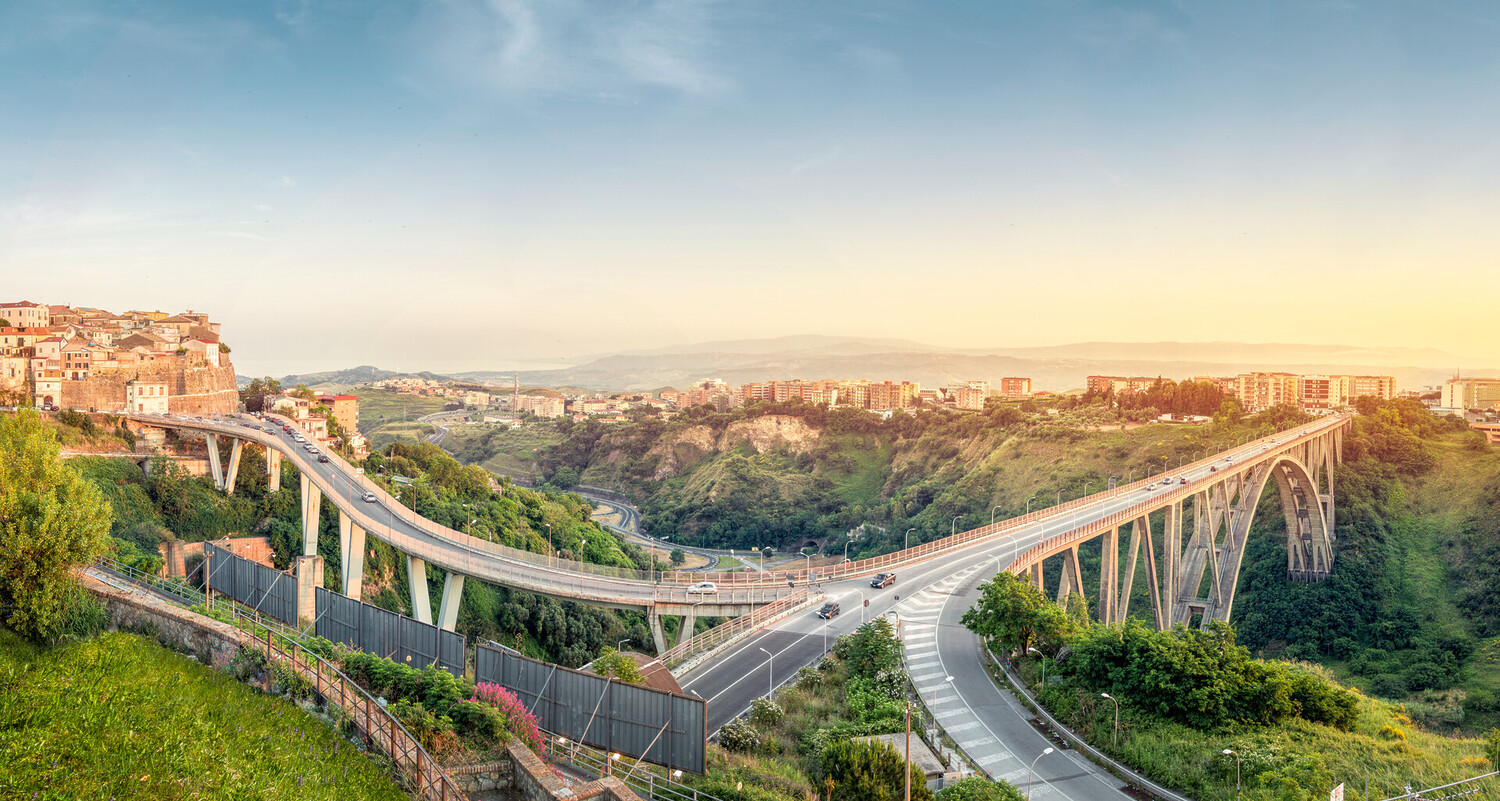
The regional capital sits on a ridge between the Tyrrhenian and Ionian seas, with a pedestrian bridge and old town worth a couple of hours if you’re passing through. It’s also a practical base for Catanzaro wine tours into the surrounding hills.
13. Soverato and the Ionian beaches
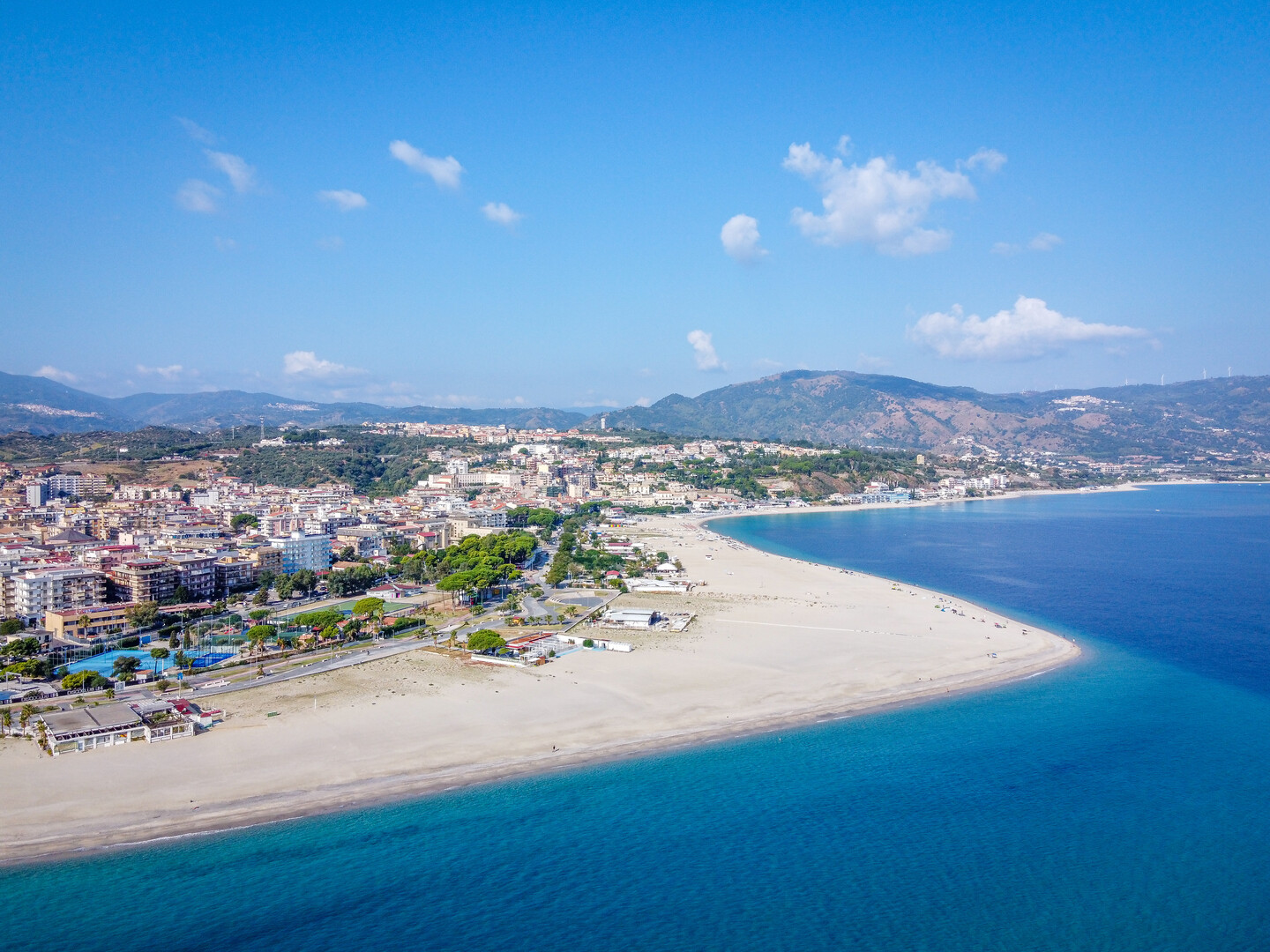
On the Ionian side, Soverato has a long sandy beach and a livelier, more modern feel than the cliffside Tyrrhenian towns, useful if you want flat white sand rather than coves.
14. Scilla’s castle and beach
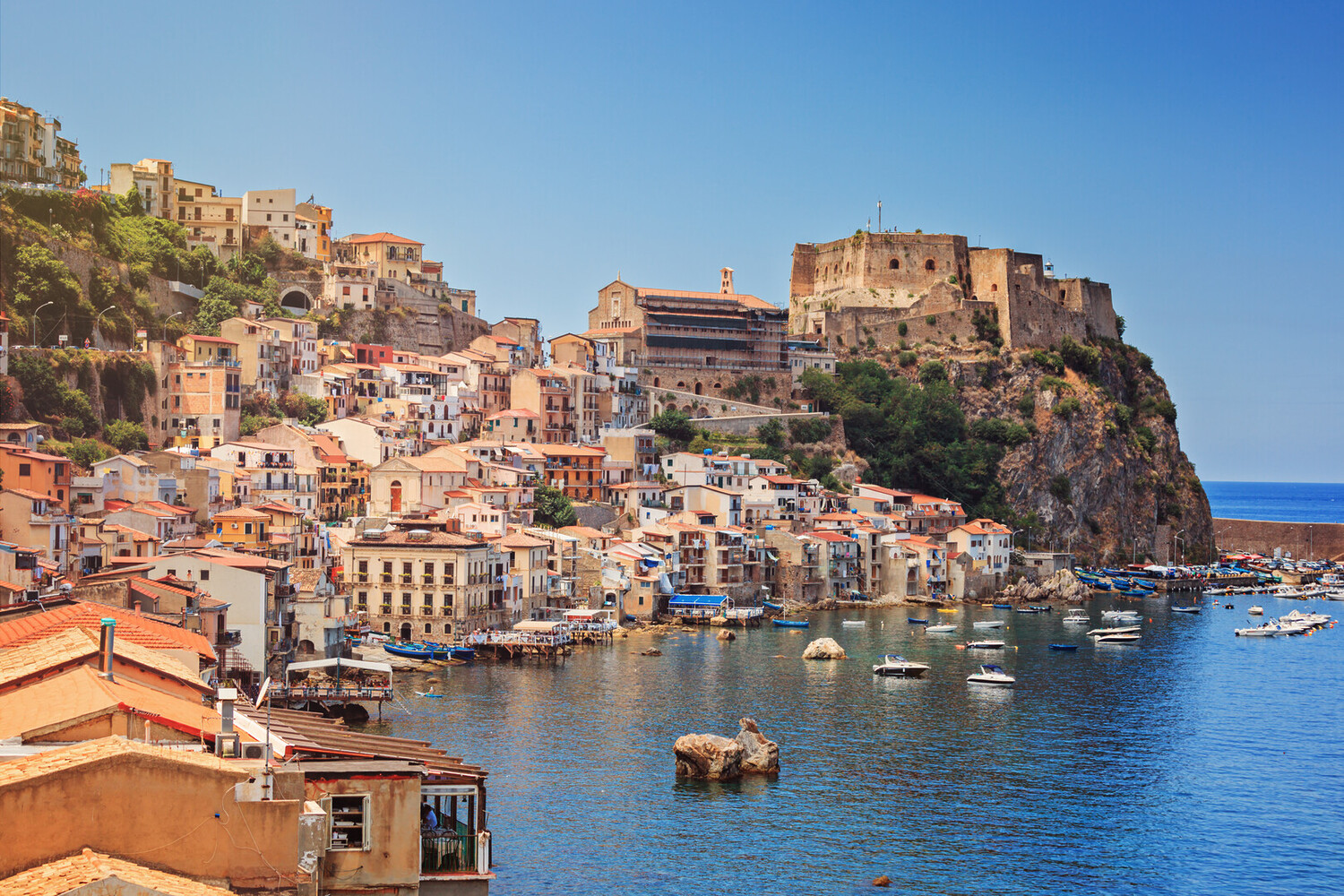
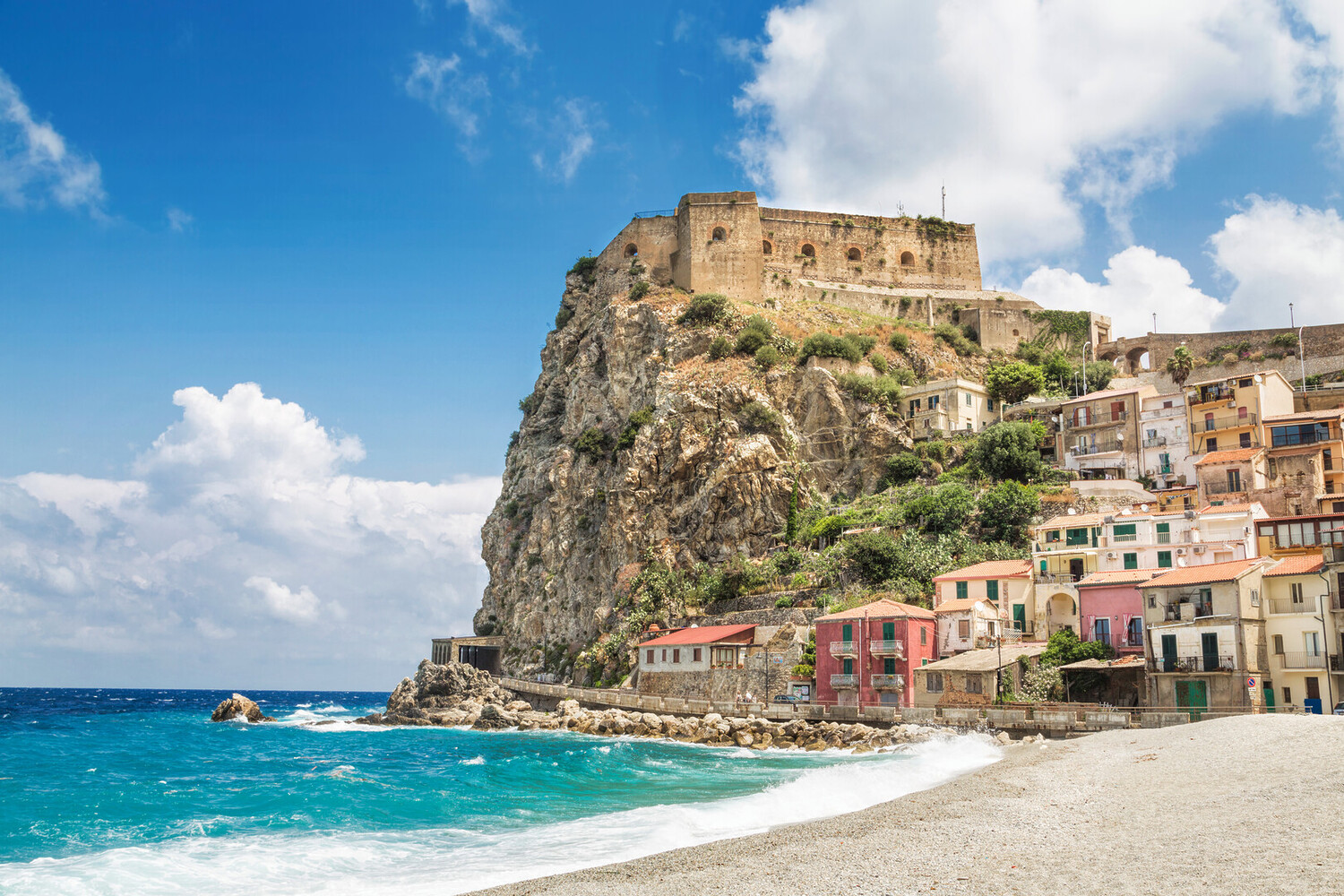
Beyond Chianalea, Scilla itself has a Ruffo castle on the headland separating its two beaches, and the climb up gives one of the best panoramas over the strait toward Sicily.
15. Diamante and the murals
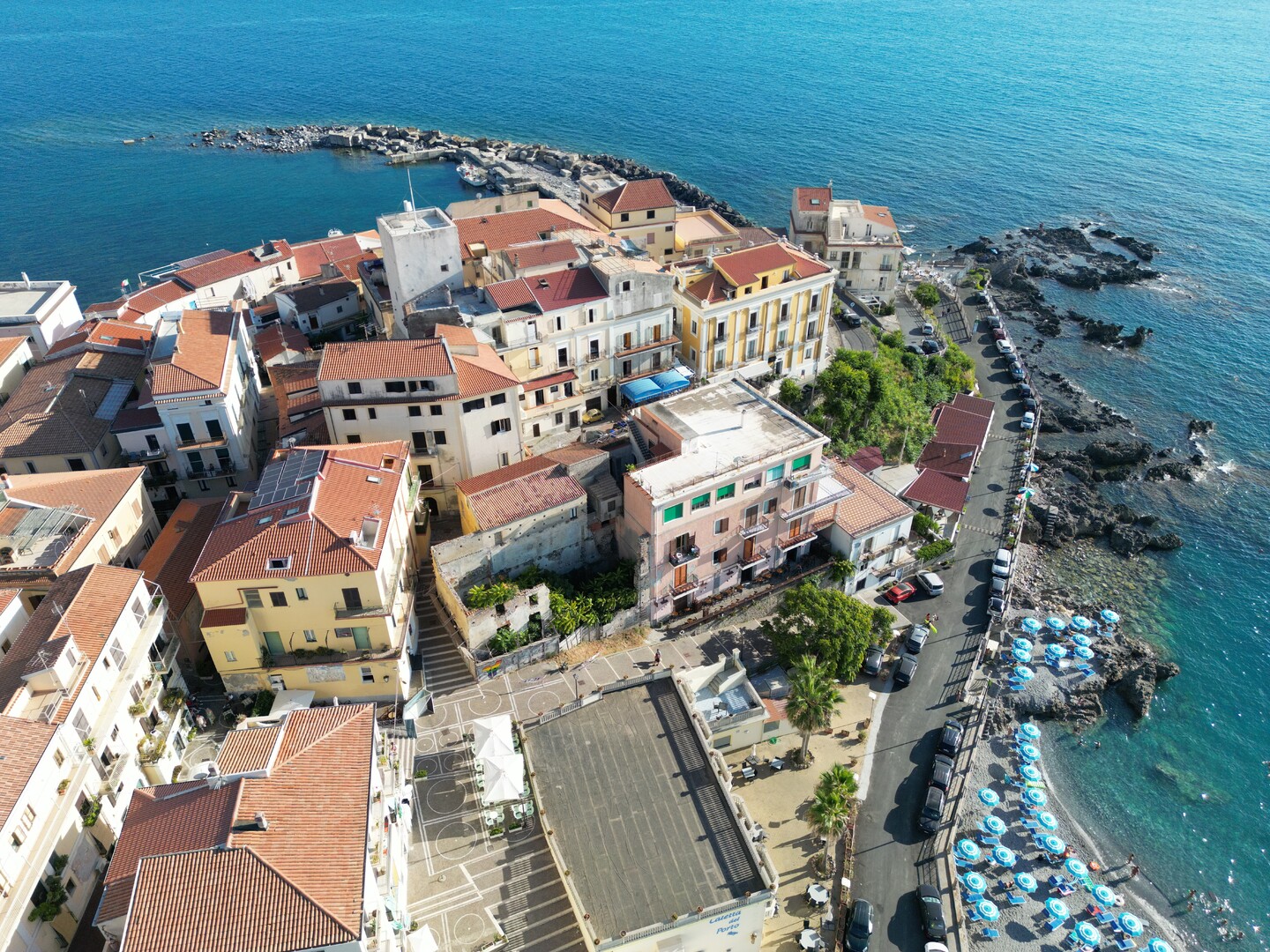
Diamante, further up the coast, is known for its painted murals covering building walls throughout the old town, plus a lungomare lined with restaurants specializing in the region’s dried chili peppers.
16. Lamezia and the Tyrrhenian plain
Home to the region’s main airport, the area around Lamezia Terme is a practical gateway rather than a headline stop, but its beaches and orange groves make a decent first or last stop depending on your flight times.
Renting a car is close to essential outside the main towns: coastal buses exist but the mountain villages and national parks are hard to reach without one.
When to visit the Calabria wine region?
Calabria works on a different calendar depending on whether you’re chasing beaches or mountain air, and the region is large enough that a trip planned in July feels completely different from one planned in October.
Spring (April-May) brings mild temperatures and wildflowers to Sila and Aspromonte, with the coast still quiet enough to walk Tropea’s old town without crowds. Summer (June-August) is peak season on the Tyrrhenian: book coastal accommodation well ahead, and use the forests of Sila as a natural escape from the August heat. Early autumn (September-October) is arguably the best window, with warm sea temperatures, thinner crowds and grape harvest activity around the Cirò and Savuto vineyards. Winter sees most coastal towns close down considerably, though Reggio Calabria’s museums and Cosenza’s old town stay fully accessible, and snow occasionally dusts the higher parts of Sila and Aspromonte.
How to get to the Calabria wine region?
By train
- Regional and high-speed trains connect Naples to Lamezia Terme in around 3-3.5 hours, continuing down to Reggio Calabria along the coast.
- The A2 motorway (Autostrada del Mediterraneo) runs the length of Calabria from Salerno to Reggio Calabria; renting a car is the most practical way to combine coastal towns with Sila or Aspromonte.
- Lamezia Terme Airport and Reggio Calabria Airport both handle domestic and some European routes; Lamezia is the busier of the two.
- A rental car covers the most ground; regional trains link the main coastal towns; local guides run day trips into Aspromonte and Sila for those without a car.
By car
By plane
Getting around
Where to stay in the Calabria wine region?
Charming hotels
- Villa Paola (Tropea): a four-star boutique property set in a former convent garden above the cliffs, check availability
- Capovaticano Resort Thalasso & Spa (Ricadi, near Capo Vaticano): a four-star spa hotel right on the cliffs with sea-view rooms, check availability
- Grand Hotel Excelsior (Reggio Calabria): a four-star hotel on the seafront lungomare, walkable to the Bronzes museum, check availability
- Guglielmo Il Buono Boutique Hotel (Gerace): a boutique four-star stay inside the historic hilltop town, check availability
Guesthouses in the vineyards Inland around Cirò and Catanzaro’s hinterland, a handful of small agriturismi and guesthouses sit right among the vines, offering a quieter alternative to the coast with dinner often built around the estate’s own wine and Calabrian cured meats.
Living Calabria differently For a different pace, base yourself for a couple of nights in Sila or Aspromonte rather than passing through on a day trip: mountain refuges and small hotels around the lakes put you within walking distance of trails that most coastal visitors never see, and evenings there run noticeably cooler than anywhere on the Tyrrhenian.
Good to know before visiting Calabria
-
What is there to do in Calabria besides the beaches?
Beyond the coast, Calabria offers Sila and Aspromonte national parks for hiking and cooler air, Reggio's Bronzes museum, hilltop villages like Gerace and Civita, and a handful of wineries around Cirò and Catanzaro worth a tasting stop. -
How many days do you need to see the best of Calabria?
Four to five days cover the Tyrrhenian coast and Reggio Calabria comfortably; a full week to ten days allows time inland in Sila or Aspromonte and across to the Ionian side. -
Is Capo Vaticano worth visiting alongside Tropea?
Yes: the cliffs and coves there are a short drive from Tropea and offer some of the clearest water and best snorkeling on this stretch of the Tyrrhenian coast. -
What is Chianalea di Scilla known for?
Chianalea is Scilla's old fishing quarter, where houses built directly over the water have earned it the nickname "Venice of Calabria." -
What is tartufo gelato and where does it come from?
Tartufo is a chocolate-and-hazelnut ice cream truffle invented in Pizzo, still made and served in the town's historic gelaterie today. -
Is Calabria good for a mountain trip, not just a beach trip?
Yes: Sila and Aspromonte national parks give the region a genuinely mountainous side, with forests, lakes and hilltop villages that contrast sharply with the coastal towns. -
Do you need a car to visit Calabria properly?
A rental car makes it far easier to combine coastal towns with the mountain interior, since bus connections to Sila and Aspromonte villages are limited.
Victoria explores Europe's wine regions to share the finest wine tourism experiences with our travelers. Here she shares her favorite discoveries, tips, and encounters with the winemakers behind every bottle.
Winalist is Europe's n°1 platform to book winery visits, tastings and wine tourism experiences. 2,000+ handpicked producers. Free booking and cancellation, instant confirmation.
Discover WinalistVictoria explores Europe's wine regions to share the finest wine tourism experiences with our travelers. Here she shares her favorite discoveries, tips, and encounters with the winemakers behind every bottle.