

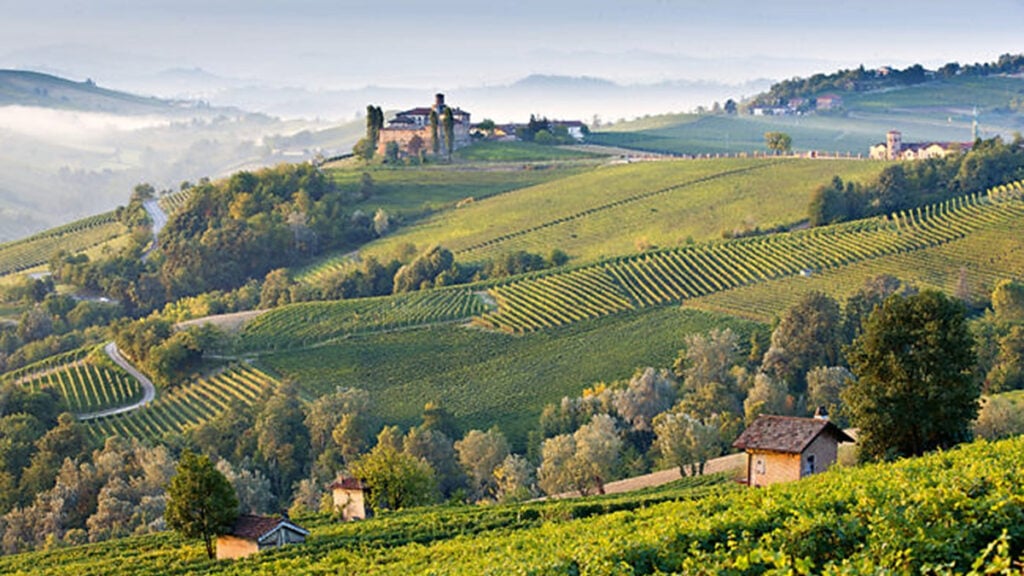

Stretch a map of Italy across your kitchen table and you’ll notice something odd: there’s barely a province without a vine growing somewhere in it. From the Alpine foothills of the north to the volcanic slopes of Sicily, wine here isn’t a side attraction, it’s woven into how people eat, farm and spend a Sunday afternoon. That’s what makes planning a trip around Italy’s wine regions such a satisfying puzzle: every region tastes and looks completely different from the next.
Italy’s main wine regions are Tuscany (Chianti, Brunello di Montalcino), Piedmont (Barolo, Barbaresco), Veneto (Amarone, Prosecco), Emilia-Romagna (Lambrusco) and Sicily (Nero d’Avola, Etna wines). Each spans a distinct landscape, from Tuscan hills to Alpine foothills and volcanic slopes, and can be visited through guided winery tours, tastings and cellar visits, most easily arranged around a base city like Florence, Alba, Verona or Catania.
Ready to see where these regions sit on the map and start narrowing down your trip? Explore the best wineries in Italy below, region by region.
What are the best wine regions to visit in Italy?
Italy’s wine map breaks down into roughly 20 regions, each with its own DOC and DOCG appellations (the country’s quality classifications, similar to France’s AOC system, with DOCG being the stricter, top tier). You don’t need to memorize all 20. For a first trip, five regions cover the range of what Italian wine does best, and each pairs naturally with a base city, a few days of exploring and one or two wineries worth booking ahead.
Wander through Tuscany, Italy’s classic red wine region
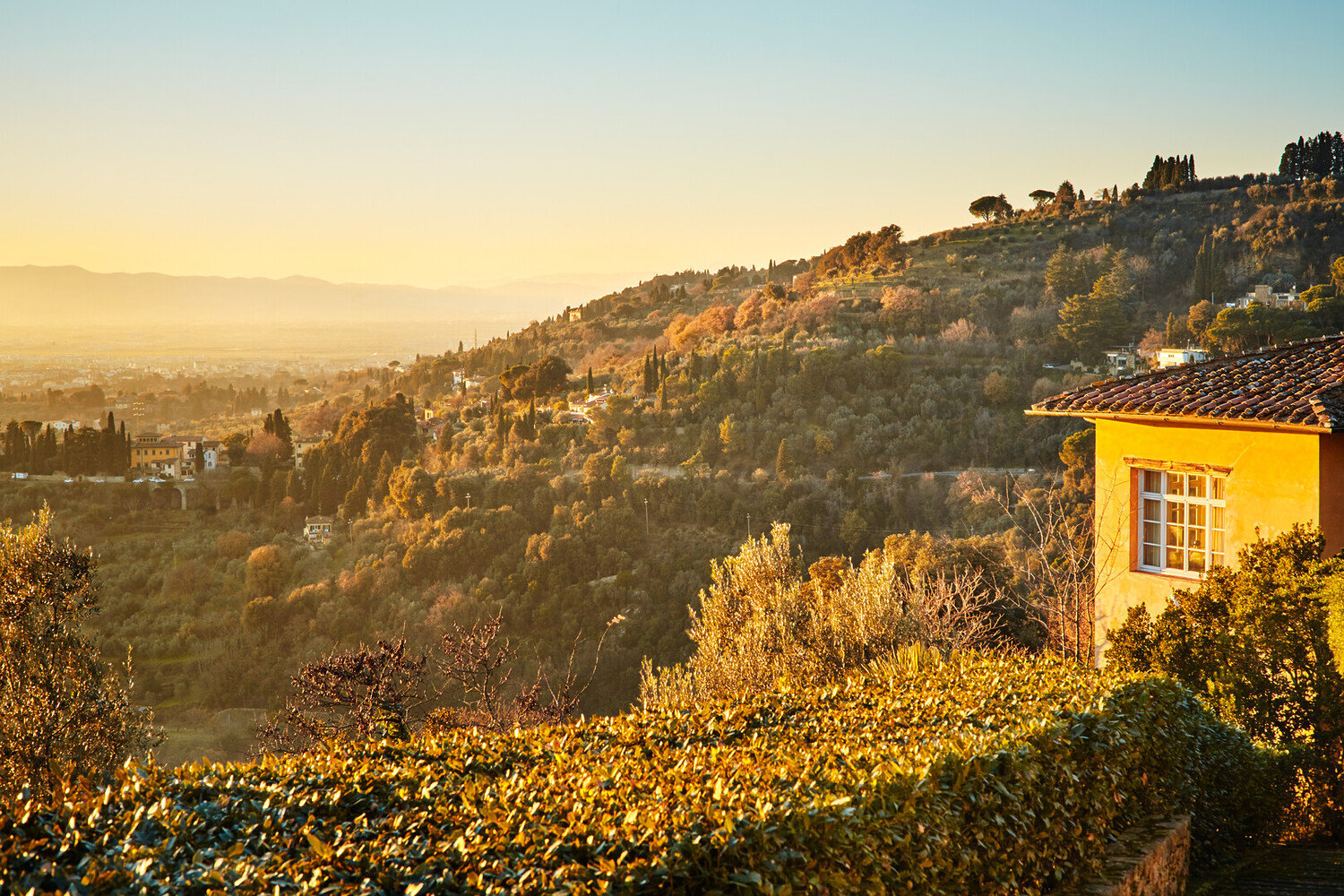
Tuscany is where most people’s mental picture of Italian wine country comes from: cypress-lined roads, stone farmhouses, and vineyards that seem to glow gold at sunset. The region’s backbone is Sangiovese, the grape behind Chianti and Chianti Classico, Italy’s best-known red wine export. Dig a little deeper and you’ll find two heavier hitters: Brunello di Montalcino, made from a Sangiovese clone and built to age for decades, and Vino Nobile di Montepulciano, its slightly softer cousin from the hill town of the same name.
Base yourself in Florence for easy day trips into Chianti, or push south to Siena, which sits closer to both Montalcino and Montepulciano. Arezzo, less visited but just as scenic, works well if you want a quieter home base with easy access to the best wineries in Tuscany.
Explore Piedmont, home of Barolo and Barbaresco
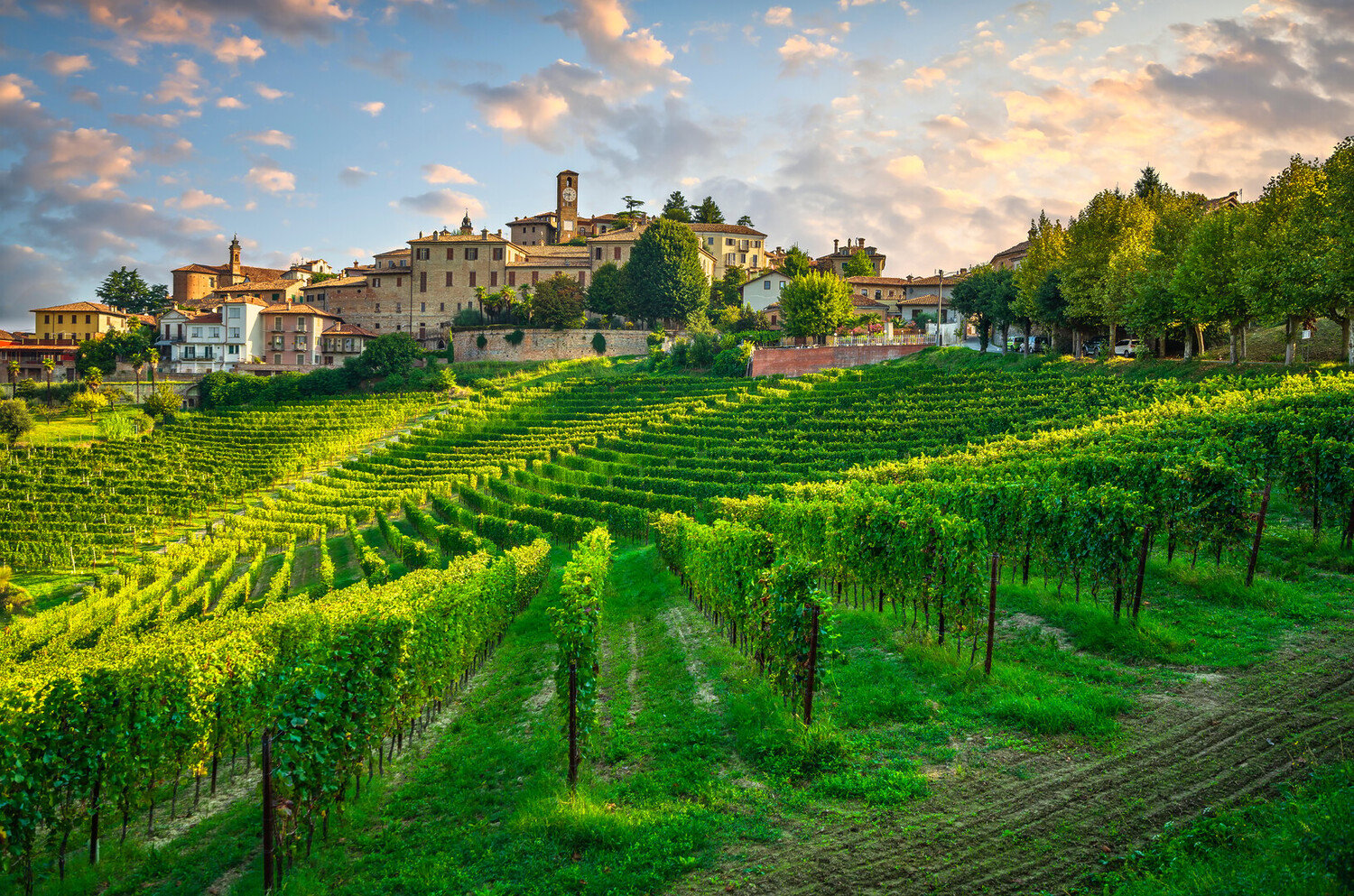
Piedmont sits at the foot of the Alps in northern Italy, and it’s the region to choose if big, structured red wine is what you’re after. The Nebbiolo grape reaches its full potential here, producing Barolo and Barbaresco, two DOCG wines often nicknamed the “king and queen” of Italian wine for their tannin, acidity and decades-long aging potential. The Langhe hills, where most of this happens, are a UNESCO World Heritage site for their vineyard landscape alone.
Turin makes a solid base if you want a real city to return to each evening; from there it’s an easy drive into wine country. Alba, smaller and set right among the vineyards, puts you closer to the action (and to the region’s autumn truffle season). Asti, known for its own sparkling wine, rounds out the triangle. For city logistics and tasting options, see our guide to a wine tour in Turin.
Discover Veneto, from Prosecco hills to Amarone cellars
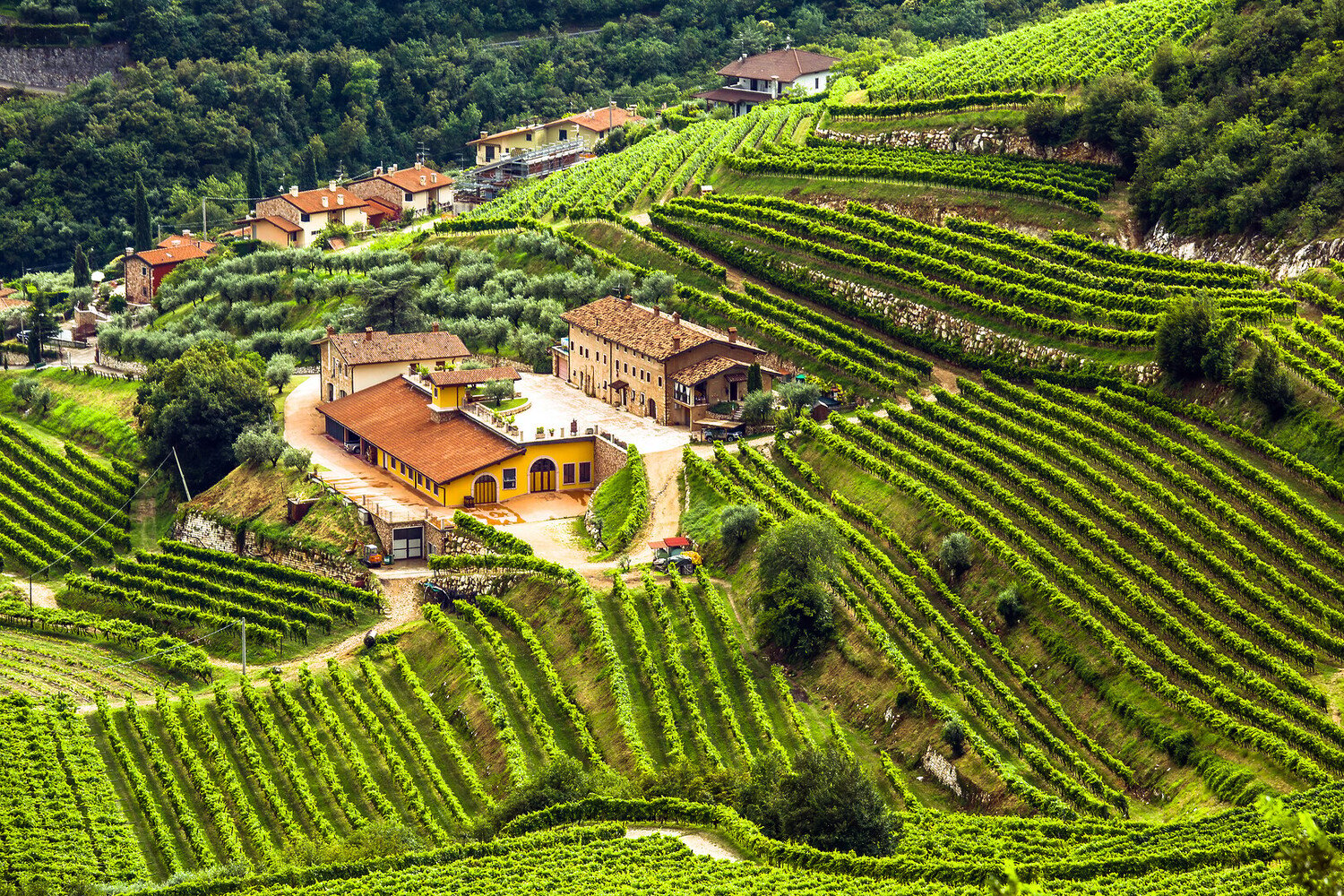
Veneto, in northeast Italy, is one of the country’s most productive wine regions, and also one of its most varied thanks to a mix of lake, hill and plain microclimates. This is Prosecco territory (the sparkling wine’s heartland runs through Conegliano), but it’s also where Valpolicella and its richer sibling Amarone are made, alongside the crisp white wine Soave. Few regions pack this much contrast into one wine map.
Verona is the obvious base: gorgeous on its own, and a short drive from both the Valpolicella hills and Lake Garda, where hikers head for trails around Malcesine and Monte Baldo. If a lake stop is part of your plan, our guide to visiting Lake Como covers the other great Italian lake worth considering.
Savor Emilia-Romagna, where wine meets the table
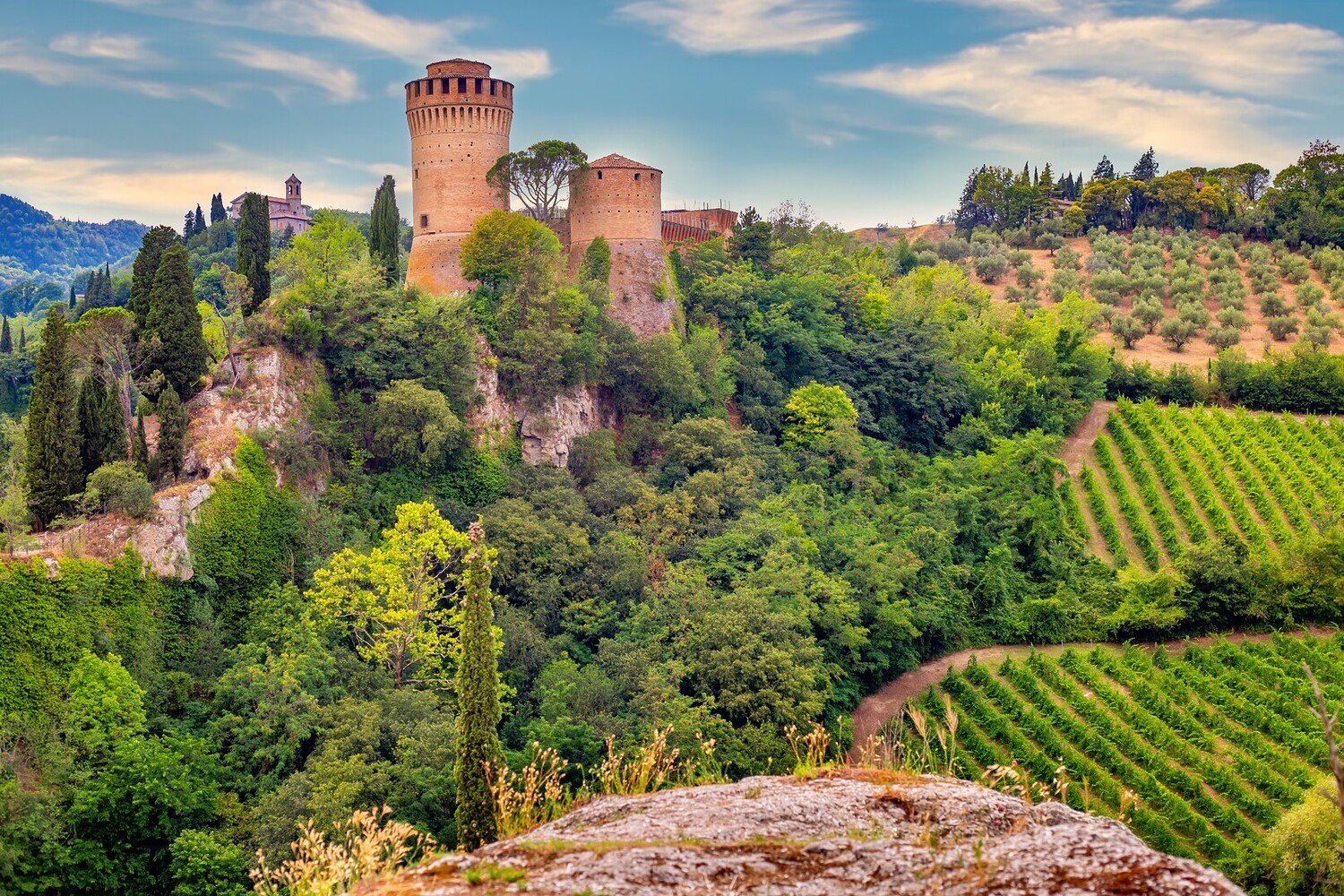
Emilia-Romagna doesn’t get the postcard fame of Tuscany or Piedmont, but ask any food and wine pairing enthusiast and this region punches well above its weight. Its roughly 55,000 hectares of vines produce mostly Lambrusco, the sparkling red wine that dates back to Etruscan times and pairs shockingly well with the region’s rich food culture: Parmigiano Reggiano, balsamic vinegar and hearty meat dishes all come from here too.
Head south to Sicily, Italy’s most planted wine region
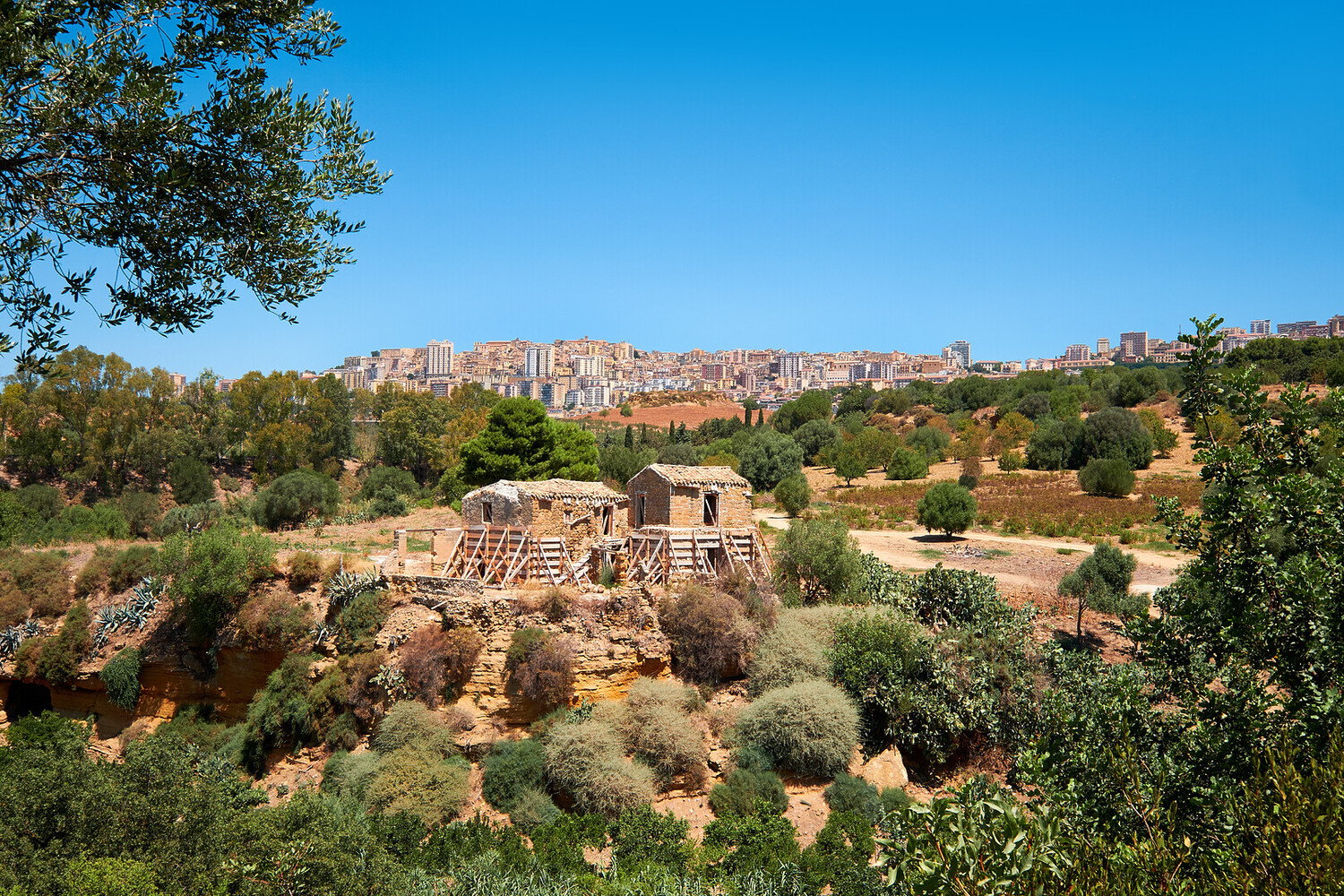
Sicily isn’t just the largest island in the Mediterranean Sea, it’s also Italy’s most planted wine region by vineyard area. Volcanic soil around Mount Etna gives Etna Rosso and Etna Bianco a mineral edge that’s hard to find anywhere else in the country, while Nero d’Avola remains the island’s signature red wine grape, full-bodied and sun-ripened. White wine lovers should also look out for Grillo and Catarratto, both increasingly popular as Sicily’s wine reputation grows beyond volume and toward quality.
Beyond the vineyards, Sicily rewards a slower pace: baroque towns like Noto, the ancient Greek ruins at Agrigento and Segesta, and a coastline that alternates between cliffs and beach towns. Catania, at the foot of Etna, makes the most practical base for wine-focused travel.
Other Italian wine regions worth a detour
If your trip stretches beyond the big five, a handful of other regions of Italy reward a detour. In the far north, Trentino-Alto Adige (South Tyrol) produces some of Italy’s most polished white wine, including Gewürztraminer and Pinot Grigio, grown on Alpine-facing slopes; wine tastings here often happen in the same breath as a stop in Trento, and our guide to a wine tour and tasting in Trento covers the logistics.
Further south, Campania is Aglianico country, a deep, structured red wine sometimes called “the Barolo of the south,” grown on volcanic soil not far from Naples. Puglia, in the heel of the boot, is Italy’s Primitivo stronghold (a genetic cousin of Zinfandel), producing generous, sun-soaked red wine at prices that still feel like a bargain. If Puglia’s on your route, don’t miss the trulli-filled town covered in our guide to things to do in Polignano a Mare. Lombardy, Basilicata and Calabria each have their own smaller pockets of wine production too, worth a look once you’ve settled on a home base; our guides to things to do in Milan, Basilicata and Gerace can help round out an itinerary that goes off the main wine trail.
Good to know before visiting Italy
How many days do you need for an Italy wine regions trip?
Plan on 7 to 10 days to cover two or three wine regions properly, such as Tuscany and Piedmont, or Tuscany and Umbria. A shorter 4-day trip works well if you stay focused on a single region like Chianti or the Langhe, allowing time for cellar visits, vineyard drives, and unhurried lunches.
What are the best wine regions to visit in Italy?
Tuscany and Piedmont are widely considered Italy’s top wine regions, known respectively for Chianti, Brunello di Montalcino, Barolo, and Barbaresco. Veneto (Valpolicella, Prosecco), Umbria (Sagrantino di Montefalco), and Sicily (Etna Rosso) round out a short list of regions offering both renowned wines and scenic touring routes.
What is the best time of year to visit Italy’s wine regions?
Late September to October is the best time, coinciding with the grape harvest (vendemmia) and mild, golden-hued weather. Spring (April to June) is also excellent, with vineyards in bloom and fewer crowds than the peak summer months of July and August.
How do you get around Italy’s wine regions?
Renting a car is the most practical way to reach vineyards and hilltop villages, since many wineries sit outside train and bus routes. Roads in Tuscany and Piedmont are well-maintained but narrow and hilly, so an automatic transmission and GPS navigation are worth arranging in advance.
Do you need to book winery visits in advance?
Yes, most reputable wineries in Italy require advance booking, especially smaller family-run estates with limited tasting capacity. Booking a day or two ahead is usually enough outside peak harvest season, but September and October visits should be arranged at least a week in advance.

Victoria explores Europe's wine regions to share the finest wine tourism experiences with our travelers. Here she shares her favorite discoveries, tips, and encounters with the winemakers behind every bottle.


