

Things to Do in Murcia, Spain: 13 Best Places to Visit

Murcia hides roughly 250km of coastline behind a single word most travelers only associate with one city — and that’s before counting the Baroque squares, Roman ruins and inland orchards that never make the shortlist.

The best things to do in Murcia, Spain span far more than the capital: the Baroque old town along the Segura river, Cartagena’s Roman theatre and port, Mar Menor’s beaches and water sports, Lorca’s Baroque churches, and inland spots like Sierra Espuña, Calasparra’s rice fields and Ricote Valley. Add the region’s wineries and you have days of authentic exploring.

The essentials for visiting Murcia
  • A Baroque old town along the Segura river — Cardenal Belluga square alone justifies a slow afternoon.
  • Cartagena’s Roman theatre and Carthaginian-era port pack more ancient history than most inland cities in Spain.
  • Mar Menor’s shallow lagoon means warm water and windsurfing lessons even for total beginners.
  • Sierra Espuña and the Ricote Valley swap beach towels for hiking boots and orange groves in under an hour’s drive.
  • Jumilla and Bullas add a genuine wine layer to the region, with estates open for tastings near the interior villages.
Table of Contents

Wine country in the Region of Murcia

Inland from the coast, the Region of Murcia carries two DOs that rarely make it onto a first-timer’s map: Jumilla, planted mostly with Monastrell on high, dry plateaus toward the Albacete border, and Bullas, smaller and set higher in the Sierra de Ricote foothills, also built around old-vine Monastrell alongside Syrah and Cabernet Sauvignon plantings. Both appellations run cellar-door tastings and vineyard walks, typically priced from around €10-20 per person depending on the estate and whether a meal is included. It’s a landscape of stone farmhouses and low bush vines rather than manicured châteaux, and it pairs naturally with a detour from Ricote Valley or the interior villages. For anyone building a route that includes wine tasting tours in Murcia, the appellations sit close enough together to combine in a single day trip from the capital.

13 best things to do in Murcia

The Region of Murcia stretches from a Baroque riverside city to a Roman naval port, a lagoon warm enough to swim in most of the year, and a mountainous interior that feels nothing like the coast. Here are the 13 places worth building a trip around.


What are the best things to do in Murcia?

1. Discover the Cathedral de Murcia

Step into the heart of Murcia at the stunning Catedral de Murcia, where centuries of history collide under one breathtaking roof. Standing proudly in the vibrant Plaza del Cardenal Belluga, this cathedral is anything but ordinary. You’ll wander through Gothic arches, peek into richly decorated Baroque chapels, and admire Renaissance details, all in one visit. Look up and you’ll spot the tallest bell tower in the region, ringing out over the city with flair. Inside, the play of light through stained glass is pure magic.


2. Explore the real Casino de Murcia

Step into the lavish world of the Real Casino de Murcia, yes, it’s open to the public, and no, it’s not a casino in the Vegas sense. This 19th-century social club is a feast for the eyes, with gilded ballrooms, crystal chandeliers, intricate mosaics, and even a Moorish-style patio that feels like a film set. Wander through its stunning rooms and glass-covered courtyards, and you’ll see why it’s one of the top things to do in Murcia.


3. Relax at the beaches of La Manga del Mar Menor

La Manga is Murcia’s sun-soaked coastal playground, a slender slice of land stretching between the sparkling Mediterranean and the calm waters of the Mar Menor, Europe’s largest saltwater lagoon. It’s a dream for beach lovers: golden sand, warm shallow waters perfect for swimming or snorkeling, and scenic views on both sides. Looking to unwind? Head to the La Manga Club resort for a bit of seaside luxury, complete with world-class golf courses, spa treatments, and upscale dining. It’s relaxation, Murcian-style.


4. Experience the Fiestas de Primavera

Held just after Easter, the Fiestas de Primavera light up Murcia with a week of joy, color, and tradition. Think flower-covered floats, lively parades, music echoing through the streets, and locals dressed in traditional huertano outfits. It’s the perfect time to join the party, grab a pastel de carne, dance along to the bandas, and soak in the contagious springtime energy. If you’re in Murcia during this week, missing it isn’t an option!


5. Take a break at Convento de Santa Clara La Real

Housed in a beautifully preserved former convent, the Museum of Santa Clara offers a fascinating glimpse into Murcia’s layered cultural heritage. Within its tranquil cloisters, visitors can admire a unique collection of Islamic and Christian art, showcasing the city’s evolution through centuries of coexistence and transformation. The museum is not only a journey through religious art and architecture but also a quiet retreat that reveals the spiritual and artistic soul of Murcia. It’s a must-visit for those seeking deeper insight into the region’s rich and diverse history.


6. Climb to Santuario de la Fuensanta

Perched in the hills just outside Murcia, the Santuario de la Fuensanta rewards visitors with panoramic views and a peaceful atmosphere steeped in tradition. The climb, whether by car, bike, or on foot, is a journey through fragrant pine forests and winding roads lined with olive groves. At the summit, the sanctuary’s Baroque façade and tranquil setting offer a serene pause, a chance to connect with local history and take in the natural beauty of the surrounding Sierra.


7. Wander the historic city center along the Segura river
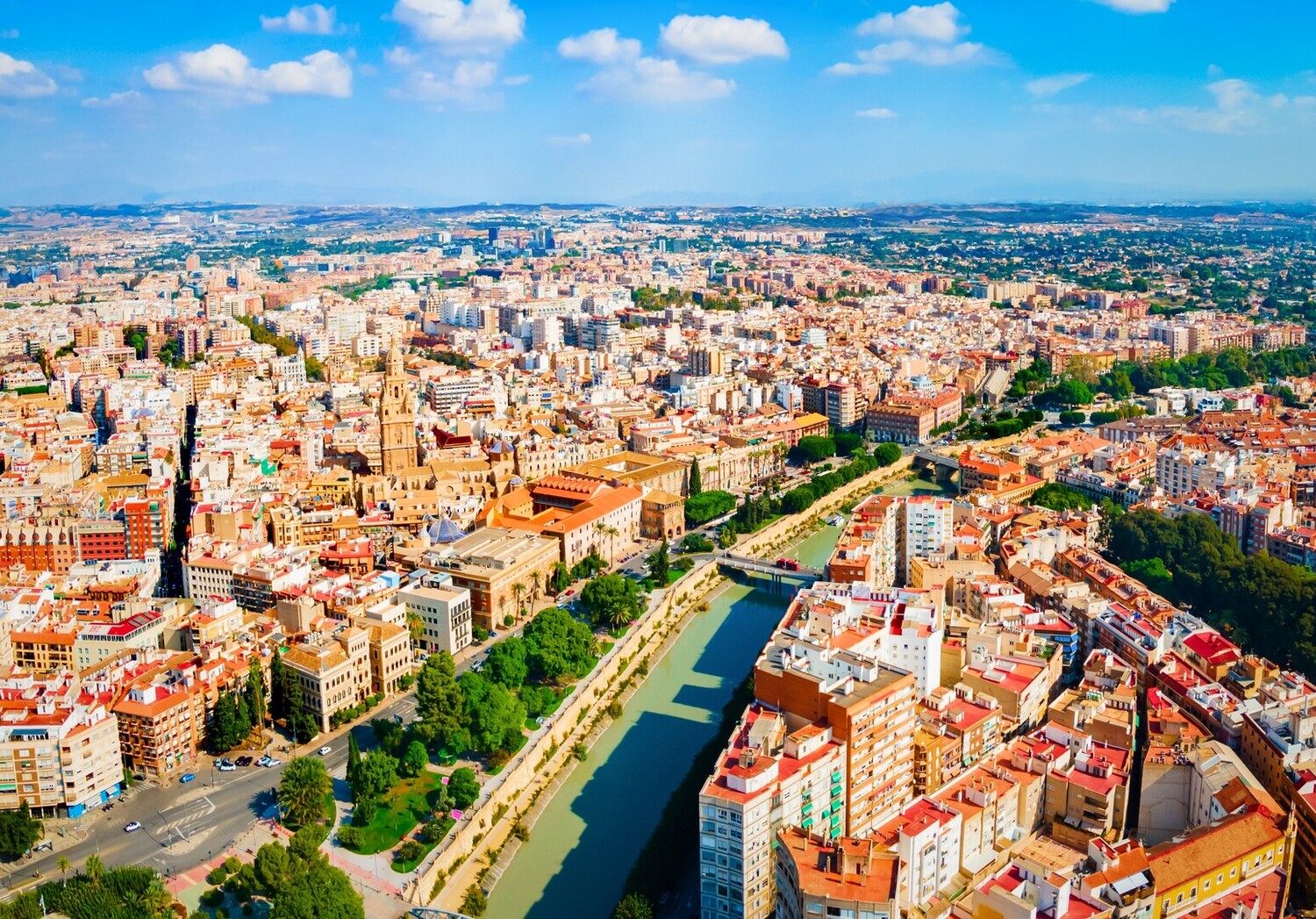
The city of Murcia’s old town sits right on the banks of the Segura river, and its historic city center rewards walking rather than checklist-ticking. Narrow streets open unexpectedly onto grand squares, and the whole center of Murcia is compact enough to cover on foot in a day.


8. Stand in Cardenal Belluga square
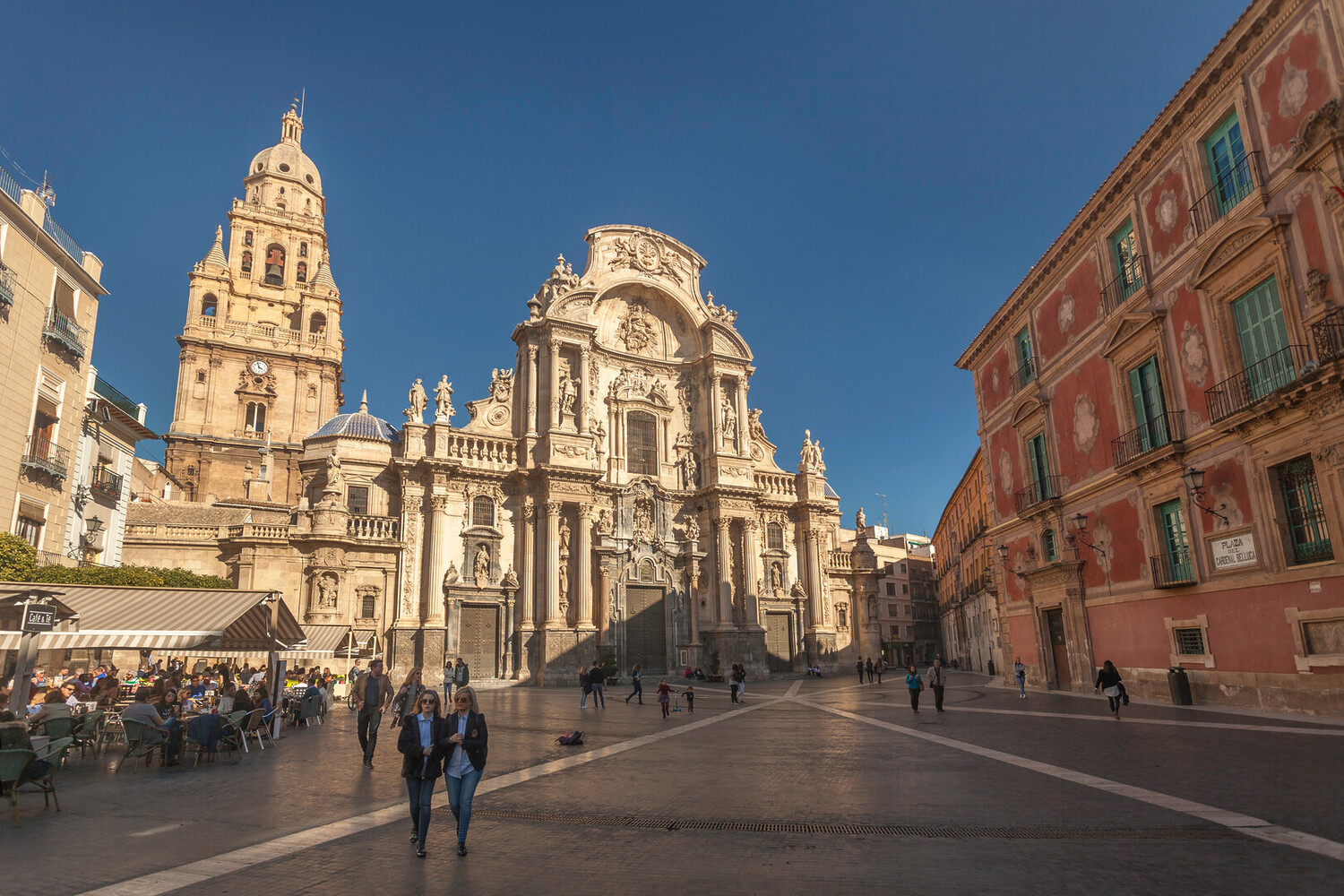
Plaza del Cardenal Belluga is the single best snapshot of Murcia’s Baroque identity: the cathedral’s ornate facade faces the more understated Episcopal Palace across a small square that fills with café tables in the evening.


9. See the Salzillo sculptures

The Salzillo Museum houses the processional sculptures of Francisco Salzillo, the sculptor from Murcia whose Baroque figures still lead the city’s Holy Week processions. Even outside Holy Week, the carved detail on the wood is striking up close.


10. Explore Cartagena’s Roman theatre and port

An hour south of the capital, Cartagena layers Roman, Carthaginian and modern naval history on top of each other. The Roman theatre, uncovered beneath the old town, sits a short walk from a working port that’s been active since Roman times.


11. Walk the dunes at Calblanque
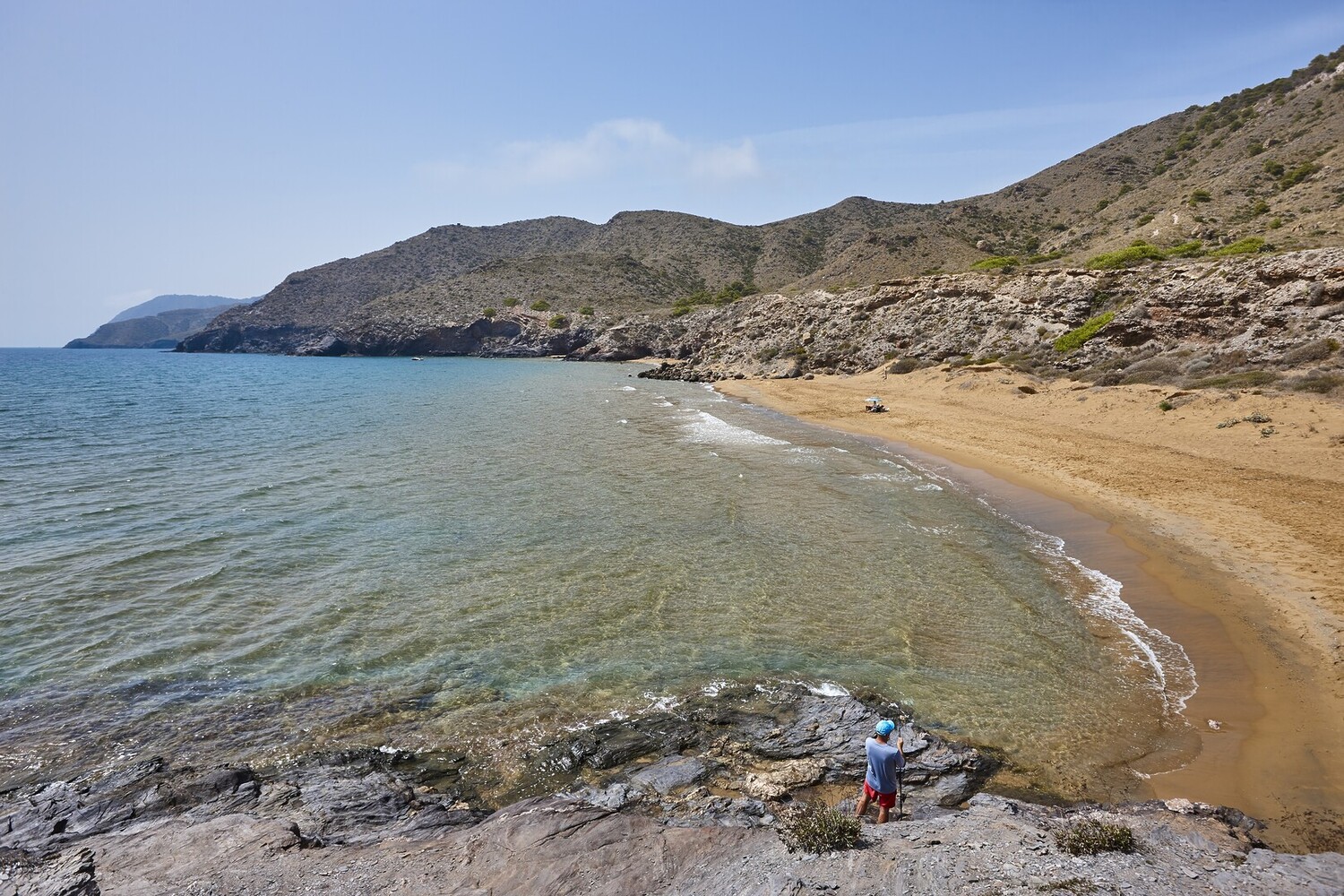
Calblanque is a protected coastal park between Cartagena and the Mar Menor, with undeveloped beaches backed by low dunes and pine-covered hills — a contrast to the built-up stretches of Costa Cálida further north.


12. Hike Sierra Espuña
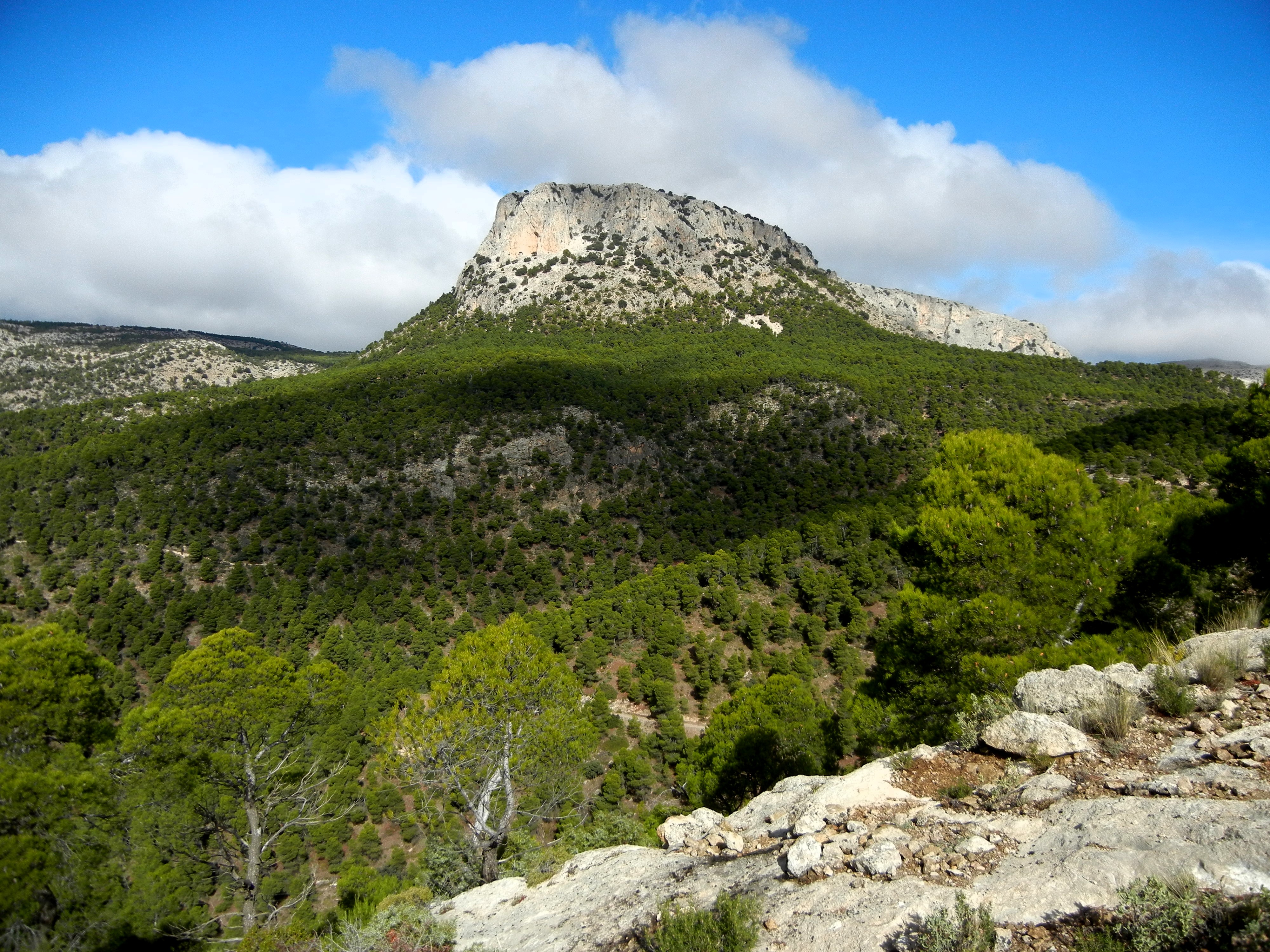
Inland from the coast, Sierra Espuña is a mountain range covered in pine forest with numerous hiking trails, popular for its griffon vulture population and cooler air in summer.


13. See Calasparra’s rice fields
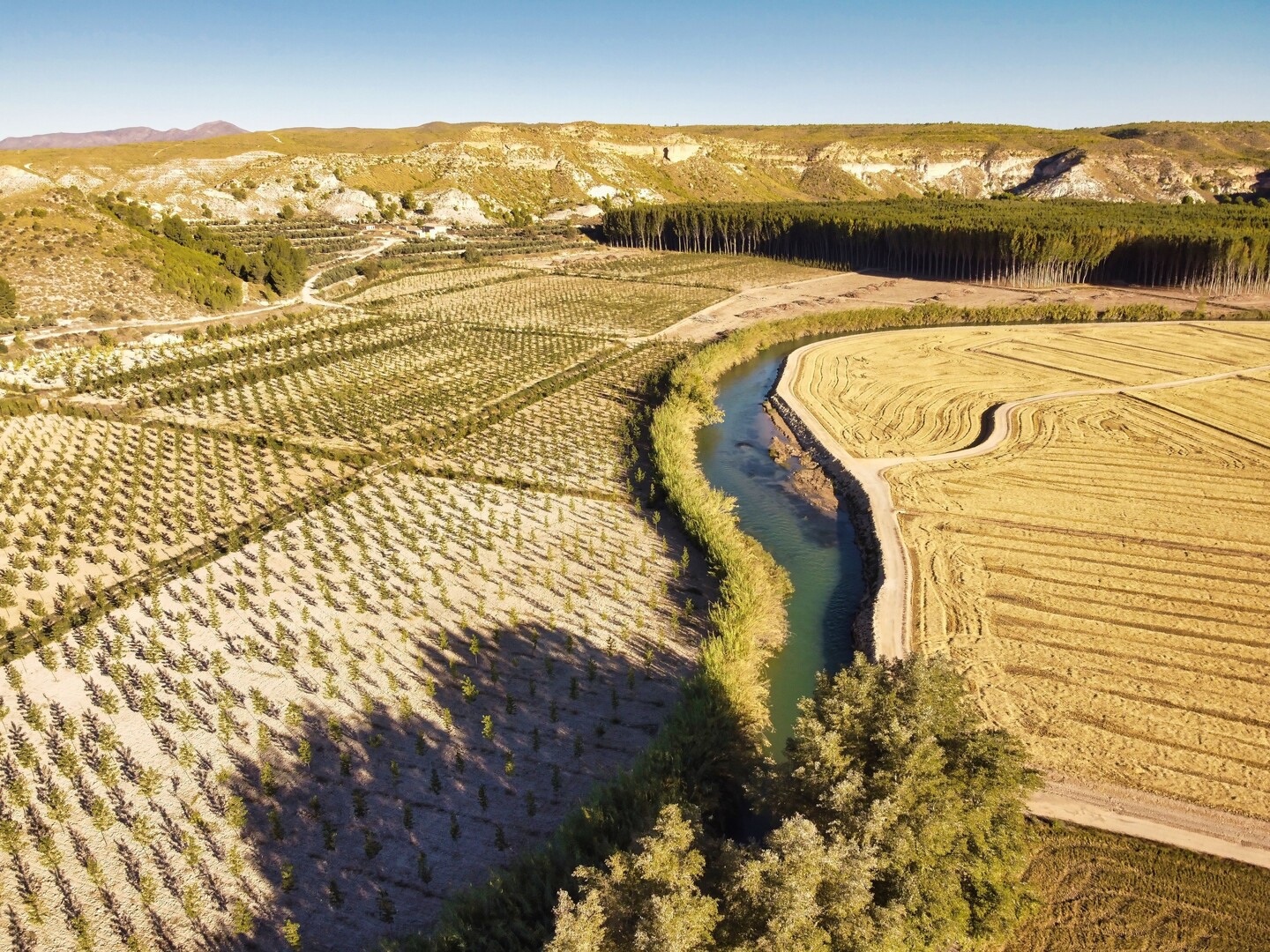
Calasparra grows rice under its own protected designation, and the paddies along the river make for an unusual detour if you’re driving through the interior toward Lorca or the Ricote Valley.

Renting a car is the most practical way to link the coast, the capital and the interior villages in one trip — public transport thins out fast once you leave the main towns.


When to visit the Things to do in Murcia?

The best month to visit depends on whether the coast or the interior is the priority, since summer heat inland can be intense while the Mar Menor stays comfortable well into autumn.

Spring brings mild temperatures, Holy Week processions with the Salzillo sculptures in the capital, and the Cieza blossom season — a good window for both cities and hiking in Sierra Espuña.

Summer is beach season on the Mar Menor and Costa Cálida, though inland towns like Murcia city and Lorca can get very hot in July and August.

Autumn, particularly September and October, is harvest time for Jumilla and Bullas wineries and still warm enough for the coast, making it a strong all-round season.

Winter is mild by northern European standards and suits city visits and interior villages, though sea swimming drops off outside the Mar Menor’s more sheltered spots.

How to get to Murcia?

By train

  • High-speed and regional connections link Murcia city to Madrid, Alicante and Cartagena.

By car

  • Around 1 hour from Alicante, roughly 3-4 hours from Madrid, and a manageable drive from Andalusia via the A-7 coastal motorway.

By plane

  • Región de Murcia International Airport handles domestic and some European routes; Alicante airport is a further option for wider flight choice.

Getting around

  • A car is the most flexible way to combine the coast, the capital and the interior; regional trains and buses cover the main towns, and guided tours are a good option for Cartagena’s Roman theatre or a Jumilla wine day trip.

Where to stay in Murcia?

Charming hotels

  • Hotel Cetina Murcia — historic city center, Murcia
  • Hotel options near Plaza de las Flores — Murcia city
  • Boutique hotels near Cartagena’s old town and port
  • Coastal hotels along La Manga del Mar Menor
  • Rural hotels in the Ricote Valley near Archena

Guesthouses in the vineyards Around Jumilla and Bullas, several estates offer simple guesthouse-style stays alongside their tastings, putting travelers directly among the vines for a night rather than driving in for the afternoon.

Living Murcia differently Staying inland in the Ricote Valley or near Sierra Espuña suits a slower trip built around hiking trails and orchard villages, while a base on the Mar Menor favors water sports and beach time over sightseeing.

Good to know before visiting the Region of Murcia

  • What is the best month to visit Murcia?

    September and October combine warm coastal weather with the Jumilla and Bullas grape harvest, plus milder temperatures inland than in peak summer.
  • Is Murcia city worth visiting on its own?

    Yes — the historic city center along the Segura river, Murcia Cathedral and the Real Casino de Murcia are enough for a full day, though the wider Region of Murcia rewards a longer stay.
  • How far is Cartagena from Murcia city?

    Cartagena sits roughly 45-50km from Murcia city, close enough for a half-day or full-day trip to see the Roman theatre and port.
  • What is the Mar Menor and is it good for swimming?

    The Mar Menor is a shallow saltwater lagoon separated from the Mediterranean by the La Manga sandbar, known for warm, calm water suited to families and water sports.
  • Are there hiking trails in the Region of Murcia?

    Sierra Espuña has numerous hiking trails through pine forest, and Barrancos de Gebas offers a shorter, more dramatic badlands walk near the capital.
  • Can you combine wine tasting with a trip to Murcia?

    Jumilla and Bullas are both within reach of Murcia city and Lorca, making it possible to combine a coastal or city stay with a wine tasting tour in Murcia inland.
  • Is the Ricote Valley worth a detour?

    Yes — the valley's orange and lemon groves along the Segura river, and villages like Ricote and Abarán, offer a quieter contrast to the coast and cities.
Brand Manager at 

Victoria explores Europe's wine regions to share the finest wine tourism experiences with our travelers. Here she shares her favorite discoveries, tips, and encounters with the winemakers behind every bottle.

Winalist is Europe's n°1 platform to book winery visits, tastings and wine tourism experiences. 2,000+ handpicked producers. Free booking and cancellation, instant confirmation.

Discover Winalist
Brand Manager at 

Victoria explores Europe's wine regions to share the finest wine tourism experiences with our travelers. Here she shares her favorite discoveries, tips, and encounters with the winemakers behind every bottle.

All our travel guides for Murcia