Things to Do in Sicily: 16 Best Places to Visit

Etna alone has erupted more than a dozen times since 2000, and you can still ride a cable car partway up its cone the same afternoon you swim in the Ionian Sea. That’s the range Sicily works with: an active volcano, Greek temples, Baroque towns and coastline, all reachable in one trip if you group them by geography instead of chasing a scattered checklist.
Sicily’s best things to do span five zones: Taormina and Mount Etna in the east, Baroque Syracuse and Noto in the southeast, the Greek temples of Agrigento, Palermo and Cefalù on the north coast, and Trapani’s wine country and beaches in the west — plus the Aeolian Islands offshore.
- Ideal stay: 4-5 days covers the eastern arc (Taormina, Etna, Syracuse); 10-12 days links the east, southeast, Agrigento, Palermo and the west coast.
- Must-sees: Taormina, Mount Etna, Valley of the Temples, Ortigia (Syracuse), Noto, Cefalù, Palermo, San Vito Lo Capo, Zingaro nature reserve.
- Local cuisine: cannoli, granita with brioche, arancini, Catania street food, and wines from Etna DOC and Marsala.
- Access: fly into Catania or Palermo from major European hubs; both airports connect by highway to the east and north coast in under 2 hours.
- Budget: comfortable weekend for two from roughly €350-500; a premium 10-day multi-city stay with car rental runs €1,800-2,800.
Sicily's vineyards: a landscape layer worth tasting
Sicily carries more vineyard surface than any other Italian region, with volcanic soils on Etna’s slopes producing Etna DOC reds and whites from Nerello Mascalese and Carricante, while the west around Trapani and Marsala grows Grillo, Catarratto and Nero d’Avola across flatter, saltier ground near the coast. Tastings at estates typically run from a modest per-person fee for a flight of three to four wines up to guided cellar visits with lunch pairings; both regions reward a stop timed around midday or early evening. For a full regional overview and estate options, our Sicily wine tours & wineries page maps tastings across Etna and the west in one place.
16 Best Places to Visit in Sicily
Sicily rewards travelers who think in regions rather than a random string of stops. Here are the 16 places that structure a real route across the island, grouped roughly from east to west.
1. Taormina and Isola Bella
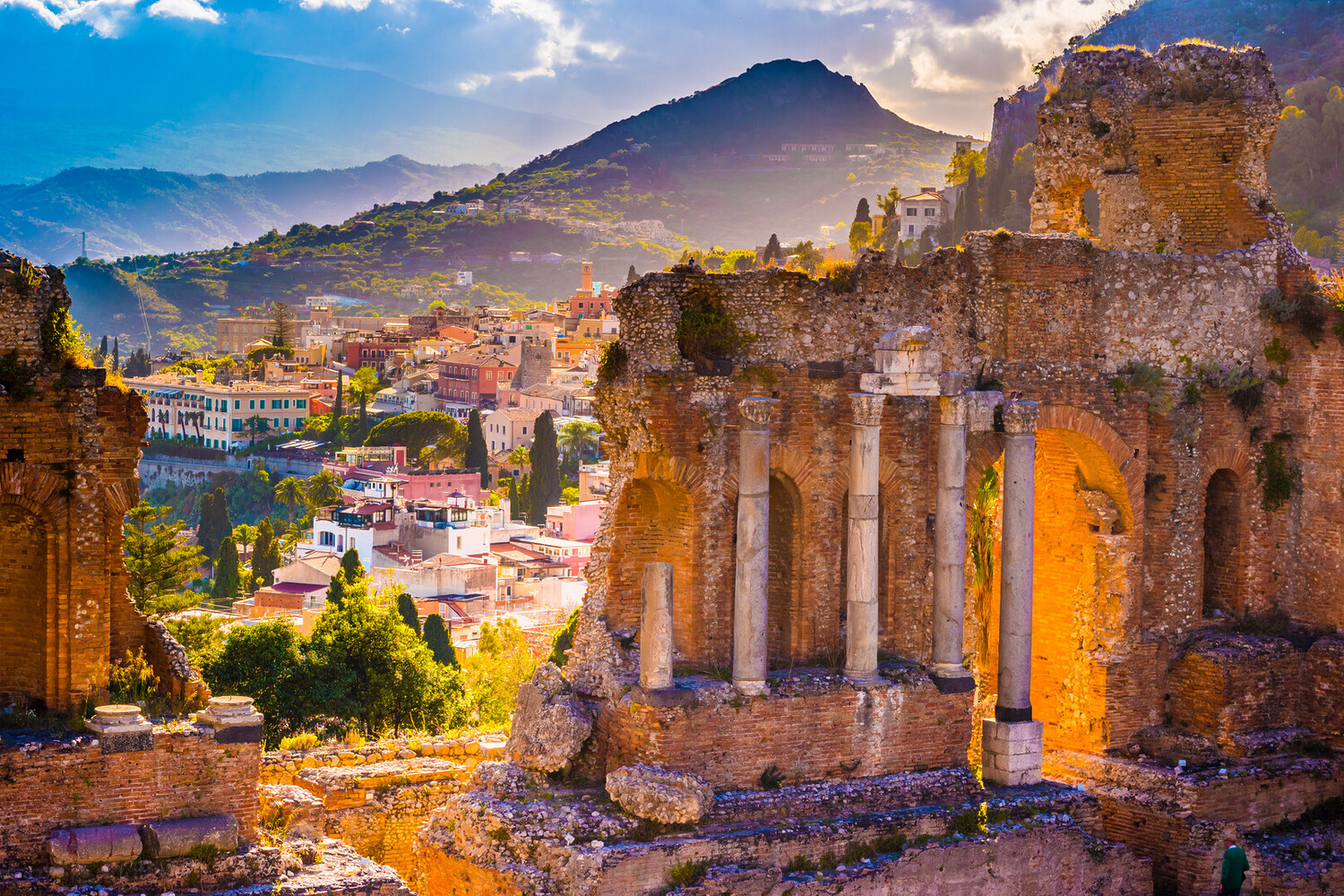
Perched on a hilltop above the Ionian Sea, Taormina pairs a Greek theatre with sweeping coastal views and a compact old town of boutiques and terraces. Below the cliffs, Isola Bella is a small islet reachable by a narrow sand strip, popular for swimming and snorkeling in clear coves. For estate visits and tastings organized from town, see our taormina wine tours page.
2. Mount Etna and its cable car
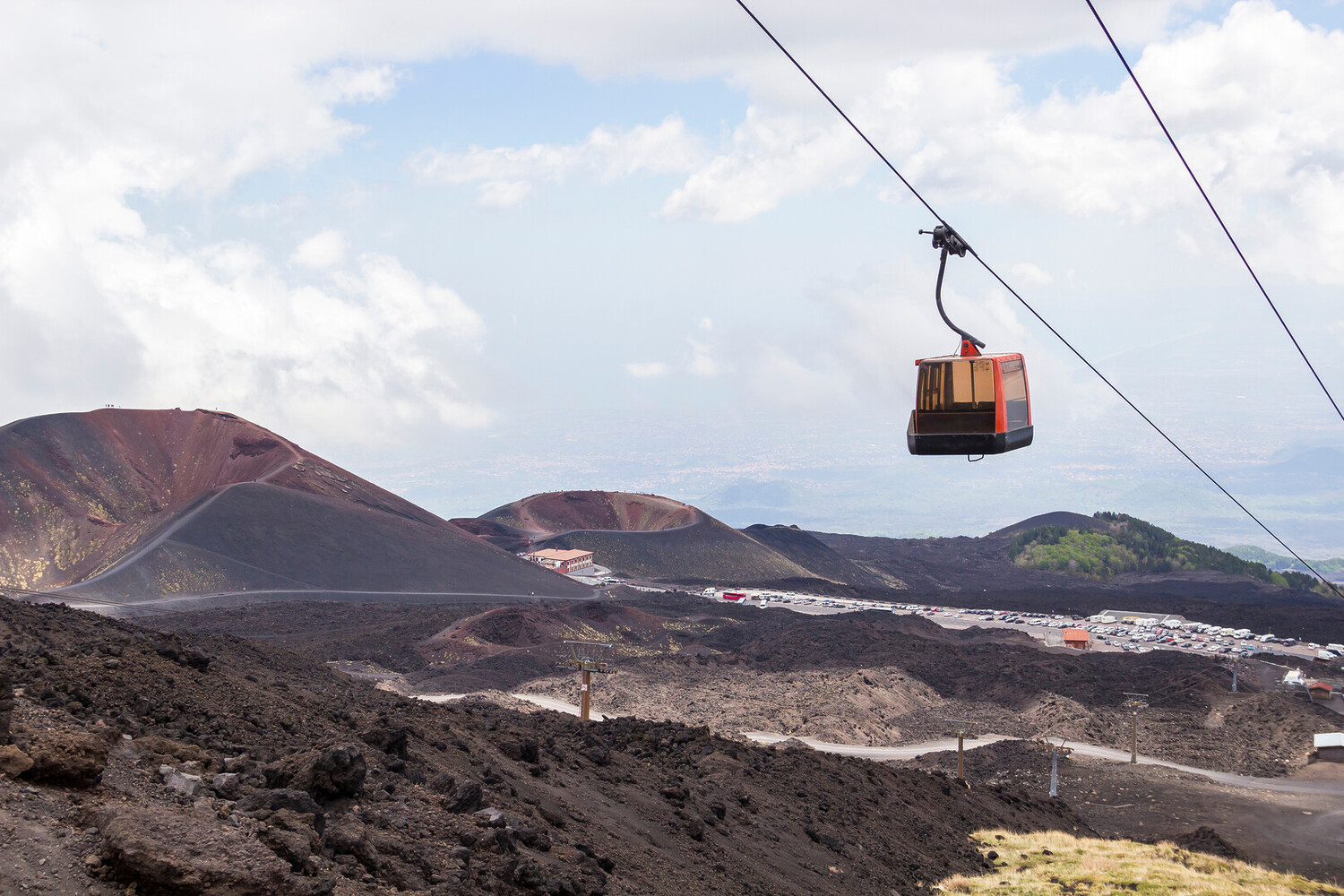
Europe’s tallest active volcano dominates the eastern skyline, and a cable car climbs partway up its slopes before hiking trails and 4×4 excursions take you closer to the craters, depending on current activity. Lava fields, black sand and panoramic views over the Ionian coast make the ascent worth the half-day it takes.
3. Catania and its street food
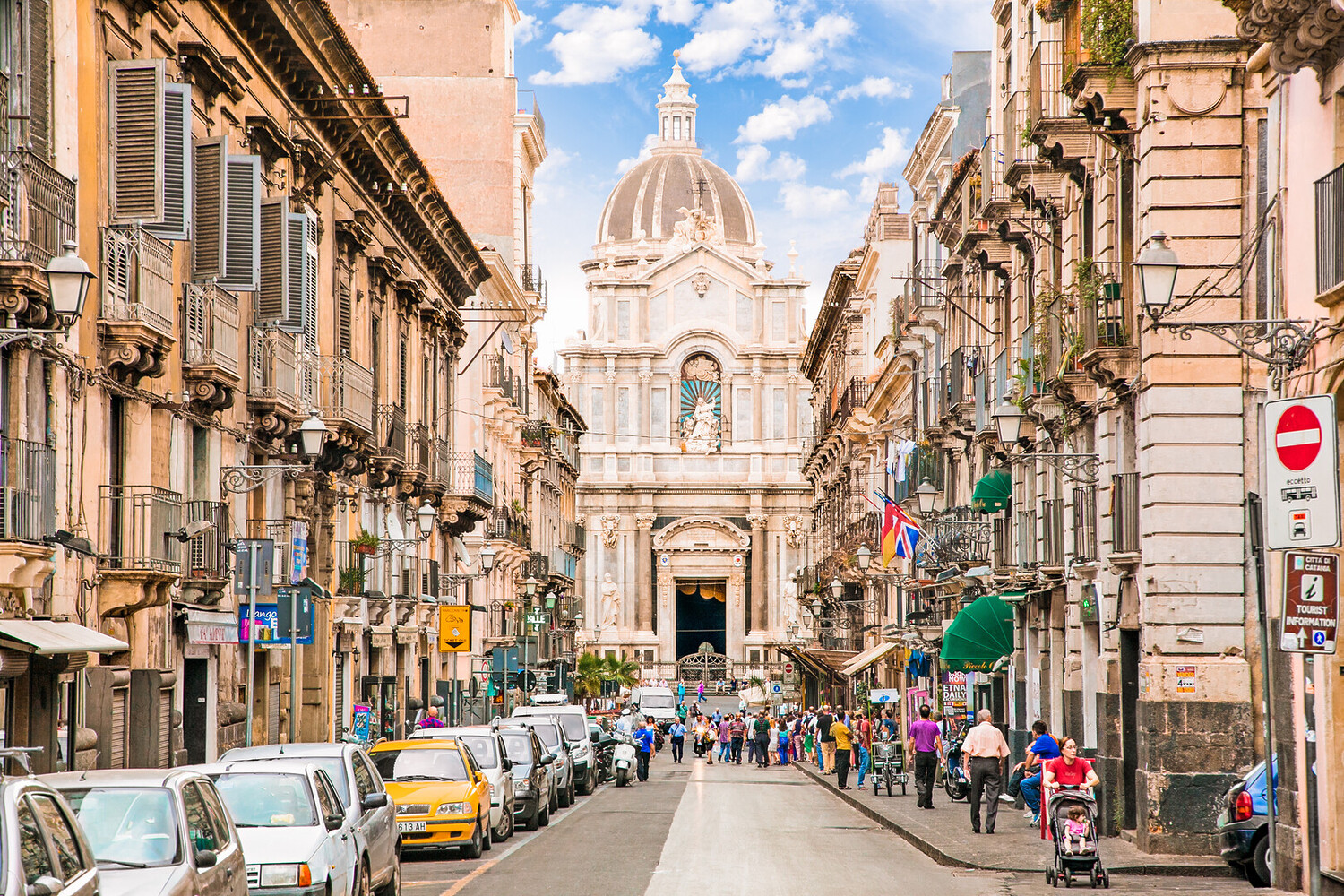
Sicily’s second city sits at Etna’s foot, built partly from its lava stone, with a Baroque center around Piazza del Duomo. Catania’s street food scene runs through its fish market and the arancini, horse-meat sandwiches and granita stalls tucked into the old streets. Estate visits from the city are covered on our catania wine tours page.
4. The Aeolian Islands and Stromboli
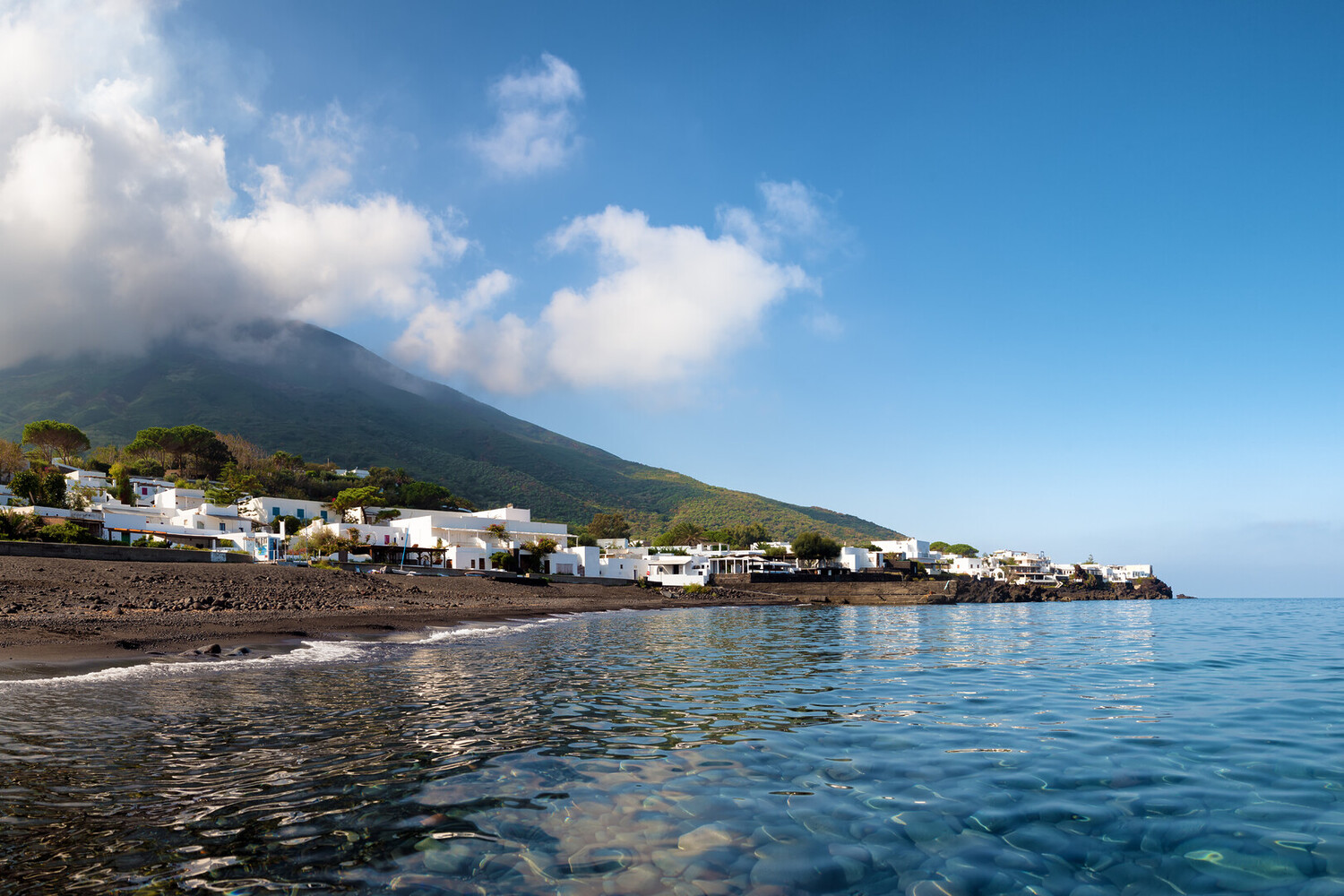
Off the northeastern coast, this volcanic archipelago includes Stromboli, whose active crater still glows visibly at night from a boat offshore. Lipari and Vulcano round out a day trip or overnight stay reached by hydrofoil from Milazzo, with black-sand beaches and thermal mud pools.
5. Syracuse and Ortigia
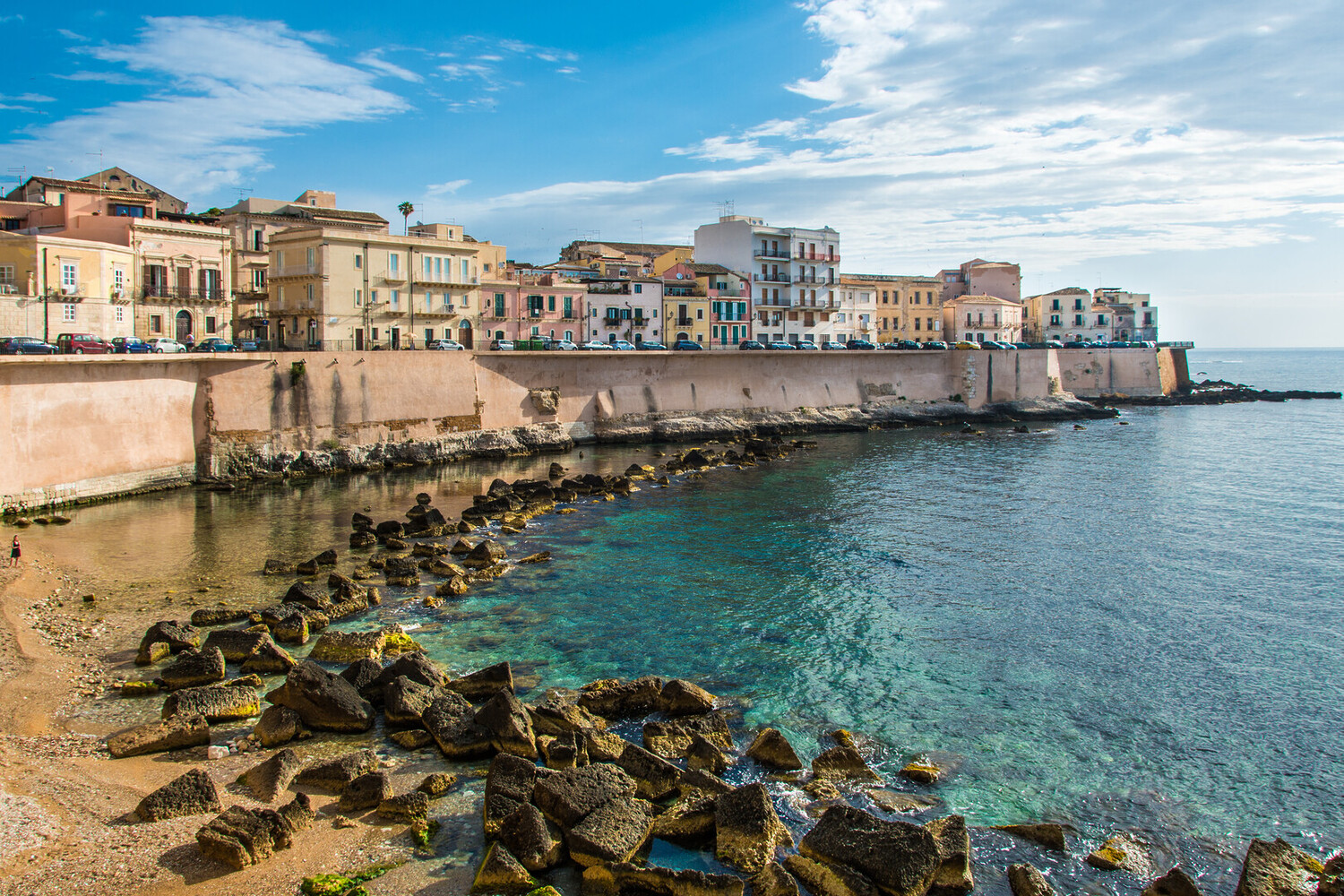
Syracuse blends a modern town with Ortigia, its small island old town packed onto medieval streets, a Baroque cathedral built over a Greek temple, and a lively fish market each morning. The Parco Archeologico della Neapolis holds a Greek theatre and Roman amphitheatre just outside the center. Estate visits nearby are listed on our syracuse wineries page.
6. Noto and the Baroque towns
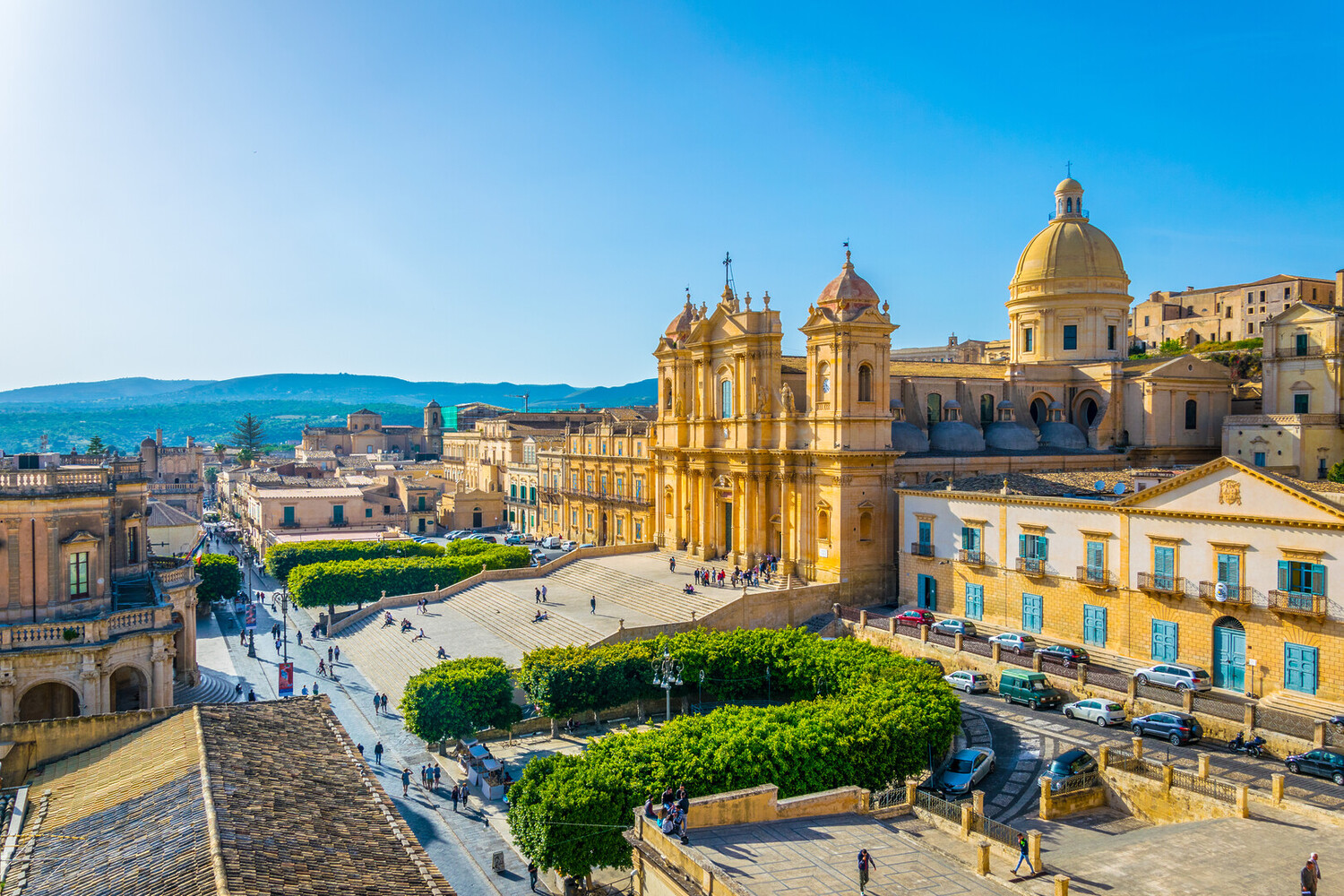
Noto’s honey-colored center is a UNESCO World Heritage Site, rebuilt in Sicilian Baroque style after a 1693 earthquake, with a cathedral and palazzi lining a single sweeping main street. Modica, Scicli and other Val di Noto towns share the same architecture across the southeast.
7. Ragusa
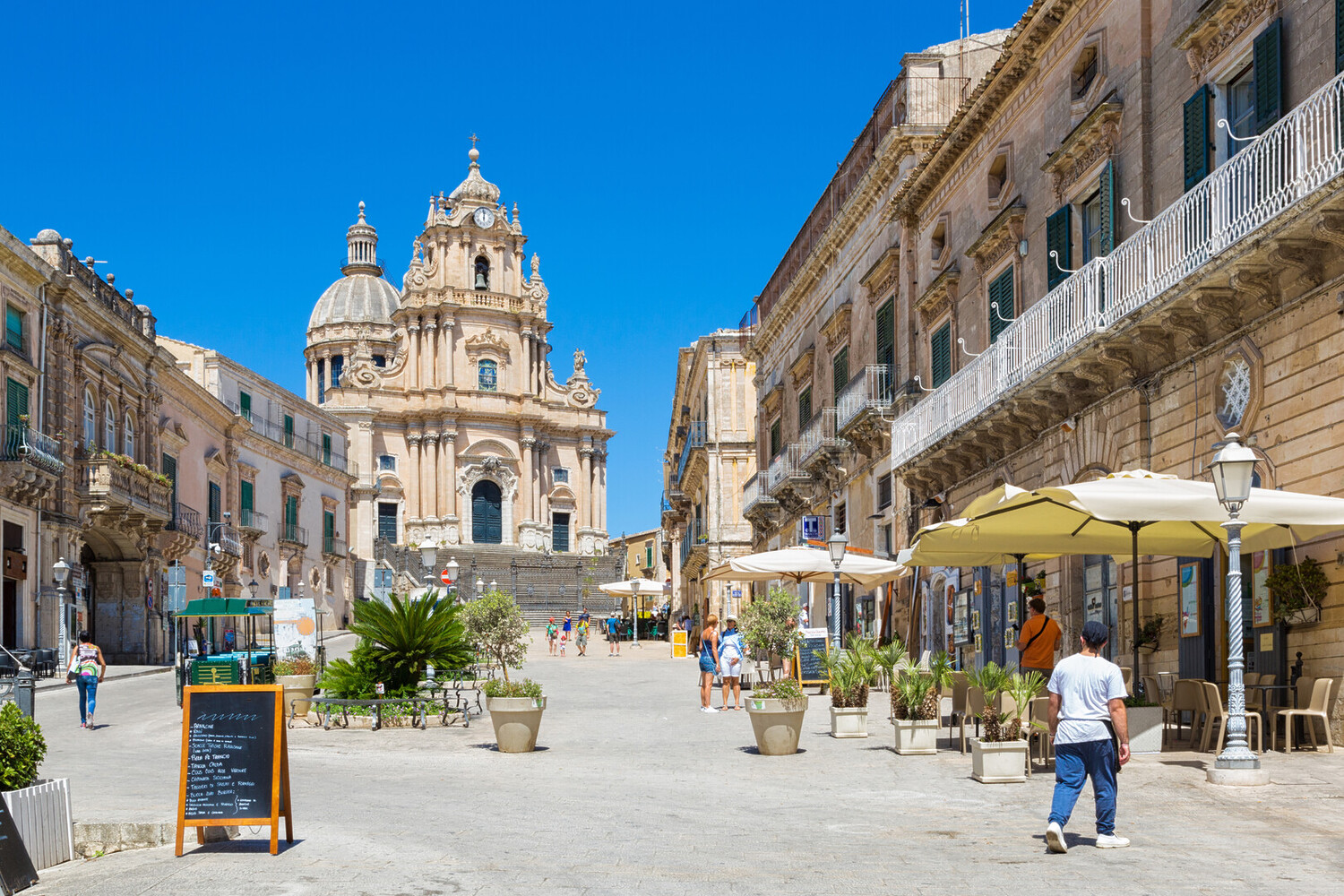
Split between the lower medieval quarter of Ragusa Ibla and the upper 18th-century town, Ragusa layers Baroque churches into a hilltop setting with narrow lanes made for slow walking. It anchors the southeast alongside Noto and Modica as part of the Val di Noto UNESCO listing.
8. Valley of the Temples, Agrigento
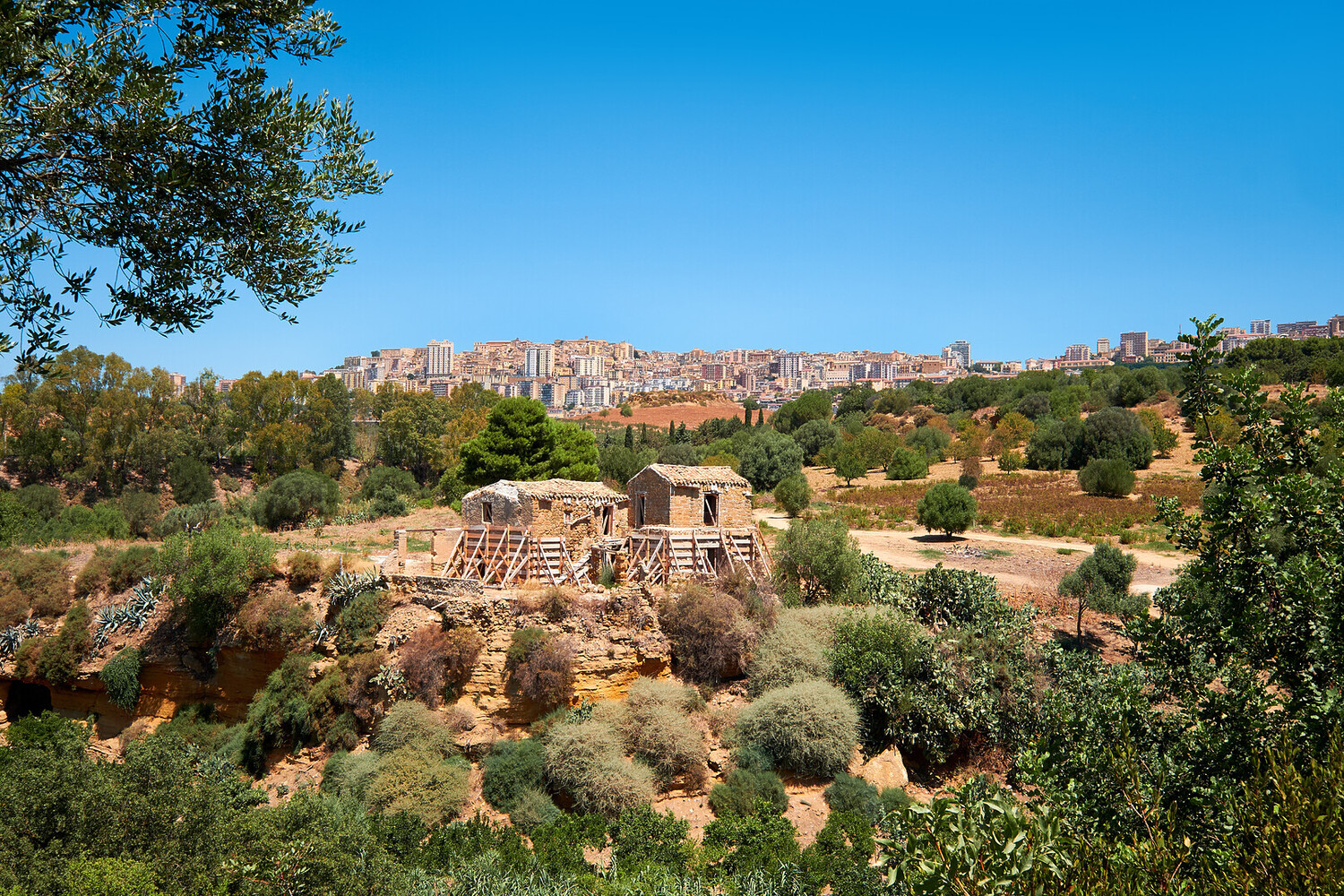
The Valle dei Templi is one of the best-preserved clusters of ancient Greek temples outside Greece, a UNESCO World Heritage Site built during the ancient city of Akragas. The Temple of Concordia stands almost intact among olive and almond groves overlooking the coast. Estate options near the site are on our agrigento wineries page.
9. Palermo’s old town and Teatro Massimo
Sicily’s capital mixes Norman cathedral architecture, Arab-influenced markets and Teatro Massimo, one of Europe’s largest opera houses, inside a dense old town. Ballarò and Vucciria markets double as street food tours in themselves, from panelle to sfincione. Tastings around the city are listed on our wine tasting palermo page.
10. Cefalù
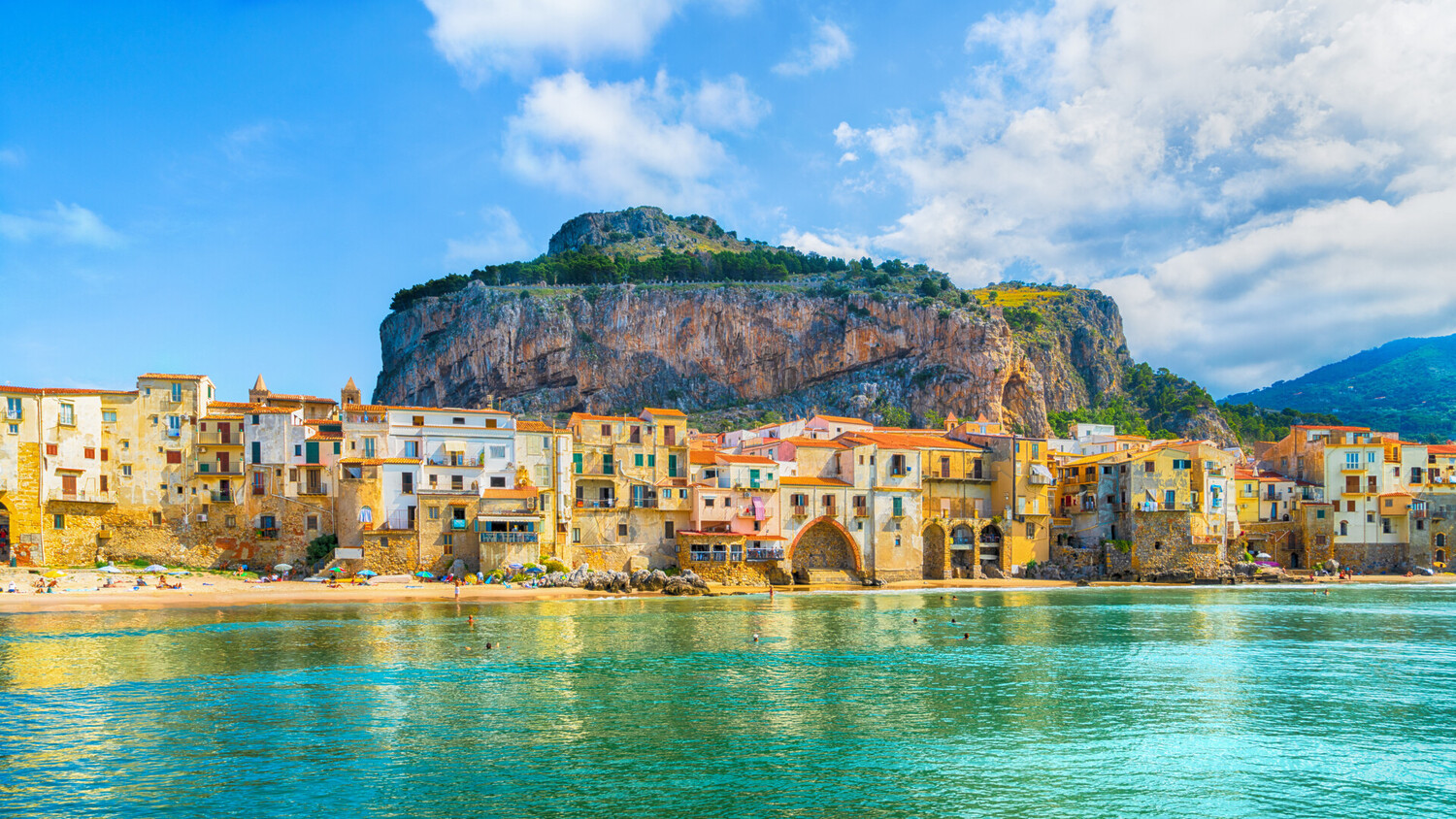
On the north coast, Cefalù pairs a Norman cathedral with a sandy beach right below the old town and a rocky headland called La Rocca behind it. It works well as a day trip from Palermo or a coastal stop en route west.
11. Trapani and the salt flats
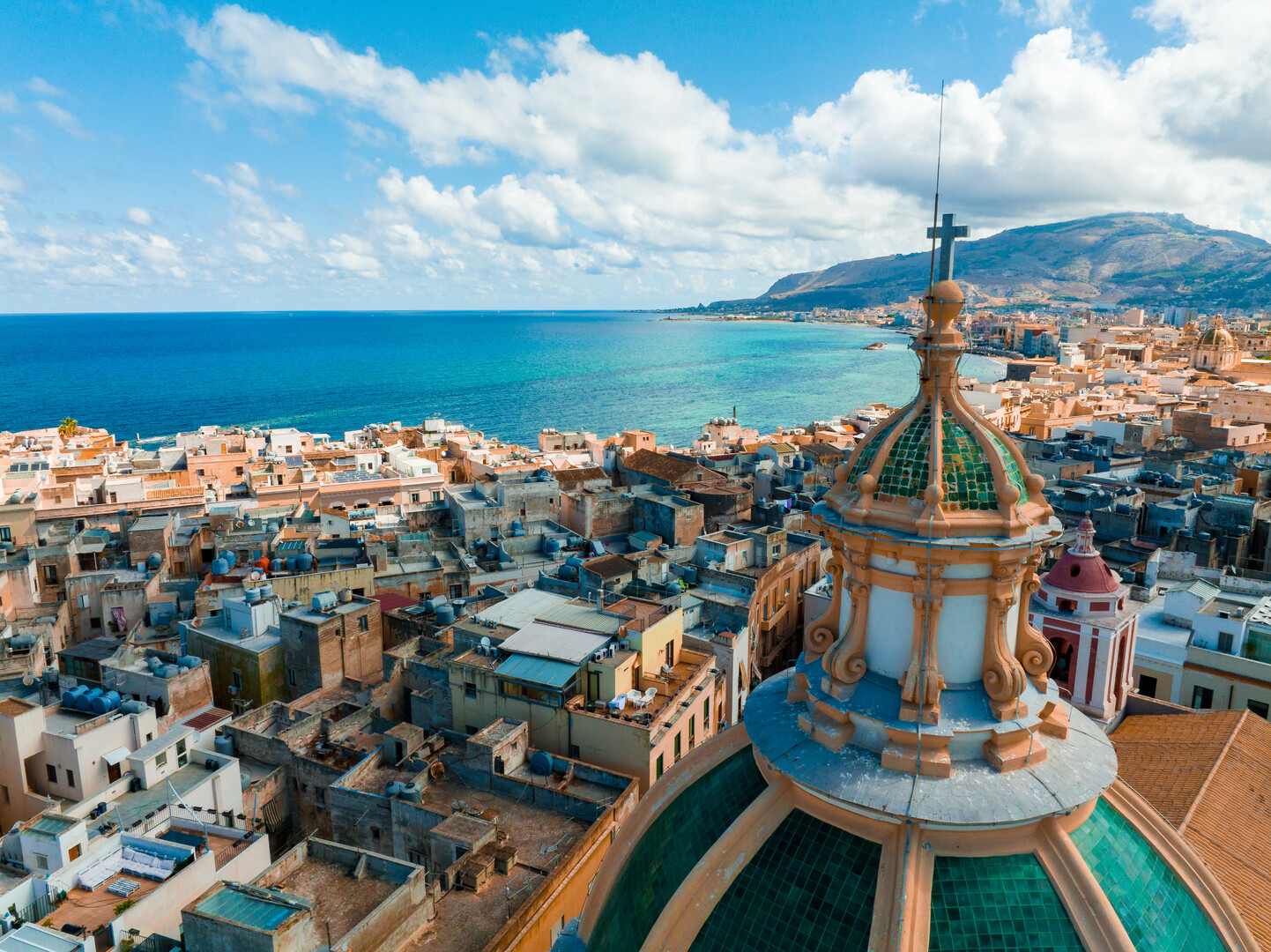
Trapani’s old town sits on a narrow spit between two seas, with salt pans and windmills stretching along the coast toward Marsala. It’s the natural base for exploring western Sicily’s wine and salt country. Estate visits are covered on our trapani wineries page.
12. San Vito Lo Capo
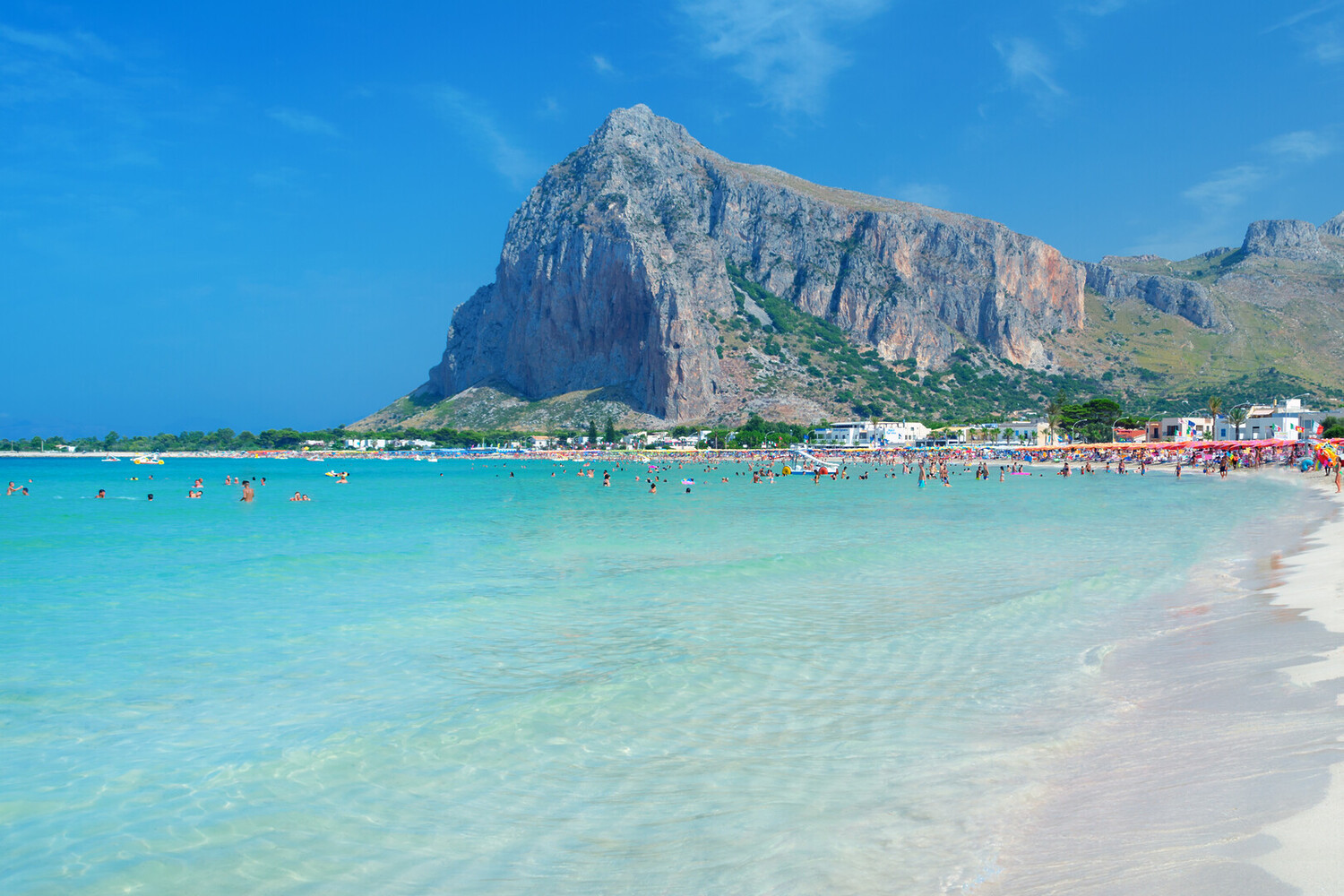
This northwestern beach town is known for a wide arc of pale sand and turquoise, calm water, framed by limestone cliffs. It sits at the edge of the Zingaro nature reserve and makes a good coastal base for a day or two.
13. Zingaro nature reserve
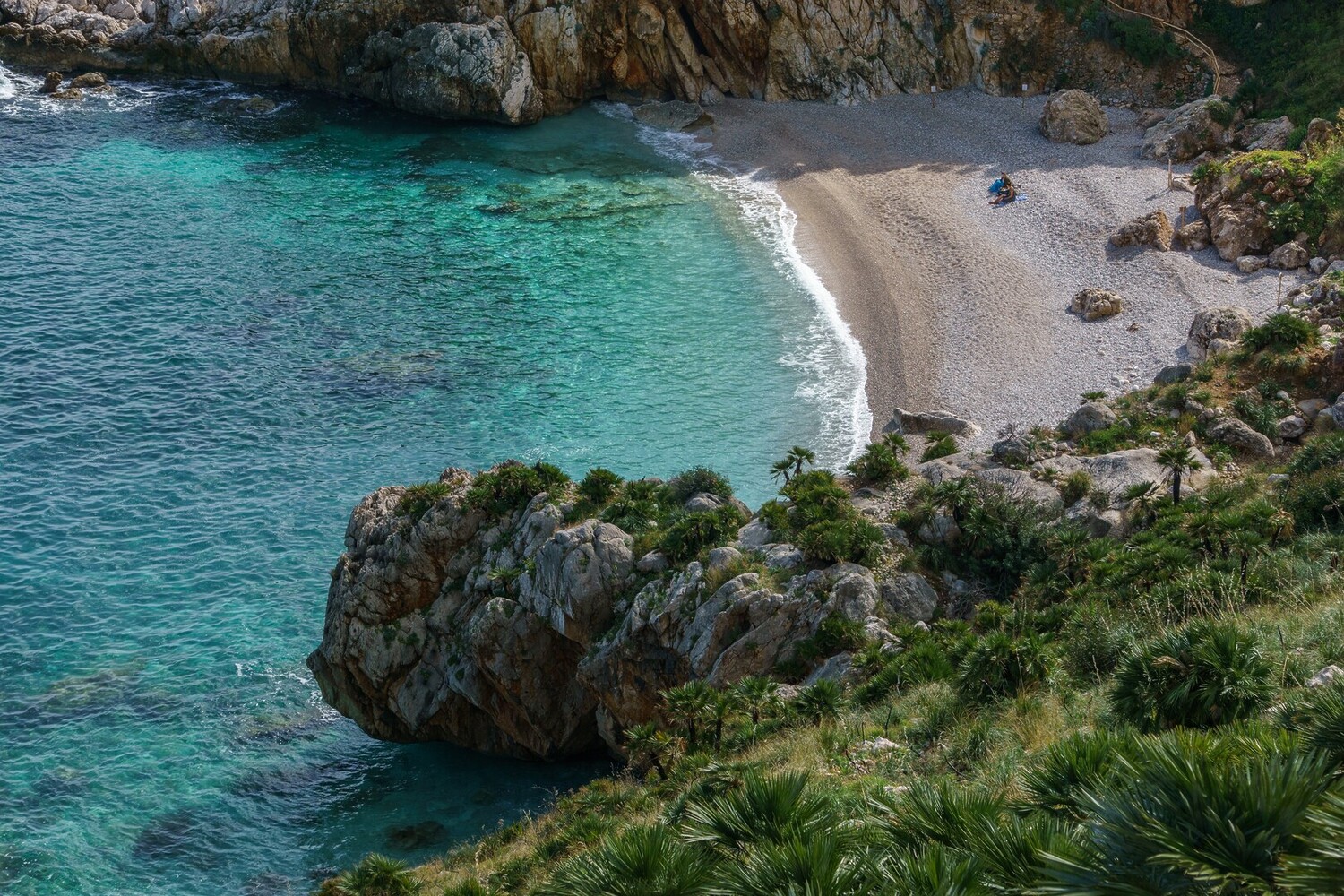
Between San Vito Lo Capo and Scopello, Zingaro was Sicily’s first protected nature reserve, with marked coastal trails leading to isolated coves accessible only on foot. It’s a half-day hike-and-swim combination rather than a drive-through stop.
14. Marsala and its wine country
At Sicily’s western tip, Marsala gives its name to the fortified wine produced across the surrounding countryside, alongside dry whites from Grillo and Catarratto. Cellars here often combine a tasting with a walk through the old baglio courtyards. Details on tastings are on our wine tasting marsala page.
15. Villa Romana del Casale
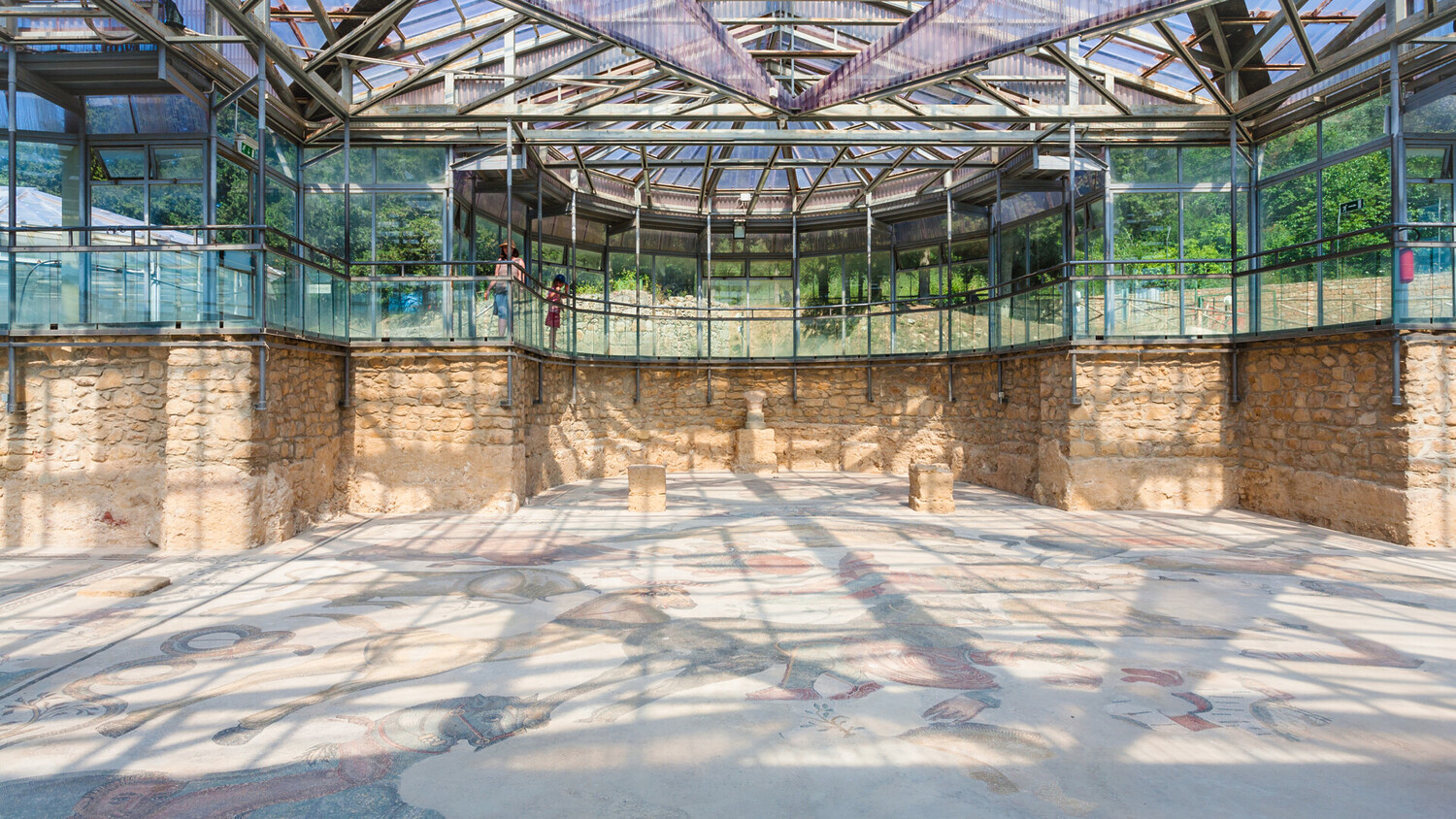
Near Piazza Armerina in central Sicily, this Roman villa holds one of the largest and best-preserved collections of Roman mosaics anywhere, covering floors across dozens of rooms. It’s a detour inland but a genuine archaeological highlight distinct from the coastal sites.
16. Scopello and the Tonnara
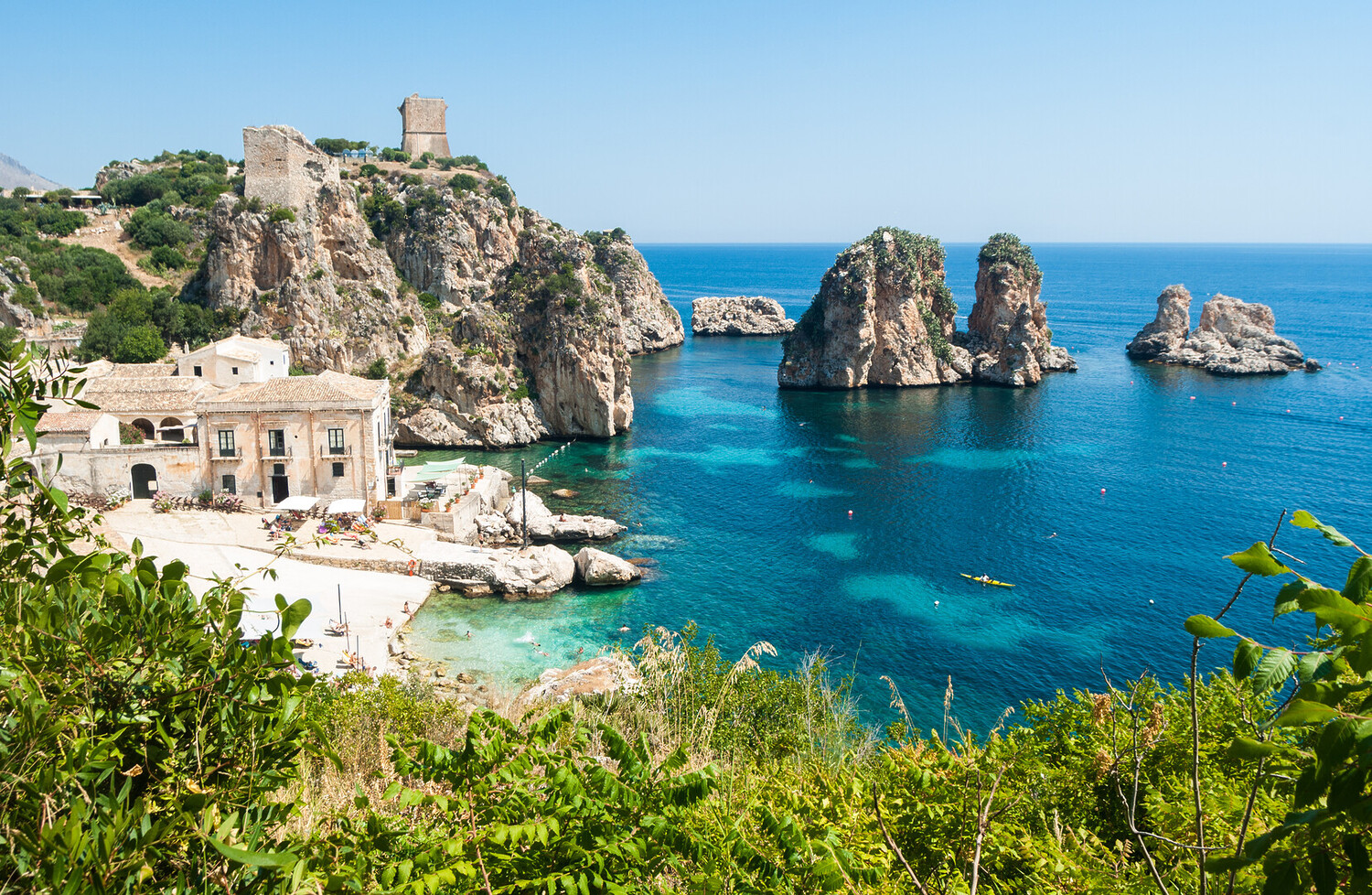
A former tuna fishery on the coast near Zingaro, Scopello’s Tonnara sits below dramatic sea stacks in a cove that’s become one of western Sicily’s most photographed spots. It pairs naturally with a Zingaro hike or a San Vito Lo Capo base.
Book Etna or Marsala cellar visits a day ahead in shoulder season — small estates run limited daily slots.
The must-see cities of Sicily
Beyond the standalone sights, four cities anchor a Sicily itinerary and each supports its own wine-tasting scene worth folding into a city stop: Taormina for the east coast and Etna access (see taormina wine tours), Catania as the street-food and volcano-base city (catania wine tours), Palermo for Norman and Arab-Sicilian heritage plus market food (wine tasting palermo), and Syracuse for Ortigia’s old town and the Neapolis archaeological park (syracuse wineries). Agrigento and Trapani round out the south and west as smaller but essential bases, each detailed further in the sights above.
When to visit Sicily?
Sicily’s Mediterranean climate spreads its best travel windows across spring and early autumn, though each season suits a different kind of trip.
Spring (April-May) brings mild temperatures, wildflowers along coastal trails like Zingaro, and thinner crowds at the Valley of the Temples and Noto.
Summer (June-August) is peak season for beaches at San Vito Lo Capo and the Aeolian Islands, but also the hottest and busiest months in Palermo and Agrigento.
Harvest (September-October) coincides with grape picking on Etna and around Marsala, a good window for pairing coastal days with vineyard visits.
Autumn (October-November) keeps sea temperatures swimmable into October while thinning out the crowds at major sites.
Winter (December-March) is quiet and mild by northern European standards, workable for Palermo, Syracuse and inland towns, though some Aeolian ferry schedules reduce and Etna’s summit access depends on conditions.
How to get to Sicily?
By train
- Regional and intercity trains link Catania, Syracuse, Taormina and Messina along the east coast; Palermo connects west-coast towns including Cefalù.
By car
- Ferries carry cars from mainland Italy (Villa San Giovanni to Messina) for those driving down; car rental from Catania or Palermo airport is the more common option for visitors flying in.
By plane
- Catania-Fontanarossa airport serves the east coast and Etna; Palermo airport serves the north coast and west; both receive direct flights from major European cities.
Getting around
- A rental car is the most flexible way to reach Zingaro, San Vito Lo Capo, Etna’s slopes and inland sites like Piazza Armerina; regional trains cover the east coast well, while guided excursions are common for Etna’s summit zone and the Aeolian Islands.
Where to stay in Sicily?
Charming hotels
- A boutique hotel in Taormina’s old town, near the Greek theatre
- A seafront property in Cefalù, steps from the cathedral and beach
- A converted palazzo in Ortigia, Syracuse’s island old town
- A countryside guesthouse near Agrigento, close to the Valley of the Temples
- A harbor-view stay in Trapani’s old town
Guesthouses in the vineyards Several wine estates around Etna and near Marsala offer rooms or small guesthouses on-site, letting you wake up in the vineyard rows before a morning tasting. These stays suit travelers building a slower western or Etna-focused leg into their route.
Living Sicily differently Beyond hotels, a few nights on Lipari or Vulcano in the Aeolian Islands, or a stay near San Vito Lo Capo within reach of Zingaro’s trails, shift the trip’s pace toward hiking and swimming rather than city-hopping.
Good to know before visiting Sicily
-
How many days do you need in Sicily?
A short trip of 4-5 days covers the eastern arc (Taormina, Etna, Catania, Syracuse); a full loop including Agrigento, Palermo, Cefalù and western Sicily needs 10-12 days. -
What is the best area to stay in Sicily for a first visit?
Taormina or Catania work well as an east-coast base for Etna and Syracuse day trips, while Palermo suits a north-coast and western Sicily loop. -
Is Mount Etna safe to visit?
Etna is an active volcano and access above certain altitudes depends on current activity; the cable car and lower trails are generally open, with guided excursions handling closer approaches to the craters. -
What makes Noto and the Val di Noto towns worth visiting?
Noto's Baroque center is a UNESCO World Heritage Site, rebuilt after a 1693 earthquake, and it anchors a cluster of similarly styled towns including Ragusa, Modica and Scicli in southeast Sicily. -
Are the Aeolian Islands easy to visit from Sicily?
Yes — hydrofoils run from Milazzo on the northeast coast to Lipari, Vulcano and Stromboli, making a day trip or overnight stay straightforward from the eastern arc. -
Can you combine wine tasting with a Sicily road trip?
Yes — Etna's slopes and the countryside around Marsala and Trapani both have estates open for tastings, easily folded into an eastern or western leg of the route; see our Sicily wine tours & wineries page for options. -
What is the Valley of the Temples and is it worth the detour to Agrigento?
It's a UNESCO-listed archaeological park with some of the best-preserved ancient Greek temples outside Greece, built during the ancient city of Akragas — a genuine highlight rather than a detour.
Victoria explores Europe's wine regions to share the finest wine tourism experiences with our travelers. Here she shares her favorite discoveries, tips, and encounters with the winemakers behind every bottle.
Winalist is Europe's n°1 platform to book winery visits, tastings and wine tourism experiences. 2,000+ handpicked producers. Free booking and cancellation, instant confirmation.
Discover WinalistVictoria explores Europe's wine regions to share the finest wine tourism experiences with our travelers. Here she shares her favorite discoveries, tips, and encounters with the winemakers behind every bottle.