



Tucked away in the green hills of Northern Portugal, Amarante is a hidden gem where history, gastronomy, and scenic beauty meet along the banks of the Tâmega River. With its blend of Romanesque architecture, cobbled streets, and a lively local culture, this charming town offers an authentic Portuguese experience.
Surrounded by lush vineyards, Amarante is also an excellent starting point to discover Vinho Verde wineries, where you can enjoy tastings of the region’s signature light and crisp wines. Whether you’re wandering through its historic center, dining on regional specialties, or venturing toward the nearby Douro Valley, visiting Amarante promises a journey full of charm, flavor, and unforgettable moments.
Best Things to do in Amarante
Walk Across the Ponte de São Gonçalo

The Ponte de São Gonçalo is one of the most iconic landmarks in Amarante, gracefully arching over the tranquil waters of the Tâmega River. Originally constructed in the 13th century, the bridge was rebuilt after a devastating flood in 1763. It holds a prominent place in Portuguese history, having been the site of intense resistance during the Peninsular War, where local forces bravely clashed with Napoleon’s troops.
Today, this majestic stone bridge not only connects the town’s two sides but also offers panoramic views and a timeless link to Amarante’s storied past.
Admire the Igreja de São Gonçalo and Monastery
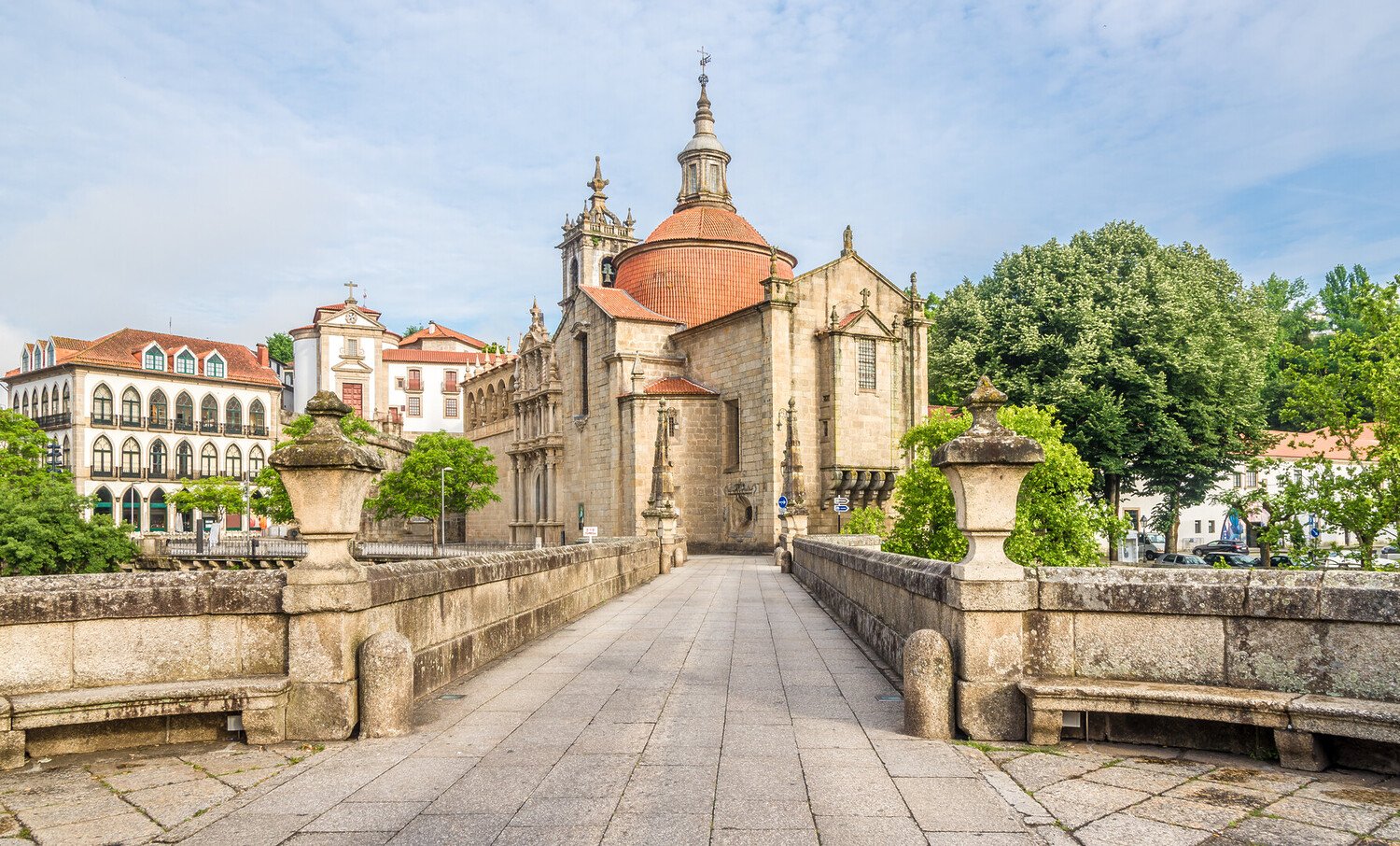
Standing proudly along the Tâmega River, the Igreja de São Gonçalo is one of Amarante Portugal’s most emblematic landmarks. Built in the 16th century and dedicated to the town’s patron saint, Gonçalo de Amarante, this Baroque masterpiece captivates with its ornate façade, elaborately carved columns, and richly decorated altars.
Next to the church, the Monastery of São Salvador invites visitors to explore centuries of religious heritage and gain deeper insight into Amarante’s spiritual and architectural legacy.
Explore the Amadeo de Souza Cardoso Museum
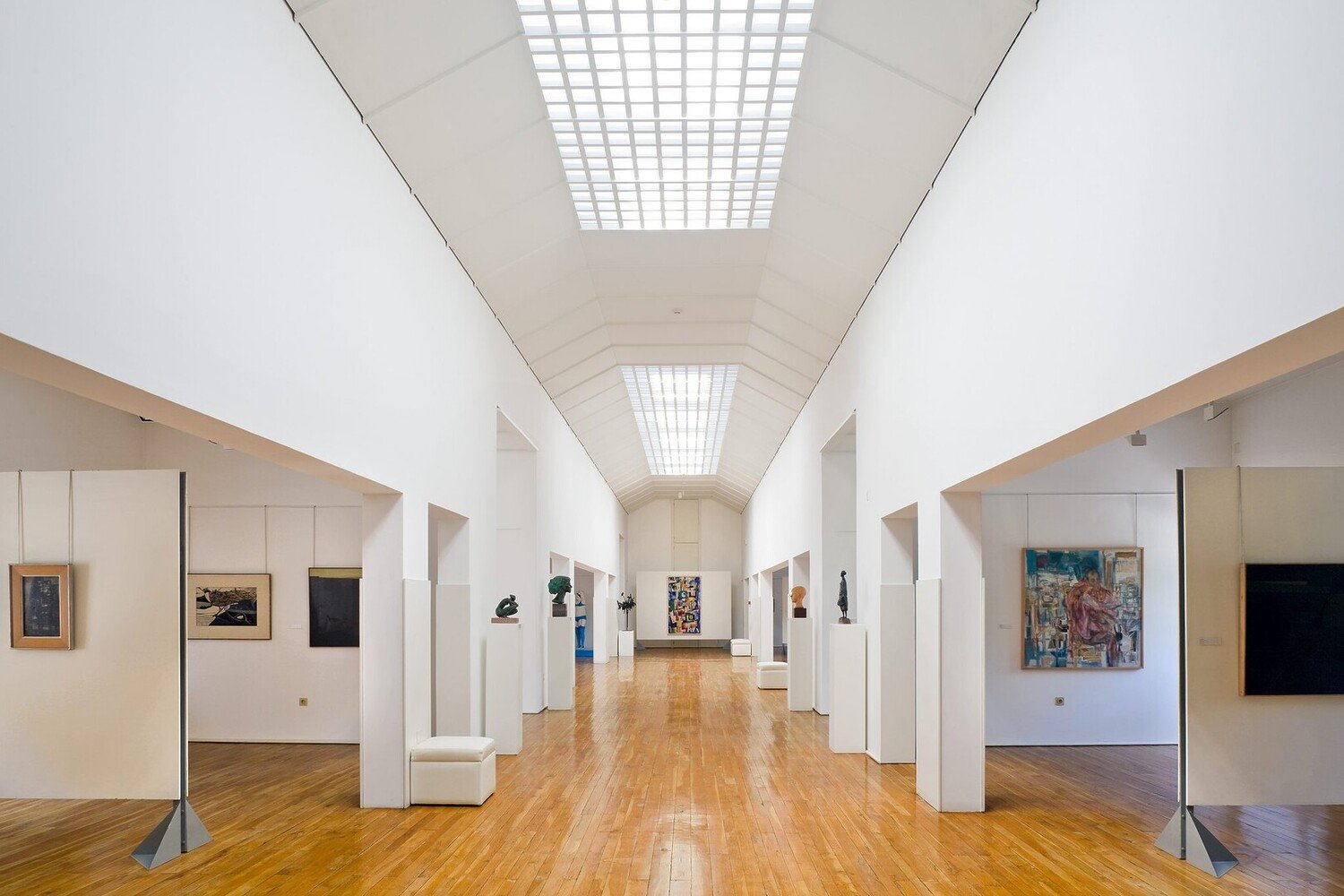
Housed in a former convent, the Amadeo de Souza-Cardoso Museum is a must-visit for art lovers in Amarante. Named after one of the country’s most celebrated modernist painters, the museum showcases an impressive collection of contemporary art, sculptures, and paintings. Beyond the works of Amadeo himself, visitors can explore rotating exhibitions featuring both local talent and international artists. Set against the backdrop of historic architecture, the museum offers a rich cultural experience that reflects the artistic spirit of the region and pays tribute to Northern Portugal’s creative legacy.
Enjoy a Stroll Along the Tâmega River
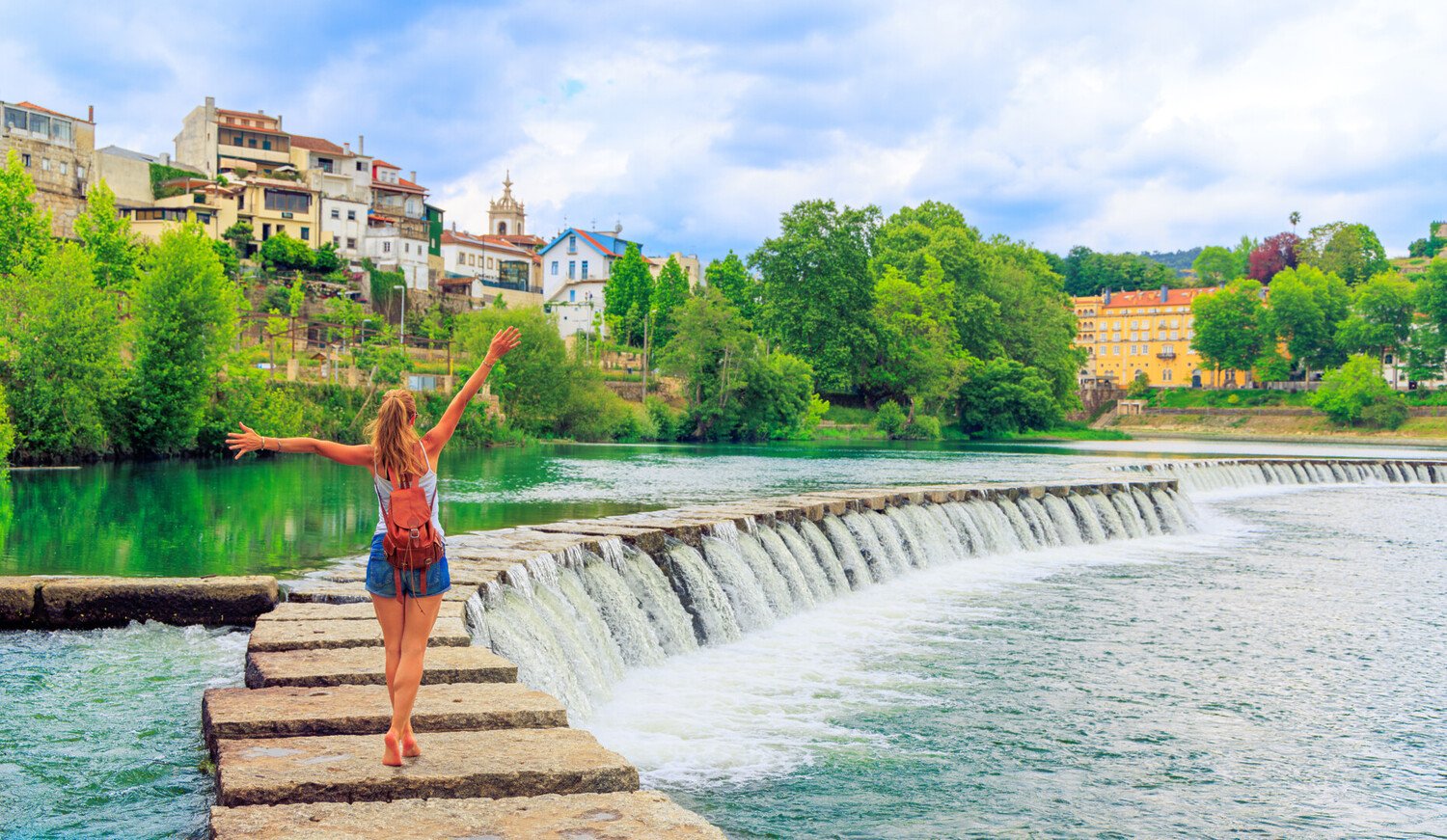
A walk along the Tâmega River is one of the best ways to take in Amarante’s picturesque setting. Follow the riverside from the historic center towards the Açude das Azenhas, a small weir where the river widens and cascades gently over the stone structure. Along the way, you’ll enjoy views of the São Gonçalo Bridge, the old town and the hills of the Tâmega Valley, making this an easy and scenic stroll away from the busiest streets.
Taste Amarante’s Traditional Pastries
Amarante has a sweet tooth, and its traditional pastries are closely tied to the town’s local traditions. Stop by Confeitaria da Ponte, near São Gonçalo Bridge, to try specialties such as Bolos de São Gonçalo and Papos de Anjo, made with egg yolks and sugar. Enjoy them with an espresso or Portuguese coffee for a simple taste of Amarante’s culinary heritage.
Best Things to Do Around Amarante, Portugal
Visit a Local Winery for Vinho Verde Tasting
Amarante sits within the Vinho Verde wine region, where the local wines are known for their freshness, lively acidity and often mineral character. Exploring a nearby winery is a great way to discover a different side of the region, from vineyard walks and cellar visits to tastings of local wines paired with Portuguese specialties.
Discover Sustainable Winemaking
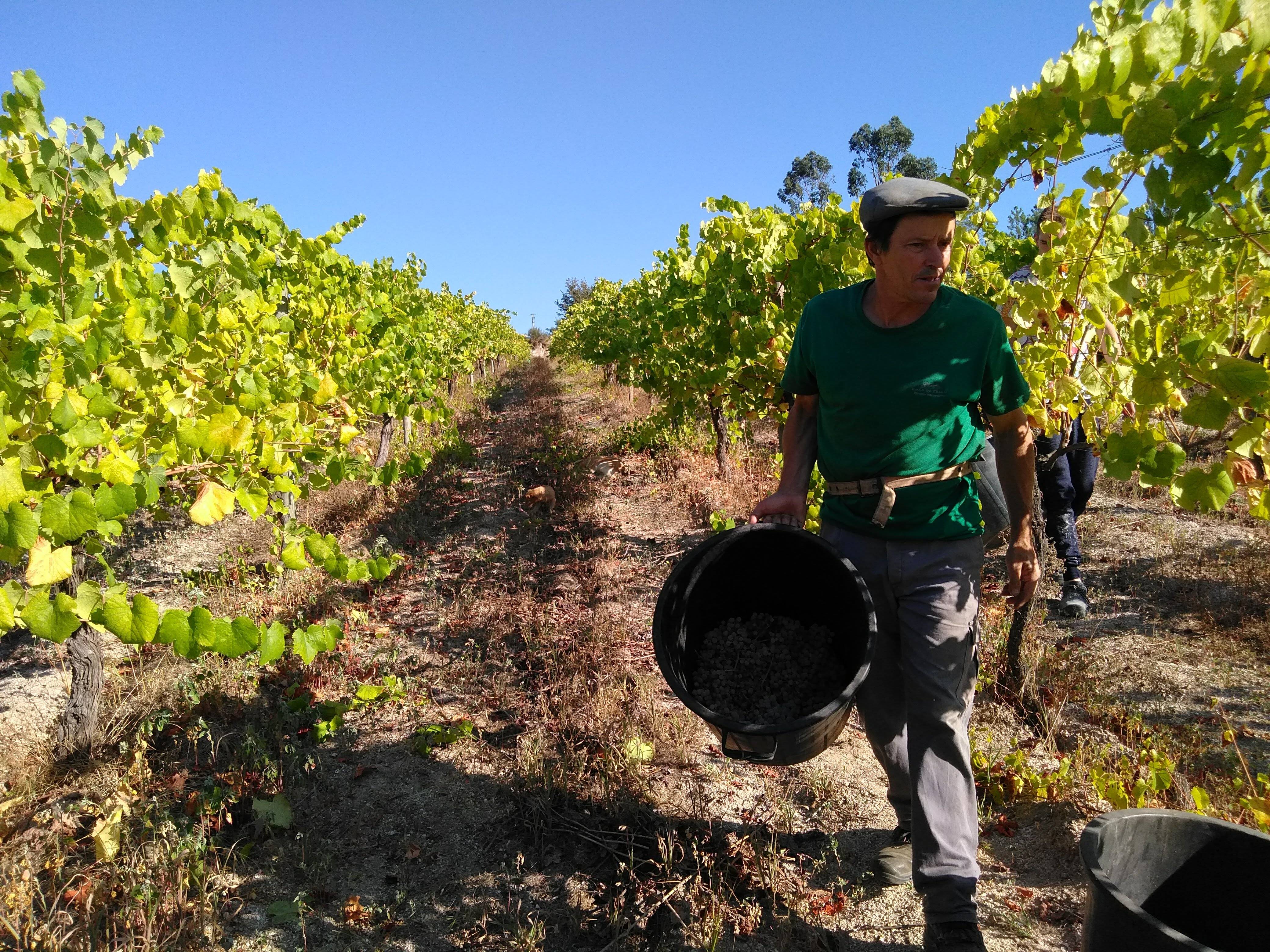
At Casa de Cello, you can discover the work of an independent producer with estates in both the Vinho Verde and Dão regions. Located near Amarante, Quinta de Sanjoanne is the estate dedicated to Vinho Verde, making it the one to visit if you want to explore the local wine culture. The experience offers an insight into the estate’s vineyards, winemaking approach and commitment to sustainable agriculture.
Stay Among the Vines
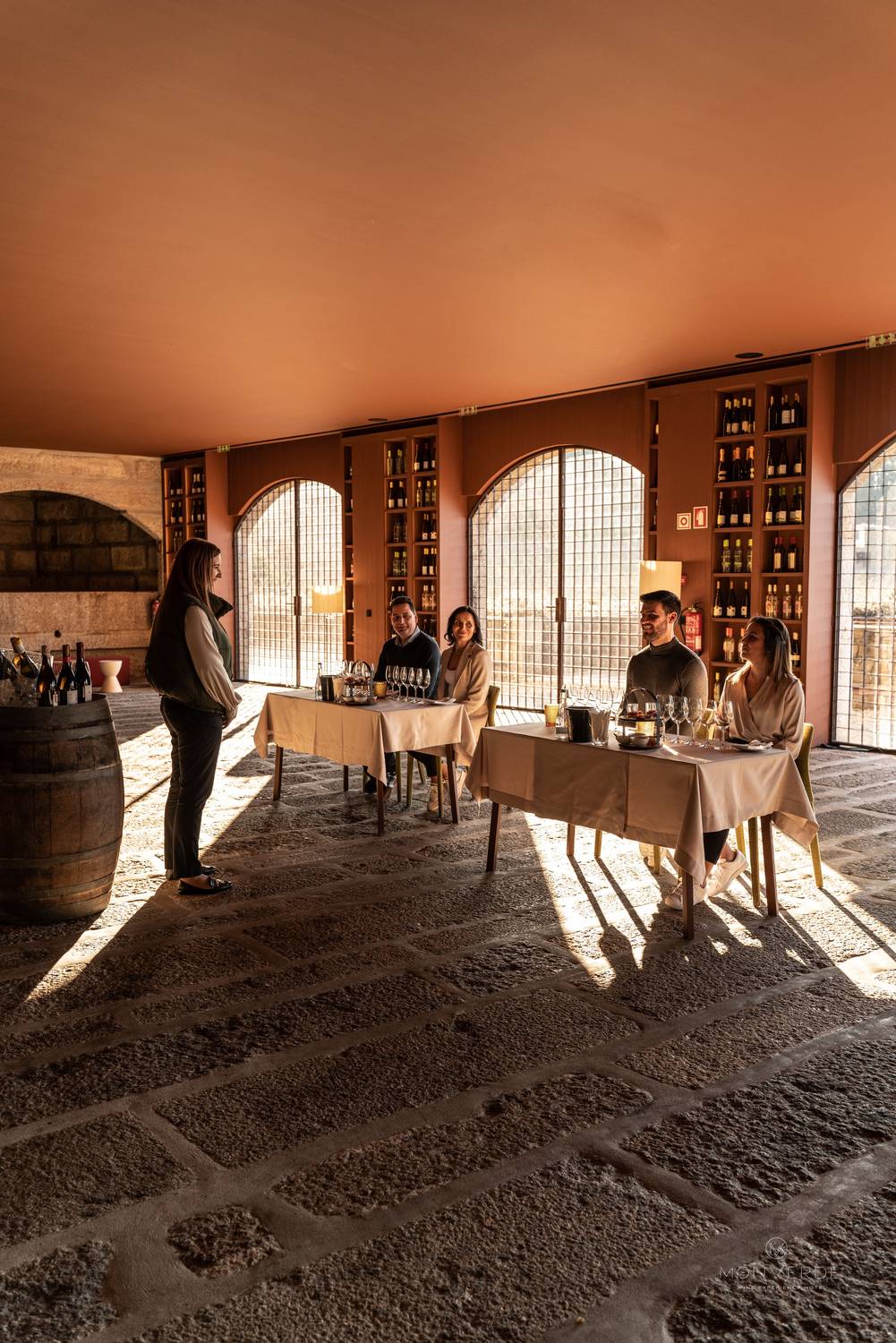
For a wine experience that goes beyond a tasting, Monverde Wine Experience Hotel offers the chance to stay in the heart of the Vinho Verde countryside. Set within Quinta da Lixa, the property combines accommodation, wine experiences and vineyard surroundings, making it an appealing option for travelers who want to make wine part of their stay in the Amarante area.
Tour Vineyards Along the Tâmega Valley
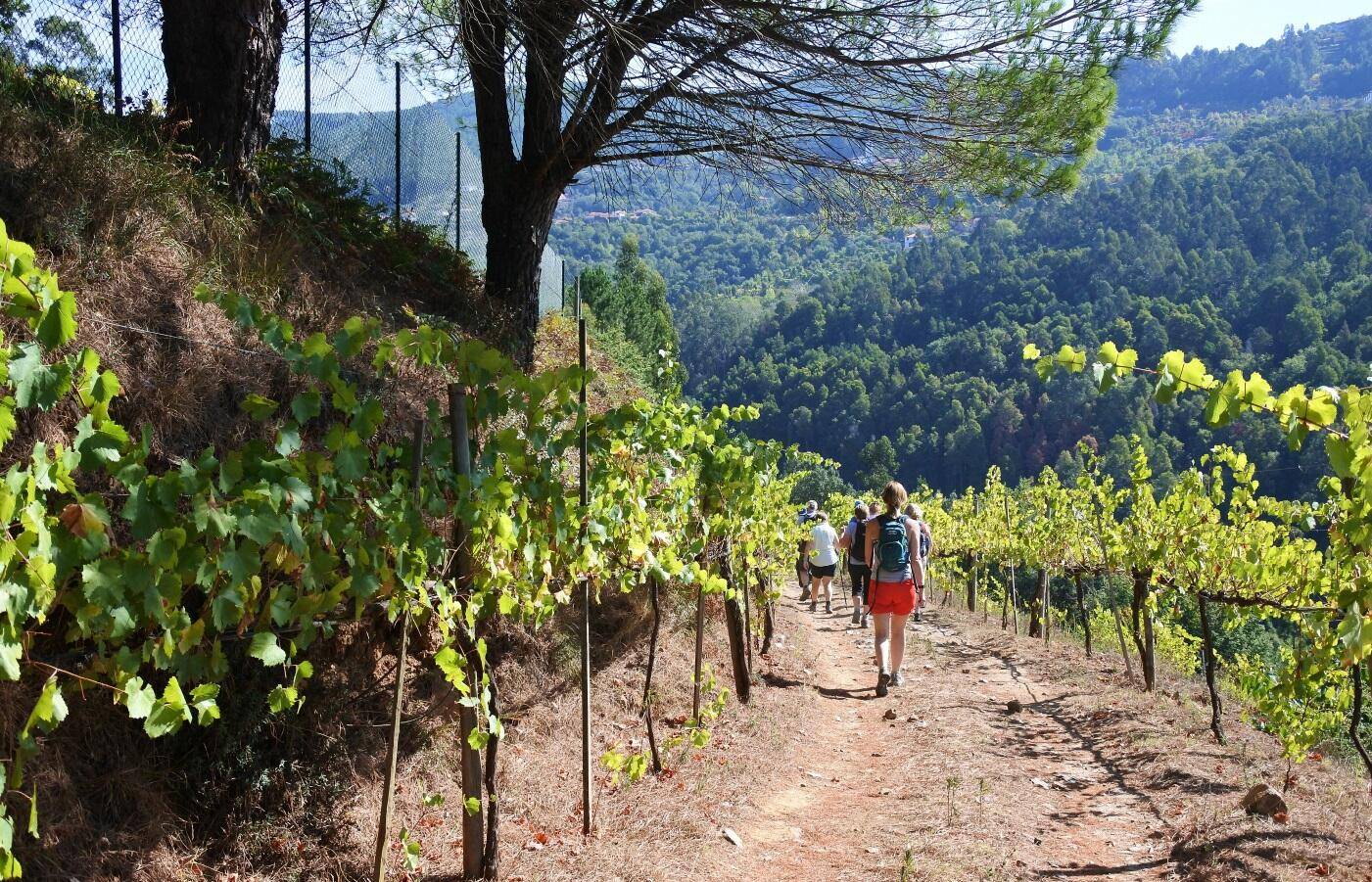
Set along the Tâmega River near Amarante, Quinta das Escomoeiras is a lovely place to discover the region’s wine and countryside. Wander through the vineyards, gardens and surrounding woodland, visit the winery and finish with a tasting on the terrace overlooking the landscape. For a more complete experience, you can also enjoy a regional lunch paired with the estate’s wines.
Visit the Historic City of Guimarães

About 45 minutes from Amarante, the medieval city of Guimarães is known as the “birthplace of Portugal.” Stroll through its picturesque Romanesque streets, visit the monastery of São Salvador, and admire the grand Guimarães Castle. The old town, a UNESCO World Heritage Site, offers a glimpse into Portugal’s rich history and architecture, making it well worth a visit during a trip to Amarante.
Discover the Douro Valley
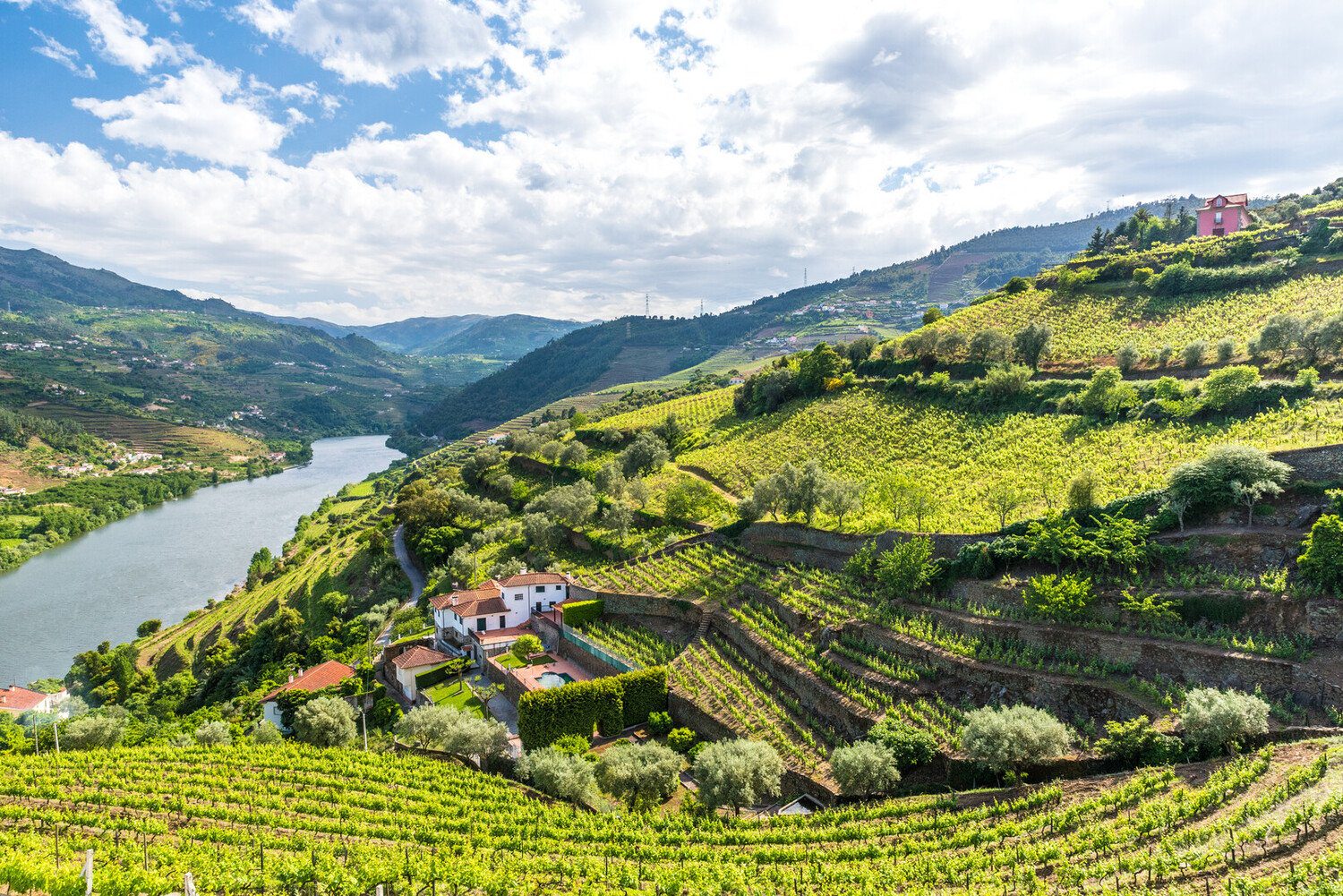
About an hour from Amarante, the Douro Valley offers a striking change of scenery, with steep vineyard-covered hillsides, winding roads and the Douro River at the heart of the landscape.
Start in Peso da Régua, an important wine town and gateway to the Douro, before following the river towards Pinhão. Along the way, stop at scenic viewpoints, visit a local quinta or enjoy a wine tasting to experience the region’s famous wines and Port at their source.
For more ideas on what to see and do, check out our guide to the Douro Valley.
Hike Through the Scenic Serra do Marão

For outdoor lovers, the Serra do Marão mountain range is about 30 minutes from Amarante and offers fantastic hiking trails through the rugged and picturesque terrain. This natural area, rich in granite formations, provides some of the most breathtaking views of northern Portugal. Whether you want a short walk or a challenging trek, the landscapes of Serra do Marão will make your adventure unforgettable.
Good to know before visiting Amarante, Portugal
Is Amarante, Portugal, worth visiting?
Yes, especially if you’re looking for a quieter alternative to Portugal’s better-known destinations. Amarante combines historic architecture, riverside scenery, local food and access to the surrounding mountains and vineyards. Its compact historic center is easy to explore on foot, while its location also makes it a convenient base for discovering the Tâmega Valley, Vinho Verde country and the nearby Douro Valley.
Where is Amarante and how far is it from Porto?
Amarante is in northern Portugal, about 60 km (37 miles) east of Porto. By car, the journey from Porto usually takes around 45 minutes to an hour, depending on traffic. Its location makes it an easy addition to a northern Portugal road trip, particularly if you’re also planning to visit the Douro Valley or other destinations in the region.
How many days do you need in Amarante?
One to two days is enough to see the main sights in Amarante, including São Gonçalo Church and Bridge, the historic center, the Amadeo de Souza-Cardoso Museum and the Tâmega riverside. With two or three days, you can slow down and add a wine tasting, a hike in the Serra do Marão or a day trip to the Douro Valley.
How do you get from Porto to Amarante?
Driving is the easiest option, particularly if you plan to explore the countryside and wineries around Amarante. The town is connected to Porto by road via the A4.
There is no direct train service into central Amarante, although the Douro railway line serves Livração, from where you need onward transport.
Buses are another option for travelers who prefer not to drive.
Where to stay in Amarante, Portugal?
- Casa da Calçada Relais & Châteaux – A refined hotel in the historic center, set in a beautifully restored historic building.Monverde Wine Experience Hotel (15min from Amarante) – A wine-focused hotel surrounded by vineyards, ideal for combining accommodation with wine experiences.Casa das Lérias – A charming boutique hotel in the heart of Amarante, with a strong connection to the town’s pastry-making tradition.Constance Retreat – Douro Verde by FERO (25min from Amarante) – A peaceful retreat in the Douro Verde countryside, ideal for travelers looking for nature, tranquility and a slower pace.
Where to eat in Amarante, Portugal?
Amarante has plenty of options for discovering Portuguese cuisine, from fine dining to traditional taverns and riverside restaurants. Here are a few Winalist recommendations:
- Largo do Paço – Located in the Casa da Calçada, this fine-dining restaurant holds one Michelin star and offers creative tasting menus rooted in Portuguese cuisine.Casa Herédio – A welcoming local spot serving Portuguese specialties, with cheese and charcuterie boards, preserves, tapas and regional bites.Taberna Don Rodrigo – A traditional address where you can enjoy grilled meats and Portuguese petiscos in a relaxed atmosphere.Restaurante Entre Pontes – A riverside restaurant where you can enjoy fresh fish, local specialties and views over the Tâmega.
Is a car necessary in Amarante?
A car is not essential if you’re staying in central Amarante, as the main sights can easily be explored on foot.
However, having a car is highly recommended if you want to visit local wineries, explore the Serra do Marão or discover the surrounding countryside and the Douro Valley. If you’re planning to rent a car, you can compare options with Discover Cars.

I roam Europe's vineyards alongside Nicolas, founder of Winalist. Here I share my impressions, plain and simple: my favorites, what moved me during a visit, what we drank and ate, the hidden gems I uncovered (and the disappointments avoided). Because you don't need to be a sommelier to enjoy the world of wine.


