


What are the best 10 things to do in the Canary Islands?
1- Admire nature at Timanfaya National Park in Lanzarote

Step into another planet, no space suit required. Timanfaya National Park in Lanzarote is one of the most surreal spots in the Canary Islands, showcasing jagged lava fields, fire-red craters, and steaming earth that hints at the molten activity just below the surface. Formed by volcanic eruptions in the 18th century, the park covers more than 50 square kilometers of pure Martian-like terrain. Hop on a guided bus tour, witness geyser-like geothermal demos at Islote de Hilario, and grab a bite at El Diablo restaurant, where your food is cooked over volcanic heat. It’s not just a national park, it’s a front-row seat to the raw power that shaped the entire archipelago.
2- Climb the heights of Teide National Park

Towering at 3,715 meters, Mount Teide isn’t just Spain’s highest peak, it’s the crown jewel of Tenerife and the star of Teide National Park, a UNESCO World Heritage Site. The park’s dramatic volcanic landscapes look like something out of a sci-fi film, with rugged lava flows, bizarre rock formations, and rare plant species found nowhere else on Earth. Take the cable car up for jaw-dropping views over the island (and even across to La Gomera or Gran Canaria on a clear day), or lace up your boots and conquer the summit the old-school way.
3- Step back in time in La Laguna

San Cristóbal de La Laguna, a UNESCO World Heritage Site and the proud home of the University of La Laguna, is one of Tenerife’s most atmospheric cities. Stroll its cobbled streets lined with pastel-colored mansions, lively tapas bars, and boutique shops, all steeped in centuries of history. This northern gem blends colonial elegance with student energy, making it a perfect stop if you want culture, cuisine, and charm all in one walkable city center.
4- Bask under the sun in Maspalomas

Gran Canaria’s Maspalomas Dunes offer a striking mix of desert drama and coastal beauty. These golden sand hills, shaped by wind and time, roll down toward the sparkling Atlantic and are part of a protected natural reserve. Just steps from the buzz of the nearby resort town, the dunes also provide a quiet refuge for migratory birds. Come at sunset for unforgettable views as the sky turns gold behind the 19th-century Maspalomas lighthouse, pure magic in one of the island’s most iconic spots.
5- Island-hop to La Palma’s Roque de los Muchachos

On La Palma, known as “La Isla Bonita” for its lush beauty, the Roque de los Muchachos rises above the clouds as one of Spain’s highest peaks. At over 2,400 meters, it’s home to world-class astronomical observatories and offers some of the clearest night skies in Europe, making it a dream for stargazers. During the day, explore the surrounding Caldera de Taburiente National Park, where hiking trails weave through ancient forests, volcanic cliffs, and ravines that open onto dramatic coastal views. It’s nature, stars, and adventure, all in one breathtaking spot.
6- Relax on Playa de Las Teresitas near Santa Cruz de Tenerife

Just a short drive from Santa Cruz de Tenerife, Playa de Las Teresitas is one of the island’s most beloved beaches. Unlike Tenerife’s typical black-sand shores, this wide stretch of golden sand was imported from the Sahara, giving it a postcard-perfect look. Lined with palm trees and lapped by calm, turquoise waters, it’s ideal for swimming, sunbathing, or simply unwinding with a view. Plus, its location near the capital means you can pair your beach day with visits to nearby restaurants, shops, and cultural spots in Santa Cruz.
7- Discover the capital charm of Las Palmas de Gran Canaria

In Las Palmas, Gran Canaria’s lively capital, history, shopping, and sunshine come together seamlessly. Stroll through the charming old quarter of Vegueta with its colonial architecture and centuries-old churches, then head to the trendy Triana district for boutique shopping and vibrant cafés. Enjoy fresh seafood at bustling markets or catch a live show in one of the city’s theaters. If you’re lucky enough to visit during Carnival, get ready for one of Spain’s most dazzling celebrations. Las Palmas also balances its cultural richness with beachside bliss, Las Canteras beach is just minutes from the center. The city offers exceptional wine tasting in Las Palmas, discover the flavors of volcanic soil at nearby wineries, where native grape varieties shine in every glass, paired with delicious Canarian cuisine for a truly immersive local experience.
Don’t miss our guide on the best things to do in La Palmas de Gran Canaria!
8- Uncover volcanic secrets in the Lava Tunnels of Jameos del Agua

When you visit Lanzarote, don’t skip the Jameos del Agua, arguably one of the island’s most jaw-dropping attractions. Designed by the visionary local artist César Manrique, this masterpiece blends volcanic geology with sleek architecture. What was once a lava tunnel has been transformed into a dreamy cultural space with lush greenery, a turquoise pool (no swimming, sadly!), and a natural concert hall with perfect acoustics. You can even spot a rare species of blind albino crabs in the underground lake. It’s a magical fusion of nature, design, and pure Lanzarote flair.
9- Go whale and dolphin watching off southern Tenerife

Southern Tenerife, especially around Los Cristianos and Costa Adeje, is one of the top spots in Europe for unforgettable marine life encounters. Hop on a catamaran or eco-friendly boat tour and sail through the warm Atlantic waters to spot resident bottlenose dolphins and pilot whales up close, sometimes even sperm whales if you’re lucky. These year-round excursions are a must-do for nature lovers and provide a front-row seat to Tenerife’s rich ocean biodiversity, all while surrounded by stunning coastal views.
10- Capture panoramic views at Mirador del Río in Lanzarote

Mirador del Río, perched on the Risco de Famara cliffs in northern Lanzarote, offers jaw-dropping views over the island of La Graciosa and the surrounding Chinijo Archipelago. Designed by the visionary César Manrique, this scenic viewpoint blends seamlessly into the volcanic rock, creating an architectural masterpiece that enhances rather than competes with nature. Inside, panoramic windows frame the Atlantic like a living painting, while the outdoor terrace delivers one of the most dramatic vistas in all the Canary Islands. It’s a must for photographers, nature lovers, and anyone chasing that “wow” moment.
11. Descend into Caldera de Taburiente National Park, La Palma
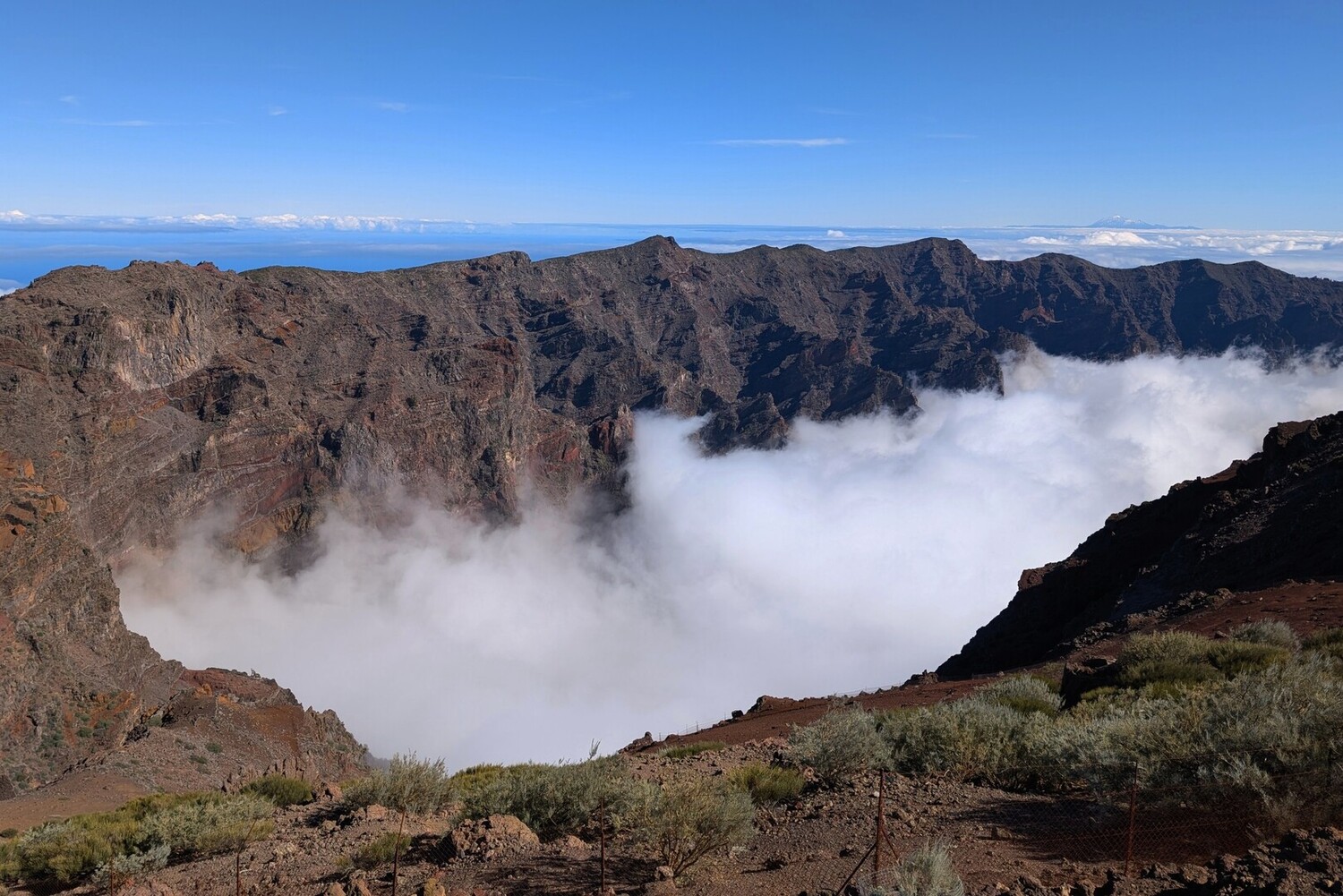
This national park protects a vast eroded volcanic crater ringed by pine forest, with trails dropping from the rim down to streams at the base. It’s one of the more demanding hikes in the archipelago, best done as a full day out from the coast.
12. Walk the laurel forest of Garajonay National Park, La Gomera

Garajonay National Park preserves a laurisilva forest — a relic ecosystem that once covered much of southern Europe and now survives mainly here, kept damp by near-constant cloud cover. Trails wind through moss-covered trees that feel closer to a rainforest than a Spanish island.
13. Wander Las Palmas’ old town and Las Canteras beach
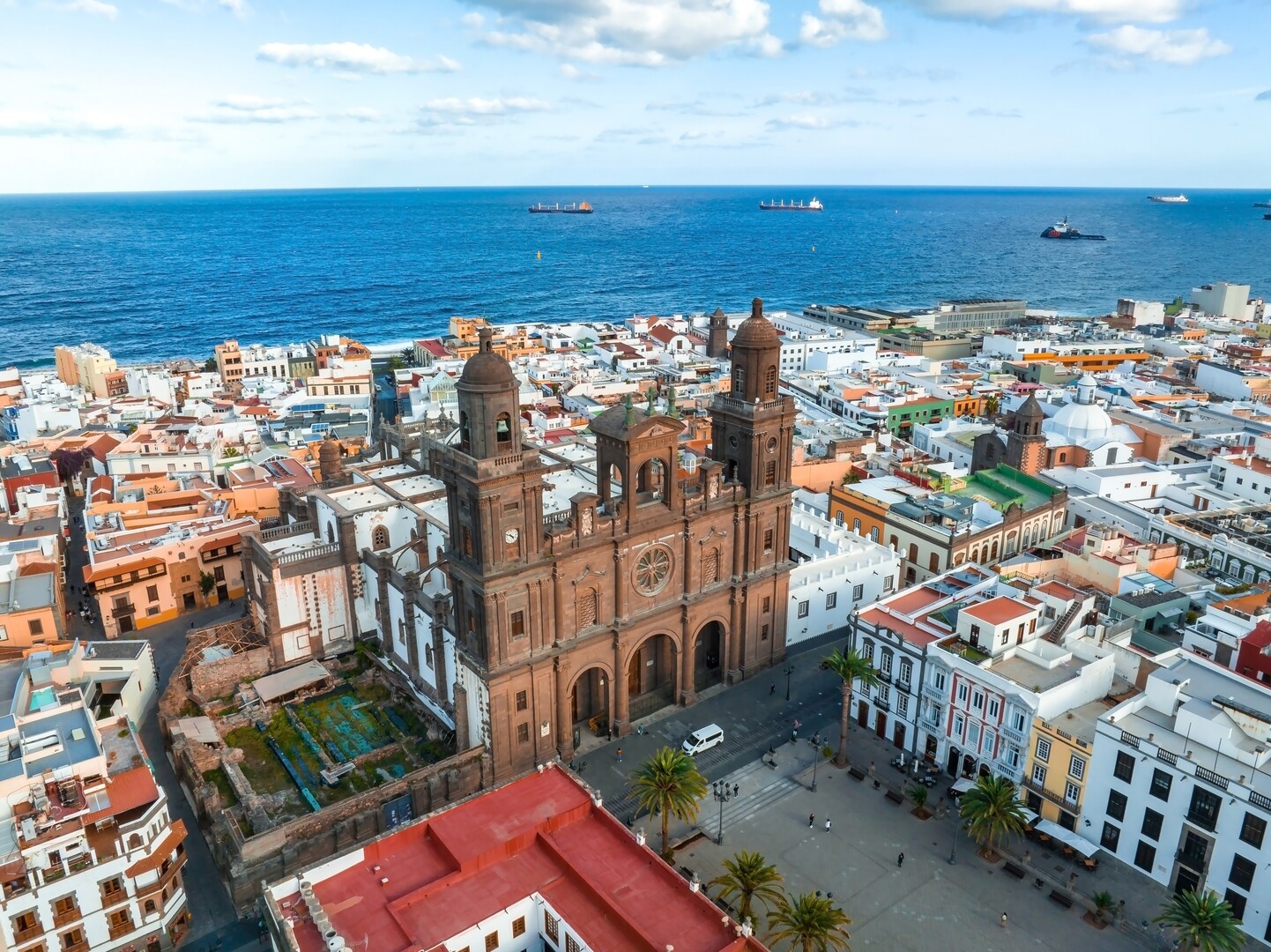
Las Palmas de Gran Canaria pairs a historic core — Vegueta, with its cathedral and colonial-era streets — with Las Canteras, a nearly 3km urban beach protected by a natural reef. It’s also where the island’s wine tourism connects most easily to a city stay, and a wine tasting las palmas visit fits comfortably into a half-day between the old town and the seafront.
14. Explore El Hierro’s volcanic coastline

The smallest and least-visited of the main islands, El Hierro offers dramatic cliff roads, natural rock pools for swimming, and a marine reserve at La Restinga popular with divers.
15. Ride the cable car or hike Anaga’s laurel forest, Tenerife
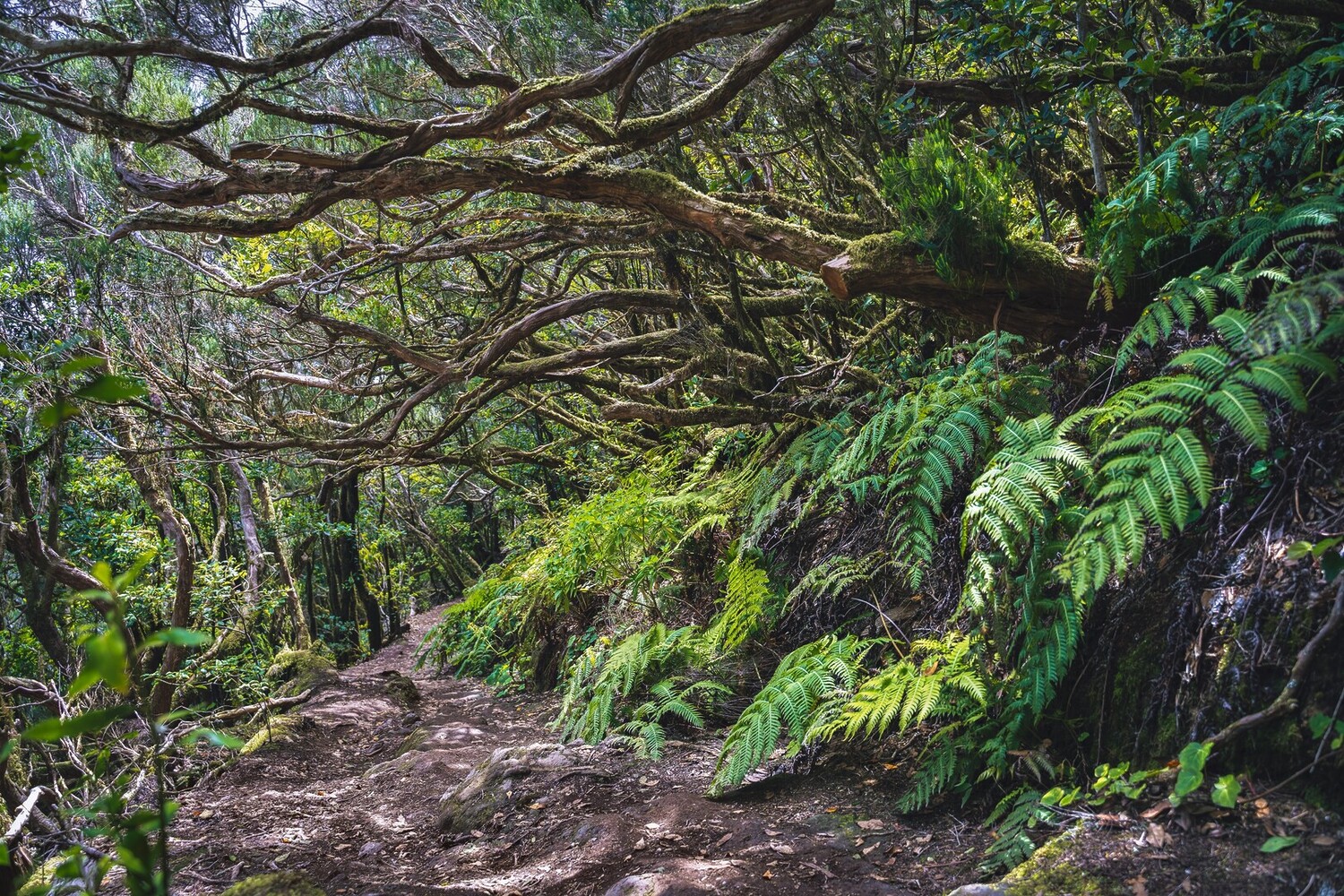
North of Santa Cruz, the Anaga rural park holds another pocket of ancient laurisilva forest, with ridge trails offering views down to hidden black-sand coves.
Distances between islands mean inter-island ferries or short flights are usually necessary — factor transfer time into any multi-island plan.

Victoria explores Europe's wine regions to share the finest wine tourism experiences with our travelers. Here she shares her favorite discoveries, tips, and encounters with the winemakers behind every bottle.

Victoria explores Europe's wine regions to share the finest wine tourism experiences with our travelers. Here she shares her favorite discoveries, tips, and encounters with the winemakers behind every bottle.